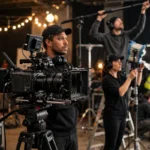

I’m Chris, and I watch an unreasonable amount of film. A few years back, I got tired of just watching and decided to try making — so I rounded up some friends, borrowed a camera, and shot a short film in a weekend. It was twelve minutes long, took three months to edit, and taught me more than any film class could have. Mostly it taught me how much I didn’t know.
Since then I’ve made more shorts, helped on other people’s sets, and sat through enough indie films to know exactly where beginners go wrong — because I went wrong in all the same places. These are my filmmaking tips: the practical stuff nobody tells you until you’ve already wasted a weekend. Whether you’re shooting your first short on a phone or leveling up your indie game, this is the advice I wish someone had handed me on day one.
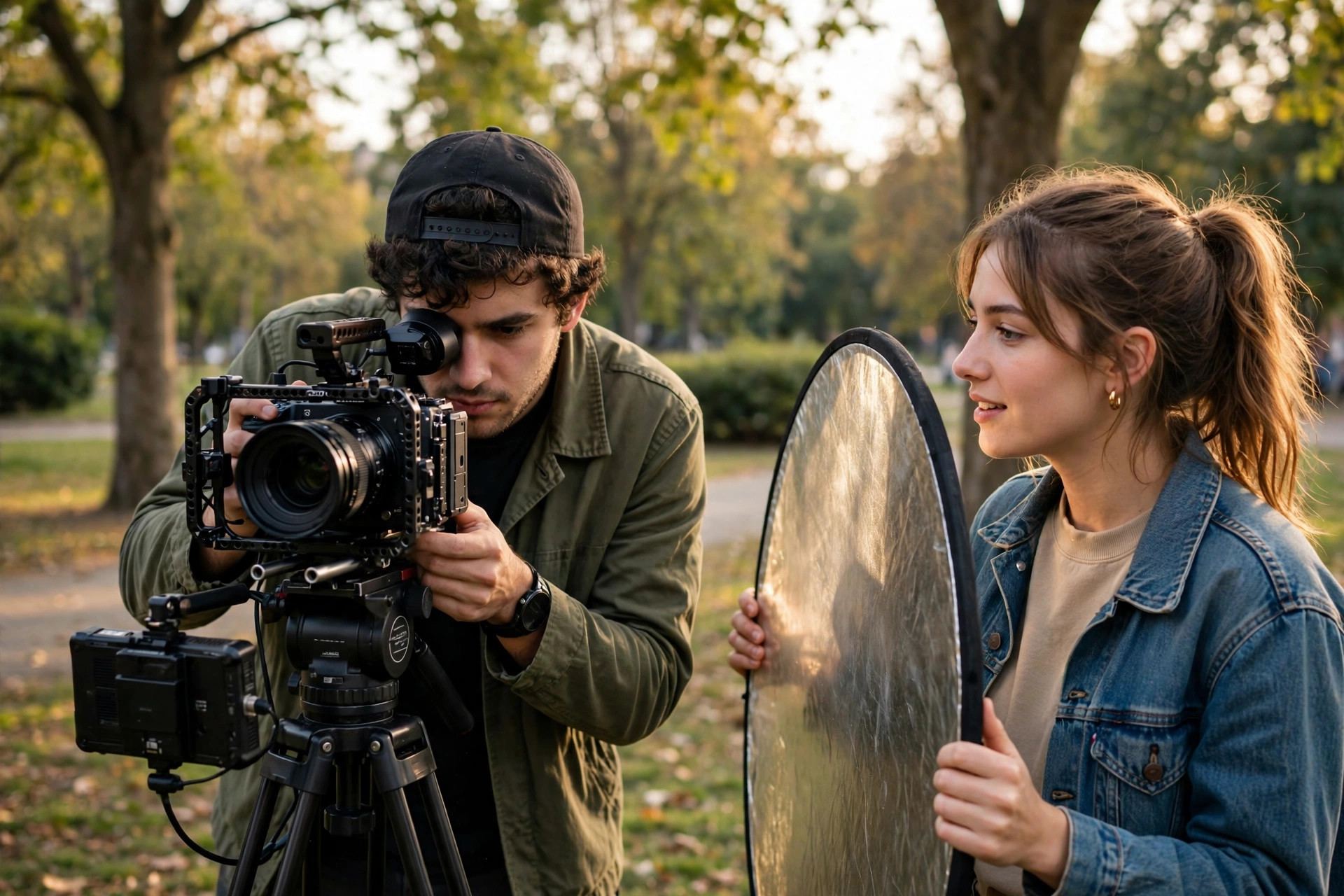
Story First, Gear Second (Tips 1–3)
1. The story beats the camera. Every time. Nobody has ever walked out of a great short film and said, “The story was weak, but did you see that sensor size?” A gripping story shot on a phone beats a boring story shot on cinema gear. Spend your energy on the script, not the shopping cart.
2. Know your ending before you shoot a frame. The number one reason beginner films fall apart is that nobody knew where the story was going. Write the ending first — even a rough one — and every scene you shoot will have a destination. Films that “find it in the edit” usually find a mess.
3. Steal structure, not stories. Every working screenwriter I know studies structure shamelessly — three acts, the midpoint turn, the “all is lost” moment. Learning structure isn’t selling out; it’s learning the instrument before you improvise. Originality lives in your characters and your voice, not in reinventing the wheel.
Your Gear List Is Shorter Than You Think (Tips 4–5)
4. Your phone is a legitimate cinema camera now. I’m serious. Modern phones shoot 4K with stabilization that would’ve cost five figures a decade ago. Your first three projects should be shot on whatever you already own. The gear doesn’t make the filmmaker — the decisions do. Upgrade when your skills, not your insecurity, demand it.
5. Spend money on sound before camera. This is the hill I’ll die on. Audiences forgive shaky, grainy, imperfect visuals. They do not forgive bad audio — echoey dialogue, wind noise, levels all over the place. A $50 lavalier mic plugged into a phone will improve your film more than a $2,000 camera upgrade. Bad sound screams “amateur” louder than anything else in this guide.
Light Like You Mean It (Tips 6–7)
6. Learn to see light before you buy lights. For your first projects, the sun and a window are your lighting department. Shoot near big windows during the day. Shoot outdoors during golden hour — that hour after sunrise and before sunset when everything looks cinematic for free. Avoid harsh midday sun; it makes everyone look like a raccoon. Once you can see good light, then consider buying a cheap LED panel (they’re shockingly affordable now) for control.
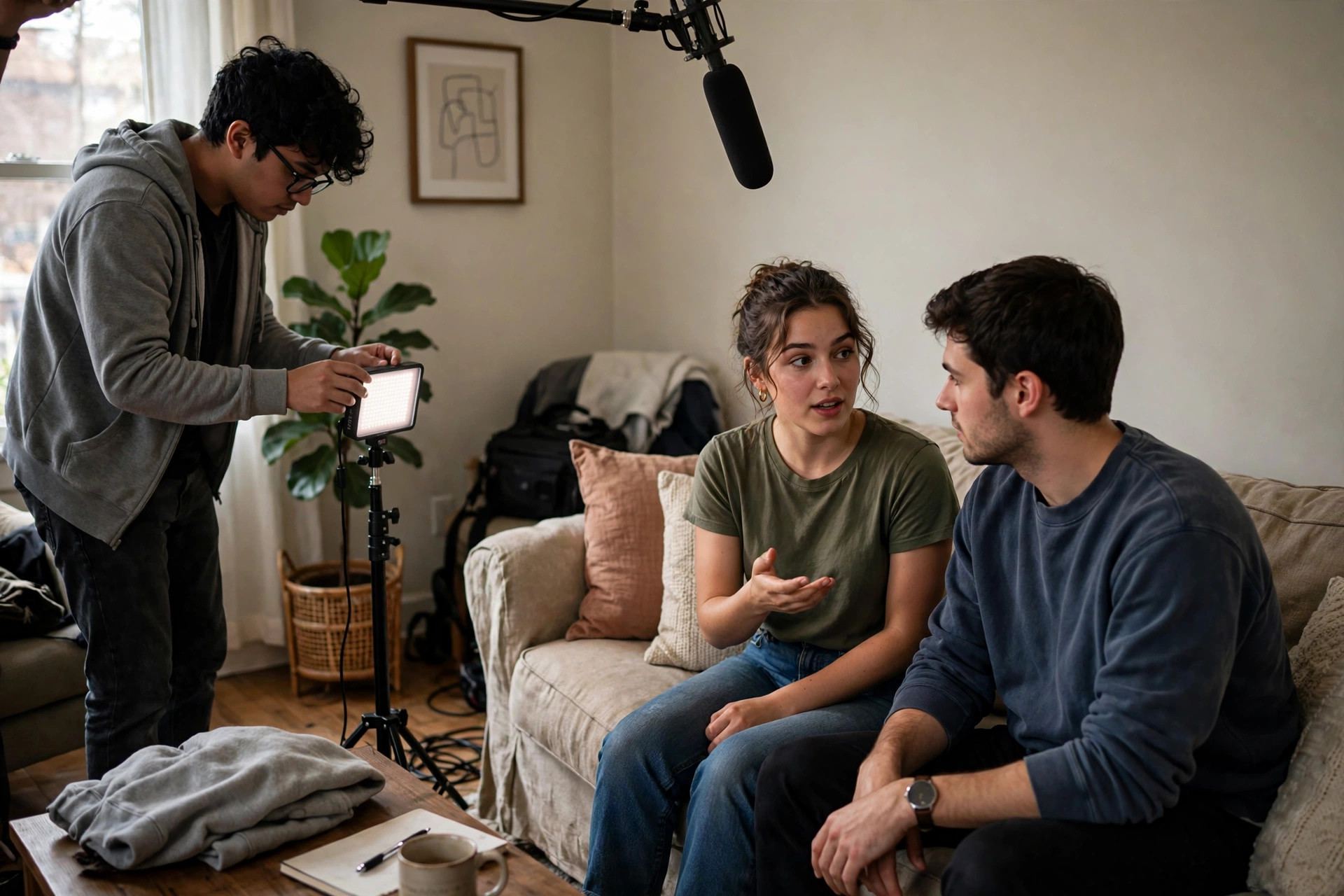
7. One motivated light source beats three random ones. Beginners light a room like they’re afraid of the dark — lamps everywhere, flat and ugly. Instead: pick one main source (a window, one LED), let the rest fall into shadow. Shadows are not the enemy. Flat lighting is.

Shoot for the Edit (Tips 8–10)
8. Make a shot list. Actually use it. Before every shoot day, write down every shot you need, in order. Wide, medium, close-up for each scene — that’s your coverage. On set, chaos will try to eat your plan; the shot list is what keeps you from getting home and discovering you’re missing the one angle that makes the scene work. I learned this the expensive way: a reshoot day costs more in favors than a shot list costs in paper.
9. Get more B-roll than you think you need. Hands pouring coffee. Feet walking. The street outside. Cutaways are the duct tape of editing — they cover mistakes, smooth transitions, and buy you time. Shoot twice as much B-roll as feels reasonable. You’ll use all of it.
10. “Fix it in post” is a lie. Fix it in pre. Every problem you shrug off on set — the buzzing fridge, the crooked frame, the actor mumbling — becomes ten times harder and more expensive to fix in editing. Slow down on set. Check the frame. Listen to the take. The edit should be assembly, not rescue.
Directing People, Not Props (Tips 11–12)
11. Give actors playable directions, not results. “Be sadder” is useless direction. Nobody knows how to do “sadder.” Instead, give them something to play: “You’re trying not to cry because your kid is watching.” Actionable, specific, human. The performance will take care of itself.
12. Feed people. Seriously. This sounds like a joke; it’s the most practical tip in this guide. A fed crew is a happy crew. A hungry crew at hour ten is a mutiny. Good food on set buys you more goodwill than any directing trick. Pizza is the traditional currency of indie film for a reason.
The Edit Is the Final Rewrite (Tips 13–14)
13. Kill your darlings — especially the pretty ones. That gorgeous three-minute drone shot you spent a whole morning capturing? If it doesn’t serve the story, cut it. Beginners fall in love with their footage; editors fall in love with the film. Be the editor. If a scene doesn’t move the story or reveal character, it’s gone, no matter how cool it looked on set.
14. Pace is everything, and shorter is almost always better. Watch your cut with fresh eyes and notice where you get bored — that’s where the audience checked out ten seconds earlier. Tighten it. Then tighten it again. A tight eight-minute short beats a flabby twenty-minute one every single time. Festivals, especially, reward brevity: programmers watch hundreds of submissions, and the short ones get watched all the way through.

Getting Your Film Seen (Tip 15)
15. Make the film, then market the filmmaker. Here’s the part beginners skip: nobody finds your film by accident. Submit to festivals (start with local and genre ones — your odds are dramatically better than the big names). Put it on YouTube or Vimeo with a real title, thumbnail, and description. Post the behind-the-scenes stuff; people love process. And think about your brand as a filmmaker — what kinds of stories do you tell? Understanding how branding works (https://www.wedlockcross.com/what-is-branding/) isn’t just for companies; it’s how audiences learn to recognize and follow you.
If you want the full picture of how professional productions work — the five stages from development to distribution — I’ve broken down how movies are made (https://www.wedlockcross.com/how-are-movies-made/) in a separate guide. Knowing the machine helps you hack it at any budget.
Mistakes That Cost Beginners Real Time
Since I promised the stuff nobody tells you, here’s my hall of shame — every one of these cost me a day or more:
- No backup of footage. A corrupted card, a dead drive. Back up every shoot day, two copies, different drives. Non-negotiable.
- Shooting without checking audio. Monitor with headphones. Always. The take you didn’t monitor is the take with the leaf blower in the background.
- Too many locations. Every location move eats an hour minimum. Beginners write scripts with twelve locations; pros write with three. Fewer locations, better film.
- Casting whoever’s available instead of whoever’s right. Your roommate is free; a local theater actor who actually wants to be there is better. Hold real auditions, even for shorts.
- Skipping the table read. Reading the script out loud with your cast before shooting exposes every clunky line. It’s free and it saves shoot days.
Frequently Asked Questions
Less than you think: a smartphone that shoots 4K, a basic lavalier or shotgun microphone (sound matters more than camera), a small tripod or stabilizer, and free editing software like DaVinci Resolve. Natural light covers most beginner needs. Upgrade gear only when your skills outgrow what you own — the story and your decisions matter far more than the equipment.
Neglecting sound. Beginners obsess over cameras and ignore audio, but audiences forgive imperfect visuals far more readily than bad dialogue audio — echo, wind noise, and inconsistent levels scream “amateur” instantly. The single highest-impact upgrade for a beginner is a decent microphone and the habit of monitoring every take with headphones.
Shorter than you think — aim for under 10 minutes, ideally 5 to 8. A tight short forces you to learn story discipline, it’s cheaper and faster to produce, and film festivals strongly prefer brevity since programmers watch hundreds of submissions. You can always make a longer film once you’ve proven you can finish a short one.
No. Many working filmmakers are self-taught — what matters is making films, finishing them, and learning from each one. Film school offers structure, equipment access, and connections, which have real value, but they’re not prerequisites. A portfolio of finished shorts teaches you more than any classroom, and it costs far less.
Start with local, regional, and genre-specific festivals where your odds are far better than at major international ones. Submit through platforms like FilmFreeway, follow each festival’s technical specs exactly, and submit early when fees are lower. A strong, tight short with clear sound and a real story beats a flashy but empty one at every level.
Use the sun: shoot near large windows during the day or outdoors during golden hour (the hour after sunrise or before sunset) for naturally cinematic light. Avoid harsh midday sun. A single affordable LED panel gives you control for interiors. The key principle: one motivated main light source with natural shadows beats multiple random lights every time.
The Bottom Line
Here’s what it all comes down to: story first, sound second, light third, gear last. Make the shot list. Feed your crew. Back up your footage. Cut ruthlessly. And finish the thing — a finished imperfect film teaches you more than a perfect unfinished one ever will.
Your first film will be rough. Mine was. Everyone’s is. The filmmakers who make it aren’t the ones with the best cameras; they’re the ones who kept making the next one. So go make yours.
For more of my film coverage — how movies get made, what to watch, what to skip — it’s all in the entertainment section (https://www.wedlockcross.com/category/entertainment/). Now stop reading about filmmaking and go shoot something.