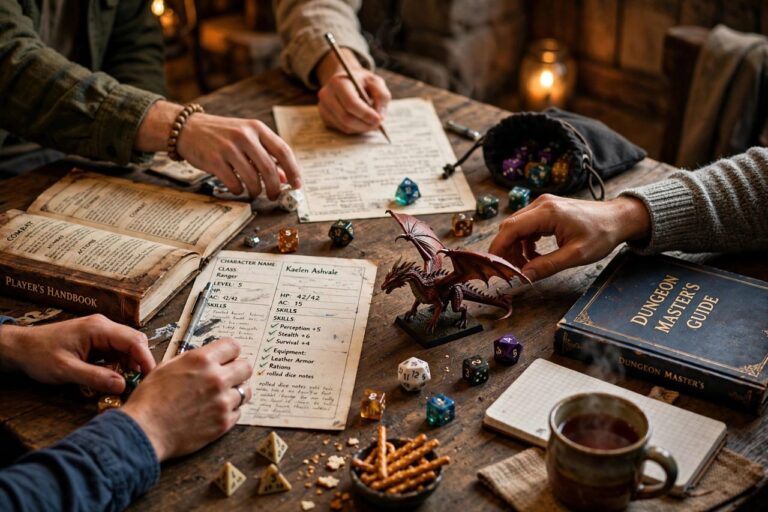
What Is Dungeons and Dragons? A Beginner’s Guide

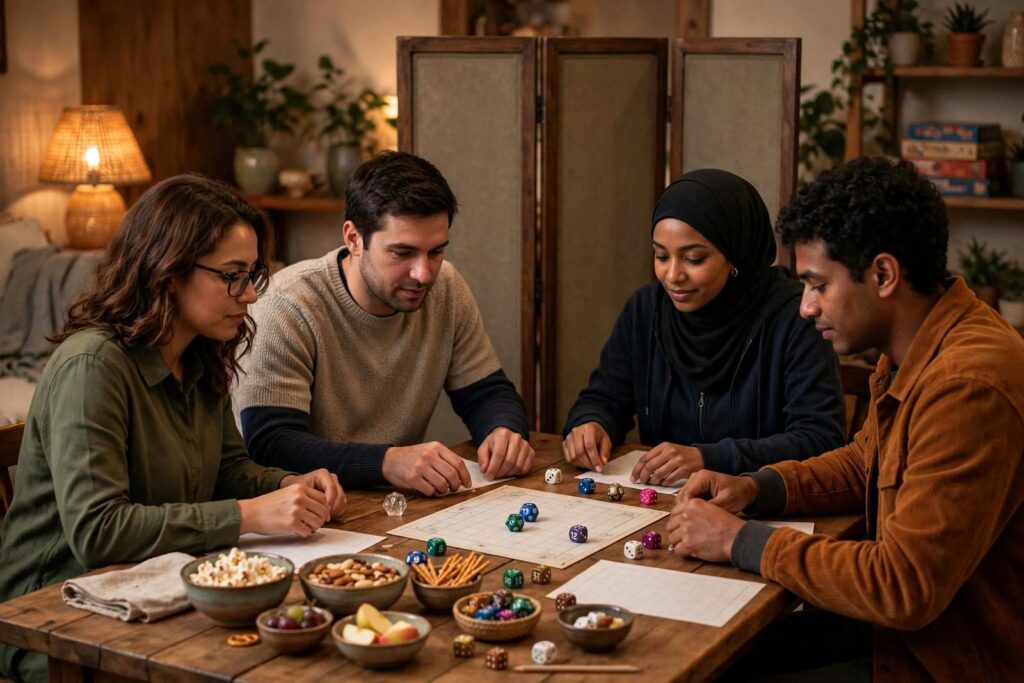
You’ve heard the name — from friends, from shows, from that one coworker who won’t stop talking about their “campaign.” But what is Dungeons & Dragons, actually? A board game? A video game? Some kind of improv theater with dice?
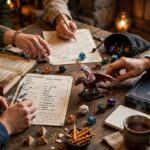
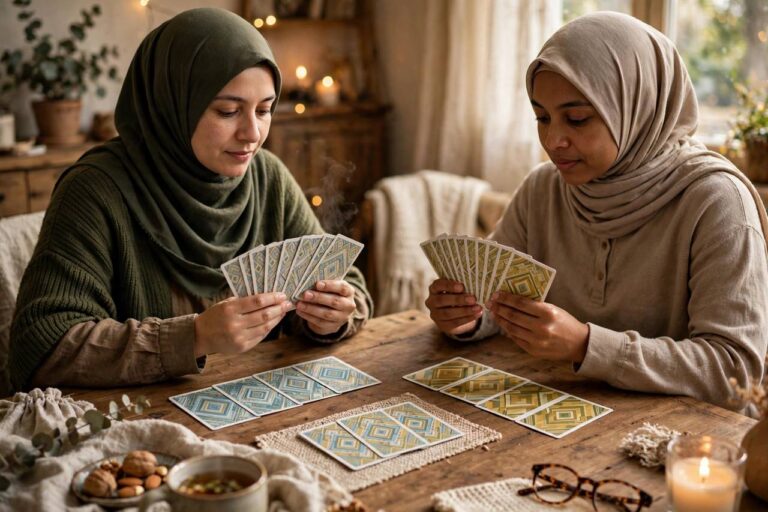
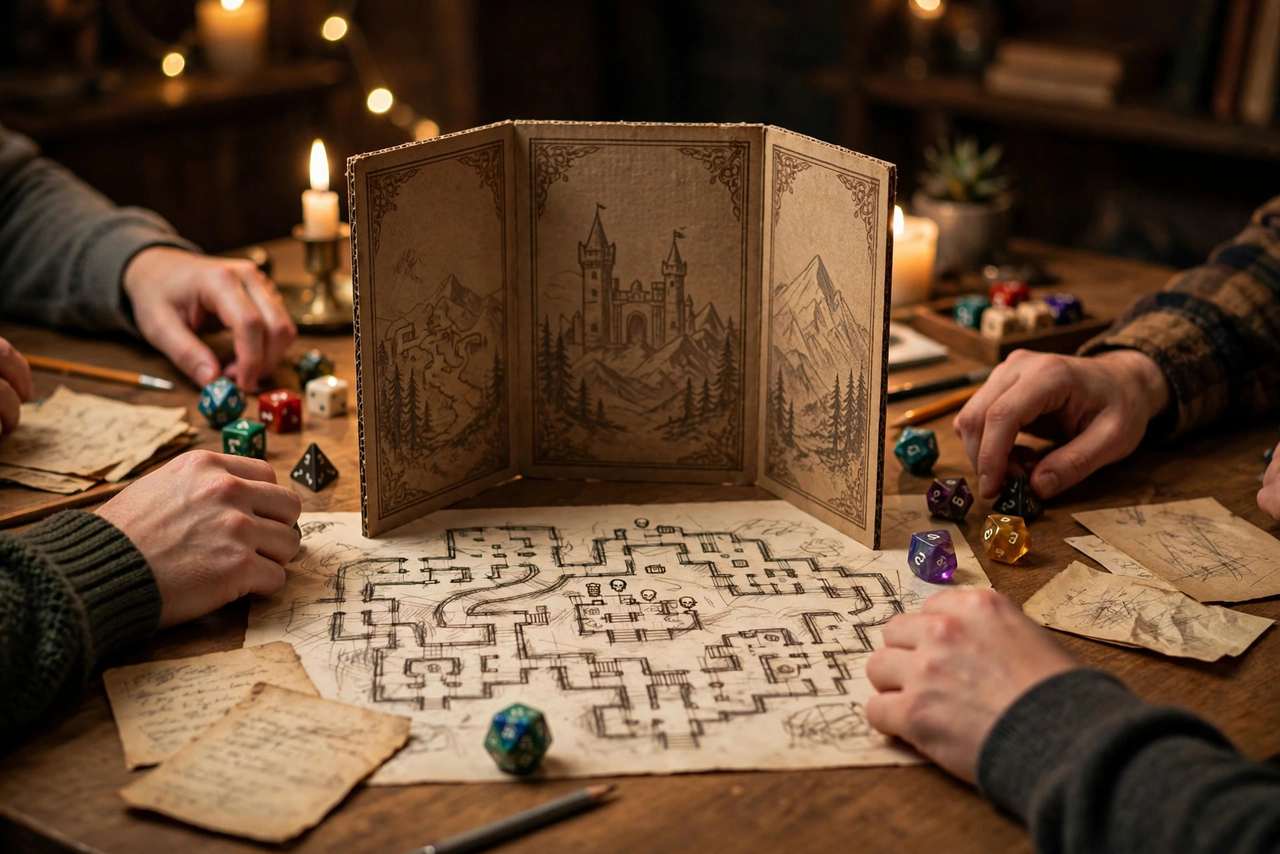
Here’s the plain answer: D&D is a fantasy tabletop role-playing game where a group of friends tells a story together — and dice decide what happens when the outcome is uncertain. No board required, no screen, no winning. Just imagination, some dice, and a friend who runs the world. Let me demystify the whole thing.
The 30-Second Answer
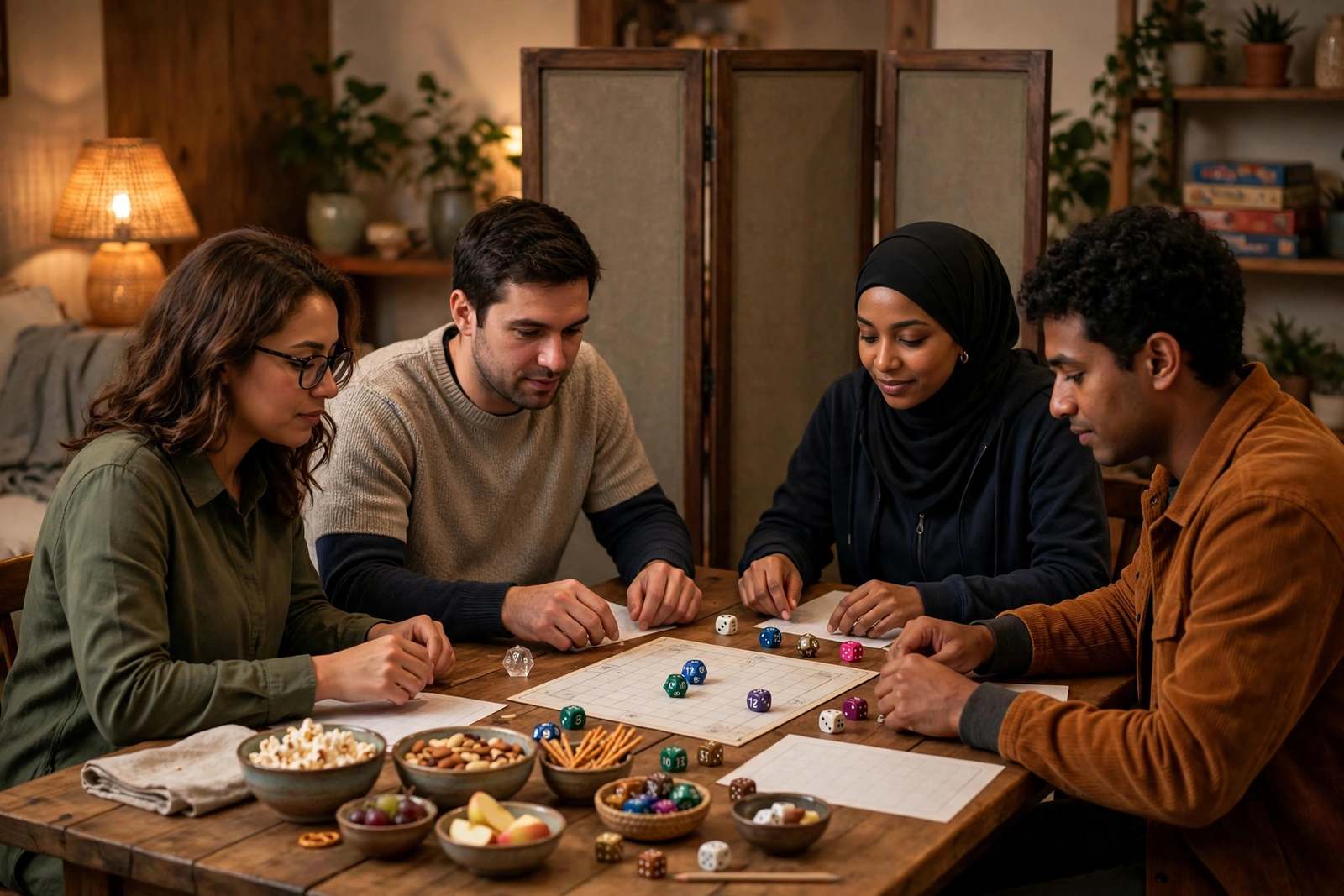
Dungeons & Dragons is a fantasy tabletop RPG (role-playing game):
- One player is the Dungeon Master (DM) — the storyteller and referee who describes the world and controls everything in it except the heroes
- Everyone else plays a character — a hero with abilities, flaws, and a backstory, living inside the DM’s world
- Together you tell a shared story — you talk, you imagine, you decide what your character does
- Dice resolve uncertainty — when the outcome is in doubt, you roll
No board to cross. No pieces to move (unless you want them). The “tabletop” is where you sit; the game happens in the shared imagination of the group.
“It’s Not a Game You Win”
This is the concept that breaks everyone’s brain, so let’s get it out of the way: there is no victory screen in D&D. No final boss with credits after. No winner.
Think of it as a group Choose-Your-Own-Adventure book where the choices actually matter — because a human DM is writing the next page live, reacting to everything you do. The “goal” is the story itself: the adventure you had, the dragon you (maybe) defeated, the tavern you definitely burned down. Campaigns end when the story ends — or when the group decides to start a new one. The win condition is having played.
How a Round Actually Plays — The Mini-Scene
The core loop, which repeats for the entire session:
- The DM describes the situation. “You push open the tavern door. Inside, a villager rushes up to you, panic on his face — ‘Please, you have to help! Something’s been attacking our livestock!'”
- The players say what they do. “I ask him what the attacks look like.” “I check the door for tracks.” “I order an ale first. Priorities.”
- The DM narrates the outcome. Some things just happen (the villager answers). Uncertain things go to dice.
- Dice resolve uncertainty. “Roll a Persuasion check to calm him down.” You roll a 20-sided die, add your character’s Persuasion bonus, and the DM compares it to a target number. High enough? He’s calm and talking. Too low? He panics harder.
That’s it. Describe → decide → resolve → describe. For three hours. It’s the simplest game loop ever designed, and it never gets old because the situations are infinite.
The Three Pillars of Play
Everything you do in D&D falls into three pillars:
- Exploration — traveling, investigating, discovering (the tavern, the dungeon, the wilderness)
- Social Interaction — talking to the DM’s characters: negotiating, deceiving, persuading, befriending
- Combat — when talking fails: structured, turn-based fighting with the dice deciding hits
Different groups lean into different pillars — some are all combat, some barely roll initiative and just roleplay for hours. All valid. The game supports whatever your table enjoys.
Dice, Simply
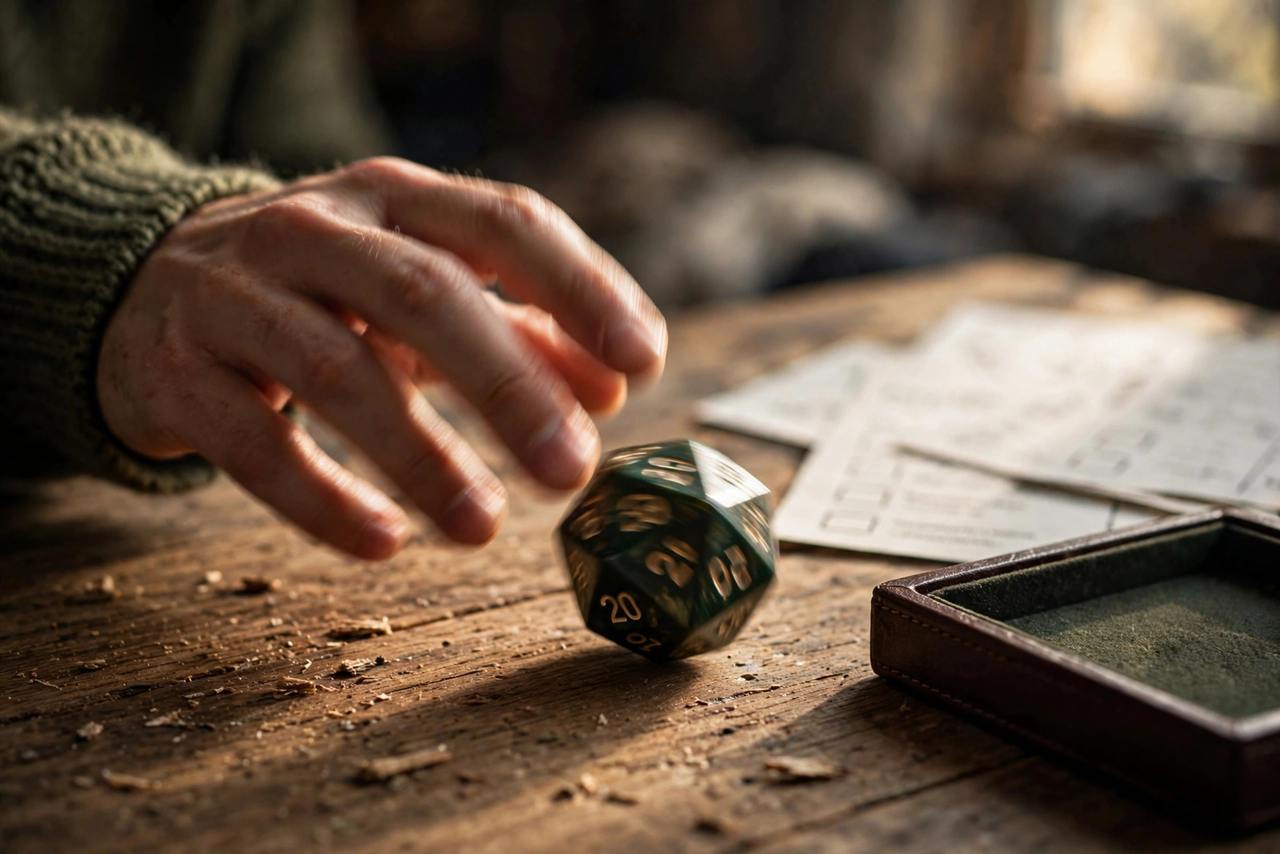
The iconic die is the d20 — a 20-sided die. The basic mechanic: roll the d20, add your modifier, compare to a target number. Meet or beat it, and you succeed. That’s the core resolution of the entire game.
Higher is better. A natural 20 (rolling 20) is a critical success; a natural 1 is a critical failure. The other dice (d4, d6, d8, d10, d12) mostly determine damage, healing, and random tables. You’ll learn them as you go — the d20 does the heavy lifting.
Your Character
Character creation is half the fun. The basics:
- Pick a race (elf, dwarf, human, and more) — your character’s species, with its own traits
- Pick a class (fighter, wizard, rogue, cleric, and more) — your character’s job: what they’re good at
- Roll for attributes — strength, dexterity, intelligence, and the rest; the numbers that feed your dice rolls
- Add a background — where they came from, what they want, what they’re afraid of
The current edition’s core book offers 12 classes and 9 races as the basic options — plenty to start. And if character creation sounds like homework: pre-made characters exist. Grab one, name it something fun, and you’re playing in ten minutes. Nobody’s first character needs to be a masterpiece.
What You Need to Play
Less than you’d think:
- People: a typical group is 3–7 players (one of whom is the DM). Three is cozy; seven is chaotic; both work.
- Dice: a standard set has 7 dice types — d4, d6, d8, d10, d12, d20, and d100 (two d10s). One set per table is technically enough; everyone having their own is the norm.
- The cheapest on-ramp: the Starter Set — rules, pre-made characters, dice, and a ready-to-run adventure in one box. It’s designed exactly for your situation: never played, want to try.
- A character sheet — one page per player tracking your stats. Paper or app, your call.
That’s the full shopping list. Everything else is optional.
Theatre of the Mind vs Maps
Two valid ways to play, and groups argue about this the way people argue about everything:
- Theatre of the mind: everything is described verbally; combat happens in imagination. Zero setup, maximum flexibility, requires everyone to track positions mentally.
- Maps and minis: a grid map with tokens or miniatures for tactical combat. Clearer positioning, more setup, costs money.
Both are valid. Many groups use theatre of the mind for exploration and social scenes, then break out the map for big combats. Start with theatre of the mind (it’s free) and add maps if your table wants them.
How Long Is a Game?
The honest numbers:
- Sessions run 2–6 hours — 3–4 is the most common sweet spot
- One-shots: a complete adventure in a single session
- Short campaigns: a story arc over several sessions
- Long campaigns: months or years of weekly sessions with the same characters
The Starter Set adventure typically takes 4–8 sessions to complete — which tells you the intended pace: this is a hobby measured in months, not evenings. Plan accordingly (and warn your calendar).
Myths Busted
The record-straightening section — because D&D has accumulated decades of nonsense:
- “It’s a video game.” No. It’s a tabletop game — no screen, no console, no graphics. The confusion comes from video games borrowing D&D’s mechanics (classes, levels, dice rolls), not the other way around.
- “The dice are gambling.” No. Dice are a randomness engine for storytelling, not a wagering mechanic. Nobody bets, nobody wins money, nothing of value changes hands on a roll. The dice answer “does this work?” — that’s all.
- “You have to memorize the rulebooks first.” No. Learn the d20 mechanic (roll, add, compare), pick a pre-made character, and start playing. The rules reveal themselves through play — and the DM handles the complicated parts.
- “It’s only for a certain kind of person.” No. Strangers welcome — game stores run beginner tables constantly, and online groups recruit openly. The only requirement is willingness to imagine out loud.
How to Find Your First Game
Ready? Here’s where the players are:
- Friends and family — the classic: convince 3–4 people to try the Starter Set together
- Local game stores — most run beginner nights and open tables; walk in and ask
- Online VTTs — Roll20 and Foundry are the big virtual tabletops for remote play
- Discord — looking-for-group channels are constantly recruiting, including beginner-friendly tables
- Session zero — before the adventure starts, good groups hold a “session zero” to set expectations: tone, boundaries, scheduling. Ask for one (or run one). It prevents most table drama.
For the gaming shelf: how-to-play-dungeons-and-dragons-for-beginners is the mechanics companion to this concept guide, what-is-rpg-in-gaming explains the genre, best-rpgs-for-beginners has more entry points, and how-to-host-a-game-night-for-adults covers the hosting side.
Frequently Asked Questions
Is Dungeons & Dragons a video game or a board game?
Neither — it’s a tabletop role-playing game. No screen, no board required: one Dungeon Master narrates the world, players play characters in it, and dice resolve uncertain outcomes.
Do you need a board or miniatures to play D&D?
No. Many groups play pure “theatre of the mind” with just talking; others use maps and minis for tactical combat. Both are valid — start with theatre of the mind, it’s free.
How many people do you need to play D&D?
A typical group is 3–7 people, one of whom is the Dungeon Master. You’ll also want a 7-dice set (d4 through d20 plus d100) — one set per table minimum.
How long does a typical D&D session last?
Sessions usually run 2–6 hours, with 3–4 hours the most common. Adventures range from one-shot single sessions to campaigns lasting months or years.
Do you have to memorize the rulebooks to start?
No. Learn the core d20 mechanic (roll, add your modifier, beat the target), grab a pre-made character, and start playing. The rules reveal themselves through play.
Can you “win” Dungeons & Dragons?
No — there’s no victory condition. It’s a collaborative story: the “win” is the adventure itself. Campaigns end when the story ends, not when someone beats the game.