How to Soften Butter Fast: 7 Methods That Work

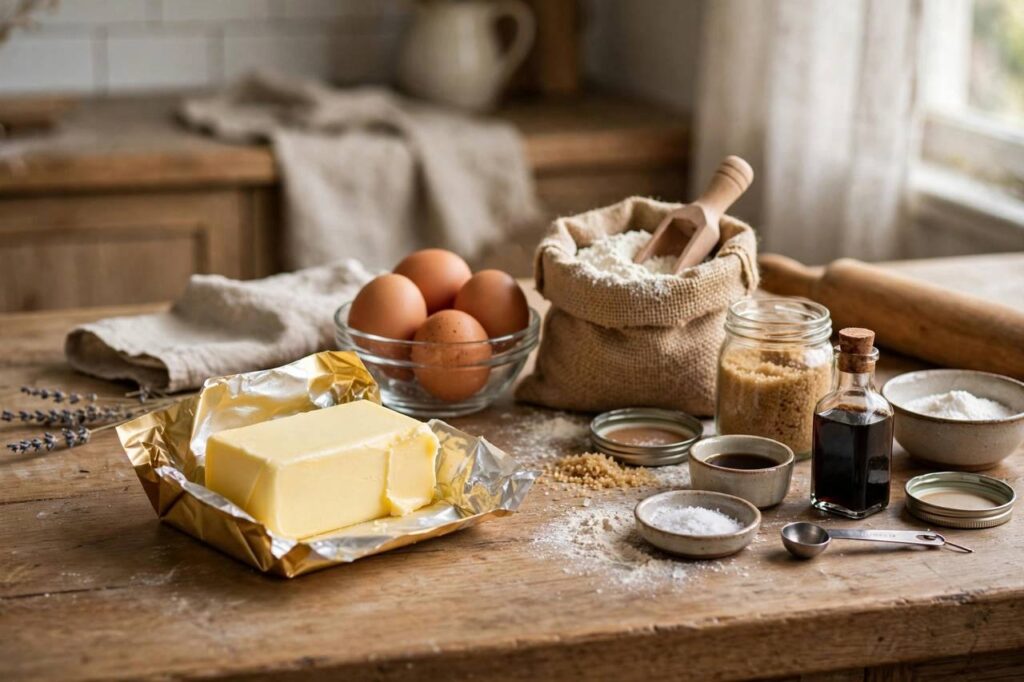
There is a special frustration known to every home baker: the recipe says “room-temperature butter,” you forgot to take it out, and now a rock-hard stick is sitting on the counter mocking you while the oven preheats. Learning how to soften butter fast is one of those small kitchen skills that pays off constantly — because properly softened butter is not a suggestion, it is structural. Cream butter and sugar correctly and you get tiny air pockets that make cakes tender and cookies chewy. Use butter that is too cold and it will not cream; use it melted and you get greasy, flat results. The target is specific: 65-70°F (18-21°C) — cool to the touch, yielding to gentle pressure, holding its shape when you press a finger in.
I bake a lot, and I forget to soften butter with impressive regularity, so I have tested every shortcut in existence. Below are the methods ranked by speed, from “emergency” to “I have half an hour,” plus the mistakes that ruin butter and the science of why temperature matters so much.
How to Soften Butter Fast: Methods Ranked by Speed
1. Grate it (5 minutes) — the fastest reliable method
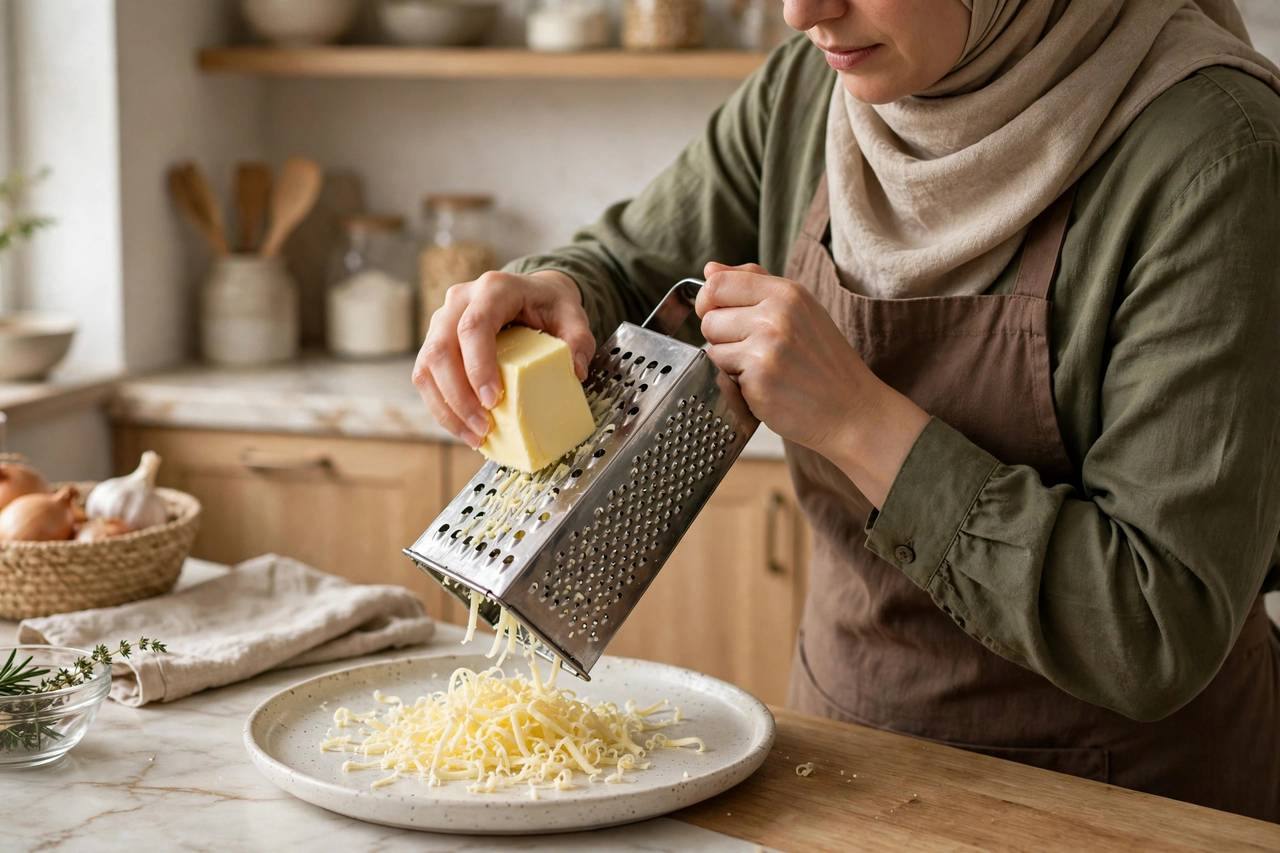
Unwrap the cold stick and grate it on the large holes of a box grater, just like cheese. The shreds have enormous surface area, so they come to room temperature in about five minutes spread on a plate. Then let them sit — do not microwave the shreds. This is my number-one recommendation: fast, even, zero risk of melting, and it works for any quantity. The only downside is a grater to wash.
2. Cut into small cubes (10-15 minutes)
Cut the stick into half-inch cubes and spread them on a plate. More surface area means faster warming — basic physics doing you a favor. Ten to fifteen minutes at normal room temperature gets you to perfect creaming consistency. Smaller cubes, faster results; this is the method to use when you have a little time but not a lot.
3. Pound it flat (10 minutes)
Place the unwrapped stick between two sheets of parchment (or in a zip-top bag with the air pressed out) and whack it flat with a rolling pin. You are doing two things at once: increasing surface area and adding a tiny bit of mechanical warming. Flattened to about a quarter-inch thick, butter softens in roughly ten minutes. Bonus: it is weirdly satisfying.
4. The warm glass trick (10-15 minutes)
Fill a tall glass with hot water, let it sit a minute to heat the glass, pour the water out, and invert the warm glass over the stick of butter standing on a plate. The trapped warm air gently softens the butter from all sides. It feels like a magic trick and it genuinely works — just make sure the glass is warm, not scalding, or you will melt the outside while the inside stays cold.
5. Microwave in short bursts (2 minutes, with caution)
Yes, it can be done — but the microwave is where butter goes to die if you are careless, because it melts from the inside out and goes from firm to liquid with almost no warning. If you must: cut the stick into pieces, microwave at 30-50% power in 5-second bursts, rotating between bursts, and stop while it still looks slightly too firm. Carryover softening finishes the job. Never microwave a whole stick on high unless you want butter soup.
6. Warm water bath (10 minutes)
Seal the butter in a zip-top bag, press out the air, and submerge it in a bowl of lukewarm (not hot) water for about ten minutes. The water transfers heat evenly and gently. Keep the water warm, not hot — you are softening, not melting. This method is great for larger quantities.
7. Just plan ahead (30-60 minutes, the gold standard)
For completeness: leaving butter on the counter takes 30-60 minutes depending on your kitchen’s temperature, and it produces the most even, perfect result. Cut the stick into tablespoons first to speed it up. If your kitchen is very warm (above about 75°F/24°C), watch it — butter can go from perfect to greasy surprisingly fast in a hot kitchen.
Why 65-70°F Is the Sweet Spot
The temperature matters because of what creaming actually does. When you beat softened butter with sugar, the sugar crystals punch thousands of tiny air pockets into the fat. Those pockets expand in the oven’s heat, giving cakes their lift and cookies their texture. This only works when the butter is plastic — firm enough to hold the air pockets, soft enough to be beaten smooth.
Too cold (straight from the fridge, around 35-40°F), and the butter will not incorporate — you get lumps of butter and a dense, uneven crumb. Too warm (melting, above about 75°F), and the fat cannot hold air at all — the air pockets collapse, and you get flat, greasy results. The finger test is the practical check: press the butter, and your finger should leave an indent without sinking through, and the butter should give slightly without feeling oily or squishy.
When the Recipe Actually Wants Cold or Melted Butter
Not every recipe wants softened butter, and using the wrong temperature is a classic baking error:
- Cold butter, cut into flour: pie crusts, biscuits, scones, puff pastry. Here you want distinct cold pieces of fat — they create steam pockets in the oven, which is what makes pastry flaky. Softened butter ruins this completely.
- Melted butter: brownies, blondies, some quick breads and madeleines. Melted butter gives a denser, fudgier texture — desirable there, disastrous in a cake that needs creaming.
- Softened butter: buttercream frosting, most cakes, sugar cookies, shortbread. If the recipe says “cream butter and sugar,” this is the temperature it means.
When a recipe just says “butter” without specifying, context is your guide: if creaming or beating is involved, soften it; if the butter gets cut or rubbed into flour, keep it cold.
Mistakes That Ruin Butter (and Your Baking)
- Microwaving on high. The number-one butter killer. It melts unevenly and destroys the fat structure creaming depends on. Low power, short bursts, or skip it entirely.
- Softening in a hot spot. On top of a preheating oven, next to a sunny window, above the dishwasher vent — these melt the outside while the inside stays cold, giving you the worst of both worlds.
- Using “spreadable” or whipped butter for baking. These contain added air, water, or oils and do not behave like real butter in recipes. Bake with standard sticks.
- Substituting margarine blindly. Margarine has different fat and water content; in recipes developed for butter, the texture suffers. If you must substitute, use sticks (not tubs) and expect some difference.
- Leaving butter out for days. Butter is safe at room temperature for a day or two (salted longer than unsalted), but beyond that it can go rancid and pick up off-flavors. Soften what you need; refrigerate the rest.
- Guessing instead of testing. The finger test takes two seconds. Use it every time.
Softening Butter for Frosting vs. Baking
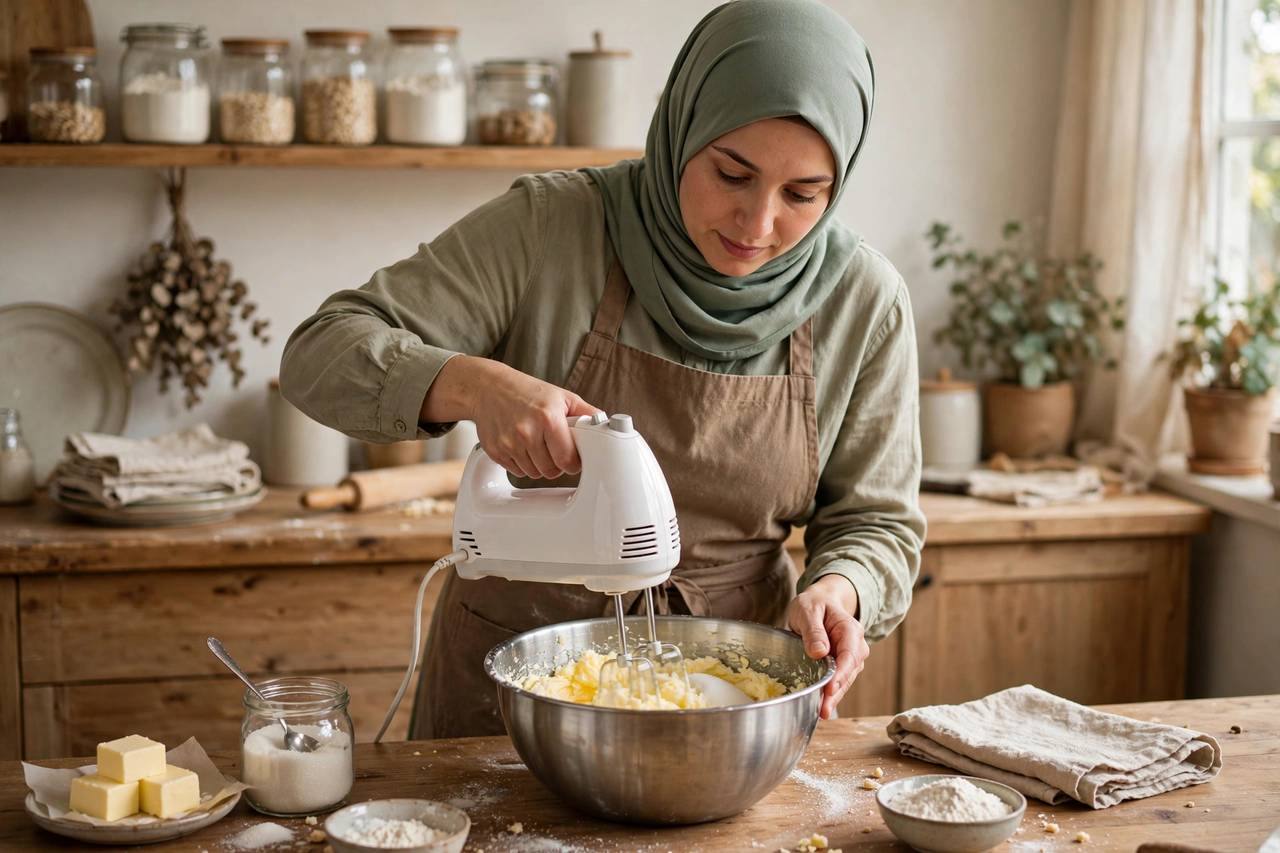
Worth a quick distinction, because the two jobs want slightly different butter. For buttercream frosting, you want butter at the soft end of the range — fully pliable, almost spreadable, around 68-70°F. Frosting has no oven spring to hide behind; any lump of cold butter shows up as exactly that. Beat it alone first until completely smooth, then add the sugar.
For cakes and cookies, the cooler end — 65-68°F, still holding its shape firmly — is actually ideal. Slightly cooler butter creams into a stiffer foam that traps air better, which means better lift. This is one of those details that separates good home bakers from great ones: matching the butter temperature to the job instead of treating “room temperature” as one thing.
And a practical tip for big baking days: soften more butter than you think you need. Properly softened butter refreezes fine for later use, but trying to rush a second stick mid-recipe — while the oven is hot and the batter is waiting — is how microwaves get involved and butter gets ruined. Future you will be grateful for the extra stick on the counter.
Frequently Asked Questions
How to soften butter fast without a microwave?
Grate the cold stick on a box grater — the shreds soften in about five minutes at room temperature. Alternatives: cut into small cubes (10-15 minutes), pound flat between parchment (10 minutes), or cover with a warmed glass (10-15 minutes). All of these are safer and more even than microwaving.
Can you microwave butter to soften it?
Yes, but carefully: cut into pieces, use 30-50% power, and heat in 5-second bursts, rotating between bursts. Stop while it still looks slightly firm — residual heat finishes the job. Microwaving on high melts butter unevenly from the inside out and ruins its structure for creaming.
What temperature should butter be for baking?
For recipes calling for softened or room-temperature butter, aim for 65-70°F (18-21°C). It should be cool to the touch, hold its shape, and yield to gentle finger pressure without feeling greasy. Use the finger test: your finger leaves an indent but does not sink through.
How long does butter take to soften at room temperature?
A whole stick takes 30-60 minutes depending on kitchen temperature. Cut it into tablespoon-sized pieces first to speed things up significantly. In a warm kitchen (above 75°F/24°C), check frequently — butter can overshoot into greasy territory quickly.
Is it safe to leave butter out overnight?
For softening purposes, yes — leaving butter out for several hours or overnight is standard practice and safe. Salted butter keeps longer at room temperature than unsalted. Beyond a day or two, though, butter can go rancid and absorb off-flavors, so refrigerate what you are not using.
How to soften butter fast is really about surface area and patience management: grate it when you are in a hurry, cube it when you have a few minutes, and plan ahead when you can. Hit that 65-70°F sweet spot, cream it properly, and your baking will taste like you actually remembered to take the butter out — which, from now on, you will not even need to.