How to Boil Eggs So They Peel Easily: Timing & Tricks

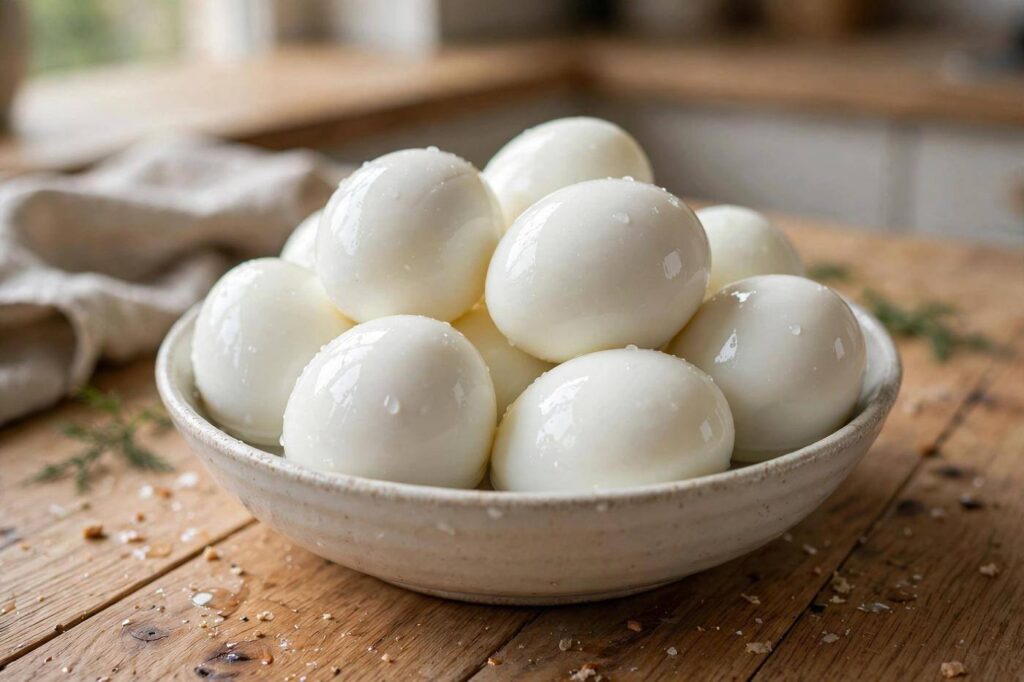
Here is how to boil eggs so they peel easily, and I say that as someone who has peeled roughly ten thousand eggs in her kitchen — for deviled eggs at Easter, for meal prep on Sundays, for my kids’ lunchboxes. For years I did what most people do: dropped cold eggs into boiling water, waited, and then fought the shell off in sad little shreds, taking half the white with it. The fix turned out to be embarrassingly simple, and it has nothing to do with vinegar or baking soda or any of the other tricks the internet swears by. It comes down to three things: older eggs, a hot start, and an ice bath.
Every recipe I publish gets tested in my own kitchen first, and this method has survived hundreds of batches. Below you will find why shells stick in the first place, the exact method, a timing chart for every yolk style from jammy to fully set, and the mistakes that ruin even a good technique.
How to Boil Eggs So They Peel Easily: The Method That Works
Let me give you the method first, then explain why each step matters — because once you understand the why, you will never need the recipe card again.
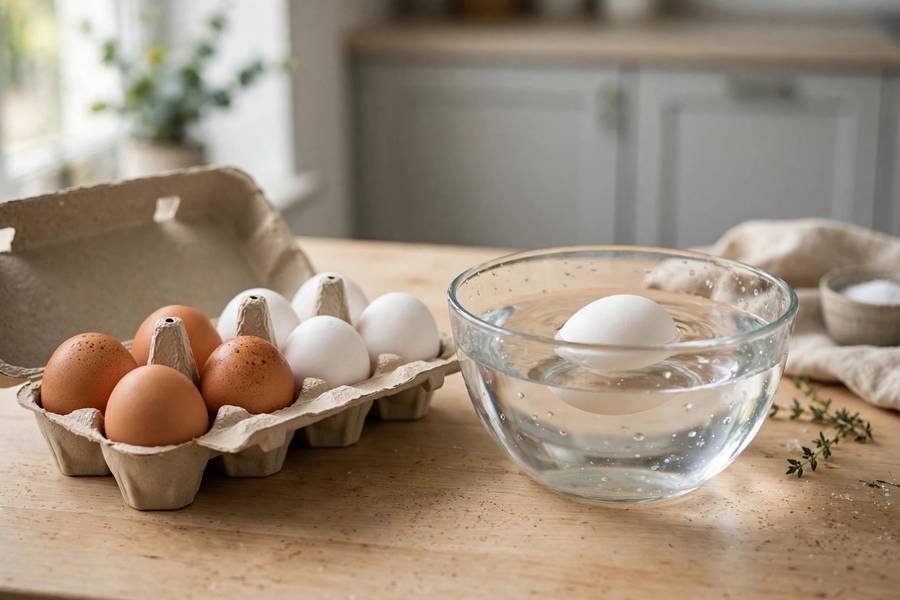
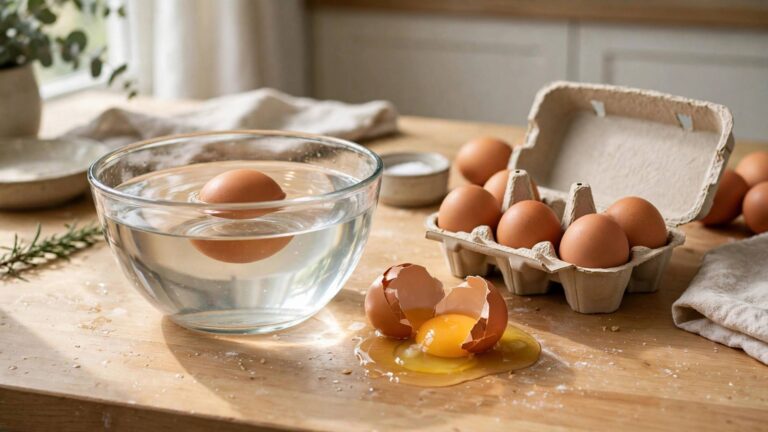
1. Start with older eggs. Eggs that are 7 to 10 days old peel dramatically better than eggs bought this morning. As an egg ages, it loses a little moisture through the shell, the air cell at the wide end grows, and the membrane loosens its grip on the white. Check the pack date on the carton and use the oldest eggs you have for boiling; save the fresh ones for frying, where they shine.
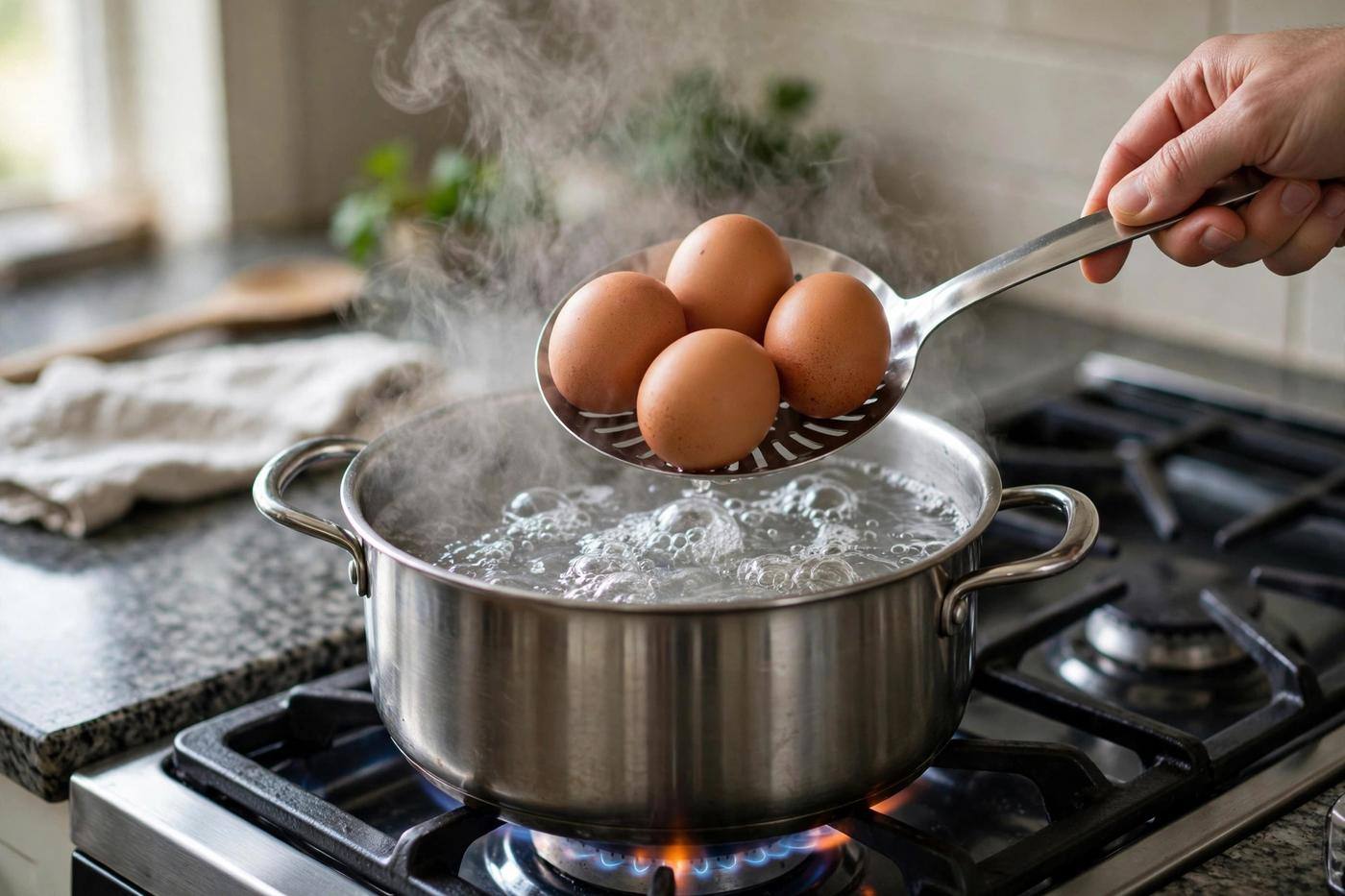
2. Bring the water to a full boil first. Fill a pot with enough water to cover the eggs by about an inch and bring it to a rolling boil before the eggs go anywhere near it. This is the opposite of the old cold-start method, and it matters: a hot start shocks the outer white so it sets instantly and pulls away from the membrane, instead of slowly bonding to it as the water heats up.
3. Lower the eggs in gently. Use a slotted spoon or a spider strainer to lower room-temperature eggs into the boiling water one at a time. Cold eggs straight from the fridge work too, but they are more likely to crack from the temperature shock — let them sit on the counter for 15 minutes if you remember. Lower, do not drop. Cracked eggs leak wispy whites into the pot, which is harmless but ugly.
4. Start your timer the moment the last egg goes in. Use the timing chart below for your preferred yolk. Keep the water at a gentle boil — not a violent rolling boil that bangs the eggs around and cracks them.
5. Ice bath immediately. While the eggs cook, fill a large bowl with ice and cold water. The second the timer goes off, transfer the eggs straight into the ice bath with your slotted spoon. Leave them for at least 10 minutes, until completely cold. This stops the cooking (no grey-green yolk ring) and — the part that matters for peeling — makes the egg contract slightly inside the shell, loosening everything.
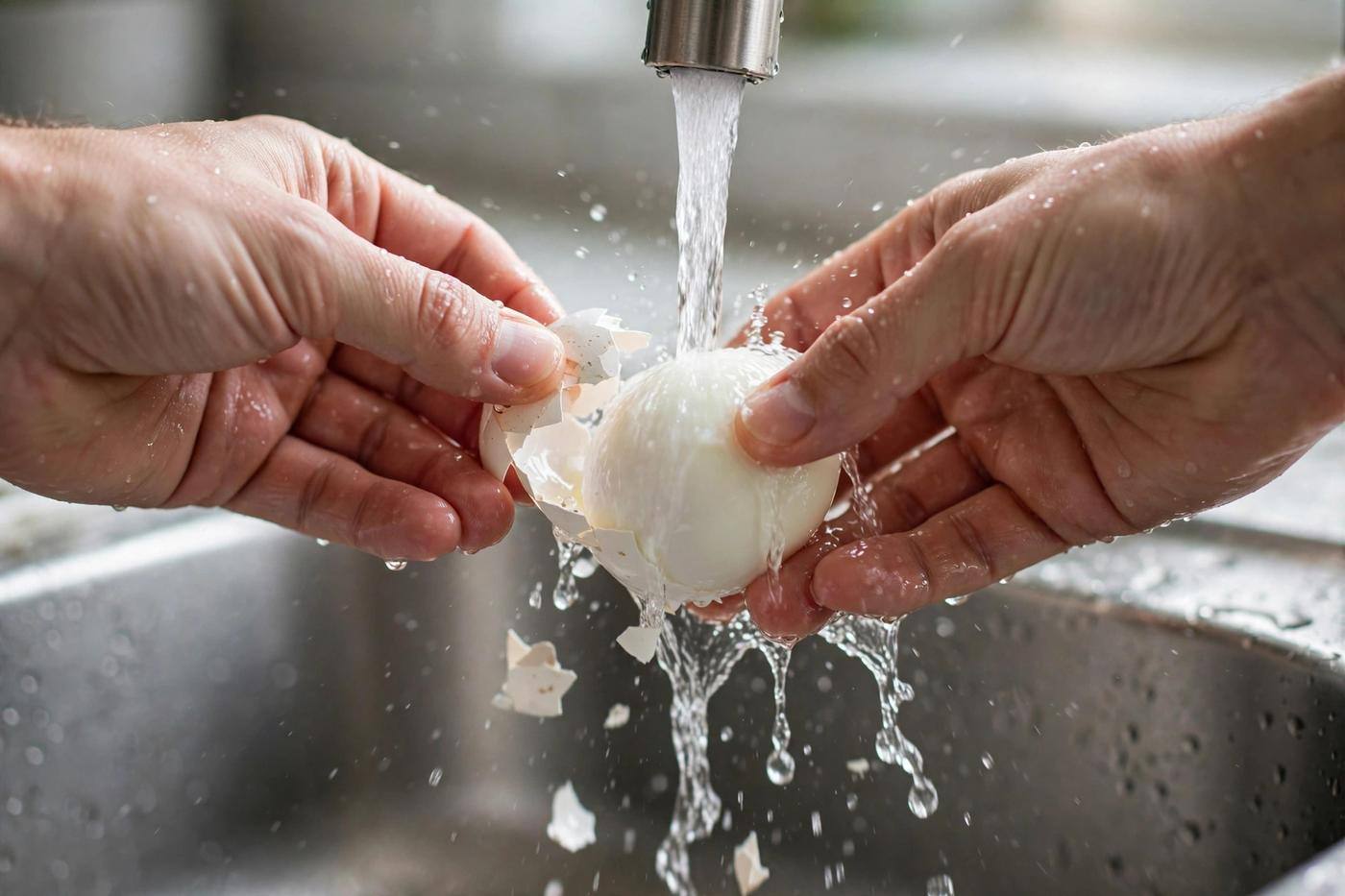
6. Peel under running water. Crack the wide end first, where the air pocket lives, then roll the egg gently on the counter to craze the shell all over. Peel under a thin stream of cool water; the water slips under the membrane and the shell comes off in big satisfying sheets.
Why Eggshells Stick: The Actual Science
Understanding why shells stick makes every trick make sense. A fresh egg has a low pH in the white, which makes the white cling tightly to the inner shell membrane. As the egg ages, carbon dioxide escapes through the porous shell, the pH rises, and that bond weakens. That is the whole older-egg secret — it is chemistry, not folklore.
The hot start works for a related reason. When the white hits boiling water, the outermost layer sets almost instantly, before it has time to fuse with the membrane. A cold start lets the white warm up gradually while pressed against the membrane, and the two bond like old friends. The ice bath then does the opposite job at the other end: rapid cooling shrinks the cooked egg just enough to pull it away from the shell wall.
This is also why the popular additives do not really help. A splash of vinegar or a spoonful of baking soda changes the water chemistry a little, but neither one fixes the membrane bond the way age, heat shock, and cold shock do. I have tested them side by side. The plain-water eggs peeled better every time.
Boiled Egg Timing Chart: Every Yolk Style
Timing starts when the eggs hit the boiling water. These times assume large eggs at a gentle boil; add about a minute for extra-large eggs.
6 minutes — jammy, custardy yolk. The white is fully set and the yolk is thick and spoonable, deep orange and glossy. Perfect for ramen, grain bowls, and toast soldiers. Peel carefully — these are delicate.
7 minutes — soft-set with a molten center. A firmer white, a yolk that flows when you cut it. The classic breakfast egg, best eaten warm in an egg cup.
8 minutes — medium, fudgy yolk. The yolk is mostly set with a slightly soft, jammy center. My personal favorite for salads and sandwiches — it holds its shape when sliced but still tastes rich.
10 minutes — fully set, creamy yolk. The yolk is firm all the way through but still moist and golden. Ideal for deviled eggs, where you need a yolk that mashes smoothly.
12 minutes — hard-boiled, fully firm. Completely set white and yolk, built for meal prep and transport. Go past 12 and you start getting the grey-green ring around the yolk — harmless, but it looks tired and tastes faintly of sulfur. The ice bath is your insurance against it.
Altitude note: if you live well above sea level, water boils cooler, so add a minute or two to these times and test one egg before committing the batch.
The Mistakes That Ruin Easy Peeling
Using farm-fresh eggs. I know, it feels wrong to use the older carton. But eggs laid yesterday are the hardest eggs on earth to peel. If someone gifts you farm eggs, wait a week before boiling them — your future self will thank you.
Skipping the ice bath. This is the step people skip and the step that matters most. Running them under cold tap water for a minute is not the same; you need sustained cold. No ice? Use the coldest water your tap makes and change it twice.
Overcrowding the pot. Eggs need room for water to circulate. Cram twelve eggs into a small saucepan and the ones in the middle cook unevenly while the ones on the edges crack from banging around. One layer, space between them.
Peeling while warm. Warm eggs cling. If you are in a hurry, at least run them under cold water until they are cool to the touch. Patience peels.
Storing peeled eggs dry. Peeled eggs go in a sealed container in the fridge with a damp paper towel, and they keep about five days. Unpeeled hard-boiled eggs keep a full week in their shells — another reason to peel only what you need.
My Favorite Ways to Use a Batch of Boiled Eggs
Food is memory, comfort, and joy, and a bowl of perfectly peeled eggs in the fridge is all three waiting to happen. Slice them over a green salad with a sharp vinaigrette. Mash them with good mayonnaise, a little mustard, and chopped herbs for the egg salad sandwich of your childhood. Halve them over avocado toast with flaky salt and chili flakes. Or do what my grandmother did: quarter them into a bowl of warm lentil soup, where the creamy yolk melts into the broth. Once peeling stops being a battle, you will find excuses to boil a dozen every Sunday — I do.
Frequently Asked Questions
Does adding vinegar or baking soda help eggs peel easily?
Not really. In side-by-side kitchen tests, plain water with a hot start and an ice bath peels better than water with vinegar or baking soda. The additives change the water chemistry slightly, but they do not loosen the membrane bond the way older eggs, heat shock, and cold shock do. Save your vinegar for the salad dressing.
Why are fresh eggs harder to peel when boiled?
Fresh eggs have a lower pH in the egg white, which makes the white bond tightly to the inner shell membrane. As eggs age over 7 to 10 days, carbon dioxide escapes through the shell, the pH rises, the air cell grows, and the membrane loosens — so older eggs peel in big clean pieces while very fresh eggs shred.
Should you start boiled eggs in cold or boiling water?
Boiling water. A hot start sets the outer white instantly so it pulls away from the membrane instead of bonding to it during a slow heat-up. Lower the eggs gently into already-boiling water with a slotted spoon, then start your timer.
How long do hard-boiled eggs last in the fridge?
Unpeeled hard-boiled eggs keep about one week refrigerated in their shells. Peeled eggs keep about five days in a sealed container with a damp paper towel. When in doubt, the sniff test never lies — a sulfury smell means they are past their prime.
Why did my egg yolks turn green?
The grey-green ring around the yolk comes from overcooking — iron in the yolk reacts with sulfur in the white at high heat over time. It is harmless but looks and tastes tired. Prevent it by timing your eggs (no more than 12 minutes for large eggs) and shocking them in an ice bath immediately.
Can you boil eggs in advance for meal prep?
Absolutely — it is one of the best meal-prep moves there is. Boil a dozen on Sunday using the 12-minute timing, ice-bath them, and store unpeeled in the fridge. Peel a few each morning for breakfasts, salads, and snacks all week long.