What Is the Slow Living Movement? A Gentle Introduction

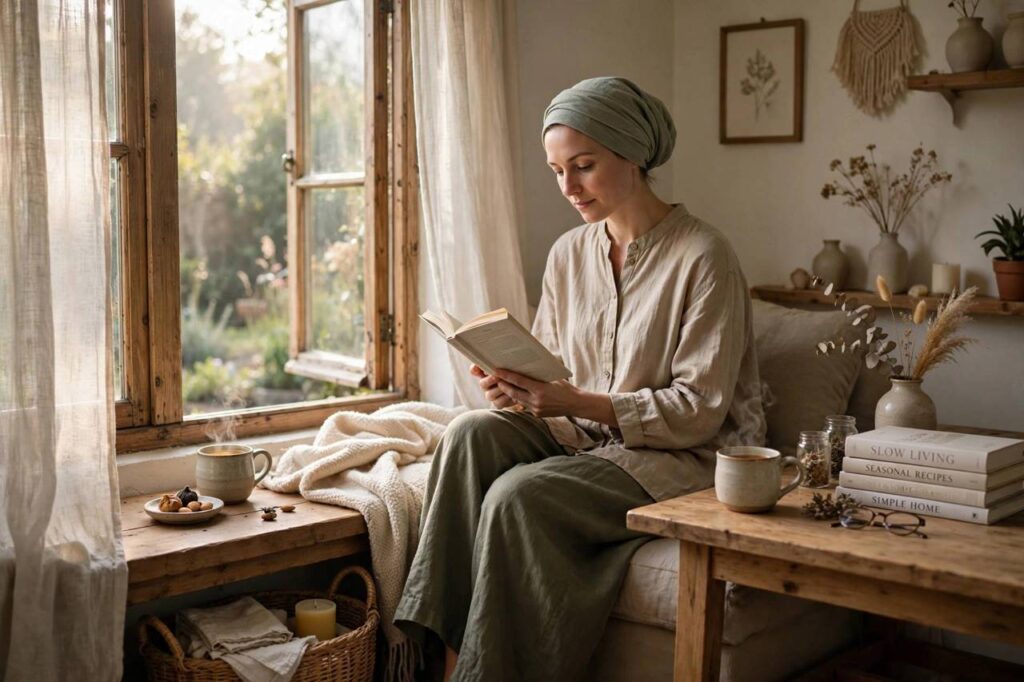
If you’ve ever wondered what is the slow living movement, you’re probably already feeling the thing it responds to: that background hum of hurry that follows you from the inbox to the grocery line. Slow living isn’t about doing nothing, and it isn’t about romanticizing poverty or moving to a farmhouse (though some people do). It’s a philosophy that says speed has a cost, and that we should choose — deliberately — which parts of life deserve our full attention and which can simply go slower. Let me walk you through where the idea came from, what it actually looks like day to day, and how to try it without upending your life.
The movement’s roots trace back to Italy in the 1980s, when the Slow Food movement pushed back against fast food culture. That seed — quality over speed, local over mass-produced, savoring over consuming — grew into a broader critique of what sociologists call the “culture of speed.” Slow living doesn’t reject modern life; it questions the assumption that faster is always better, in everything from meals to careers to weekends.
What Is the Slow Living Movement at Its Core?
Strip away the aesthetic Instagram version and slow living rests on a few simple principles. First, intentionality: making choices on purpose instead of on autopilot. Second, presence: giving your attention to whatever you’re doing, one thing at a time. Third, enoughness: deciding how much is sufficient instead of chasing more by default. Fourth, connection: to people, to place, to the rhythms of seasons and daylight.
None of that requires a lifestyle overhaul. A slow living advocate with a full-time job and kids isn’t living some off-grid fantasy — she’s the one who decided that dinner is a sit-down event, that the phone charges in the kitchen overnight, and that Saturdays don’t need an itinerary. The philosophy scales to any life because it’s about attention, not acreage.
Slow Living vs. Simply Being Lazy
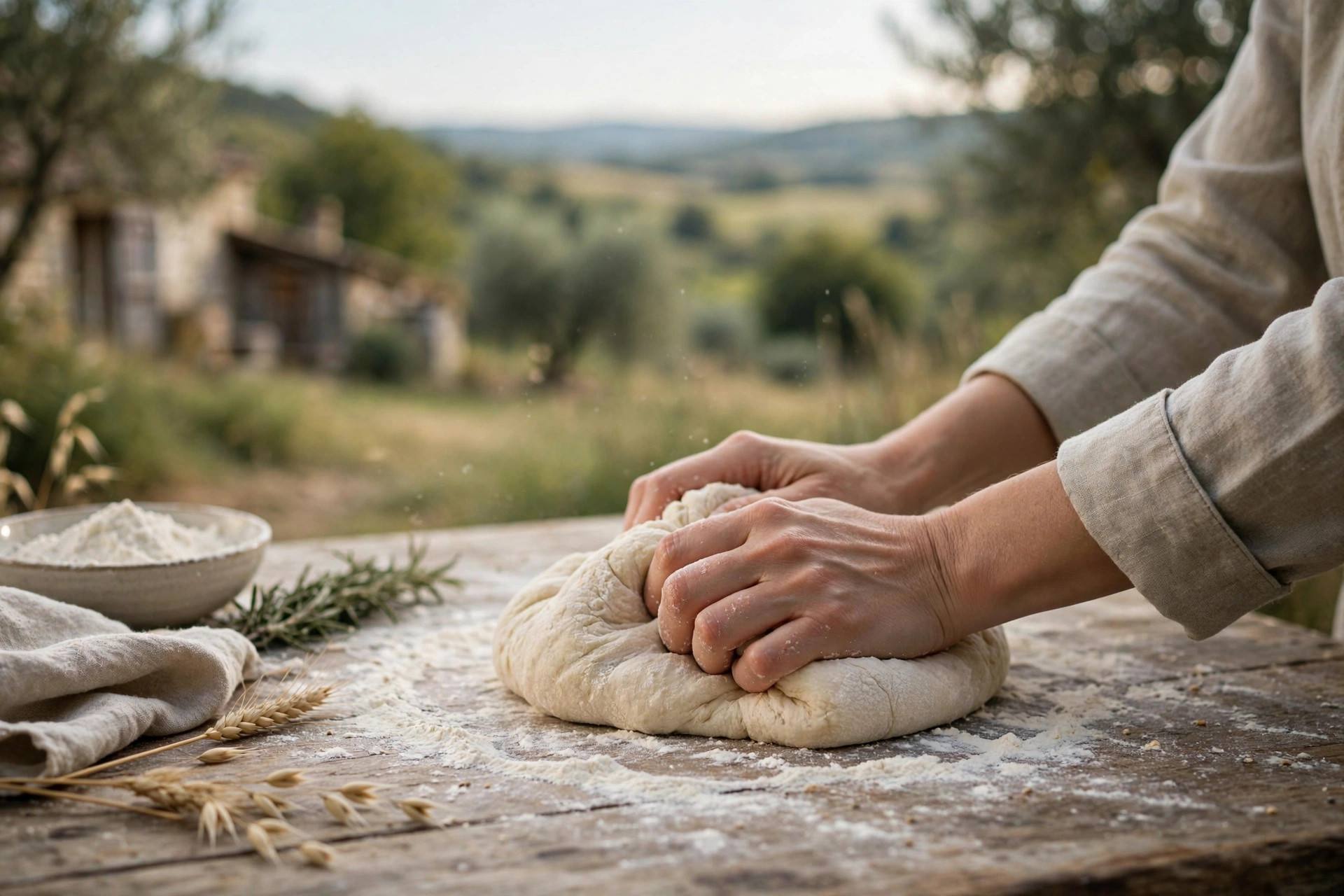
This is the misunderstanding that follows the movement everywhere, so let’s clear it up. Laziness is the avoidance of effort; slow living is the deliberate direction of effort. A slow living practitioner might spend three hours making bread from scratch — that’s not avoidance, it’s choosing a slow, absorbing process over a fast, forgettable one. The test is simple: did you choose it, and were you present for it? If yes, it counts.
The confusion happens because rest is part of the philosophy. Slow living treats rest as productive — recovery that makes the working hours better — rather than as stolen time. Naps, long walks, staring out windows: in a culture that monetizes every minute, choosing rest is almost rebellious.
The Main Pillars: Food, Work, Home, Time
Most slow living writing organizes around four areas. Food: cooking more, eating seasonally, knowing where food comes from, treating meals as events rather than fuel stops. Work: questioning the default career ladder, protecting boundaries, choosing “enough” income over maximum income when the trade is your evenings. Home: fewer, better things; spaces arranged for lingering rather than impressing. Time: guarding unstructured hours, single-tasking, letting some things take as long as they take.
You don’t adopt all four at once. Most people enter through one door — usually food or home — and the rest follows naturally once you notice how good deliberate feels. Start with the area where hurry bothers you most.
What a Slow Day Actually Looks Like
Forget the curated version for a minute. A realistic slow Tuesday: wake without immediately reaching for the phone. Make coffee and actually taste it instead of drinking it over email. Work your hours, but take a real lunch away from the screen — outside if the weather allows. Cook dinner instead of ordering, not because ordering is evil but because you like the ritual. Evening with a book or a person instead of three hours of scrolling. Bed at a reasonable hour.
Notice what’s missing: nothing dramatic. Slow living, done honestly, is boring in the best way. The days don’t look like content; they feel like yours.
Slow Travel, Slow Mornings, Slow Everything
The philosophy has spawned sub-movements, and they’re worth knowing because each is a practical entry point. Slow travel means fewer destinations and longer stays — renting the apartment for a week instead of hitting five cities in six days. It’s the difference between collecting places and experiencing one. If that appeals, my piece on what slow travel means in practice goes deeper on planning trips this way.
Slow mornings: protecting the first hour of the day from inputs. No news, no feeds, no email — just the morning. Slow fashion: buying less, choosing well, repairing. Slow parenting, slow reading, slow weekends. Each applies the same question — “does faster actually serve me here?” — to a different corner of life.
The Honest Criticisms
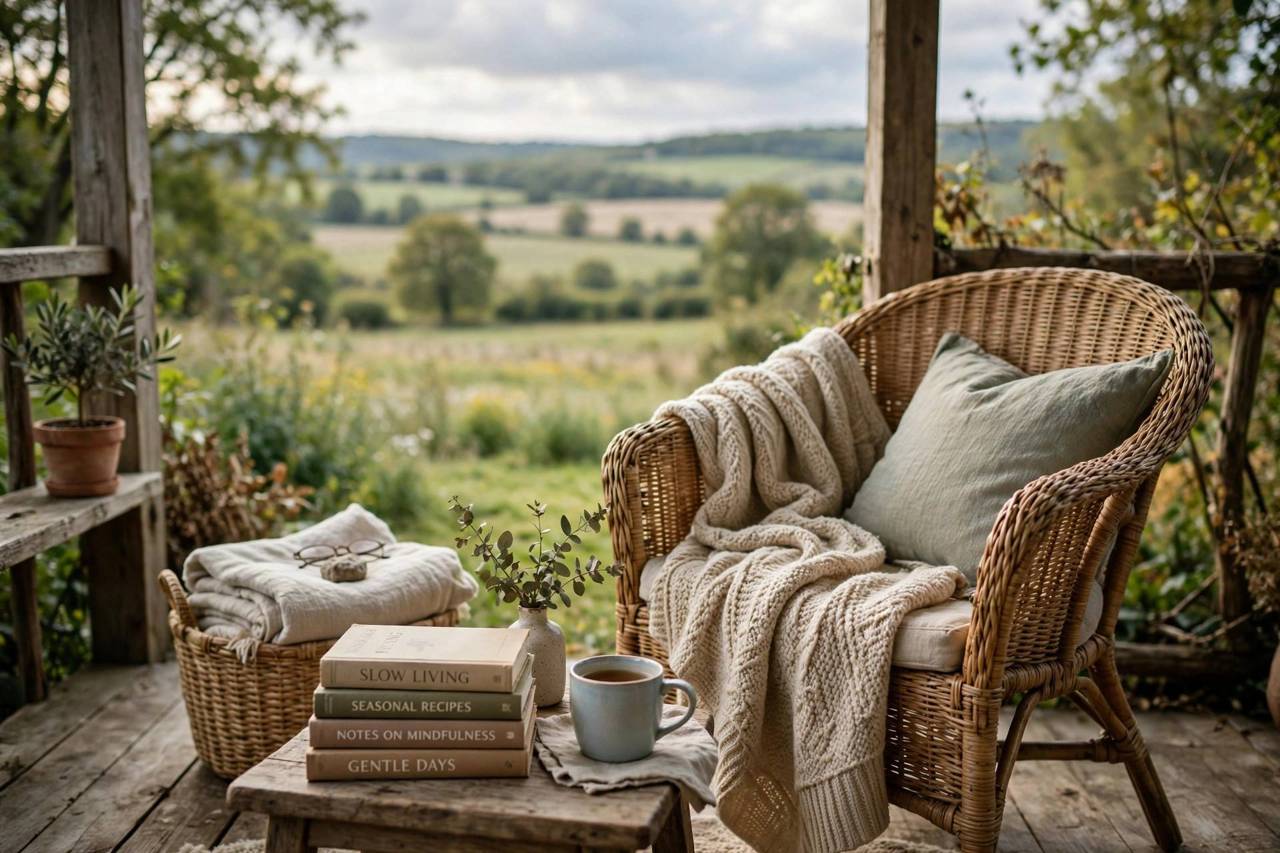
Slow living gets fair criticism, and you should hear it. First, privilege: it’s easier to slow down with savings, a flexible job, and no one depending on your every hour. The movement’s glossy version can feel blind to that. Second, aesthetics: the internet turned a philosophy into a look — linen, ceramics, golden light — and the look can become its own kind of consumption. Third, impracticality: some slowness is genuinely unavailable to people in survival mode, and suggesting otherwise is tone-deaf.
The honest answer: take the principles, skip the performance. You don’t need the linen apron to single-task. And the movement is at its best when it’s a critique of systems — overwork culture, planned obsolescence, attention extraction — not a personal purity test.
Small Ways to Start This Week
Don’t reorganize your life; run five small experiments. One: eat one meal a day without a screen. Two: take a twenty-minute walk with no podcast — just the walk. Three: pick one evening chore you usually rush and do it at half speed, paying attention. Four: put the phone to bed in another room. Five: say no to one thing this week that you’d normally accept out of momentum.
Then notice what changes. Most people report the same thing: the day felt longer, in a good way. Time expands when you’re actually in it. That’s the whole movement in one sentence.
Slow Living and Technology
Slow living isn’t anti-technology; it’s anti-compulsion. The question isn’t whether you use the tools but whether the tools use you. Practical tech boundaries from long-time practitioners: no phones at meals, no feeds before noon, one screen-free day or half-day per week, notifications stripped to the essentials (calls, messages from real humans, nothing else). Some people downgrade to simpler phones; most just get ruthless with settings. The goal is the same either way: technology as a tool you pick up, not a current you swim in.
Slow Living on a Modest Budget
There’s a version of slow living that costs money — the handmade ceramics, the linen everything, the renovated farmhouse kitchen. Ignore it. The actual philosophy is one of the cheapest ways to live, because its core move is wanting less and noticing more. Cooking dried beans instead of ordering takeout, walking instead of driving the short trip, mending instead of replacing, borrowing instead of buying: every one of these is both slower and cheaper.
The budget version also skips the aesthetic pressure entirely. Your slow morning doesn’t need a special journal; the back of an envelope works. Your slow meal doesn’t need artisan ingredients; it needs your attention. In fact, financial constraint and slow living reinforce each other beautifully — when you can’t buy your way out of inconvenience, you get good at the slow skills: cooking from scratch, fixing things, entertaining yourself, finding free pleasures like the library, the park, the long walk.
Where money does matter is time. The honest truth is that some slowness requires margin — the margin to cook instead of grabbing food between shifts, to rest instead of working a second job. If your life currently has no margin, start with the free slownesses that fit inside it: the screen-free meal, the walk, the single-tasking. Small margins grow. People who start with five minutes of deliberate slowness often find themselves rearranging bigger things within a year — not because a blog post told them to, but because they finally noticed what the hurry was costing them.
Frequently Asked Questions
What is the slow living movement in simple terms?
It’s a philosophy that questions the “faster is always better” default and encourages deliberate, attentive living — choosing quality over speed in food, work, home, and time. It grew out of Italy’s Slow Food movement in the 1980s and now covers everything from slow travel to slow mornings.
Is slow living only for people who don’t work full-time?
No. Most slow living practitioners have jobs; the philosophy is about attention and boundaries, not unlimited free time. Sitting down for dinner, single-tasking, protecting one screen-free evening a week — these fit inside a normal working life.
Does slow living mean giving up technology?
Not at all. Slow living is anti-compulsion, not anti-tech. The practice is setting boundaries — no phones at meals, fewer notifications, intentional use — so technology serves you instead of fragmenting your attention all day.
What’s the difference between slow living and minimalism?
They overlap but aim at different things. Minimalism focuses on owning less; slow living focuses on living deliberately. A slow living home might be full of well-loved things — the point is that each was chosen, not that the shelves are empty.
How do I start slow living without quitting my job or moving?
Start with five small experiments: one screen-free meal daily, a short walk without audio, the phone sleeping in another room, one rushed chore done at half speed, and saying no to one momentum-commitment this week. Notice which ones make the day feel longer — in a good way — and keep those.
Is slow living just a privilege for wealthy people?
The glossy version can be, and that’s a fair criticism. But the core principles — presence, intentionality, rest as productive — cost nothing. The movement is healthiest when it’s a critique of overwork and attention extraction rather than a lifestyle aesthetic to buy into.