How Many Innings Are in a Baseball Game? Rules Explained

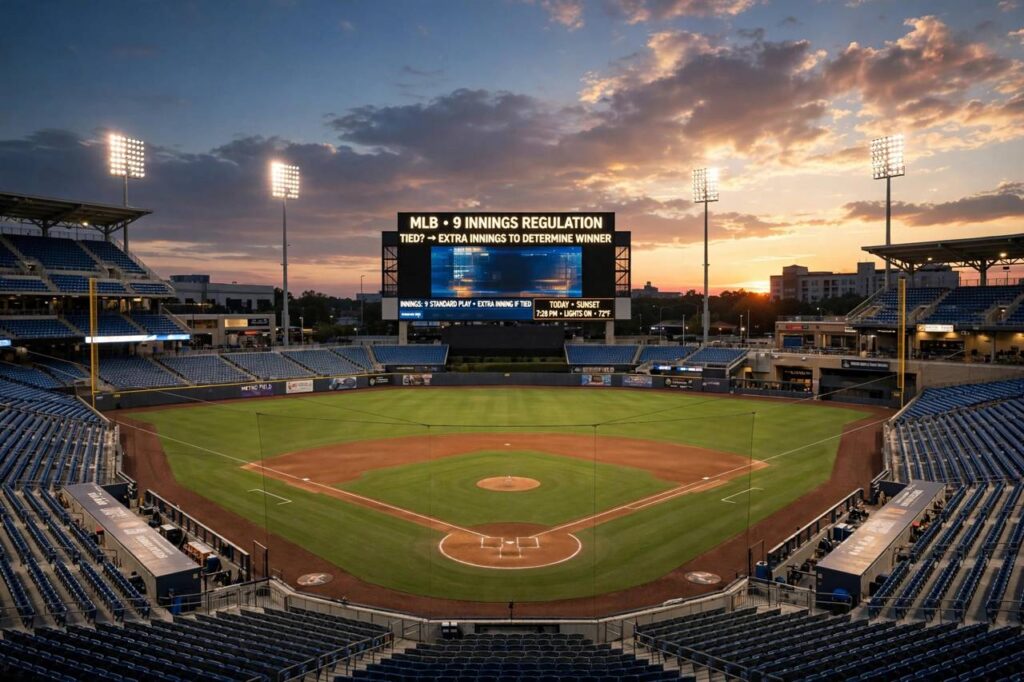
Nine. That is the short answer to how many innings are in a baseball game at the professional level. A standard Major League Baseball game lasts nine innings, with each team batting once per inning. But like most things in baseball, the short answer has interesting exceptions, and the exceptions are where the real understanding lives.
College games, minor leagues, youth leagues, softball, and international play all have their own variations. Extra innings, rain-shortened games, and the seven-inning doubleheader all bend the nine-inning rule. This guide covers the standard, the exceptions, and enough context that you will never be confused by an inning count again.
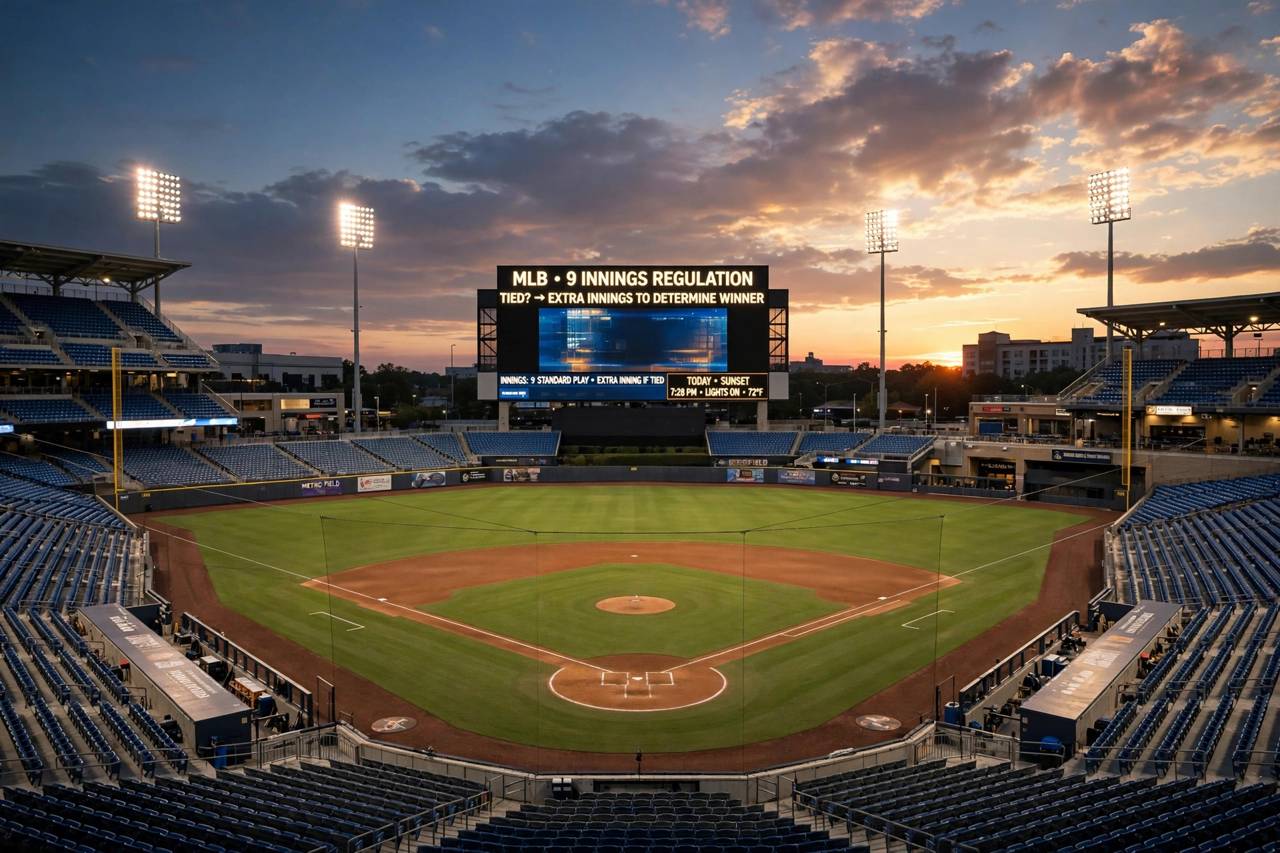
The Standard: Nine Innings in Professional Baseball
In Major League Baseball, games are scheduled for nine innings. Each inning has two halves: the top, where the visiting team bats, and the bottom, where the home team bats. Each half-inning continues until the batting team records three outs. If the home team is leading after the top of the ninth, the bottom half is not played, because the outcome is decided. That is why you will sometimes see a final score with the home team having batted only eight times.
Nine innings has been the standard since the 1850s, when the Knickerbocker Rules set the format. Before that, games were played to a set number of runs, which made for wildly unpredictable game lengths. The nine-inning structure gave baseball its rhythm: long enough for strategy to unfold, short enough to finish in an evening.
A regulation game needs at least five innings, or four and a half if the home team leads, to count as official if it gets cut short. This matters for rain and weather, which we will get to. But the target is always nine.
What Happens in Extra Innings
If the score is tied after nine innings, the game continues into extra innings: the tenth, eleventh, twelfth, and beyond, until someone leads at the end of a full inning. There is no clock in baseball, which is part of its charm and part of its capacity for marathon games. Some contests have stretched past fifteen or even twenty innings.
Since 2020, MLB has used the ghost runner rule in extra innings: each half-inning starts with a runner on second base. The idea is to speed up resolution and protect pitchers’ arms in marathon games. Traditionalists grumbled, but it works. Extra-inning games end faster, and the strategy around bunting that runner over adds a tactical wrinkle.
The longest games in history are the stuff of legend. Minor league games have gone past thirty innings. In the majors, the endurance records belong to games that stretched deep into the night and became stories fans retell for decades. When people talk about a perfect game in baseball, they are talking about nine innings of flawless pitching, which shows how the inning structure frames even the rarest achievements.
Seven-Inning Games and Doubleheaders
Not every level plays nine. Doubleheaders, two games played on the same day, are often scheduled for seven innings each in the minor leagues and were in MLB during the shortened 2020 season. The seven-inning format keeps the total baseball manageable when teams play twice in one day.
High school baseball typically plays seven innings. Little League plays six. Softball is seven innings at most levels. These shorter formats suit younger players’ stamina and tighter schedules. The structure is identical, just fewer innings.
College baseball plays nine innings like the pros, which is one reason it serves as such a good developmental pipeline. The rhythm, the bullpen management, the late-inning strategy: it all translates directly to the professional game.
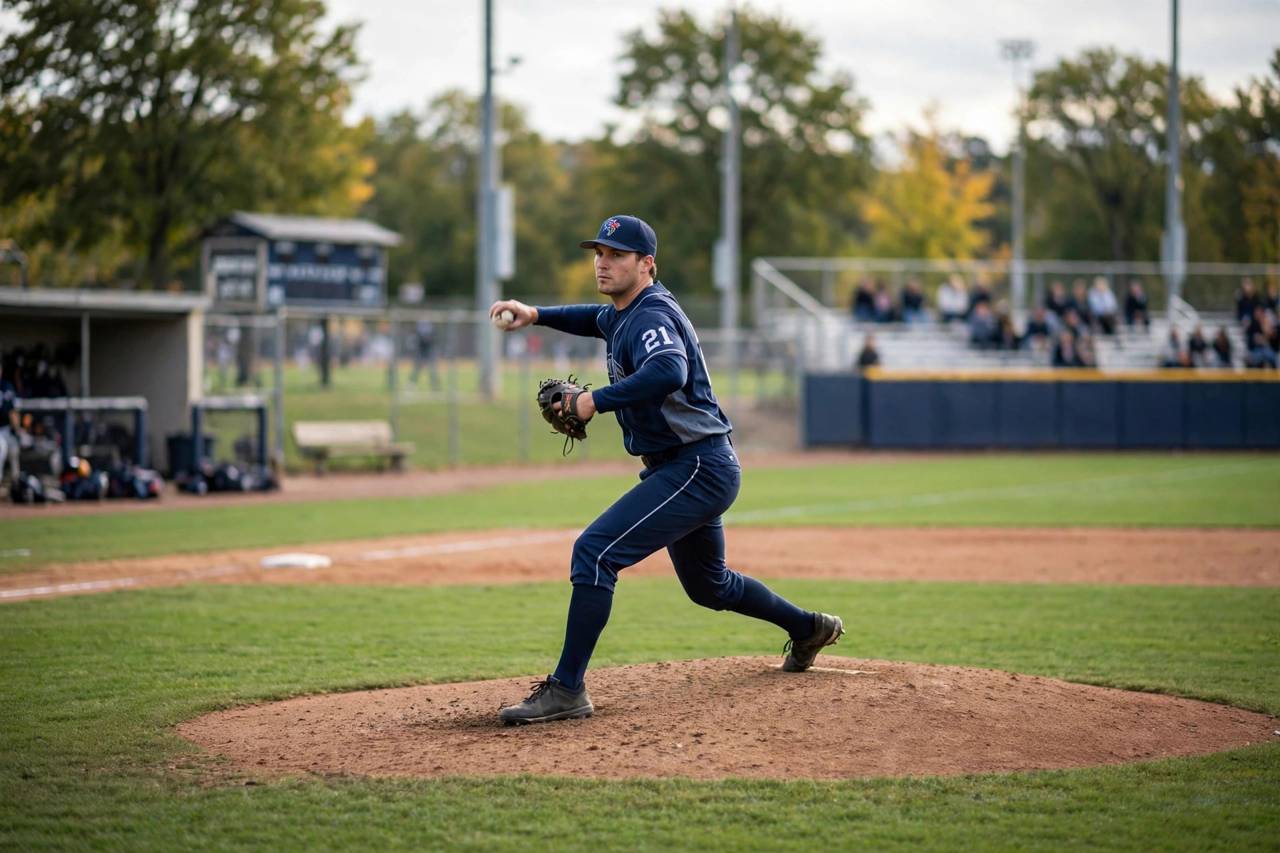
Rain-Shortened and Suspended Games
Weather is baseball’s eternal opponent. If rain stops a game after it becomes official, after five innings, or four and a half with the home team ahead, the score stands and the game counts. The team leading at the stoppage wins. If the game has not reached that point, it is typically restarted from scratch or resumed later, depending on the league’s rules.
MLB also has suspended games, where play halts and resumes another day from the exact point of interruption. These usually happen when weather strikes late in a game that matters for the standings. The resumption picks up mid-inning, with the same count, same runners, same everything.
This is why scoreboards sometimes show games ending after six or seven innings with a final result. The game was official, the weather won, and the books record what happened. Baseball’s rulebook has an answer for everything, including the sky.
How Innings Shape Strategy
The nine-inning structure is not just a container. It shapes every strategic decision in the sport. Managers plan bullpen usage around nine innings. Starting pitchers are evaluated on how deep into games they go. Late-inning specialists exist because the seventh, eighth, and ninth innings have distinct leverage profiles.
Hitters approach at-bats differently depending on the inning. Early innings are for working counts and seeing pitches. Late innings with runners on are where seasons turn. The bottom of the ninth with the game on the line is the most pressurized situation in American sports, and it exists because the inning structure creates it.
Understanding innings also unlocks the postseason. The World Series format is a best-of-seven series of nine-inning games, and the interplay between individual game strategy and series strategy is where baseball gets truly deep. Managers save pitchers, rest stars, and play for tomorrow, all within the nine-inning frame.
Learning the Basics Beyond Innings
Once the inning structure clicks, the rest of baseball opens up. Each half-inning’s three outs, the rhythm of balls and strikes, the chess match between pitcher and hitter: it all sits on the nine-inning foundation. New fans sometimes find baseball slow, but the slowness is strategic depth. Every pitch matters more because there are only twenty-seven outs to work with.
If you are picking up the sport as a player or a fan, learning the physical fundamentals helps too. A guide to hitting a baseball covers the other half of what happens inside those nine innings, and watching a game with the inning structure in mind makes every at-bat more interesting.
How Many Innings Are in a Baseball Game at Every Level
For easy reference, here is how the answer to how many innings are in a baseball game changes by level. Major League Baseball: nine innings, with extra innings as needed and the ghost runner rule since 2020. Minor League Baseball: nine innings, with seven-inning games for doubleheaders. College baseball: nine innings, matching the professional structure.
High school baseball: seven innings in most states. Little League: six innings, with mercy rules that can end games early. Softball: seven innings at nearly every level, from youth through college. International play under World Baseball Softball Confederation rules generally follows the nine-inning professional standard for top-level men’s baseball.
The pattern is consistent: the more advanced the level, the closer to nine innings. Younger players get shorter games suited to their stamina and schedules, and the format grows with them. By the time a player reaches college or the pros, nine innings is simply what baseball is.
How Many Innings Make a Game Official
A related question: how many innings are in a baseball game before the result counts? In MLB, a game becomes official after five innings, or four and a half if the home team is ahead. If weather or other disruptions stop play before that point, the game is not official and is typically replayed or resumed from scratch.
After the game is official, a stoppage ends it with the current score standing, assuming the trailing team has had its chance to bat in the final inning. This is why you will see official final scores from games that ended after six or seven innings. The books record what happened, and both teams live with it.
Suspended games are the exception that proves the rule. When a game matters for the standings and conditions allow, play can halt and resume another day from the exact moment of interruption: same inning, same count, same baserunners. The game still needs its innings. It just gets them across two calendar days.
The next time you watch a game, notice how the inning structure shapes everything you see. The pitching changes in the seventh, the tension of the ninth, the strange electricity of extras: it all flows from the simple framework of nine innings, three outs at a time. Baseball’s rules are old, but once you understand the container, the drama inside it makes perfect sense. Play ball.
Frequently Asked Questions
How many innings are in an MLB game?
Nine innings. Each inning has a top half (visitors bat) and a bottom half (home team bats), with three outs per half-inning. If the home team leads after the top of the ninth, the bottom half is skipped, which is why some final scores show the home team batting only eight times.
What happens if a baseball game is tied after nine innings?
The game goes to extra innings until one team leads at the end of a complete inning. MLB uses a ghost runner on second base to start each extra half-inning, which speeds up the resolution. Without it, tied games could stretch on far longer, as they regularly did before the rule arrived.
Are all baseball games nine innings?
No. High school and softball typically play seven innings, Little League plays six, and doubleheaders are often seven innings per game. MLB and college baseball play nine.
Can a baseball game end early?
Yes. If weather stops play after the game is official (five innings, or four and a half with the home team leading), the leading team wins outright. Games can also end early by mercy rule in youth leagues or if a team cannot continue.
What is the longest baseball game ever played?
The longest professional game went 33 innings in the minor leagues. In the majors, the longest games have stretched beyond 20 innings, sometimes lasting over eight hours across multiple days. The minor-league record of thirty-three innings was played across two days in 1981 and remains one of baseball’s most famous endurance stories.