How Many Players on a Baseball Team? Roster Rules Explained

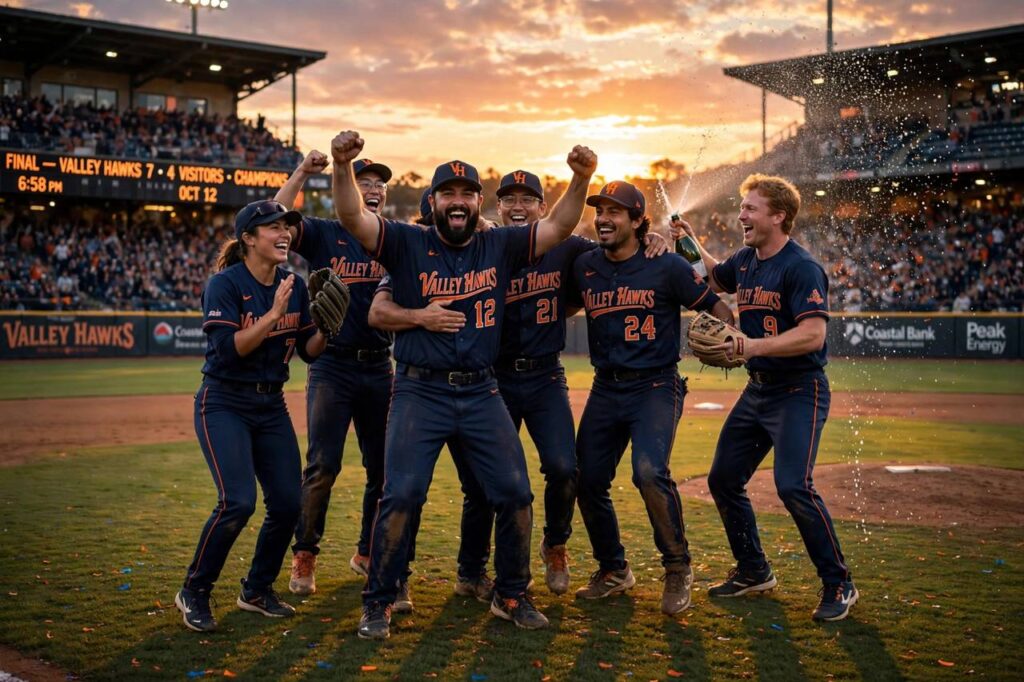
Ask a room full of baseball fans how many players are on a baseball team and you will get three different answers before anyone finishes their hot dog. Nine. Twenty-six. Forty. Here is the fun part: they are all right, just answering different questions. If you have ever watched a game and wondered why the dugout looks packed while only nine guys take the field, this guide clears it all up. We will walk through how many players on a baseball team actually play, how many sit on the roster, and how the numbers change from Little League to the big leagues.
How Many Players on a Baseball Team: The Short Answer
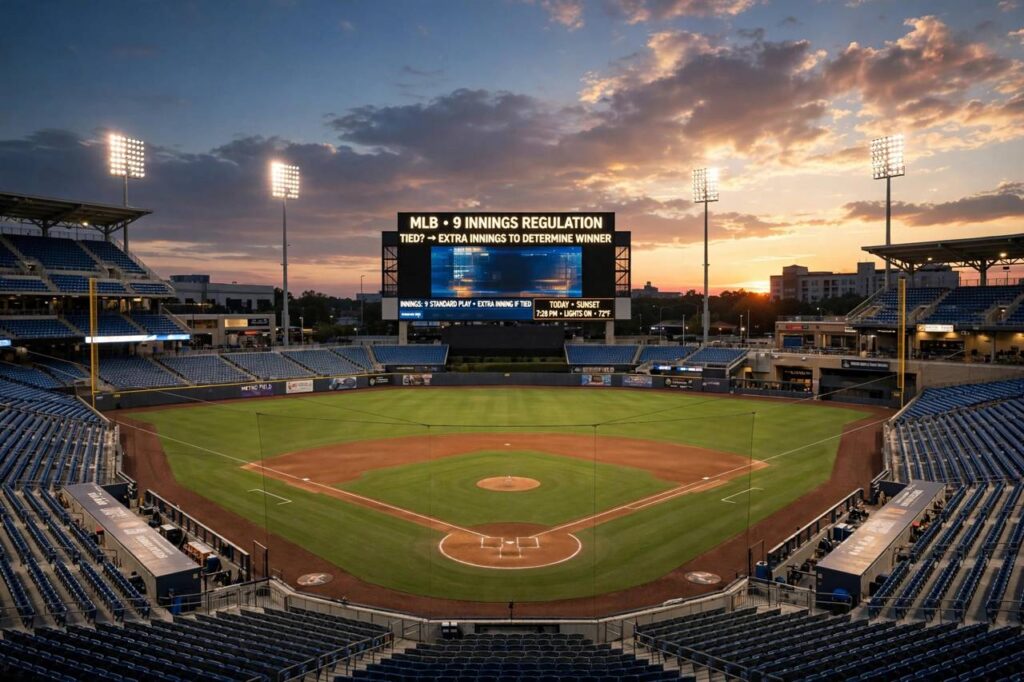
At any moment during a game, a baseball team has exactly nine players on the field on defense: a pitcher, a catcher, four infielders, and three outfielders. That number never changes in regulation play, from youth leagues all the way to Major League Baseball.
But the full answer is bigger. A Major League Baseball team carries a 26-man active roster during the regular season. That means 26 players are eligible to appear in games, with nine on the field and the rest on the bench, in the bullpen, or waiting for their spot in the lineup. On top of that, clubs maintain a 40-man roster that includes minor leaguers protected from other teams.
So when someone asks how many players on a baseball team there are, the honest answer is: nine on the field, 26 active, and 40 under club control. Each number matters for a different reason, and understanding all three is what separates casual viewers from fans who really get the strategy of the sport.
The 9 Defensive Positions, Explained
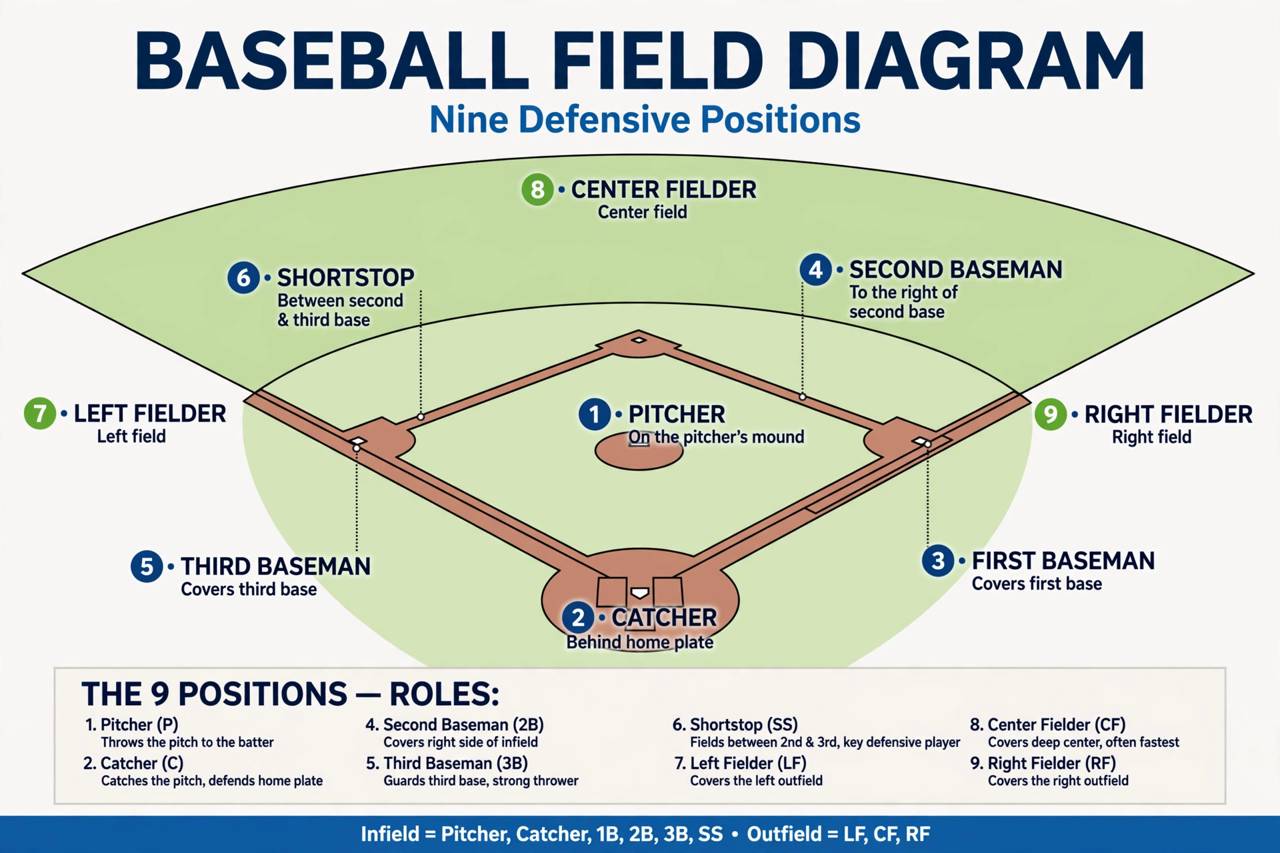
Those nine spots on the field are not interchangeable. Each position has a number (scorekeepers use them for every play), a zone of responsibility, and a totally different skill set. Here is the full rundown:
1. Pitcher. The engine of the defense. Every play starts here, and starting pitchers typically work once every five games while relievers handle shorter bursts. If you want to understand the art behind it, our guide on how to hit a baseball shows the battle from the other side of the plate.
2. Catcher. The field general. Catchers call pitches, manage the running game, and take foul tips off every part of their body. It is the most physically demanding position in the sport.
3. First baseman. The vacuum cleaner of the infield, scooping errant throws. Usually a big power hitter who does not need elite range.
4. Second baseman. Quick feet, quick hands, and the pivot on double plays. Often one of the smaller, scrappier players on the roster.
5. Third baseman. The hot corner. Reaction time matters more than anything here, with line drives screaming at you from 90 feet away.
6. Shortstop. Traditionally the best athlete on the field. Shortstops cover the most ground and anchor the infield defense.
7, 8, 9. Left fielder, center fielder, right fielder. The outfield trio. Center fielders are usually the fastest, covering the gaps on both sides, while corner outfielders tend to bring bigger bats.
One quirk worth knowing: in the American League and now across all of MLB, teams use a designated hitter (DH) who bats in place of the pitcher. The DH does not play defense, so the team still fields nine, but ten different players participate in the game.
The 26-Man Active Roster: Who Sits Where
If only nine play defense, what are the other 17 guys doing? The 26-man active roster is built for a 162-game marathon, and every seat is earned. A typical breakdown looks like this:
Pitchers (13). Modern MLB teams carry 13 pitchers: five starters in the rotation and eight relievers in the bullpen. Pitching is so specialized now that teams need fresh arms every single night.
Position players (13). Nine starters plus four bench players. The bench usually includes a backup catcher, a utility infielder who can play multiple spots, a fourth outfielder, and one more bat or speed specialist for late-game situations.
Roster construction is chess, not checkers. Managers balance left-handed and right-handed hitters, defensive replacements, pinch runners, and injury insurance. A team carrying only 25 healthy players for even a week is at a real disadvantage, which is why September call-ups and injury replacements matter so much.
The 40-Man Roster and the Minor Leagues
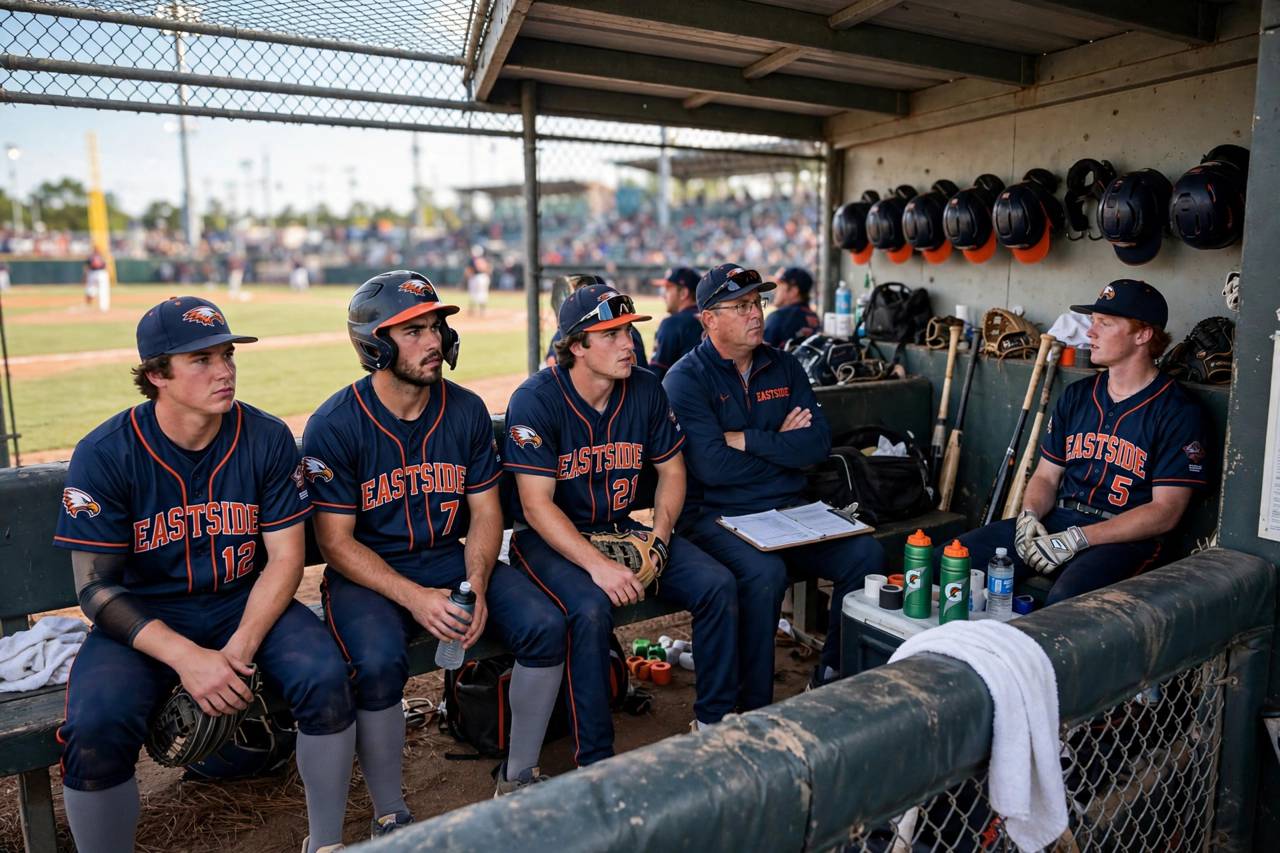
Below the 26 active players sits the 40-man roster, which is essentially the club’s protected talent pool. It includes the 26 active players plus 14 more, usually top prospects in the minor leagues. Being on the 40-man roster protects a player from being drafted away by other clubs in the annual Rule 5 draft.
This is the pipeline you hear about when a hot prospect gets “called up.” The team does not sign someone new; they promote a player already on the 40-man roster to the active 26, and send someone else down or to the injured list to make room. It is a constant churn across a six-month season.
Each MLB club also has several minor league affiliates with their own full rosters, so the total number of players under one organization’s control can exceed 150. But when fans ask how many players on a baseball team there are, they almost always mean the big-league club: 26 active.
Lineup and Substitution Rules
A few rules shape how those 26 players actually get used:
Batting order. Nine players bat in a set order (ten with the DH, though the DH is one of the nine batting slots in the sense that the pitcher does not bat). Once the game starts, the order is locked.
No re-entry. In MLB, once a player is removed from the game, he cannot return. This is why managers agonize over pitching changes and pinch hitters: every substitution is permanent.
Pinch hitters and pinch runners. Bench players enter mid-game to bat for a starter or run for a slow baserunner. The replaced player is done for the night.
Doubleheaders and September. For doubleheaders, teams may add a 27th player. In September, active rosters expand from 26 to 28, giving clubs two extra players for the stretch run.
Postseason. Playoff rosters are set before each series at 26 players, and teams cannot freely swap players between games except for documented injuries. Every roster choice is magnified when there is no tomorrow.
These constraints are a big part of what makes baseball strategy so rich. A manager with a short bench in extra innings is essentially playing poker with two cards showing.
How Many Players on a Baseball Team at Other Levels
The numbers shift as you move down the ladder:
College baseball (NCAA). Teams carry 35-man rosters with a 27-player limit for conference games, and only nine play at a time.
High school. Rosters typically run 15 to 20 players, depending on the program’s size.
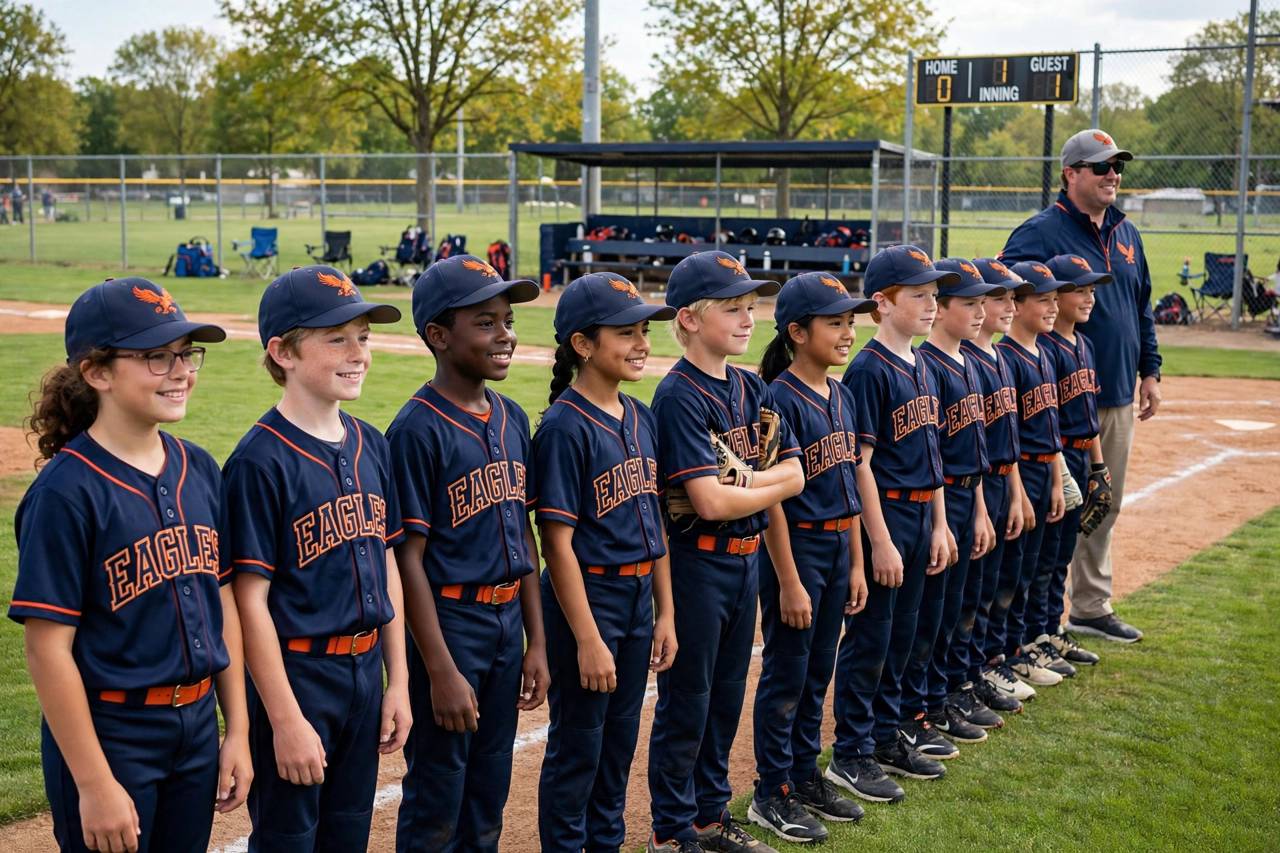
Little League. Teams usually have 12 to 15 players, and league rules require every kid to get playing time. Everyone bats, and defensive rotations keep it fair.
Softball. Fastpitch softball also fields nine (or ten with a designated player), with roster sizes similar to baseball at each level.
No matter the level, the on-field number stays nine. It is one of the constants that makes baseball feel timeless whether you are watching the World Series or a Tuesday night Little League game.
Why the Roster Size Matters to Fans
Understanding how many players on a baseball team there are changes how you watch. When a reliever trots in during the eighth inning, you now know he is one of eight bullpen arms the manager budgeted for the night. When a rookie gets called up in September, you know the roster expanded to 28 just for this moment. And when a team plays a man short after an injury, you can feel the tension of every substitution.
Baseball rewards fans who notice the details. The roster is where the front office’s strategy meets the manager’s gut, and it shapes every game long before the first pitch. For a taste of the rarest thing those rosters can produce, check out our breakdown of the perfect game in baseball and what it takes for 27 straight outs.
Famous Moments When Roster Numbers Made History
Roster math is not just trivia. It has decided championships. In the 2014 postseason, the Kansas City Royals rode a deep, versatile bench and a lockdown bullpen to the World Series, using pinch runners and defensive replacements aggressively because their 25-man roster was built for exactly that style. Every substitution was a bet, and the bets paid off.
On the flip side, short rosters have created heartbreak. Teams that carry an extra pitcher sometimes find themselves out of position players in marathon extra-inning games, forcing pitchers to play the outfield or take at-bats they have no business taking. Fans still talk about the 18-inning playoff games where both dugouts were completely empty by the end, with managers out of moves and utility players pitching.
The September roster expansion has its own lore. Every year, a rookie called up when rosters grow to 28 becomes an unlikely hero, a pinch runner stealing a crucial base or a fresh arm slamming the door in a pennant race. These are the stories that remind you the 26-man limit is not just an administrative rule. It shapes who gets a chance and when.
Even the 40-man roster makes headlines each winter. When the Rule 5 draft approaches, teams must decide which prospects to protect, and those decisions reveal what a front office really thinks about its young talent. A surprise addition to the 40-man is often the first public hint that a prospect is about to break through.
So the next time someone asks how many players on a baseball team there are, you can give them the full picture: nine on the field, 26 active, 40 protected, and a whole organization behind them. And you will understand why each of those numbers has decided real games.
FAQ
How many players on a baseball team are on the field at once?
Nine. One pitcher, one catcher, four infielders, and three outfielders. This is true at every level of baseball, from Little League to Major League Baseball.
How many players are on an MLB roster?
An MLB team has a 26-man active roster during most of the regular season, expanding to 28 in September. Clubs also maintain a 40-man roster that includes protected minor leaguers.
Does the designated hitter count as one of the nine players?
The DH bats in the lineup but does not play defense, so the team still fields nine defenders. Ten different players participate when a DH is used.
Can a substituted player re-enter a baseball game?
Not in MLB. Once a player is removed, he is done for the game. Some youth and amateur leagues allow re-entry under local rules.
How many players travel with an MLB team?
The full 26-man active roster travels, plus coaches, trainers, and support staff. Players on the injured list often travel with the team for treatment and rehab.