How to Clean Stainless Steel Appliances Without Streaks


Stainless steel appliances look fantastic in the showroom and about three days in your actual kitchen. Then come the fingerprints, the smudges, the mysterious streaks — and suddenly your beautiful fridge looks like a crime scene. I’ve been there, and I’ve tried every method out there. Here’s the real deal on how to clean stainless steel appliances so they actually look like stainless steel.
The good news: you don’t need expensive specialty products. The methods that work best use stuff you probably already own. Let’s get that showroom shine back.
Why Stainless Steel Shows Every Mark
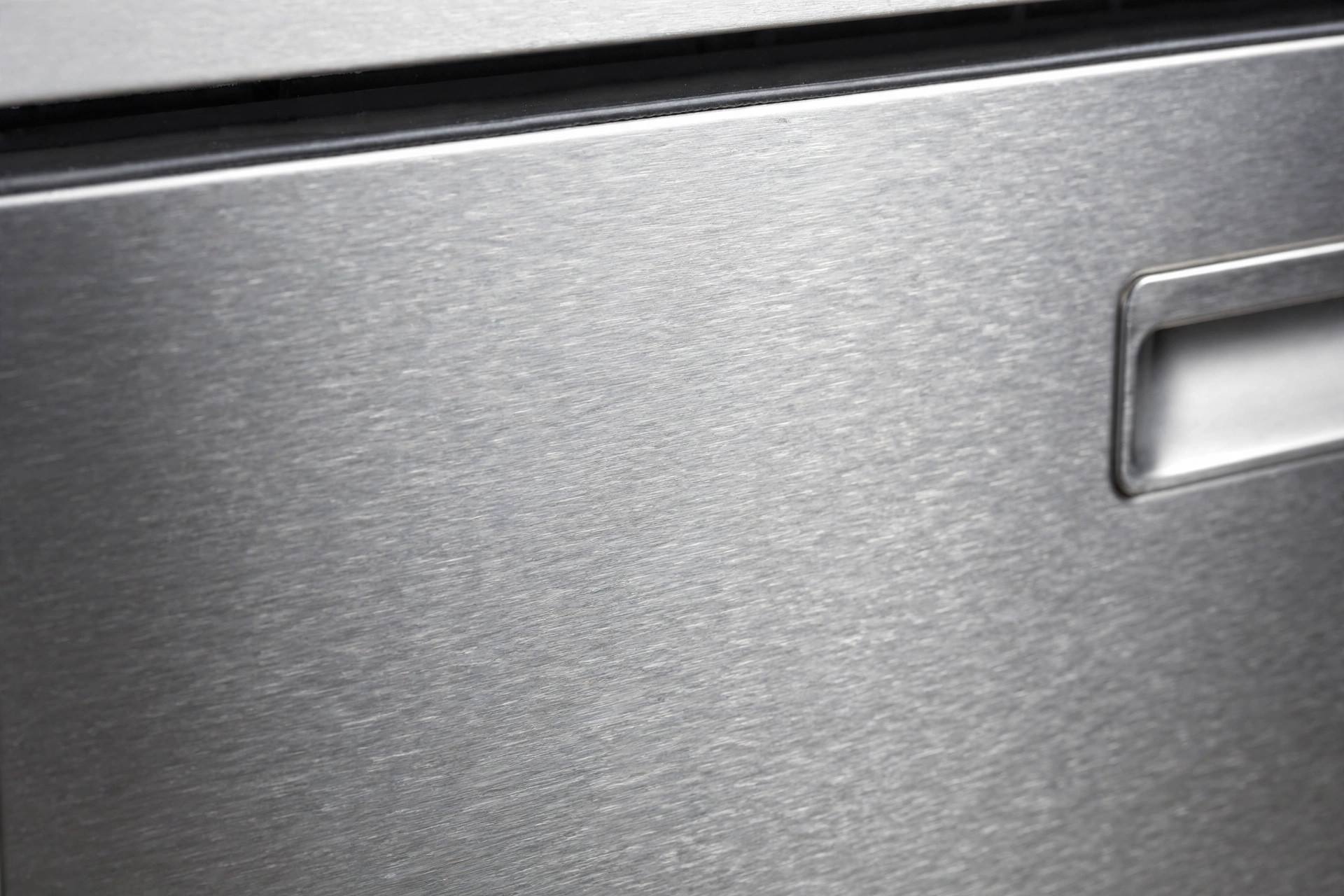
Quick bit of useful knowledge: stainless steel has a “grain” — microscopic lines running in one direction, like wood grain. Cleaning with the grain gives you a streak-free finish; cleaning against it pushes grime into those tiny grooves and leaves streaks. Once you know this, half the battle is won.
The other thing working against you: the protective chromium oxide layer that makes stainless “stainless” is thin. Harsh abrasives and chlorine-based cleaners can damage it, leading to discoloration or even rust spots. So the rules are simple: always wipe with the grain, and never use anything abrasive or bleach-based.
Method 1: Dish Soap and Water (The Daily Driver)
For everyday fingerprints and light smudges, this is all you need:
- Mix warm water with a few drops of dish soap in a bowl or spray bottle.
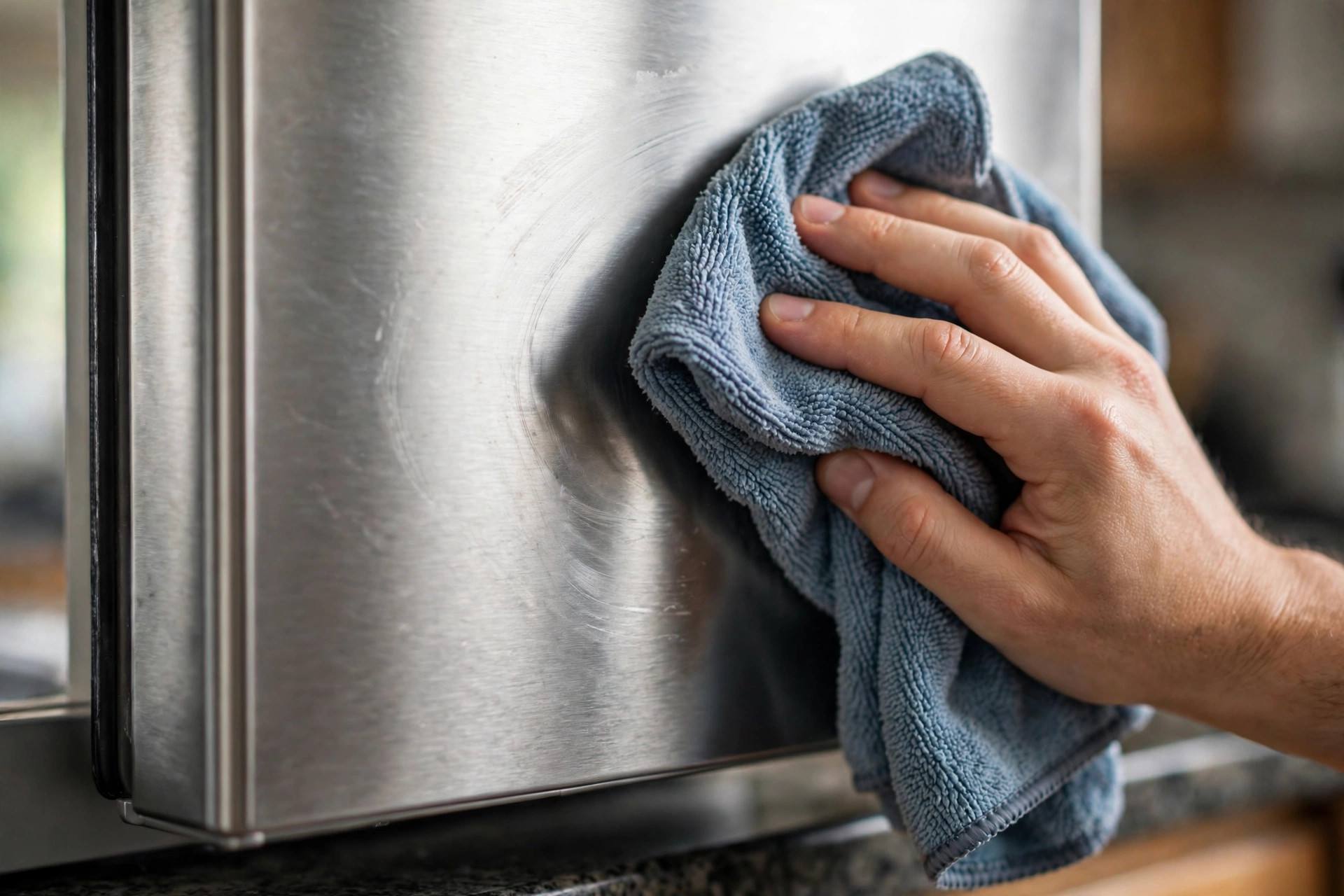
- Dampen a microfiber cloth in the solution and wring it well — you want damp, not dripping.
- Wipe WITH the grain using long, even strokes. Find the grain direction first by looking closely at the surface.
- Rinse the cloth and wipe again with clean water to remove soap residue.
- Dry immediately with a second clean, dry microfiber cloth, still wiping with the grain. This last step is what prevents water spots.
That’s it. For 90% of daily cleaning, soap and water plus a microfiber cloth beats every specialty product on the shelf. The drying step is non-negotiable — air-dried stainless always spots.
Method 2: Vinegar for Grease and Grime
Kitchen appliances collect a film of cooking grease that soap sometimes can’t cut. White vinegar handles it:
- Spray undiluted white vinegar directly onto the surface (or onto your cloth for better control).
- Wipe with the grain using a microfiber cloth.
- Follow with a clean damp cloth to remove vinegar residue, then dry thoroughly.
Vinegar cuts grease beautifully and evaporates clean. One caution: don’t let vinegar sit on stainless for extended periods, and never use it on stainless with a protective clear coating without checking the manufacturer’s guidance first.
Method 3: The Polish Finish (For That Showroom Shine)
After cleaning, a light polish repels future fingerprints and gives that deep, even glow:
- Mineral oil or baby oil: Put a few drops on a microfiber cloth and buff with the grain. This is the old appliance-installer trick — it fills the microscopic grain and makes fingerprints wipe off easily for weeks.
- Olive oil: Works in a pinch the same way, though it can go slightly tacky over time. Fine for a quick shine before guests arrive.
- Commercial stainless polish: Products marketed for stainless steel work well and often include fingerprint resistors. They’re convenient but not magic — the technique matters more than the product.
Whatever you use, apply sparingly. Too much oil leaves a greasy film that attracts dust. A few drops buffed well beats a generous slathering every time.
Tackling Tough Problems
Stubborn stuck-on gunk
For hardened splatters, lay a warm, damp cloth over the spot for 5-10 minutes to soften it, then wipe with the grain. For really stubborn spots, make a paste of baking soda and water, apply gently with the grain, and wipe clean. Baking soda is a mild abrasive — use light pressure and always go with the grain.
Water spots and hard water marks
White vinegar on a cloth, wiped with the grain, dissolves mineral deposits. For heavy buildup, let the vinegar sit for a few minutes (not hours), then wipe and dry. Dry your appliances after every cleaning and you’ll rarely see these.
Rust spots (yes, stainless can rust)
Small rust spots usually come from the protective layer being compromised — often by chlorine cleaners or metal particles. Try a paste of baking soda and water first. For persistent spots, a non-abrasive stainless steel cleaner with oxalic acid (like Bar Keeper’s Friend Soft Cleanser) works well. Rub gently with the grain, rinse thoroughly.
Scratches
Light scratches can sometimes be minimized with a stainless steel scratch-removal kit, working with the grain. Deep scratches are permanent — this is why “no abrasives” is rule number one. Prevention beats repair every time.
How to Clean Stainless Steel Appliances: What NOT to Use
This list matters as much as the methods above:
- Steel wool or abrasive scouring pads. They scratch the surface permanently. No exceptions.
- Bleach or chlorine cleaners. They attack the protective chromium layer and can cause pitting and discoloration.
- Oven cleaner. Far too harsh — it will discolor and damage the finish.
- Tap water left to air-dry. Not a cleaner issue, but mineral deposits from air-drying cause spots. Always towel dry.
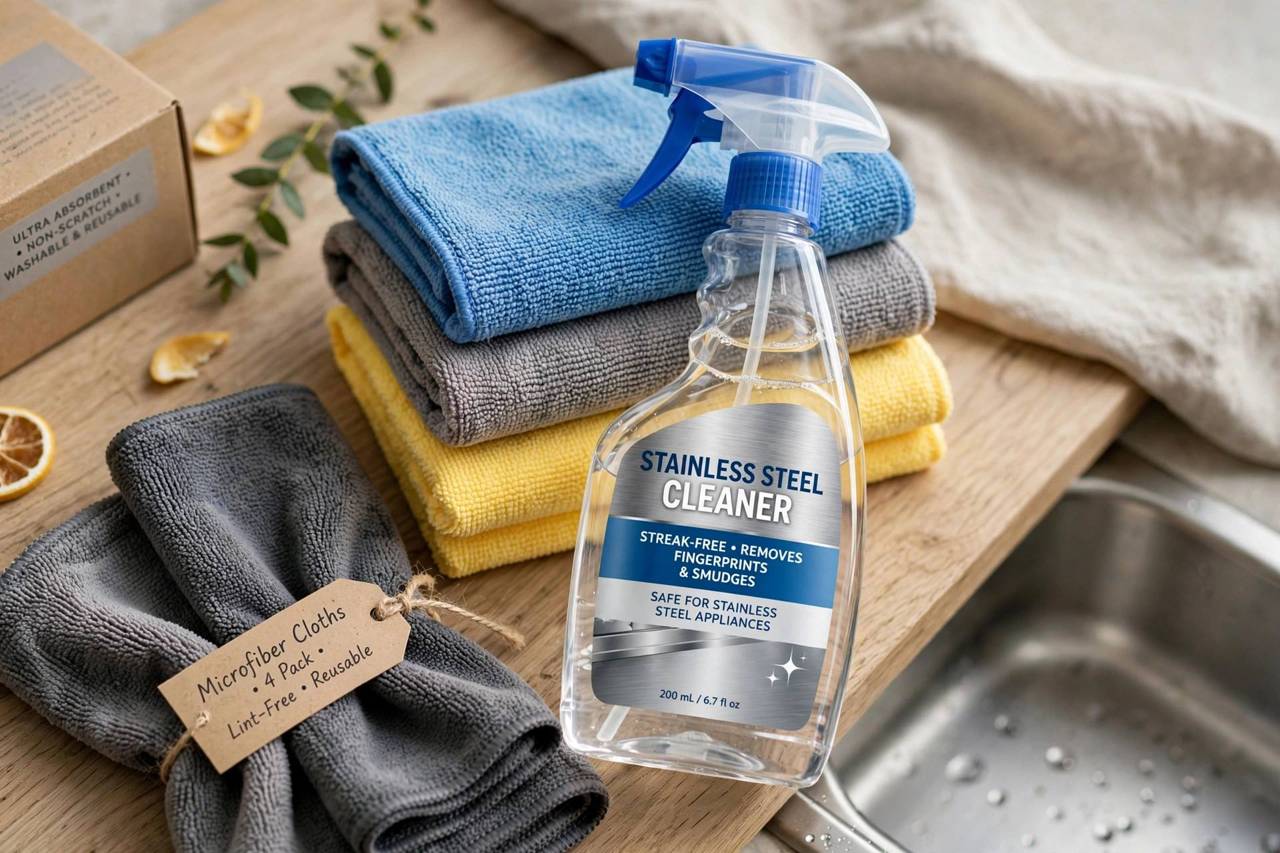
- Paper towels (for polishing). They’re fine for initial wiping but can leave lint during the finishing pass. Microfiber is better for the final buff.
Appliance-by-Appliance Tips
- Refrigerator: The fingerprint magnet. A weekly soap-and-water wipe plus a monthly oil polish keeps it presentable. Clean the handles separately — they collect the most grime.
- Dishwasher: The front panel gets splashed constantly. Wipe spills promptly; dried dishwasher detergent is stubborn. Don’t forget the top edge of the door, which collects gunk out of sight.
- Oven/range: Grease central. Vinegar is your friend here. For the area around burners, soften baked-on spots with a warm damp cloth before wiping. Never spray cleaner directly onto hot surfaces.
- Microwave exterior: Usually the easiest — light fingerprints, quick wipe. Don’t use harsh chemicals near the door seals.
- Small appliances (toasters, kettles): Unplug first, obviously. These often have a clear-coat finish — check the manual before using vinegar or oil on them.
Keep It Looking Good: The Maintenance Routine
Here’s the schedule that keeps stainless looking new with minimal effort:
- Daily: Quick wipe of the fridge handles and any fresh fingerprints with a dry microfiber cloth. Ten seconds.
- Weekly: Soap-and-water clean of all appliance fronts, with the grain, dried immediately.
- Monthly: Deep clean with vinegar for grease, followed by a light oil polish for protection.
- As needed: Spot-treat water marks, stuck-on food, or rust spots before they become projects.
Keep a dedicated microfiber cloth in the kitchen just for stainless — once you use a cloth on something greasy or gritty, retire it from stainless duty. A clean cloth is half the technique.
Do this consistently and your appliances will look better at year five than most look at year one. The showroom shine isn’t a one-time achievement — it’s a habit.
Removing Stickers, Labels, and Adhesive Residue
New appliances come plastered with stickers, energy labels, and protective film — and the adhesive they leave behind is uniquely stubborn. Here’s the removal sequence that works:
- Peel slowly. Warm the sticker with a hair dryer for 30-60 seconds first; heat softens adhesive dramatically. Peel back at a low angle, slowly.
- Roll off residue with your fingers. Fresh adhesive often balls up and rolls away with gentle finger pressure. Try this before any chemicals.
- Oil dissolves oil. Apply a few drops of mineral oil, baby oil, or even cooking oil to the residue, let it sit for 10-15 minutes, then wipe with the grain. Adhesive is oil-soluble — this works better than scrubbing.
- Finish with soap and water. Remove the oil film with a soapy wipe, then dry and polish as usual.
What NOT to do: don’t scrape with a razor blade or metal scraper (scratches are forever), and don’t reach for harsh solvents like acetone without checking the manual — they can damage protective coatings on some finishes.
Know Your Finish: Not All “Stainless” Is Equal
Before you clean, know what you’re cleaning — manufacturers use several finishes, and they behave differently:
- Traditional brushed stainless: The classic. Has a visible grain, shows fingerprints readily, responds well to all the methods in this guide.
- Black stainless: A dark oxide coating over stainless. Looks sleek, shows fewer fingerprints, but the coating can scratch — be extra gentle, avoid abrasives entirely, and skip the baking soda paste.
- Fingerprint-resistant stainless: Has a factory-applied clear coating that repels oils. Easier to maintain day-to-day, but check the manual before using vinegar or oil — some coatings don’t like them. Soap and water is always safe.
- Smudge-proof finishes: Similar to fingerprint-resistant; marketed under various brand names. Same rule: gentle cleaning, manufacturer-approved products only for anything beyond soap and water.
When in doubt, the gentlest method that works is the right method. You can always escalate; you can’t un-scratch.
FAQ
How to clean stainless steel appliances without streaks?
Always wipe WITH the grain using a microfiber cloth, and dry the surface immediately after cleaning — air-drying causes water spots. Use minimal product (soap and water is enough for most cleaning), and finish with a light buff of mineral oil for a streak-resistant shine.
Can I use Windex on stainless steel appliances?
It’s not ideal. Glass cleaners can leave streaks on stainless and some contain ammonia, which isn’t great for the finish long-term. Dish soap and water or white vinegar work better and are cheaper. If you must use a spray cleaner, choose one specifically formulated for stainless steel.
How do you remove fingerprints from stainless steel?
A dry microfiber cloth removes fresh fingerprints in seconds. For stubborn ones, dampen the cloth with a little soapy water, wipe with the grain, then dry immediately. A monthly light polish with mineral oil makes fingerprints wipe off much more easily.
Does vinegar damage stainless steel?
White vinegar is safe for brief contact — spray, wipe, rinse, dry. Don’t let it sit for extended periods, and avoid it on stainless with a clear-coat protective finish unless the manufacturer approves. When used correctly, it’s one of the best grease-cutting options available.
Why is my stainless steel rusting?
Stainless steel resists rust but isn’t immune. Rust spots usually result from damage to the protective chromium layer — often from chlorine/bleach cleaners, abrasive scrubbing, or prolonged contact with regular steel (like a steel wool fragment left on the surface). Clean off the rust gently, avoid the cause, and the protection restores itself through exposure to air.
Keep Reading
- How to Clean Grout Between Tiles (And Keep It Clean)
- How to Clean iPhone Charging Port Safely (Without Breaking Anything)
- How to Clean Car Battery Terminals (Safely, in 20 Minutes)