What Is a Wedding Rehearsal Dinner? The Complete Guide

Amid the whirlwind of wedding planning, there is one event that is quietly the most meaningful: the rehearsal dinner. It is the evening before the big day when the wedding party gathers, the nerves soften, and the celebration truly begins. But if you are new to all this, you may be wondering: what is a wedding rehearsal dinner, exactly? who comes, who pays, and how to plan one that feels special without adding stress. Consider this your complete, calming guide.
What Is a Wedding Rehearsal Dinner?
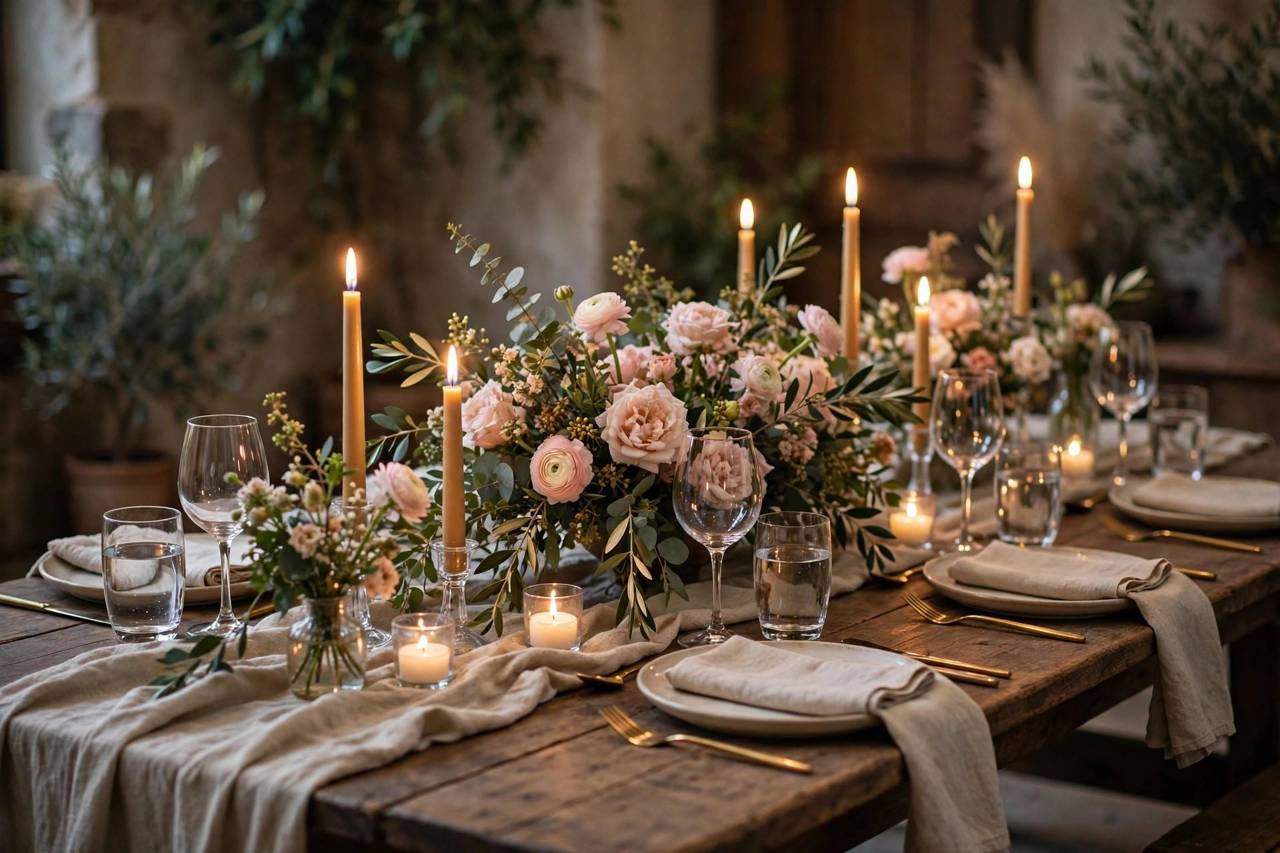
A wedding rehearsal dinner is a pre-wedding gathering, traditionally held the evening before the wedding, following the ceremony rehearsal. Its original purpose was practical: after walking through the ceremony, the wedding party shares a meal together. Over time, it has evolved into a cherished event in its own right: an intimate, relaxed counterpoint to the formality of the wedding day.
Think of it as the wedding’s warm-up act. The guest list is small, the atmosphere is personal, and it is often where the most heartfelt toasts happen. Many couples say the rehearsal dinner was their favorite part of the entire weekend, precisely because it is slower, smaller, and full of the people they love most.
The Purpose: More Than Just a Meal
The rehearsal dinner serves several beautiful purposes. It calms nerves. Gathering your closest people the night before transforms anxiety into excitement. It honors your VIPs. The wedding party and family members who have supported you get dedicated time and thanks. It handles logistics gracefully. Final instructions, timelines, and roles can be shared in person rather than in a chaotic group text. It creates intimacy. On the wedding day itself, you will barely get five minutes with anyone. The rehearsal dinner is where real conversations happen.
It is also traditionally when gifts are presented to the wedding party, parents, and each other, moments that deserve a quieter setting than the reception dance floor.
Who to Invite to the Rehearsal Dinner
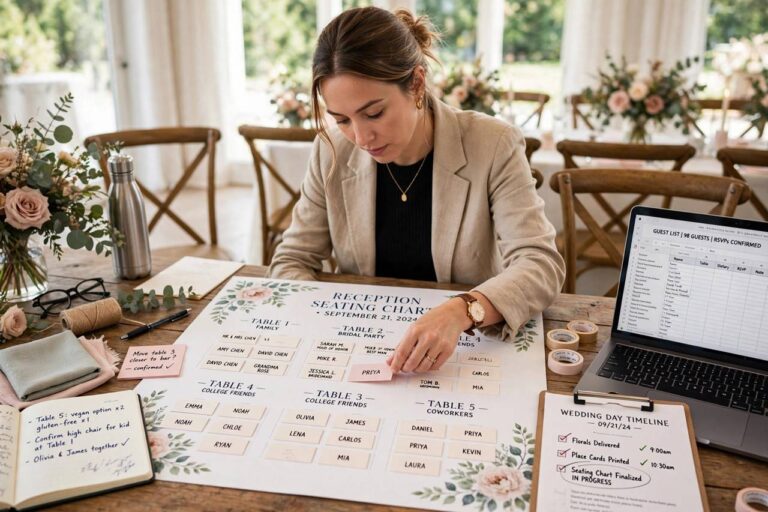
The essential guest list: the couple, the wedding party (bridesmaids, groomsmen, flower girls and ring bearers with parents), immediate family of both sides, the officiant and their partner, and readers or special participants in the ceremony. Out-of-town guests are often included as a gracious gesture, since they have traveled far.
Beyond that, it is your call. Some couples keep it to 20 people; others invite 50 including extended family and close friends. The guiding principle: invite the people you want to actually talk to. If the list grows so large it needs a seating chart and a microphone, it has become a second reception. Intimate is the point.
A note on plus-ones: wedding party members’ partners are generally included. For a truly small dinner, it is acceptable to limit plus-ones, but communicate warmly and early.
Who Hosts and Who Pays?
Traditionally, the groom’s family hosts and pays for the rehearsal dinner. This custom dates to when the bride’s family bore most wedding costs; the rehearsal dinner was the groom’s family’s signature contribution. Today, many couples host and pay themselves, or families split it. There is no rule requiring tradition here, only the principle that whoever hosts gets input on the venue and style.
Budget-wise, rehearsal dinners typically cost a fraction of the wedding: a lovely restaurant dinner for 30 often runs $1,500 to $5,000 depending on your city. Backyard barbecues, family-style restaurant buyouts, and beloved local spots all make wonderful, affordable rehearsal dinners. The warmth matters more than the price tag.
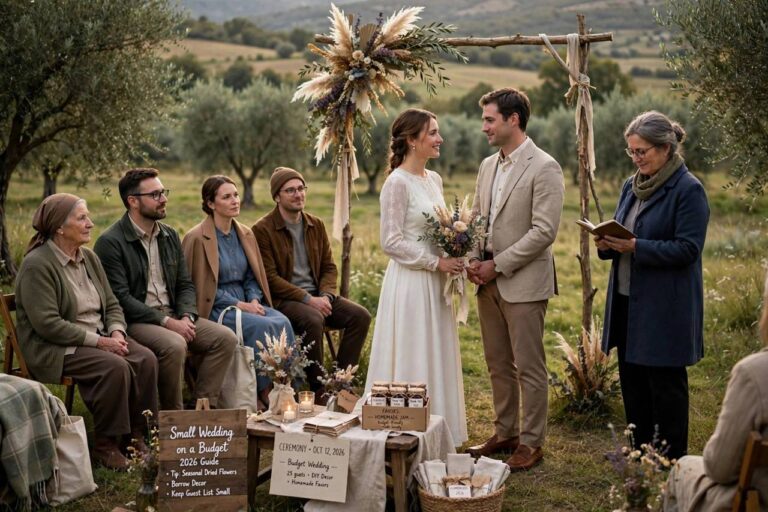
For the full picture of wedding expenses, see our guide on how to plan a wedding on a small budget, which puts the rehearsal dinner in context with every other cost.
Planning Your Rehearsal Dinner: Step by Step
Step 1: Set the date and time. Traditionally the evening before the wedding, after the rehearsal. Allow the rehearsal to run 30-45 minutes, then transition to dinner. End by 9 or 10 PM; everyone needs sleep before the big day.
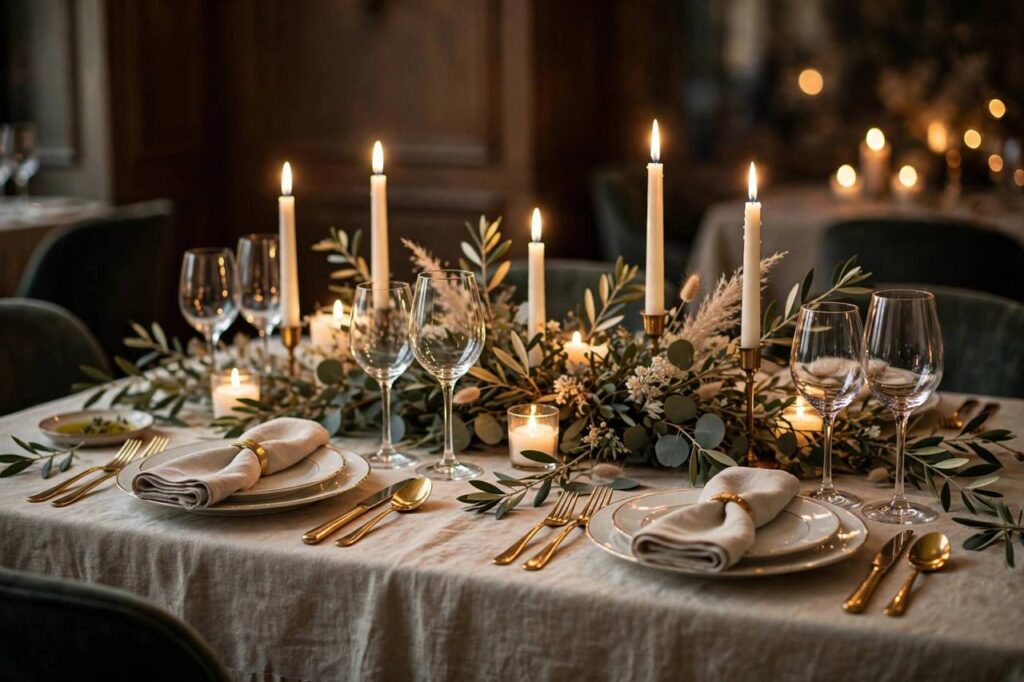
Step 2: Choose the venue. A private room in a favorite restaurant is the classic choice: no cooking, no cleanup, built-in ambiance. Alternatives: a family home, a brewery, a rooftop, a park pavilion. Match the vibe to your style, not your wedding’s formality. Casual wedding, dressy dinner, or vice versa, contrast is charming.
Step 3: Send invitations. Formal invitations are not required; elegant digital invites or even a well-crafted email 6-8 weeks ahead works. Include time, location, dress code, and who is invited.
Step 4: Plan the flow. Welcome and seating, toasts (keep a loose order so everyone who wants to speak gets a turn), gift-giving, and any special traditions. Share the timeline with the wedding party so the morning runs smoothly.
Step 5: Prepare toasts and thanks. The couple typically toasts their wedding party and families. Keep notes on your phone; emotion makes memorization unreliable. This is the moment for the heartfelt words that would make you cry too hard at the ceremony.
Rehearsal Dinner Ideas and Themes
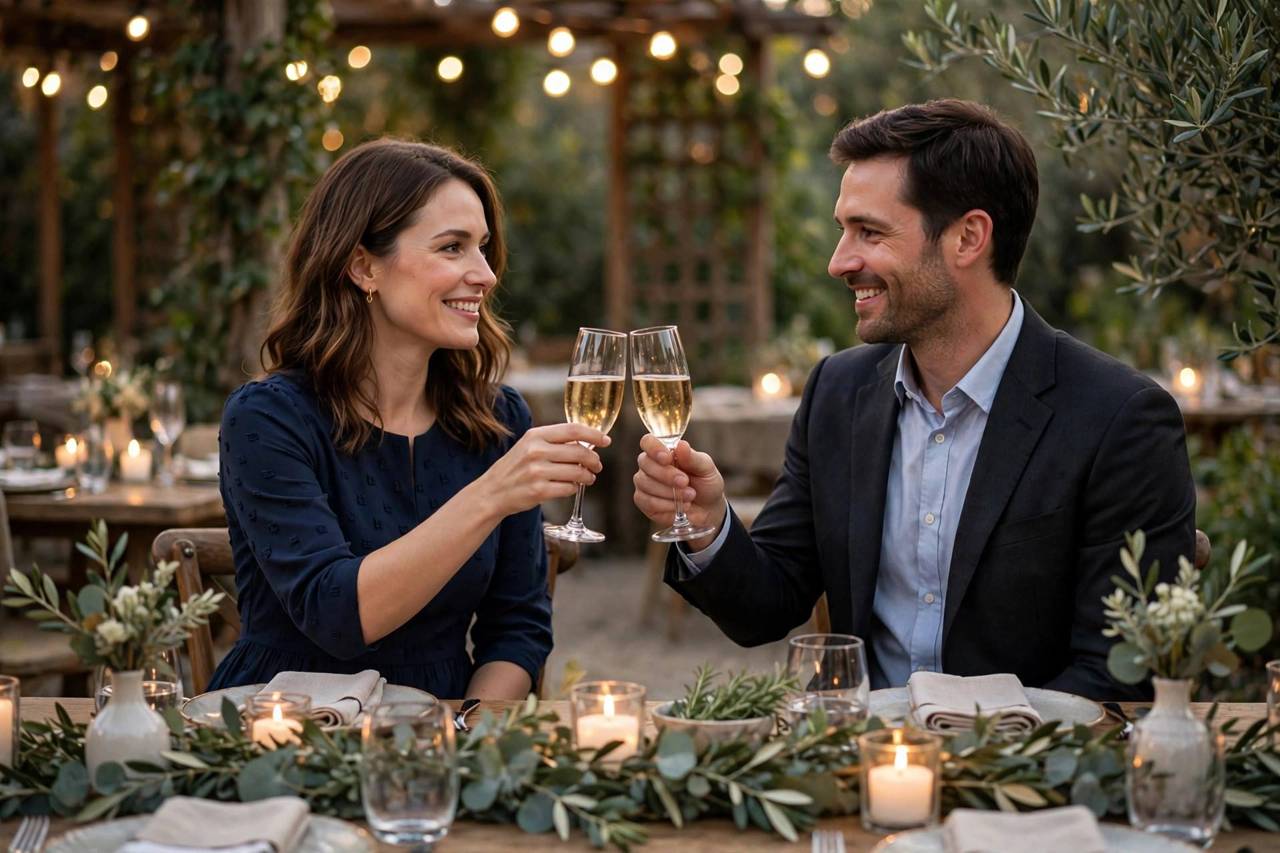
Make it personal. The favorite restaurant: where you had your first date, now hosting your last dinner as an unmarried couple. Cultural theme: honor family heritage with traditional cuisine and music. Backyard celebration: string lights, family-style barbecue, barefoot elegance. Brewery or winery: relaxed, convivial, naturally fun. Brunch rehearsal: for morning weddings, a rehearsal brunch the day before is delightful and gets everyone to bed early.
Personal touches elevate any venue: a slideshow of the couple’s story, handwritten notes at each place setting, a signature cocktail named for an inside joke. These details cost little and mean everything.
Coordinate the dinner with your overall timeline using our step-by-step wedding planning guide so the rehearsal evening flows seamlessly into the wedding day.
Toasts, Gifts, and Traditions
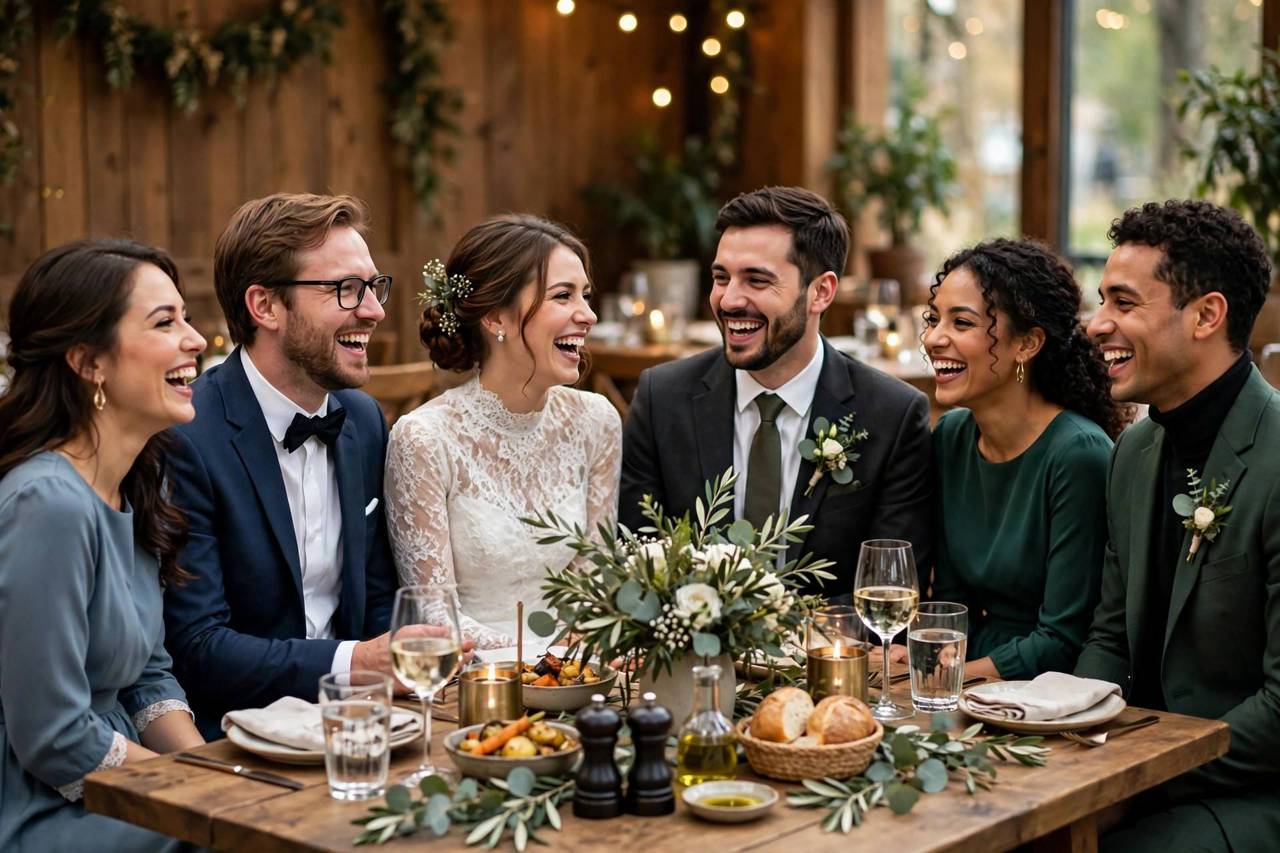
Toasts: traditionally, the host welcomes everyone, the couple thanks their people, and wedding party members share memories. Keep toasts to 2-3 minutes each; heartfelt and brief beats rambling every time. Designate someone to gently keep things moving.
Gifts: present wedding party gifts at the dinner, with a few sincere words about each person. Parents’ gifts are often exchanged here too, privately or publicly as you prefer.
Traditions to consider: a group photo of the full wedding party (often better than any wedding-day shot), a moment of gratitude led by the couple, or a fun ritual like a champagne toast to absent loved ones. If your wedding party is large, our wedding day emergency kit checklist is worth reviewing at the dinner so everyone knows the plan.
Modern Alternatives to the Traditional Dinner
Not every couple wants a formal sit-down dinner, and that is perfectly fine. Lovely alternatives include: a welcome party with cocktails and appetizers for all out-of-town guests; a rehearsal brunch or lunch earlier in the day; a casual pizza night at a family home (some of the most beloved rehearsal dinners are the simplest); or separate family dinners when blending families calls for smaller, calmer gatherings.
The form matters less than the function: gathering your dearest people, calming nerves, and beginning the celebration with intention. Choose the shape that fits your families and your energy.
Rehearsal Dinner Etiquette Tips
End early. The night before the wedding is not the night for a late party. 9-10 PM wrap-up respects everyone’s rest. Mind the toasts: keep them kind, especially regarding exes and embarrassing stories. Include the officiant: they are part of the ceremony team; invite them and their partner. Thank vendors present: if your planner or photographer attends, acknowledge them. Keep phones present but secondary: designate someone for photos so everyone else can be present.
Sample Rehearsal Dinner Timeline
Here is how a classic rehearsal dinner evening flows. 4:30 PM: wedding party gathers at the ceremony venue for the rehearsal. 5:00-5:45 PM: walk through the ceremony: processional order, readings, vows, recessional. Keep it efficient and lighthearted. 6:00 PM: transition to the dinner venue; allow travel time. 6:30 PM: guests seated, host welcomes everyone, first toast. 6:45-8:00 PM: dinner served; toasts interspersed between courses so no one speaks on an empty stomach or a full one exclusively. 8:00-8:30 PM: gift-giving to the wedding party and parents, with heartfelt words. 8:30-9:00 PM: final logistics: tomorrow’s timeline, meeting times, contact numbers. 9:00 PM: warm goodbyes; everyone heads to rest.
Adjust times to your schedule, but protect two things: the buffer between rehearsal and dinner (rushing ruins the mood), and the early end time. A rehearsal dinner that ends at 9 with everyone glowing beats one that drags past 11 with everyone drained. Tomorrow is the main event; tonight is the deep breath before it.
Above all, let the rehearsal dinner be what it is meant to be: a deep breath of gratitude before the beautiful chaos of the wedding day. Plan it with love, keep it intimate, end it early, and savor every toast. Years from now, when the wedding day itself is a joyful blur, the rehearsal dinner will be the evening you remember in perfect detail.
Key Takeaways
A wedding rehearsal dinner is the intimate gathering, usually the evening before the wedding, where the wedding party and close family share a meal after the ceremony rehearsal. Traditionally hosted by the groom’s family, today it is hosted by whoever wishes. Keep the guest list intimate, end the evening by 10 PM, use it for heartfelt toasts and gift-giving, and let it be the calm, personal heart of your wedding weekend. Often, it becomes everyone’s favorite memory.
FAQ
What is a wedding rehearsal dinner?
A pre-wedding gathering, usually the evening before the wedding, where the wedding party, close family, and officiant share a meal after rehearsing the ceremony. It is an intimate, relaxed celebration before the big day.
Who pays for the rehearsal dinner?
Traditionally the groom’s family hosts and pays. Modern couples often host it themselves or split costs between families. Whoever hosts typically chooses the venue and style.
Who should be invited to the rehearsal dinner?
The couple, wedding party, immediate family, officiant (plus partner), and ceremony participants. Out-of-town guests are often included. Keep it intimate; 20-50 guests is typical.
How much does a rehearsal dinner cost?
Typically $1,500-$5,000 for a restaurant dinner for 30, varying by city. Backyard gatherings and casual venues can cost far less. It is usually a fraction of the wedding budget.
Do you need a rehearsal dinner for a small wedding?
Not necessarily, but even small weddings benefit from gathering key people the night before. A casual dinner, welcome drinks, or brunch all serve the same purpose: calming nerves and honoring your closest supporters.