What Is the Best Month to Get Married? Season-by-Season

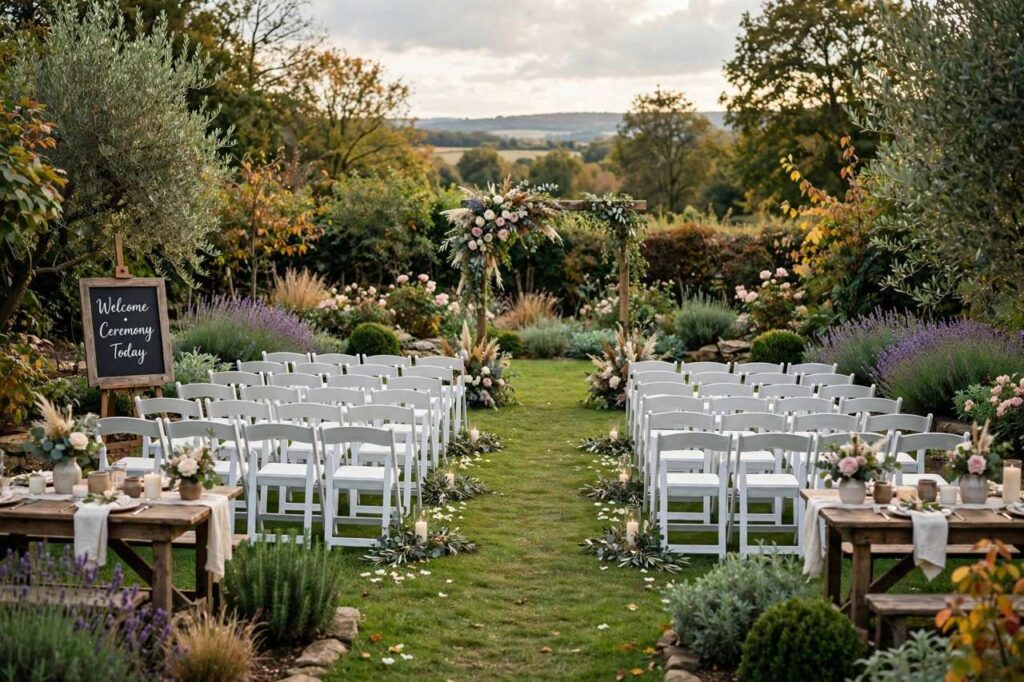
Every couple asks it sooner or later: what is the best month to get married? The honest answer is that there is no single winner — but there is almost certainly a best month for you, and finding it means weighing weather, prices, venue availability, and the kind of atmosphere you want. June and September top the popularity charts for good reason, yet some of my favorite weddings have happened in the “off” months, when venues cost less, vendors have open calendars, and the light does something magical. After years of planning weddings in every season, I have learned that the right month is a decision, not a default. Here is how each season really behaves, what each month costs you in practical terms, and how to choose with confidence.
The Short Answer: September and October Lead the Pack
If you want the safest bet, it is early fall. September and October combine the best weather odds in most of the country with the romance of changing seasons — warm enough for outdoor ceremonies, cool enough that nobody is melting in formal wear. October has actually overtaken June as the most popular wedding month in recent years, driven by couples chasing golden-hour light, autumn color, and comfortable temperatures. June remains the classic choice: long daylight hours, blooming gardens, and that timeless “June bride” glow. But popularity has a price. Peak months mean peak pricing, venues booked a year or more out, and vendors juggling multiple weddings per weekend. If your heart is set on September or October, start your venue search twelve to eighteen months ahead, and build that timeline into your wedding planning checklist from day one. The couples who thrive in peak season are the ones who plan early enough that availability is a choice, not a scramble.
Spring Weddings: March Through May
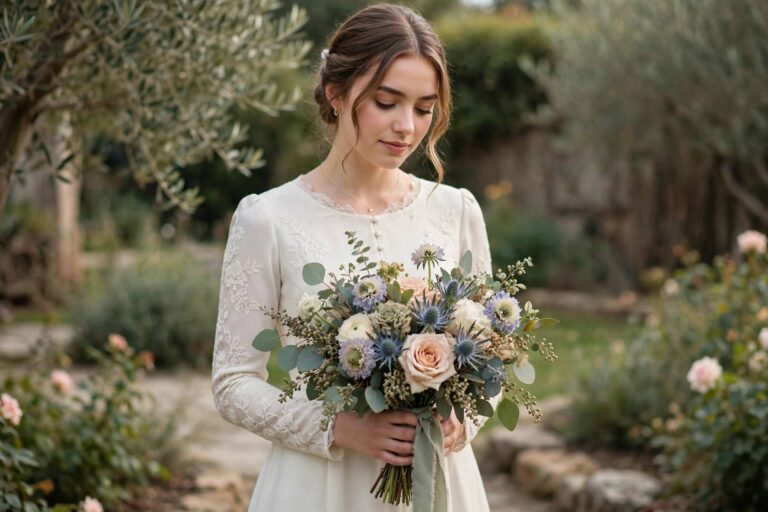
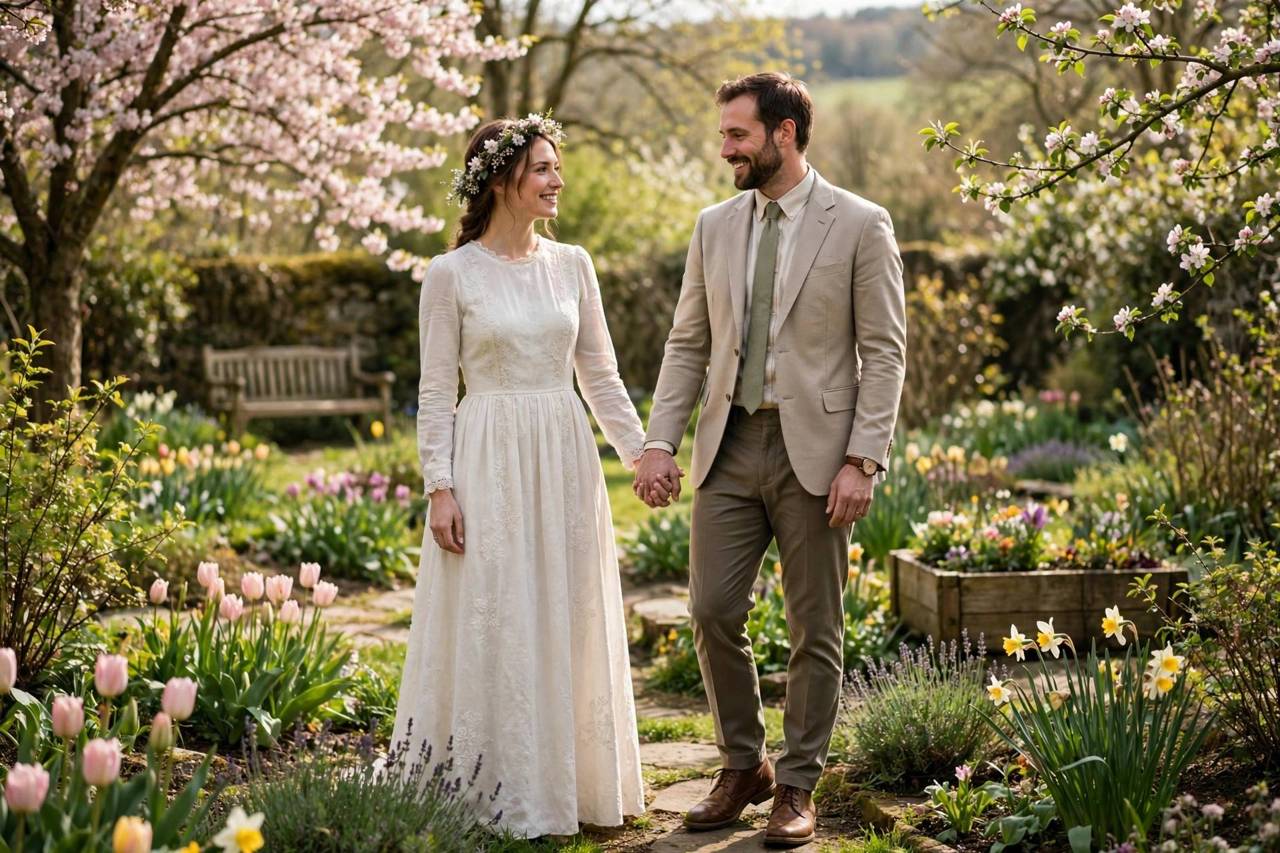
Spring is the season of optimism — everything blooming, daylight stretching, venues shaking off winter. May is the sweet spot: reliably pleasant weather in most regions, flowers at their peak, and pricing that has not yet hit summer highs. Late April works beautifully in warmer climates, though northern couples should keep a rain plan sacred — April showers are not just a saying. March is the budget play within spring: venues are hungry for bookings, vendors offer shoulder-season rates, and you can get a Saturday that would be long gone in June. The trade-offs are real, though. Spring weather is the most unpredictable of any season; a gorgeous 70-degree Saturday can sit right next to a 45-degree downpour. Book venues with strong indoor backup options, not tents-as-afterthoughts. Florals are spring’s superpower — peonies, lilacs, tulips, and cherry blossoms give you a lush look for less, since you are buying in season. And if you are working with a compressed timeline, spring rewards speed: a six-month planning timeline fits March through May nicely because vendor calendars still have breathing room.
Summer Weddings: June Through August
Summer is wedding season in the cultural imagination — school is out, guests can travel, and the days are gloriously long. June delivers the dream: mild evenings, gardens in full glory, sunset ceremonies at eight o’clock. July and August are where summer gets complicated. In much of the country, they bring heat that wilts flowers, melts makeup, and makes outdoor ceremonies genuinely uncomfortable for elderly guests. If you marry in high summer, plan around the heat: late-afternoon ceremonies that flow into golden hour, shade structures, cold drinks on arrival, and programs that double as fans. Venue-wise, summer books fastest and costs most — Saturdays in June can be reserved eighteen months out at popular venues. The upside of summer is guest convenience: teachers, families with kids, and out-of-town guests all travel easiest in summer, which can meaningfully boost attendance. Consider Friday or Sunday dates to dodge Saturday premiums, and look at late August in northern climates, when the worst heat breaks but summer’s ease remains. Summer weddings are wonderful when you design for the season instead of fighting it.
Fall Weddings: September Through November
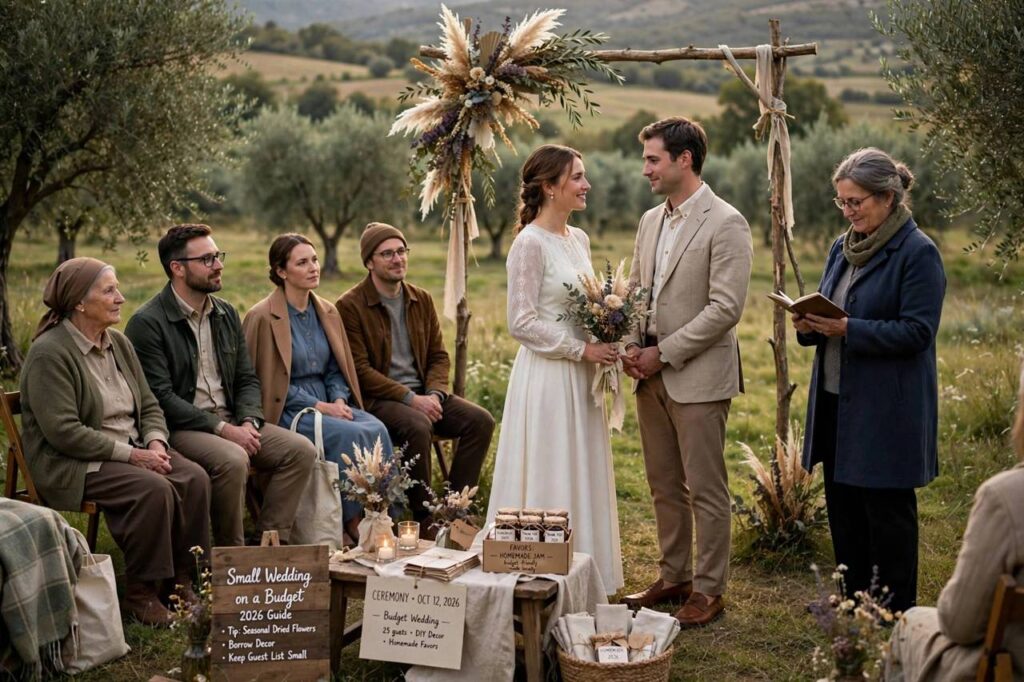
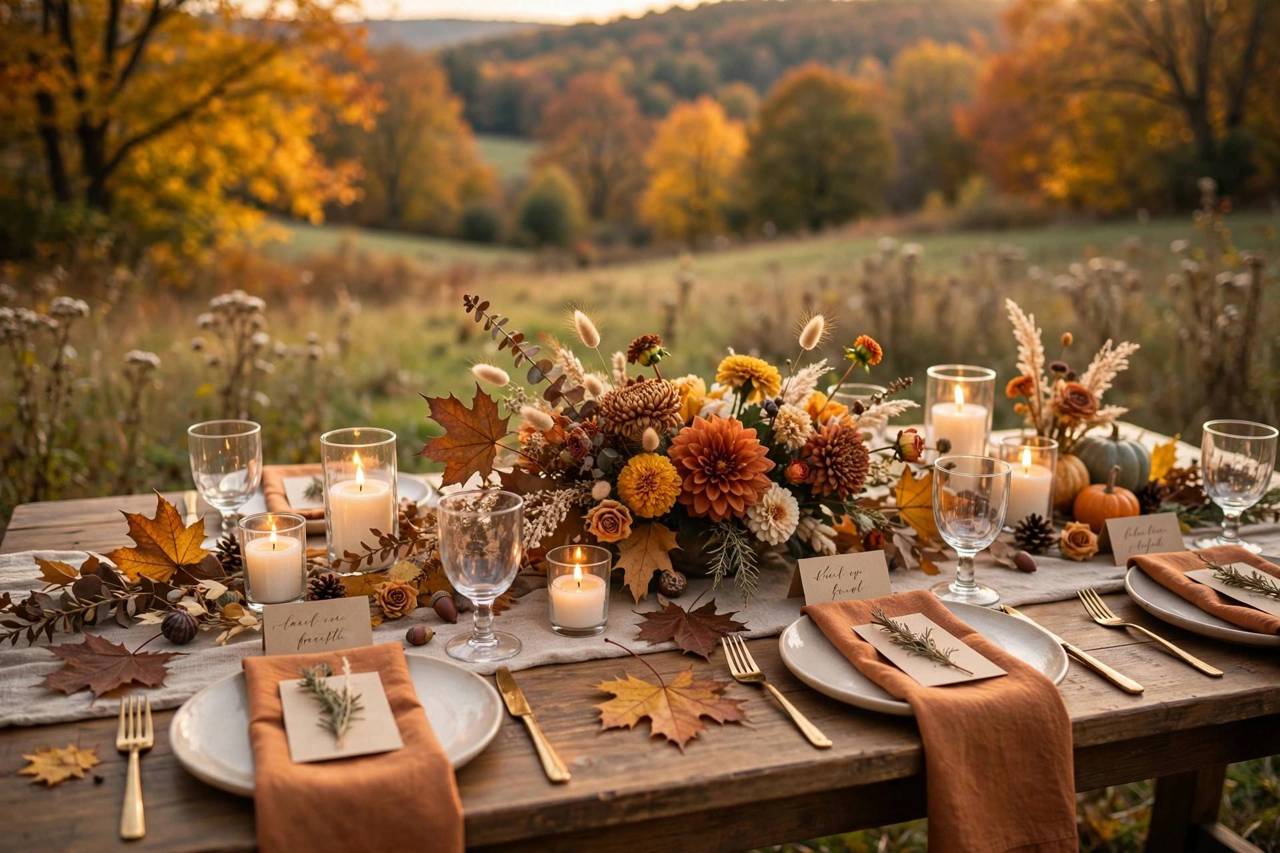
Fall might be the most forgiving wedding season of all. September offers summer’s warmth without summer’s extremes — ideal for vineyard weddings, rooftop receptions, and ceremonies under open sky. October brings the foliage, the crisp air, the candlelit receptions that feel inherently romantic; it is no accident it became the most-booked month. November is fall’s hidden value: the color may be fading, but so are the prices, and early November in many regions still delivers beautiful weather with a cozy, intimate feel. Thanksgiving week deserves a special mention — guests are already traveling and taking time off, which can simplify logistics, though you are competing with family plans and holiday travel prices. Fall décor practically arranges itself: pumpkins, apples, deep jewel tones, and textures like velvet and wood all read as seasonal without trying. One caution: in popular leaf-peeping regions, October Saturdays at scenic venues are the hardest dates in the entire year to book. If fall is your season, the venue comes first, and everything else follows. Couples planning a full year out will find a twelve-month planning checklist maps perfectly onto a fall wedding timeline.
Winter Weddings: December Through February
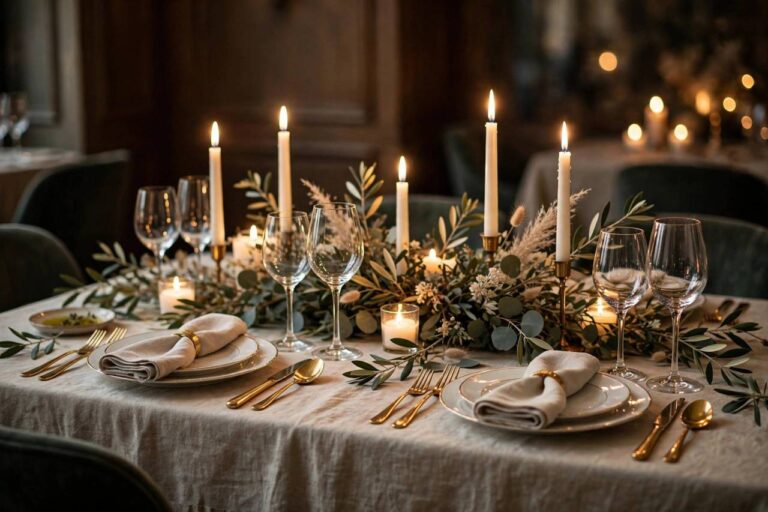
Winter weddings are the contrarian’s choice, and they can be spectacular. December offers built-in décor — venues already dressed for the holidays, evergreen and candlelight everywhere — plus a natural intimacy that summer cannot replicate. January and February are the year’s best-kept secret for budgets: venues slash prices, top-tier vendors have open dates, and you can often afford the photographer or band that peak season would have priced out. A February wedding with a velvet dress, candlelit ceremony, and rich winter menu feels luxurious in a way no summer wedding quite matches. The risks are obvious: weather. Snow and ice can disrupt travel for guests and vendors alike, so choose locations where winter is manageable, keep the ceremony and reception in one place, and build buffer into every timeline. Daylight is short — plan portraits around a midday ceremony or embrace the drama of evening light. And be mindful of the calendar: the weeks around major holidays complicate guest travel even as they offer time off. Winter rewards the bold with lower costs, total vendor attention, and an atmosphere nobody forgets.
How to Choose: The Decision Framework
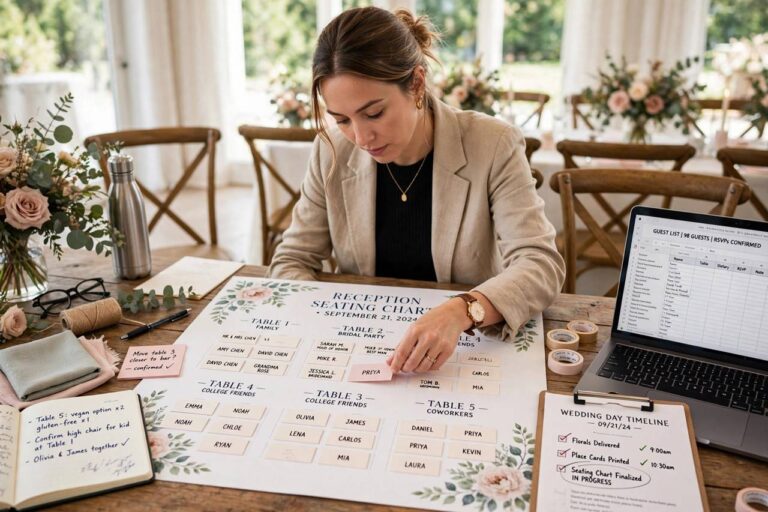
Stop asking which month is best in the abstract and run through these five questions instead. First, what weather can you not tolerate? If heat ruins the day for you, cross off July and August. If rain anxiety will keep you up at night, avoid April and choose venues with real indoor options. Second, what is your budget reality? Peak months (June, September, October) cost 20 to 30 percent more at many venues; January, February, and March can save you thousands. Third, who must attend? If key guests are teachers, summer matters. If everyone is local, you have total freedom. Fourth, what atmosphere do you want? Garden party says May or June; candlelit romance says October or December; modern minimalism works year-round. Fifth, how much planning time do you have? Under nine months, target shoulder seasons where vendors are available; over a year, any month is yours. Rank these five by what matters most to you as a couple, and the right month usually reveals itself. The couples who regret their date almost always chose it for someone else’s reasons — a parent’s preference, a venue’s pressure, a tradition they did not actually love. Choose for the wedding you want to remember.
What Is the Best Month to Get Married for Your Budget?
If money drives the decision, the calendar becomes very simple: marry when demand is lowest. January, February, and March are the undisputed value months — venues offer their deepest discounts, photographers and bands negotiate, and you can often book premium vendors who would be untouchable in October. November, excluding Thanksgiving week, and early December offer similar value with better weather in many regions. The savings are not trivial: off-season venue pricing commonly runs twenty to thirty percent below peak, and vendor flexibility means package upgrades thrown in to win your business. But the cheapest month is not automatically the smartest month. A February wedding in a northern city means planning around snow, short daylight, and guests who may struggle to travel — factor in the cost of a backup plan and the risk to attendance. The value sweet spot for many couples is the shoulder months: late March, early April, late November, when prices have dropped but the weather has not fully turned. Another budget lever hiding in the calendar is the day of the week. A Friday or Sunday wedding in a peak month often costs less than a Saturday wedding in an off-peak month, so run both numbers before deciding. And whatever month you choose, book the venue first — in the wedding economy, the date sets the price of everything that follows, so the month you pick is the single biggest budget decision you will make.
Frequently Asked Questions
What is the most popular month to get married?
October has become the most popular wedding month in the United States, recently overtaking June. September, June, and May round out the top tier. Popularity means higher prices and earlier booking deadlines — typically twelve to eighteen months ahead for prime Saturdays.
What is the cheapest month to get married?
January, February, and March are generally the least expensive months, with November (excluding Thanksgiving week) close behind. Venues and vendors offer off-season rates, sometimes 20 to 30 percent below peak, and premium vendors are far easier to book.
How far in advance should I book a wedding venue?
For peak months (June, September, October), twelve to eighteen months is standard at popular venues. For off-season months, six to nine months is often plenty. If your date is non-negotiable, book the venue before anything else — every other vendor decision follows from it.
Is it bad luck to get married in any particular month?
Old superstitions exist — “Marry in May and rue the day” is the famous one — but they carry no real weight. May is actually one of the most popular and successful wedding months. Choose based on weather, budget, and preference, not rhymes.
Should I avoid holiday weekends for my wedding?
Holiday weekends cut both ways: guests already have time off, which helps attendance, but travel costs more and some guests have immovable family traditions. If you choose one, give extra notice — send save-the-dates eight to twelve months out so people can plan around it.