What Is the Difference Between Espresso and Coffee?

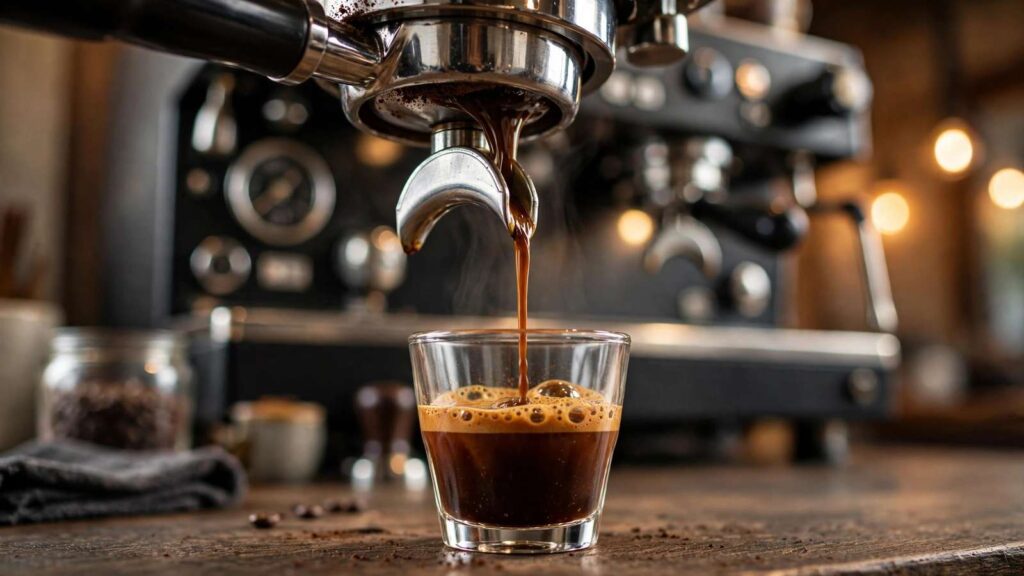
What is the difference between espresso and coffee? Here’s the secret that unlocks the whole question: espresso is coffee. There’s no such thing as an “espresso bean” that’s botanically different from a “coffee bean” — any coffee bean can become espresso. The difference isn’t the bean. It’s what you do to it. Once that clicks, everything else — the tiny cups, the intense flavor, the crema, the caffeine confusion — falls into place.
I learned this the way most home cooks learn things: by getting it wrong for years. I used to think espresso was a special dark-roast bean, and I bought bags labeled “espresso roast” assuming the label was doing the work. Then a barista friend made me the same coffee two ways — as drip and as espresso — from the same bag of beans, and the difference knocked me sideways. Same beans. Completely different drinks. This article is the explanation I wish someone had given me back then.
What is the difference between espresso and coffee? The core answer
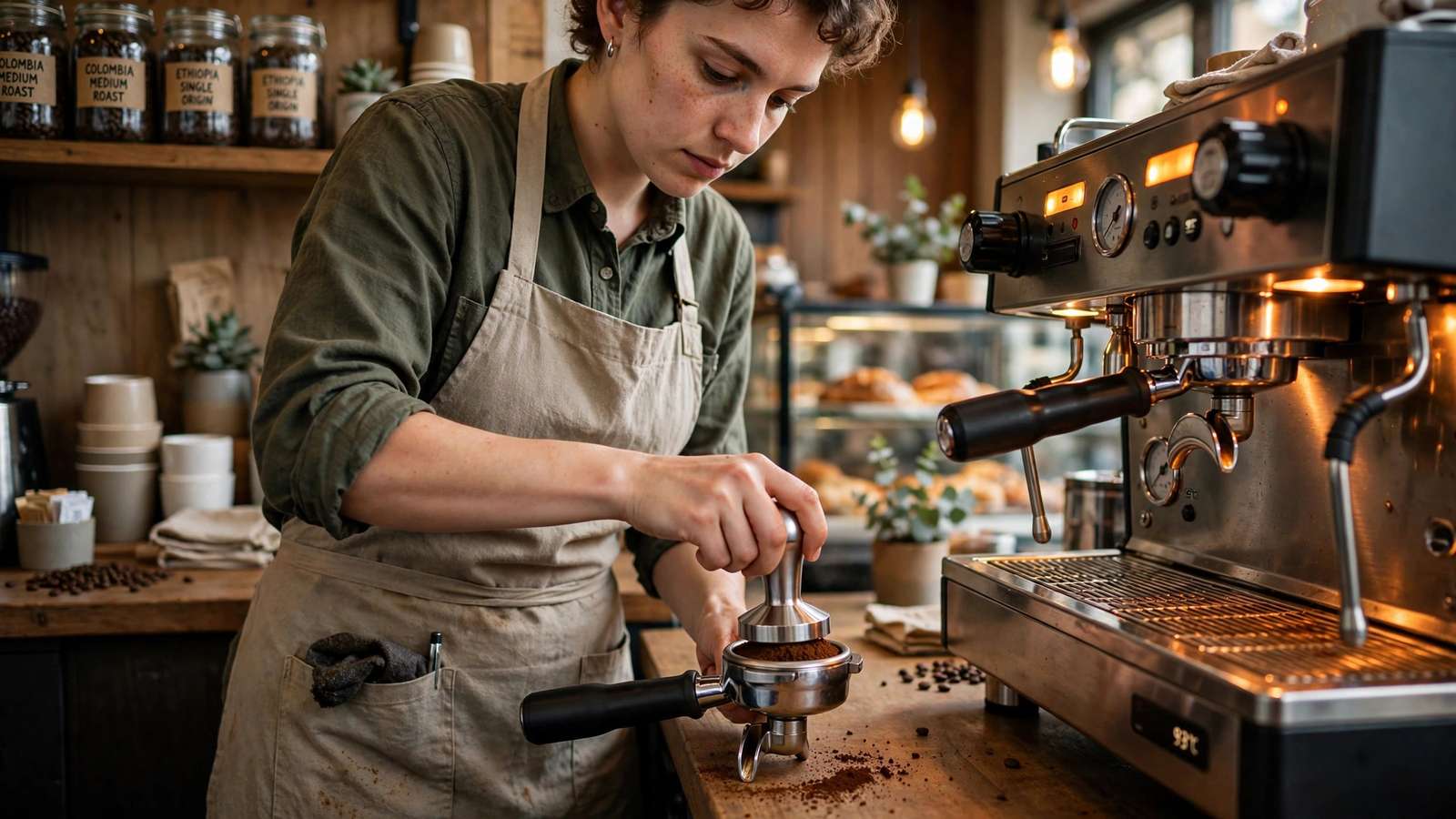
Regular coffee (drip, pour-over, French press) is made by letting hot water flow gently through ground coffee — gravity does the work, over minutes. Espresso is made by forcing hot water through finely ground coffee under high pressure — about 9 bars, or nine times atmospheric pressure — in about 25–30 seconds. That pressure is the entire difference, and it changes everything: the extraction, the flavor, the texture, and the ritual around it.
Think of it like this: regular coffee is a slow conversation with the beans. Espresso is an interrogation. The pressure extracts flavors — and compounds — that gentle brewing never reaches, which is why espresso tastes so much more intense even though you’re drinking so much less of it.
Grind size: fine vs coarse
Espresso requires a very fine grind — almost powdery, finer than table salt. Regular drip coffee uses a medium grind, like rough sand. This isn’t a preference; it’s physics. The pressurized water needs to meet resistance as it pushes through the coffee bed, and only a fine grind packed tightly (tamped) into the portafilter creates that resistance. Too coarse, and the water rushes through — you get a weak, sour, under-extracted shot. Too fine, and it chokes — bitter, drippy, over-extracted.
This is also why pre-ground “espresso” from the supermarket is a compromise. Coffee stales fast once ground, and espresso is the least forgiving brew method — it amplifies every flaw. If you’re serious about home espresso, a decent burr grinder matters more than a fancy machine. Grind fresh, grind fine, and your shots will transform.
Brewing ratio and serving size
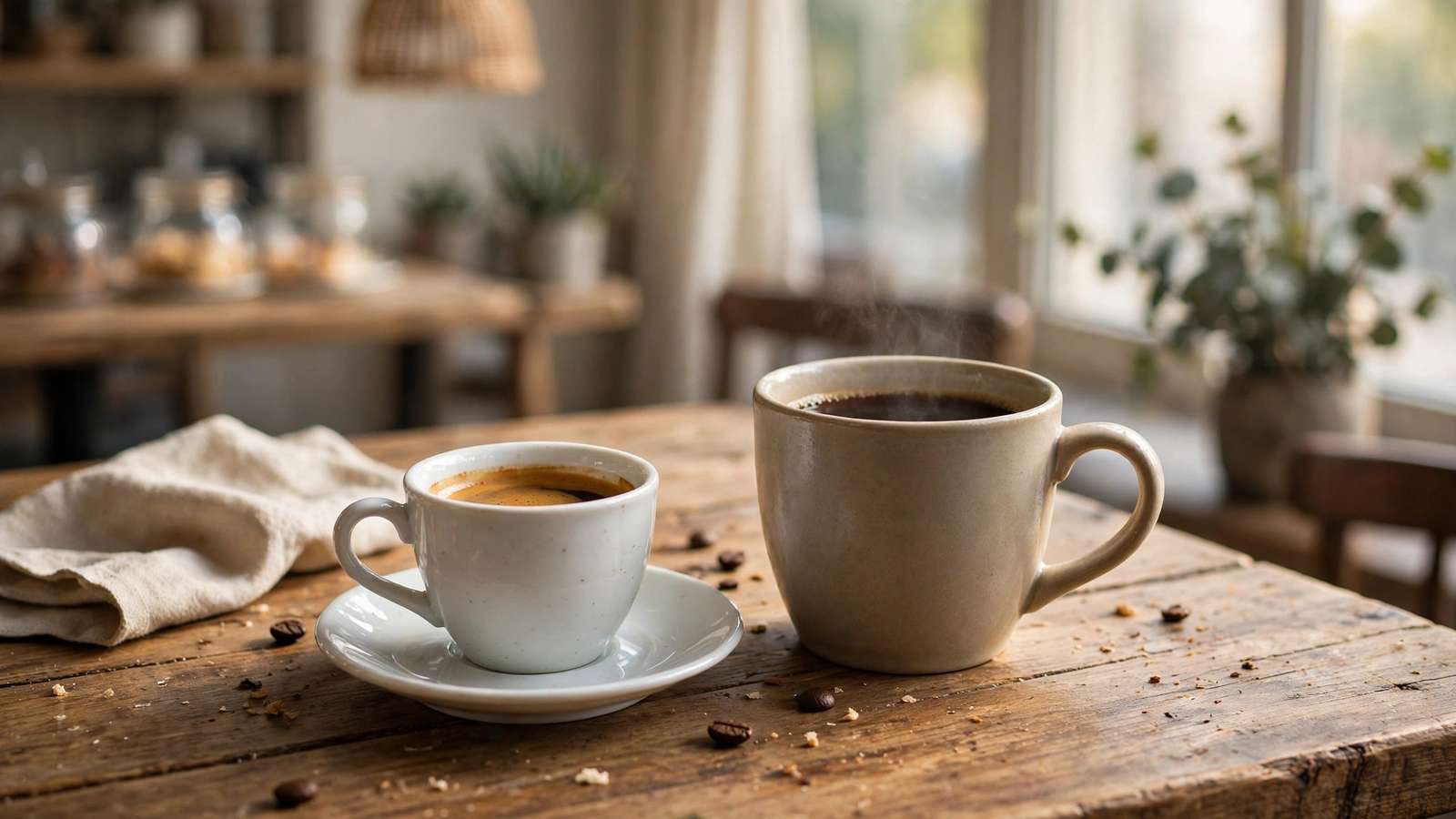
A standard espresso shot uses about 18 grams of coffee to produce about 36 grams (roughly 1–2 ounces) of liquid — a 1:2 ratio, pulled in under half a minute. A standard drip coffee uses about 15 grams of coffee for 250 grams (about 8 ounces) of water — a ratio closer to 1:16, brewed over several minutes.
So espresso is dramatically more concentrated: less water, more coffee, far less time. That’s why it comes in those tiny cups. You’re not drinking “less coffee” — you’re drinking coffee with most of the water removed. A latte, cappuccino, or flat white is just that concentrated shot diluted back down with steamed milk, which is why milk-based espresso drinks can be gentler than they look.
The caffeine question: which has more?
This is where most people get confused, so let’s be precise. Per ounce, espresso has more caffeine — roughly 63 mg per 1-ounce shot versus about 12–15 mg per ounce of drip coffee. But per serving, a standard 8-ounce cup of drip coffee (around 95–120 mg) has more total caffeine than a single espresso shot (around 63 mg). A double shot roughly equals a small drip coffee.
In practice: if you drink a 12-ounce latte (double shot + milk), you’re getting about the same caffeine as a modest cup of drip. The intensity you feel from espresso is mostly flavor concentration and ritual, not a caffeine bomb. Though I’ll admit — slamming a double shot at 7 a.m. feels more dramatic than sipping drip, and feelings count for something.
Flavor and crema: what pressure creates
Espresso’s signature is crema — that golden-brown foam cap on a fresh shot. Crema only forms under pressure: it’s an emulsion of coffee oils, CO2, and fine solids whipped together as the water forces through. No pressure, no crema — which is why moka pot coffee, delicious as it is, isn’t technically espresso despite the strong flavor.
Flavor-wise, a good espresso is syrupy, intense, and layered — chocolate, caramel, fruit, florals depending on the bean — with a bittersweet finish. A bad espresso is aggressively sour or harshly bitter, and there’s nowhere to hide: the concentration amplifies mistakes. Drip coffee is more forgiving and more nuanced in a different way — the longer, gentler extraction highlights delicate aromatics that espresso’s intensity can bulldoze. Neither is “better.” They’re different instruments playing the same notes.
What is the difference between espresso and coffee in a blind taste test
I’ve done this test with friends, and it’s always revealing. Brew the same beans as espresso and as pour-over, then taste blind. The espresso will taste bolder, heavier, more concentrated — the flavors arrive all at once, like turning the volume up. The pour-over will taste cleaner and more separated — you can pick out individual notes, but nothing shouts. Most people prefer the espresso version of chocolatey Brazilian beans and the pour-over version of floral Ethiopians, which tells you something: the brew method doesn’t just change intensity, it changes which flavors get the spotlight. The “best” method depends on the bean, which is why serious coffee people own both setups.
Equipment: what you actually need
Here’s the honest breakdown. Great drip coffee needs almost nothing: decent beans, a grinder, and a $30 pour-over dripper will beat most café drip. Espresso is the diva of brew methods — it demands a machine capable of stable 9-bar pressure and consistent temperature, plus that good grinder. Entry-level setups that produce genuinely good shots start around a few hundred dollars, and the rabbit hole has no bottom.
The moka pot deserves an honorable mention: it brews strong, concentrated coffee with a fraction of espresso’s pressure (about 1.5 bars). It won’t make crema, and pedants will fight you if you call it espresso, but it makes a superb strong coffee for milk drinks at a tenth of the price. For most home kitchens, it’s the sweet spot.
Common espresso mistakes beginners make
Stale beans. Espresso amplifies staleness mercilessly. Beans more than a month off roast make flat, lifeless shots with no crema. Buy smaller bags, more often.
Skipping the grinder upgrade. A great machine with a bad grinder makes bad espresso. The grinder is the more important purchase — uneven grounds extract unevenly, and no machine can fix that.
Not preheating. Espresso is temperature-sensitive. Run a blank shot through the machine to heat the group head and warm your cup before pulling the real thing. Cold equipment steals heat from the extraction.
Judging by color alone. Beginners watch the stream turn blonde and panic. Blonding is normal near the end of a shot — what matters is taste and timing (25–30 seconds for a 1:2 ratio), not the exact shade of the stream.
If the café side of coffee interests you beyond the cup, our guide to how to start a coffee shop covers the business end of the obsession.
Espresso-based drinks decoded
Once you understand the shot, the café menu stops being intimidating. Espresso: the shot itself, 1–2 ounces, drunk straight. Ristretto: a shorter, more concentrated pull — sweeter, more syrupy. Lungo: a longer pull with more water — milder, more bitter. Americano: espresso plus hot water, approximating drip strength with espresso character. Macchiato: espresso “stained” with a spoonful of foam. Cortado: equal parts espresso and warm milk — the connoisseur’s milk drink. Flat white: espresso with velvety steamed milk, stronger coffee flavor than a latte. Cappuccino: the classic thirds — espresso, steamed milk, thick foam cap. Latte: the milkiest, gentlest — mostly steamed milk with a shot or two hiding inside. Order by intensity: if you want to taste the coffee, go short (cortado, macchiato). If you want comfort, go milky (latte, cappuccino).
And don’t overlook the iced side of the menu. An iced latte is just espresso, cold milk, and ice — simple, refreshing, and the default summer order for good reason. An iced americano (espresso, cold water, ice) is the low-calorie workhorse. Cold brew, while we’re here, is a different beast entirely: coffee steeped in cold water for 12+ hours, never heated, which produces a smooth, chocolatey concentrate with none of espresso’s intensity. It’s not espresso, it’s not drip — it’s its own glorious third thing.
Frequently asked questions
What is the difference between espresso and coffee?
Espresso is coffee brewed by forcing hot water through finely ground beans under high pressure (9 bars) in about 30 seconds, producing a small, concentrated shot with crema. Regular coffee uses gentler methods (drip, pour-over, French press) with coarser grounds and more water over several minutes. Same beans, different process, different drink.
Is espresso stronger than coffee?
Per ounce, yes — espresso is much more concentrated. Per serving, a regular cup of drip coffee usually contains more total caffeine than a single espresso shot, because the serving is so much larger.
Can you make espresso with regular coffee beans?
Absolutely. “Espresso roast” on a bag just means the roaster thinks those beans taste good as espresso — typically a medium-dark roast. Any fresh coffee bean, ground fine and brewed under pressure, makes espresso. Some of the best shots I’ve had were light-roast single origins.
Why is espresso served in small cups?
Because it’s concentrated — a standard shot is only 1–2 ounces. The small cup (demitasse) suits the serving size and keeps the crema intact. Milk-based drinks like lattes and cappuccinos are built on that small shot plus steamed milk.
Does espresso have more caffeine than a latte?
A latte is espresso plus milk, so a 12-ounce latte made with a double shot has the same caffeine as those two shots — roughly equal to a small drip coffee. The milk doesn’t add or remove caffeine; it just dilutes the intensity.
What is crema on espresso?
Crema is the golden-brown foam that forms on a freshly pulled espresso shot. It’s created by the high-pressure brewing emulsifying coffee oils with CO2 escaping from the grounds. Fresh beans produce more crema; stale beans produce almost none.