How to Cook Rice Without a Rice Cooker: The 10-5-5 Method

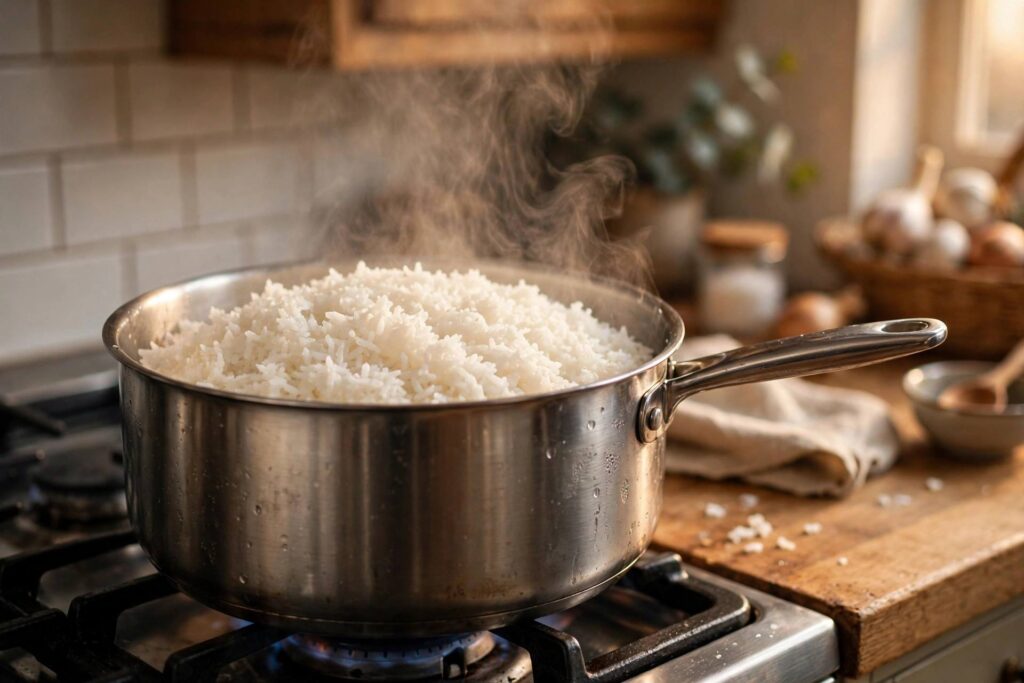
Learning how to cook rice without a rice cooker is one of those kitchen skills that feels intimidating until you do it twice — and then you wonder why you ever thought a dedicated appliance was necessary. Billions of people cook perfect rice daily with nothing but a pot, water, and heat. I grew up in a house where the rice cooker was sacred, and I will let you in on the family secret: the stovetop method I am about to teach you makes rice just as good, with more control and less counter space sacrificed.
This guide covers three methods — stovetop (the everyday workhorse), microwave (the dorm-room hero), and oven (the crowd-feeder) — plus the famous 10-5-5 rule, the knuckle method, water ratios for every rice type, and fixes for every common failure. One read-through and you will never fear the pot again.
How to Cook Rice Without a Rice Cooker: The 10-5-5 Rule
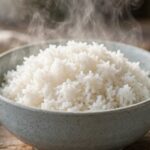
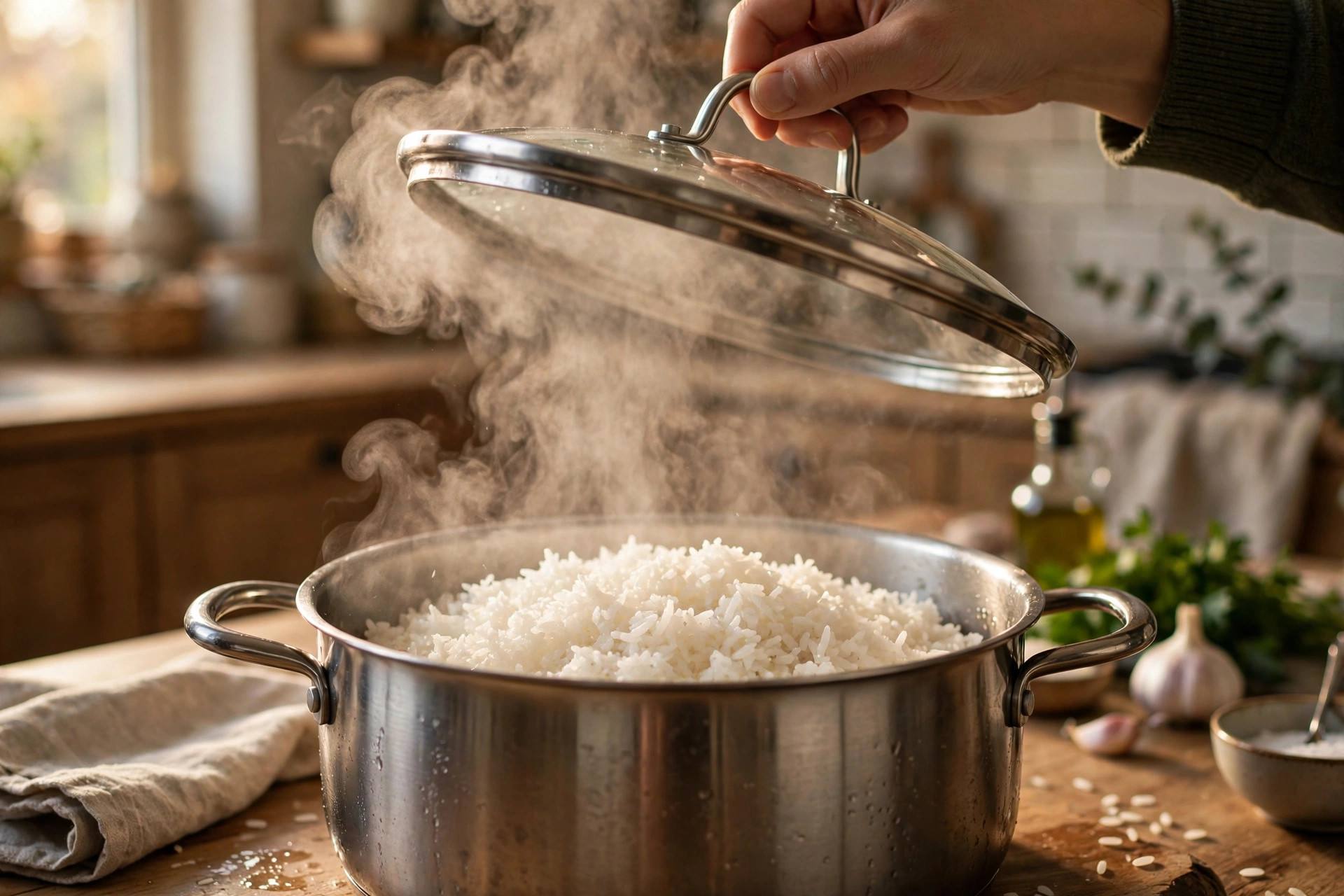
Here is the only timing formula you need for standard long-grain white rice on the stovetop: 10 minutes at a boil, 5 minutes simmering, 5 minutes resting off the heat. Ten-five-five. That is it. Bring the pot to a boil, drop to the lowest simmer for five, then kill the heat and do not touch the lid for five more. The resting step is not optional — it is when the last moisture distributes evenly and the grains firm up. Skip it and you get gummy bottom rice; honor it and you get distinct, fluffy grains.
This rule assumes the standard ratio below and a heavy-bottomed pot with a tight lid. Thin pots scorch; loose lids let steam escape and throw off the timing. If your pot is thin, use a heat diffuser or the smallest burner — gentle, even heat is the entire game.
The Stovetop Absorption Method, Step by Step
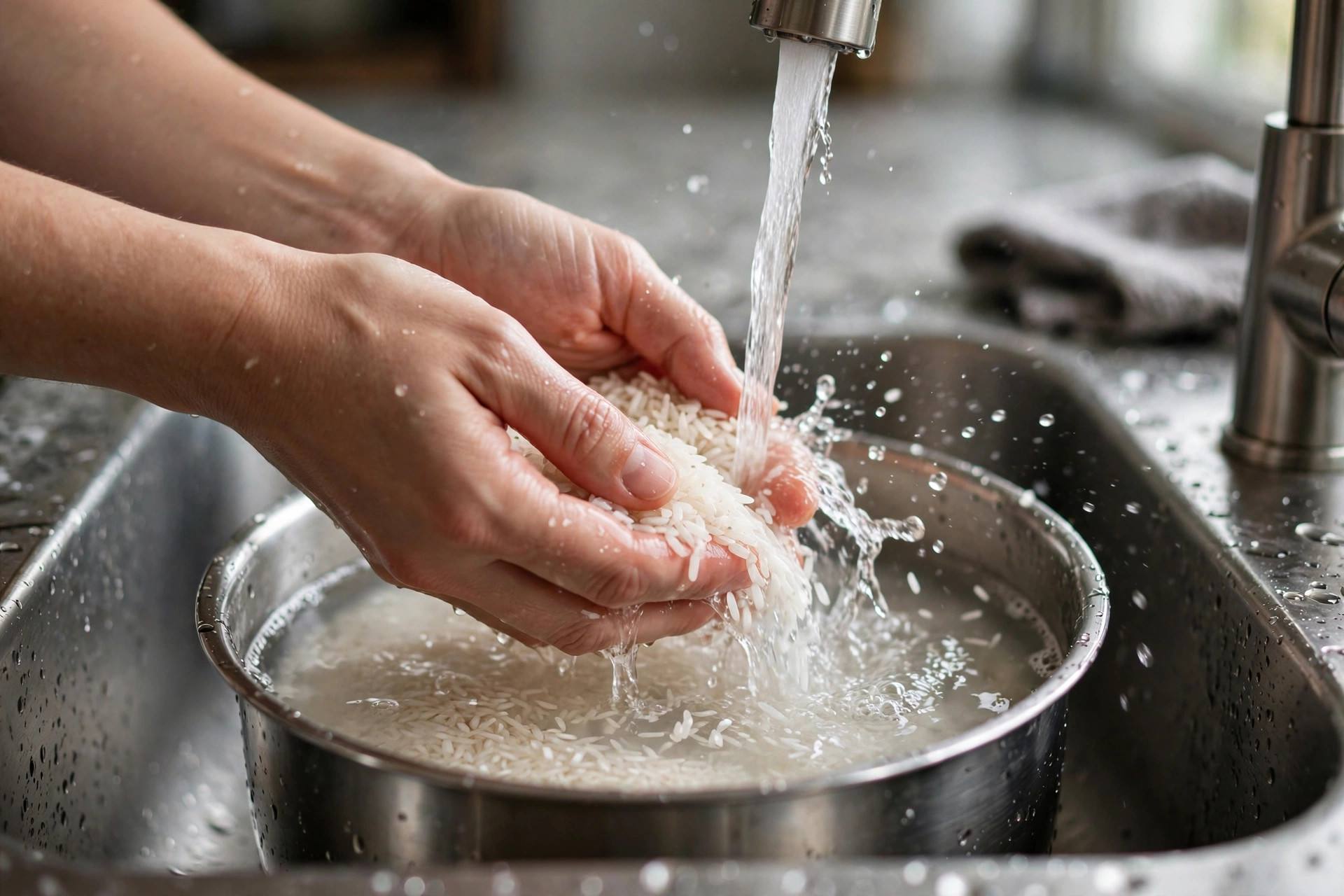
Step 1 — Rinse. Put the rice in the pot, cover with cold water, swirl with your hand, and pour off the cloudy water. Repeat 2–3 times until the water runs mostly clear. This removes surface starch — the difference between fluffy grains and a starchy clump. (Skip rinsing only for risotto-style dishes where you want the starch.)
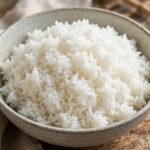
Step 2 — Measure. For long-grain white rice: 1 cup rice to 1.5 cups water. Add the water and a pinch of salt; a teaspoon of oil or butter is optional but helps keep grains separate. Step 3 — Boil, then simmer. Bring to a rolling boil uncovered, then immediately reduce to the lowest possible simmer and cover tightly. Step 4 — 10-5-5. Ten minutes from the moment it hits a boil (five of those at full boil is fine, then five simmering — or simply 10 simmering from boil; both work), then five minutes resting off the heat with the lid on. Step 5 — Fluff. Open the lid, let the steam escape for a minute, and fluff gently with a fork — never a spoon, which mashes. Serve immediately.
The whole process takes about 25 minutes, most of it hands-off. Once you have done it three times, you will do it on autopilot while cooking the rest of dinner.
The Knuckle Method (No Measuring Cup Needed)
Ask any grandmother in Asia how much water to use and she will not cite ratios — she will show you her finger. The knuckle method: rinse the rice, level it in the pot, rest your fingertip on the rice surface, and add water until it reaches your first knuckle joint — about 2 cm / ¾ inch above the rice. That is it.
Does it actually work? Yes, remarkably well, because it self-adjusts: more rice means a wider pot surface and proportionally more water. It is less precise than measuring for unusual rice types, but for everyday jasmine or long-grain white rice it is dead reliable. I use the ratio method when teaching and the knuckle method when cooking — both produce excellent rice, and the knuckle method means one less thing to wash.
Microwave Method (Dorm Rooms and Desperate Times)
No stove? The microwave genuinely works. Use a large microwave-safe bowl (at least triple the rice volume — it bubbles vigorously), 1 cup rinsed rice to 2 cups water (microwaves need a bit more water since there is no sealed steam environment), and microwave uncovered on high for 10 minutes, then at 50% power for 15 minutes. Rest 5 minutes covered. Fluff and serve.
The texture is slightly less perfect than stovetop — a touch softer, a bit stickier — but it is real, edible, properly cooked rice from a microwave. Cover the bowl loosely with a microwave-safe plate during the second phase if it is bubbling over. And never seal it tight; steam needs somewhere to go.
Oven Method (Feeding a Crowd)
For large batches, the oven is the most foolproof method of all because the heat surrounds the pot evenly — no hot spots, no scorched bottom. Preheat to 190°C (375°F). In an oven-safe pot with a tight lid (or covered tightly with foil), combine 1.5 cups rinsed rice per 2 cups boiling water plus salt and a little butter. Cover and bake 25–30 minutes, rest 10 minutes, fluff. It scales beautifully: double or triple the quantities in a bigger vessel and the timing barely changes.
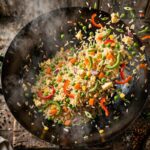
This is my go-to for dinner parties and meal prep. Rice is a batch-cooking staple — the oven method produces big, consistent quantities that refrigerate well for the week. Cold cooked rice, incidentally, is also the correct starting point for fried rice: day-old refrigerated grains fry up distinct and chewy instead of mushy.
Water Ratios for Every Rice Type
| Rice type | Water per 1 cup rice | Notes |
|---|---|---|
| Long-grain white | 1.5 cups | The 10-5-5 standard |
| Jasmine | 1.5 cups | Slightly less for firmer grains (1.25) |
| Basmati | 1.5 cups | Soak 30 min first for longest grains |
| Short-grain / sushi | 1.25 cups | Meant to be a little sticky |
| Brown rice | 2 cups | 45 min simmer; rest 10 min |
| Wild rice blend | 3 cups | 45–55 min; chewy by design |
Brown rice deserves a callout: it needs more water and much more time because the bran layer slows absorption. Do not try the 10-5-5 timing on brown rice — give it a full 45-minute simmer. Soaking brown rice for 30 minutes beforehand shortens cooking slightly and improves texture.
Troubleshooting: Every Rice Failure, Fixed
Mushy rice: too much water or too long cooking. Next time, reduce water by 2 tablespoons per cup. Rescue: spread on a sheet pan and bake 10 minutes at 150°C to dry it out. Crunchy/undercooked: not enough water or heat too high (steam escaped). Rescue: sprinkle 2–3 tablespoons of water over the rice, cover, and simmer 5 more minutes. Burnt bottom: heat too high or thin pot. Rescue: do not scrape — serve the top, discard the bottom layer, and use lower heat next time. Bland rice: you forgot salt. Salt the water, always — a half teaspoon per cup of rice. Sticky when you wanted fluffy: you skipped rinsing, or stirred during cooking. Never stir rice while it simmers; every stir releases starch.
Flavoring Your Rice: Beyond Plain
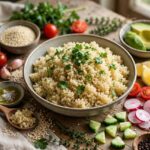
Once the technique is solid, rice becomes a canvas. Cook it in broth instead of water for instant depth — chicken or vegetable stock transforms plain rice into something worth eating alone. Add aromatics to the pot: a bay leaf, a smashed garlic clove, a strip of lemon zest, or a pandan leaf for Southeast Asian fragrance. Toast the dry rice in butter or oil for two minutes before adding water (the pilaf method) for nuttier flavor and even more distinct grains.
Finishing touches matter too: fluff with a fork, then fold through chopped herbs, toasted nuts, or a squeeze of citrus. Coconut rice (replace half the water with coconut milk, add a pinch of sugar and salt) is a revelation with curries. And never underestimate the simple luxury of good butter and flaky salt stirred through hot rice — sometimes the plain version, done perfectly, is the point.
Storing and Reheating Cooked Rice Safely
Cooked rice needs respect: it can harbor Bacillus cereus spores that survive cooking and multiply at room temperature. Cool rice quickly — spread it on a tray or transfer to shallow containers — and refrigerate within an hour. It keeps 4–5 days refrigerated and freezes beautifully for months (portion into bags, flatten for quick thawing).
Reheat with a sprinkle of water and a lid (microwave or stovetop) to restore moisture, and only reheat once. The fried-rice rule is real: day-old cold rice fries better than fresh because the retrograded starches stay distinct. Your future stir-fry will thank your past meal prep.
FAQ
Can you cook rice without a rice cooker?
Absolutely — a pot with a tight lid, the right water ratio, and the 10-5-5 timing produces rice as good as any rice cooker. Most of the world cooks rice this way.
What is the 10-5-5 rule for rice?
10 minutes cooking (boil then simmer), 5 minutes simmering low, 5 minutes resting off the heat with the lid on — the timing formula for perfect stovetop long-grain white rice.
How much water do I need for 1 cup of rice?
1.5 cups for long-grain white, jasmine, or basmati; 1.25 for short-grain; 2 cups for brown rice. Or use the knuckle method: water to your first knuckle above the rice level.
Why is my stovetop rice always mushy?
Usually too much water, skipped rinsing (surface starch), or lifting the lid during cooking (releases steam and tempts stirring). Measure carefully, rinse well, and leave the lid alone.
Can you cook rice in the microwave?
Yes — 1 cup rice to 2 cups water in a large bowl, 10 minutes high then 15 minutes at half power, rest 5 minutes. Slightly softer than stovetop but perfectly good.
Should you rinse rice before cooking?
Yes for most rice — rinsing removes surface starch for fluffier, more distinct grains. Skip it only when you want creaminess, as in risotto or rice pudding.
Conclusion
A pot, water, heat, and the 10-5-5 rule — that is the whole secret. Rinse the rice, measure the water (or trust your knuckle), keep the lid on, and rest before fluffing. Master this once and a rice cooker becomes what it always was: optional.