How to Choose a Wedding Venue: Checklist, Tour Tips & Costs

Knowing how to choose a wedding venue is the first big decision of wedding planning — and it shapes everything after it: your date, your budget, your guest count, even your photographer shortlist. I have helped couples tour dozens of venues over the years, and the ones who choose well all did the same thing: they decided what mattered before they fell in love with a beautiful room. This guide gives you the decision checklist, the questions to ask on every tour, the hidden costs that surprise couples, and an honest comparison of venue types.
One timing note: venues book 9–18 months out for peak dates, so this decision comes early. If you are building your full planning timeline, this wedding planning checklist shows where venue selection fits — but read this first, because everything else hangs on it.
How to Choose a Wedding Venue: The Non-Negotiables First
Before touring anything, lock in four decisions as a couple. Budget: the venue typically consumes 30–50% of the total wedding budget — set the number before you look, because beautiful venues are expert at expanding budgets. Guest count: a realistic range, not a fantasy — venue capacity must fit your actual list with room to breathe. Date flexibility: peak Saturdays cost peak prices; Friday, Sunday, or off-season dates can cut venue costs dramatically. Geography: how far will guests travel, and does the location need hotels nearby?
Write these down and bring them to every tour. Couples who skip this step choose venues emotionally and discover the mismatch later — the gorgeous barn two hours from the nearest hotel, the ballroom that holds 150 when the list is 220. The non-negotiables are your armor against beautiful mistakes.
The Decision Checklist
Score each venue against the same list so comparisons stay honest: Capacity — comfortable for your count in your layout (seated dinner needs more space than cocktail style). Availability — your date or acceptable alternatives, including setup/breakdown time. Cost structure — rental fee plus what is included (tables? chairs? linens? parking?). Catering rules — in-house only, preferred list, or bring your own (this single policy swings total cost enormously). Bar rules — same question, same impact. Restrictions — noise curfews, candle policies, decor limitations, vendor requirements. Weather plan — for outdoor venues, what happens if it rains (a real plan, not “we will figure it out”). Accessibility — elderly guests, wheelchairs, parking distance. Vibe — does it feel like you, or like a wedding factory?
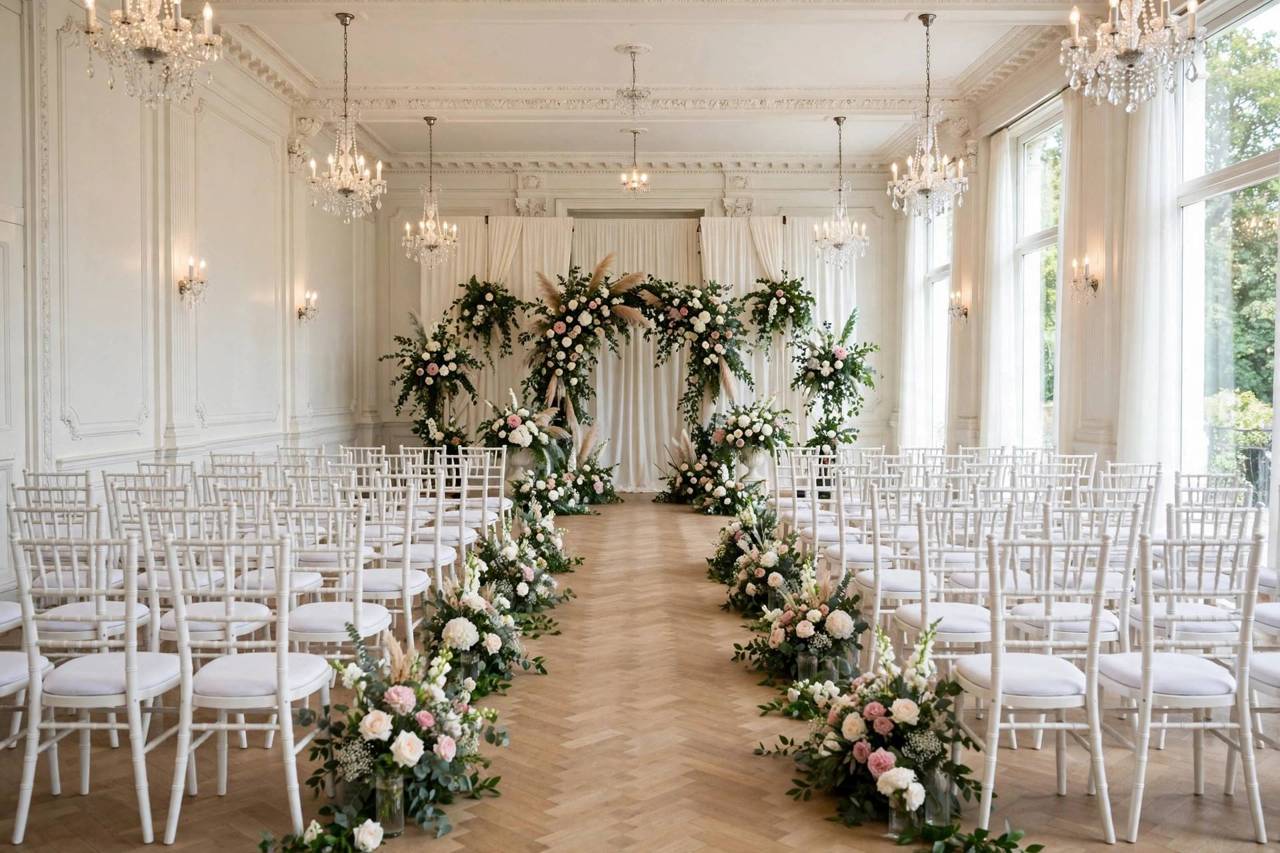
Rate each factor 1–5 per venue. The spreadsheet sounds unromantic; it prevents the “but the chandeliers!” override that leads to regret. Romance picks the finalists — the checklist picks the winner.
Questions to Ask on Every Tour
Bring this list; venue managers expect it and respect it. Logistics: How many hours are included? When can vendors access for setup? Is there a bridal suite, and when is it available? What is the parking situation? Services: Is there a day-of coordinator, or do we hire our own? (Know the difference — this venue coordinator vs. wedding coordinator explainer is essential reading.) Who handles cleanup, and what does “cleanup” include? Policies: What is the noise curfew? Candle and open-flame rules? Confetti, sparklers, pets? Vendor meal requirements? Money: What is the payment schedule? What is the cancellation policy — and what happens to our deposit? Are there separate ceremony and reception fees?
Ask to see the venue set up as it would be for your guest count, not the showcase arrangement. And visit at your event’s time of day if possible — lighting transforms spaces, and a room that glows at golden hour may feel cavernous at noon.

Hidden Costs: The Questions That Save Thousands
The rental fee is the headline; the total is the story. Ask about: service charges and gratuities (18–25% on top of catering is standard and often buried in fine print), cake-cutting fees (yes, really — some venues charge per slice), corkage fees for bringing your own alcohol, overtime rates (what does an extra hour cost, and who decides?), vendor meals (required at most venues, ~$50–100 per vendor), parking and valet (included or per-car?), setup/breakdown fees beyond the rental window, insurance requirements (many venues require event liability insurance — budget $150–300), and tax (always ask whether quotes include it).
Get the all-in number in writing before signing. A $5,000 venue with $4,000 in required extras is a $9,000 venue — compare totals, not headlines. This is also where date flexibility pays: off-peak dates often come with reduced minimums and waived fees, not just lower rental rates.
Venue Types Compared
| Type | Strengths | Watch out for |
|---|---|---|
| Hotel/ballroom | All-in-one, weather-proof, experienced staff | Can feel generic; strict vendor lists |
| Barn/farm | Character, photo-friendly, flexible | Weather risk; often bring-everything-in |
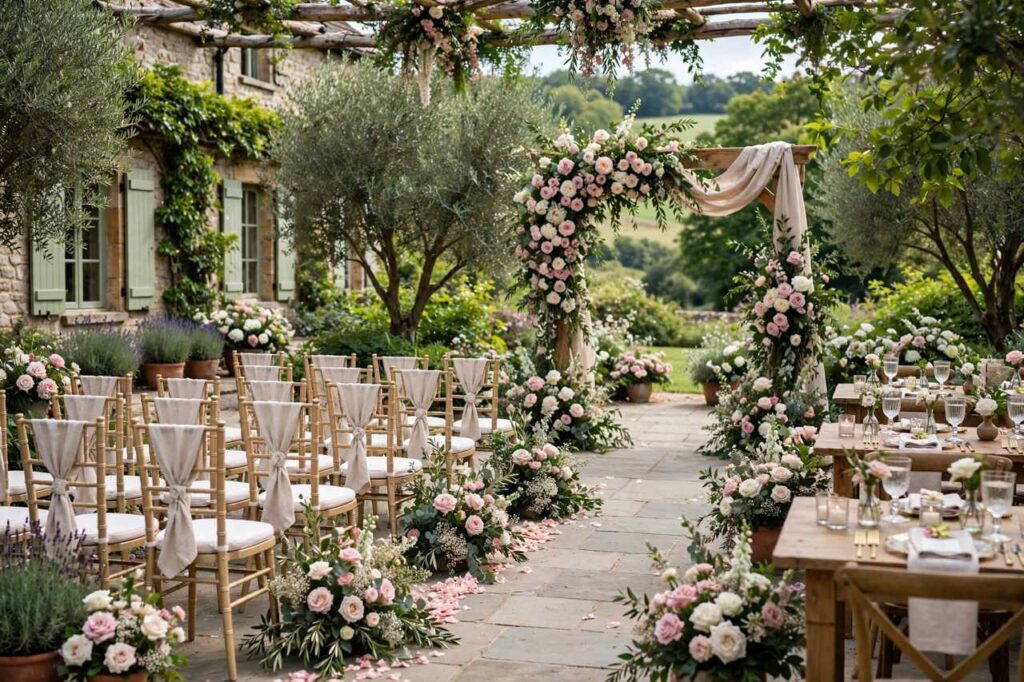
| Garden/outdoor | Natural beauty, lower decor needs | Weather plan essential; restroom logistics |
| Restaurant | Food quality, intimate, simple | Capacity limits; buyout minimums |
| Historic/museum | Stunning, memorable | Strict rules; high fees; limited dates |
| Backyard/home | Personal, potentially cheap | Rentals add up fast; logistics are yours |
Match the type to your priorities, not your Pinterest board. A food-focused couple belongs in a restaurant venue; a 200-guest dance party belongs in a ballroom or barn with a real floor and a late curfew. The venue should serve the wedding you actually want, not the one that photographs best.
Booking Timeline and Contract Tips
12–18 months out: research and tour (peak dates go first). 9–12 months: book — the venue contract is typically the first major vendor commitment. Before signing: read every line, confirm the all-in total, understand the cancellation and postponement terms (post-2020, these matter), verify what happens if the venue closes or changes ownership, and get verbal promises in writing. Deposits are typically 25–50%; understand exactly what is refundable under what circumstances.
Negotiation is normal: ask about off-peak discounts, included extras, and flexible payment schedules — especially if you are booking a Friday, Sunday, or off-season date, where venues have real incentive to deal. The worst they can say is no, and they often say yes.
Red Flags on Venue Tours
Trust your eyes as much as the checklist. Evasive answers about costs — if the manager cannot produce an all-in estimate, the extras are hiding something. No weather plan for outdoor spaces, or a plan described vaguely. Visible disrepair — if the bathrooms and bridal suite are shabby on a tour day, imagine them on your wedding day. High-pressure tactics (“another couple wants your date”) — sometimes true, often manufactured; never sign under pressure. Bad reviews mentioning the same issue repeatedly — one complaint is noise, ten about the coordinator is signal.
Restrictive vendor policies with kickback energy: preferred vendor lists are normal; being forbidden from using your own photographer is not. Ask directly whether the venue takes commissions from required vendors — the answer tells you whose interests the list serves. And watch how staff treat you before you have signed: the tour is the audition, and venues on their best behavior that still feel off will not improve after they have your deposit.
Second Tours and the Final Decision
Narrow to two or three finalists, then do second tours — ideally at your event’s time of day and, if possible, during another event’s setup so you see the space working rather than empty. Bring your partner, your planner or a trusted honest friend, and your checklist scores. Ask the questions you forgot the first time; there are always some.
The final decision method: sleep on it, then ask yourselves three questions. Does it fit the non-negotiables (budget, capacity, date)? Did the staff feel like partners or salespeople? Can you picture your specific people in this specific space? Two yeses and a maybe is bookable; any no is a no. Then book decisively and stop touring — venue FOMO after signing helps no one. The venue is chosen; now the fun part starts.
After Booking: Protecting Your Date
Signing is not the finish line — it is the starting gun. Immediately: get event liability insurance if required (many venues demand it; it is cheap and quick online). Confirm your date in writing with the venue’s event team, not just the sales manager who toured you. Introduce your other vendors to the venue coordinator early — caterers especially need load-in details, kitchen specs, and timeline constraints months ahead.
Then calendar the milestones: final guest count due date, menu tasting window, final payment dates, and the final walkthrough (usually 2–4 weeks out). Put every deadline in your phone the day you sign. Venues are professionally run, but your wedding is one of hundreds on their calendar — the couples who stay on top of milestones get the smoothest days.
FAQ
How far in advance should you book a wedding venue?
9–18 months for peak-season Saturdays; 6–9 months often suffices for off-peak dates, Fridays, and Sundays. Start touring as soon as your guest count and budget are set.
How much of the wedding budget goes to the venue?
Typically 30–50% including catering if bundled. Always compare all-in totals (fees, service charges, extras), not just the rental fee.
What questions should I ask when touring a wedding venue?
Hours included, vendor access times, catering/bar rules, noise curfew, weather backup plan, cleanup responsibilities, payment schedule, and cancellation terms — plus the hidden-cost list in this guide.
What are common hidden wedding venue costs?
Service charges (18–25%), cake-cutting and corkage fees, overtime rates, vendor meals, parking, setup/breakdown fees, event insurance requirements, and tax on top of quotes.
Is an outdoor wedding venue risky?
Only without a real weather plan. Ask what specifically happens if it rains — a venue with a genuine backup (tent, indoor space) is fine; “we’ll figure it out” is a red flag.
Can you negotiate wedding venue prices?
Yes — especially for off-peak dates. Ask about discounts, included extras, and payment flexibility. Venues expect negotiation on non-peak bookings.
Conclusion
Set the non-negotiables first, score every venue on the same checklist, ask the tour questions and the hidden-cost questions, compare all-in totals, and read the contract like the significant financial commitment it is. The right venue does not just host your wedding — it makes every other planning decision easier. Choose deliberately, then enjoy the beautiful part.