What Is Sourdough Starter? Your Friendly Guide to Baking’s Living Ingredient

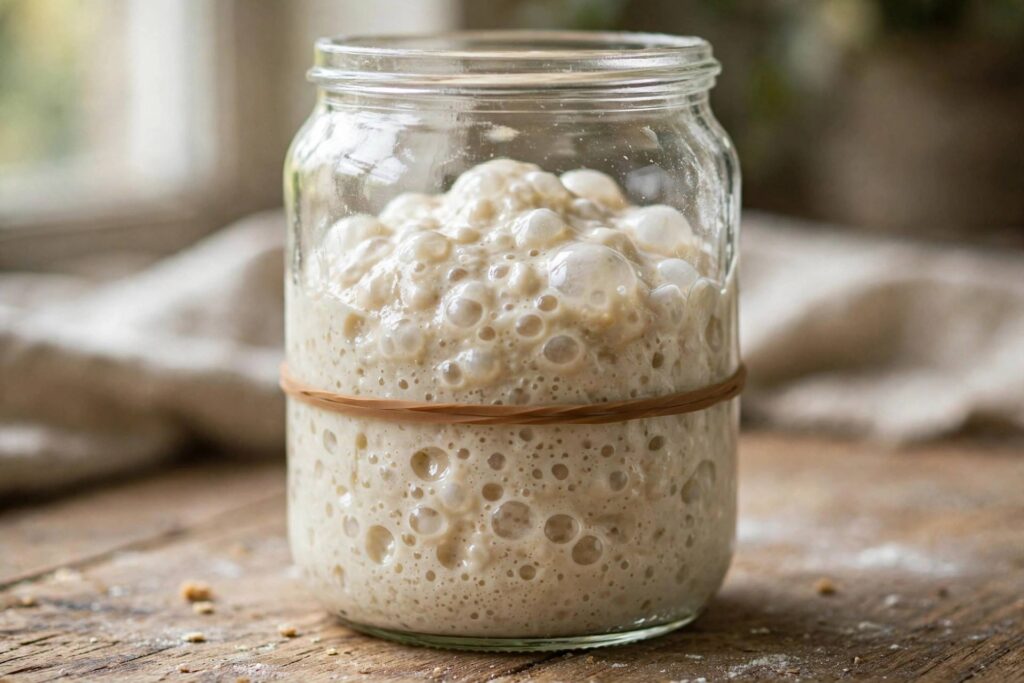
There is something almost magical sitting in bakers’ kitchens around the world — a humble jar of bubbly, tangy-smelling mixture that transforms simple flour and water into the most delicious bread you have ever tasted. What is sourdough starter? It is a living culture of wild yeast and friendly bacteria, and once you understand it, you will wonder why you ever thought bread came from a packet.
I am Maria, and I want you to think of sourdough starter not as a complicated project but as a tiny pet — one that asks for very little and gives you extraordinary bread in return. Let us meet your new kitchen companion.
What Is Sourdough Starter, Exactly?
A sourdough starter is a mixture of flour and water that has been colonized by wild yeast and lactic acid bacteria from the environment. These microorganisms feed on the flour’s starches, producing carbon dioxide (which makes bread rise) and organic acids (which create sourdough’s signature tangy flavor).
Unlike commercial yeast — a single, predictable strain bred for speed — a starter is a diverse ecosystem. That diversity is the whole point: it is what gives sourdough its complex flavor, chewy texture, crackling crust, and longer shelf life. Every starter is slightly unique, shaped by its flour, water, and environment. Bakers like to say your starter captures the character of your kitchen — and there is real truth in that romance.
How Does a Starter Actually Work?
The science is beautifully simple:
- Wild yeast (different species than commercial yeast, mainly from the flour and air) consumes sugars in the flour and releases carbon dioxide gas and a little alcohol.
- Lactic acid bacteria (the same family behind yogurt and kimchi) consume sugars too, producing lactic and acetic acids.
- The CO2 gets trapped in the dough’s gluten network, forming bubbles that make the bread rise.
- The acids create the tangy flavor, strengthen the dough, and naturally preserve the bread — which is why real sourdough stays fresh for days.
The yeast and bacteria actually help each other in a symbiotic relationship scientists find fascinating: the bacteria create an acidic environment the yeast tolerates better than competitors, and the yeast provides nutrients the bacteria need. Your jar is a tiny, thriving civilization.
How to Make a Sourdough Starter From Scratch
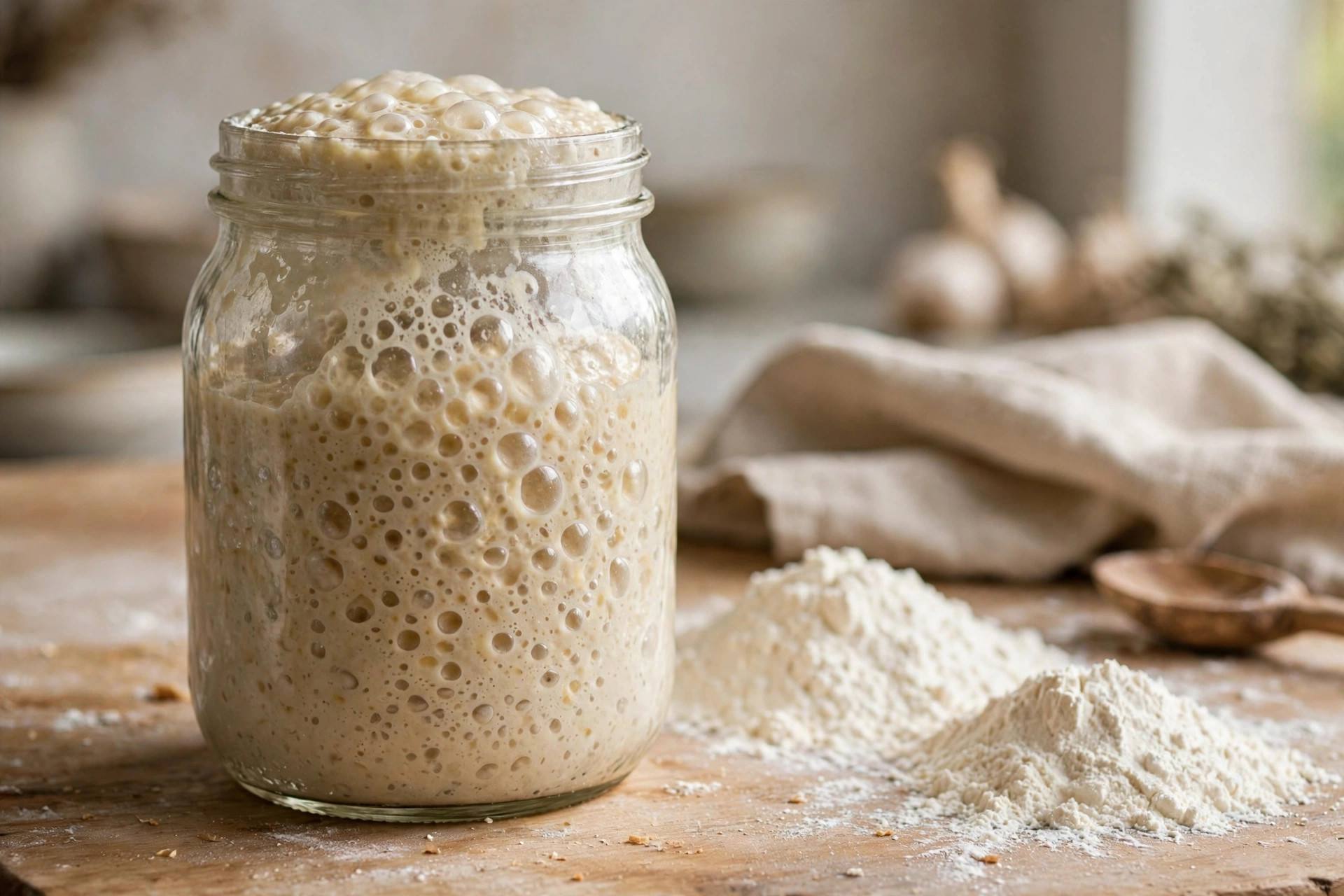
You need exactly two ingredients: flour and water. Whole grain flour (whole wheat or rye) works best for starting out because it contains more of the wild microorganisms you want to cultivate. Here is the day-by-day process:
Day 1: The beginning
Mix 60g (about 1/2 cup) whole wheat flour with 60g (1/4 cup) lukewarm water in a clean jar. Stir well, loosely cover (a cloth or loose lid — it needs airflow but not dust), and leave at warm room temperature (around 75°F / 24°C is ideal).
Days 2–3: Patience
You may see a few bubbles — or nothing at all. Both are normal. Once a day, discard about half the mixture and feed it with 60g all-purpose flour and 60g water. This “discard and feed” routine is the heartbeat of starter care: it removes waste products and gives the growing culture fresh food.
Days 4–6: Signs of life
Bubbles should increase, and the mixture may start smelling pleasantly sour or yeasty. Keep discarding half and feeding once daily. If it smells like nail polish remover (acetone), it is hungry — feed it; that smell is just a byproduct of hungry yeast, not a death sentence.
Days 7–14: Maturity
Your starter is ready when it reliably doubles in size within 4–8 hours of feeding and passes the float test: drop a small spoonful in water — if it floats, the yeast is producing enough gas to leaven bread. Most starters take 7–14 days to reach this point. Patience, friend — good things are fermenting.
How to Feed and Maintain Your Starter
Once mature, your starter needs regular feeding to stay vigorous. You have two maintenance styles:
Room temperature (for frequent bakers)
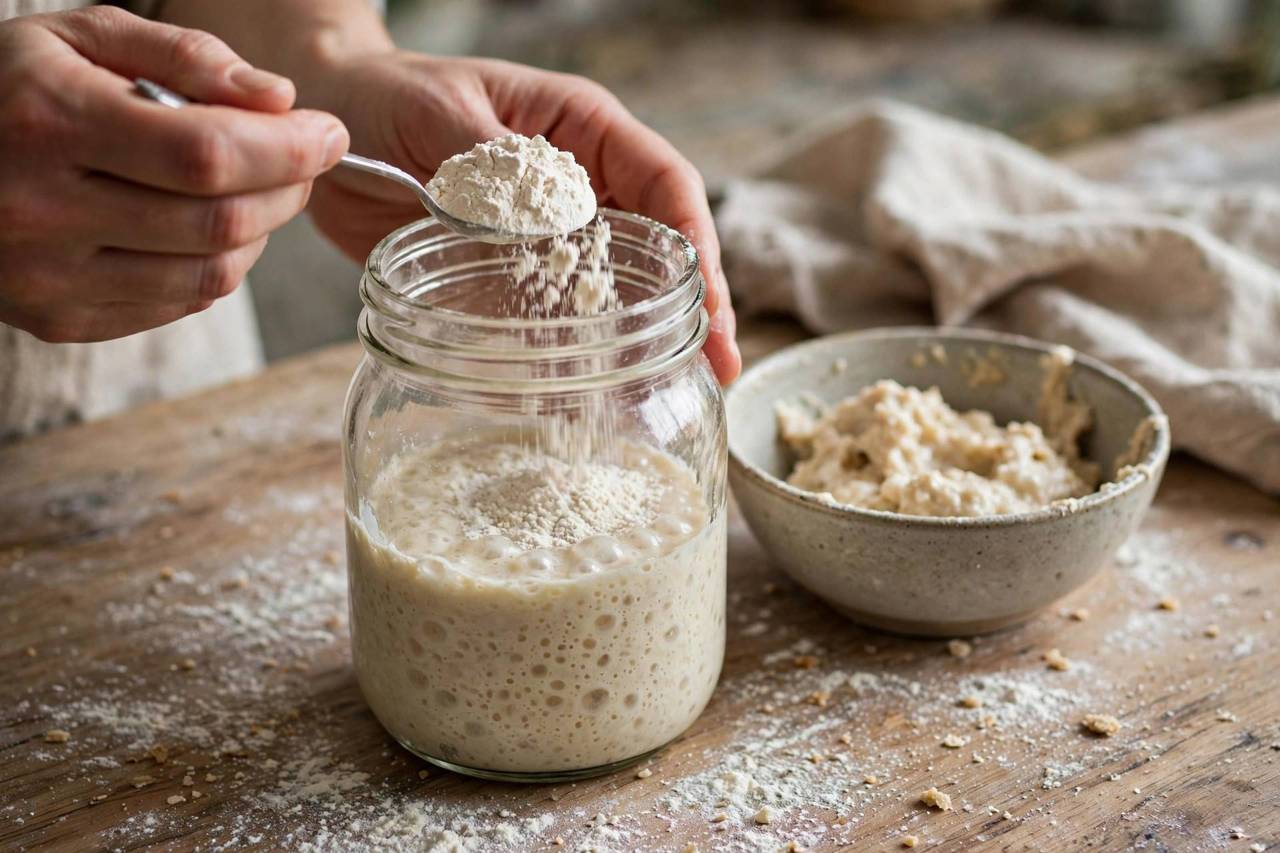
Feed once daily (twice in very warm weather): discard most of the starter, keeping about 2 tablespoons, then add equal weights of flour and water (e.g., 60g each). It will rise, peak, and fall between feedings — bake with it near its peak for best results.
Refrigerator (for weekly bakers)
Cold slows everything down beautifully. Feed your starter, let it start bubbling (an hour or two), then refrigerate. Feed once a week. When you want to bake, take it out, feed it, and wait for it to peak (usually 4–12 hours depending on fridge time). This is how most home bakers maintain starters for years with minimal effort.
A healthy starter can live indefinitely — there are starters over a century old, passed down through generations. Yours could outlive us all. No pressure.
Using Your Starter: From Jar to Bread
Baking with starter follows a rhythm, not a race:
- Feed and wait for peak: use the starter when it is bubbly and doubled — the float test confirms readiness.
- Mix the dough: combine starter, flour, water, and salt. Sourdough doughs are wetter than you expect — embrace the stickiness.
- Bulk ferment: let the dough rise at room temperature for several hours, with periodic gentle folds to build strength. This slow fermentation is where flavor develops.
- Shape and proof: shape the loaf, place it in a floured basket or bowl, and refrigerate overnight (this “cold proof” deepens flavor and makes scoring easier).
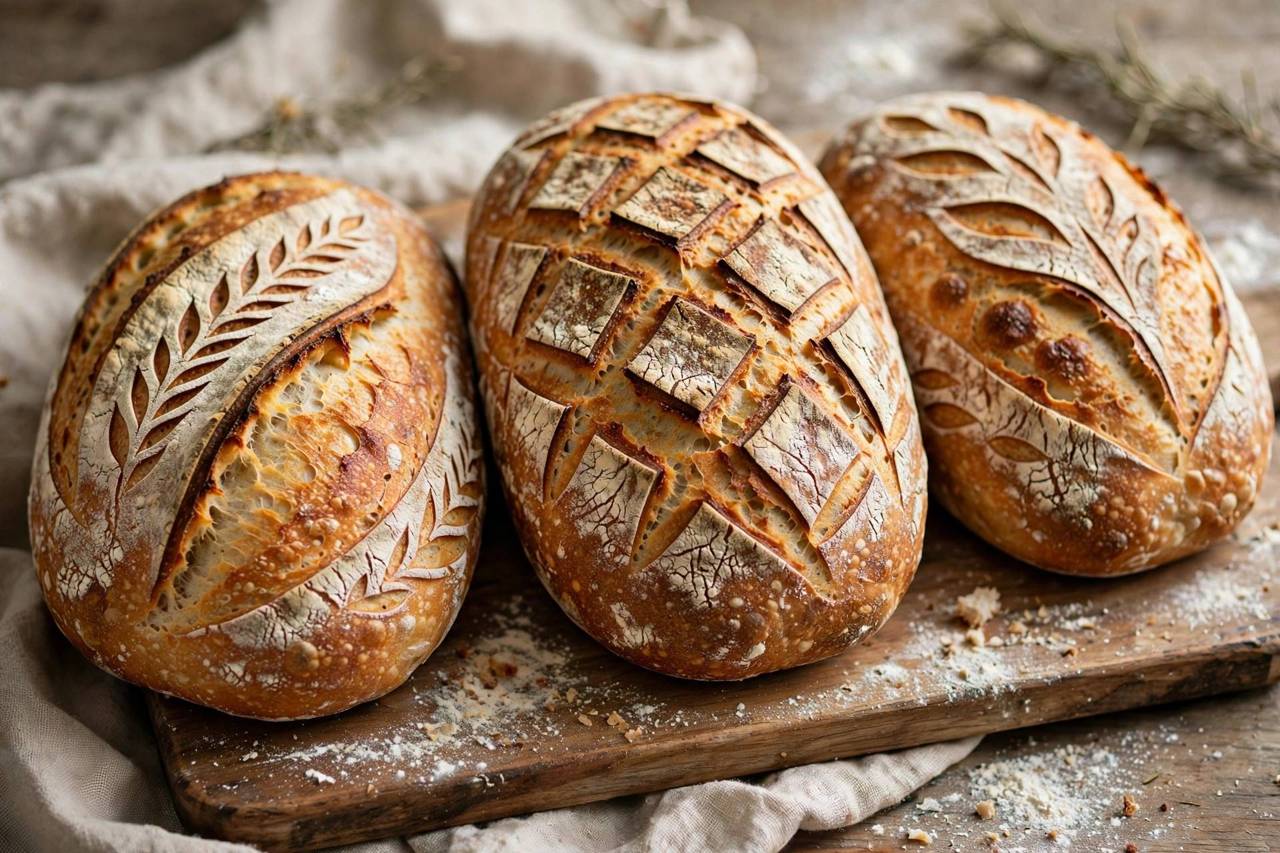
- Bake hot: a screaming-hot Dutch oven (450°F / 230°C) traps steam for a crackling crust. Bake covered, then uncovered to brown.
Your first loaf may be dense, flat, or oddly shaped. Mine was a frisbee. Bake it anyway, learn from it, and try again — every baker’s journey starts with humility and ends with the best toast of your life.
Troubleshooting: When Your Starter Misbehaves
- Dark liquid on top (“hooch”): harmless alcohol from hungry yeast. Stir it in (adds tang) or pour it off, then feed.
- Smells like acetone: hungry! Feed it — possibly twice daily for a few days to revive vigor.
- No bubbles after a week: try a warmer spot, switch to whole grain flour for feedings, or use filtered water if your tap water is heavily chlorinated.
- Mold (fuzzy spots, pink/orange streaks): the one true emergency — discard and start over. (Extremely rare with regular feeding.)
- Sluggish after fridge storage: normal. Give it 2–3 room-temperature feedings to wake fully before baking.
Starters are far hardier than their reputation suggests. When in doubt, feed it and wait — nine times out of ten, that fixes everything.
What Else Can You Make With Starter?
Bread is just the beginning. Sourdough discard (the portion you remove at feeding time) is culinary gold — do not throw it away:
- Discard pancakes and waffles: tangy, fluffy, extraordinary.
- Crackers: thin, crisp, addictive — just discard, oil, salt, and toppings, baked thin.
- Pizza dough: the tang elevates homemade pizza enormously.
- Flatbreads and naan: quick, no long fermentation needed.
- Banana bread and muffins: discard adds moisture and subtle tang.
Keep a “discard jar” in the fridge and cook from it all week. Waste nothing, enjoy everything.
Sourdough vs. Regular Bread: What’s Actually Different?
People ask me this constantly, so let us settle it. Regular bread uses commercial yeast for a fast, predictable rise – often just an hour or two. It is soft, mild, and convenient, and there is nothing wrong with it. Sourdough uses your living starter for a slow fermentation lasting many hours or even days. That time difference changes everything.
Flavor is the obvious one: sourdough’s long fermentation develops complex, tangy notes that fast bread simply cannot produce. Texture follows – the chewy crumb and shattering crust come from slow gluten development and high-heat baking. Then there is keeping quality: sourdough’s natural acidity preserves it, so a real sourdough loaf stays good for days while soft sandwich bread stales faster.
Digestibility is where it gets interesting. The long fermentation partially breaks down gluten and phytic acid, which is why many people who find regular bread heavy tolerate true sourdough comfortably. I am not making medical claims – just sharing what bakers and bread lovers have observed for centuries. And nutritionally, slower fermentation may modestly lower the bread’s glycemic impact. None of this makes sourdough a health food; it makes it what bread was for most of human history – simple ingredients, transformed by time and living cultures into something greater than the sum of its parts. That is the quiet miracle sitting in your jar – flour, water, time, and life itself, ready to become bread. Feed it, bake with it, share it with friends – this little jar of life rewards every bit of care you give it.
FAQ
What is sourdough starter made of?
Just flour and water — plus the wild yeast and lactic acid bacteria that naturally colonize the mixture from the flour and environment. No commercial yeast, no additives. It is a living culture you cultivate through regular feeding.
How long does it take to make a sourdough starter?
Typically 7 to 14 days of daily discard-and-feed cycles before the starter reliably doubles within 4–8 hours of feeding and is strong enough to leaven bread. Cooler kitchens may take a bit longer; warmth speeds things up.
How do I know if my sourdough starter is ready to bake with?
It should predictably double in size within 4–8 hours of feeding, look bubbly throughout, smell pleasantly tangy, and pass the float test (a spoonful floats in water). Consistent doubling over several days is the real confirmation.
Can sourdough starter go bad?
A regularly fed starter is remarkably resilient and can live indefinitely. True spoilage (mold, pink/orange streaks) is rare and means starting over. Dark liquid (hooch) and acetone smells just mean it is hungry — feed it. Neglect weakens starters but rarely kills them; a few days of diligent feeding usually revives them.
Do I have to discard starter every time I feed it?
Discarding keeps the culture’s food-to-microorganism ratio balanced — without it, you would need ever-increasing amounts of flour. But “discard” does not mean waste: use it in pancakes, crackers, pizza dough, and flatbreads. Many bakers keep a separate discard jar in the fridge for exactly this purpose.