What Is Citizen Journalism? How Ordinary People Report the News

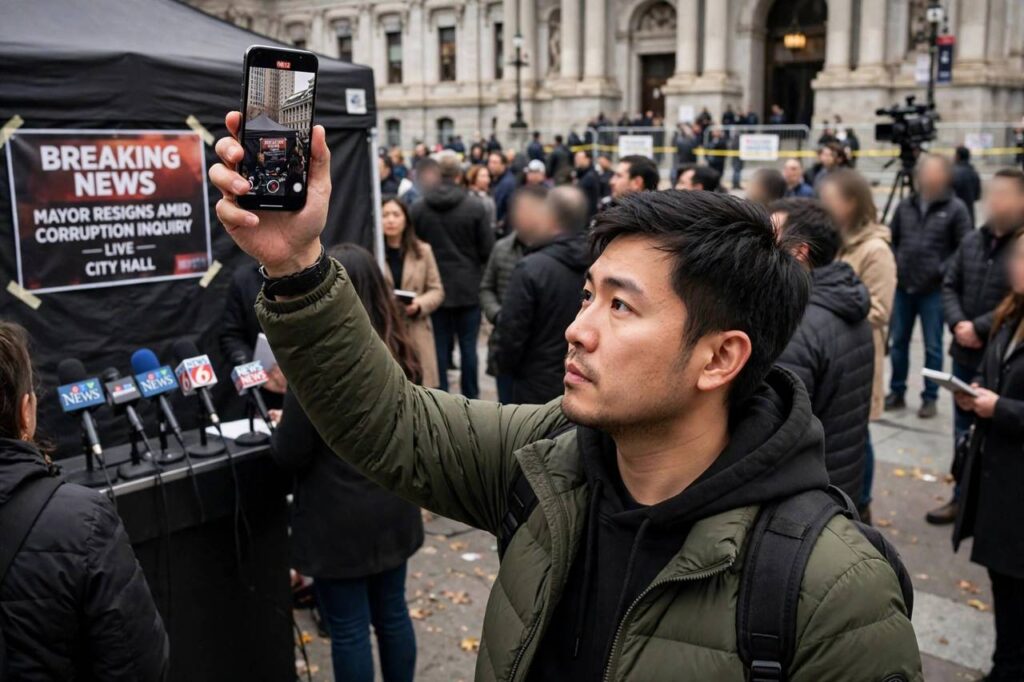
When a plane landed on the Hudson River in 2009, the first photo the world saw was not taken by a news crew. It was taken by a ferry passenger with a phone, posted online within minutes — before any network had a camera on the scene. That moment has a name, and it has reshaped how news reaches us: what is citizen journalism? It is the reporting of news by ordinary people rather than professional journalists — eyewitnesses with smartphones who capture, share, and sometimes investigate the events unfolding around them.
Here is my promise, the same one I make in everything I write about media: this guide is nonpartisan and practical. I am not here to tell you which outlets to trust or to romanticize amateurs over professionals. Citizen journalism has broken enormous stories and spread dangerous falsehoods, sometimes in the same afternoon. What matters is that you understand how it works, when it is reliable, and how to read it with clear eyes.
What Is Citizen Journalism, Exactly?
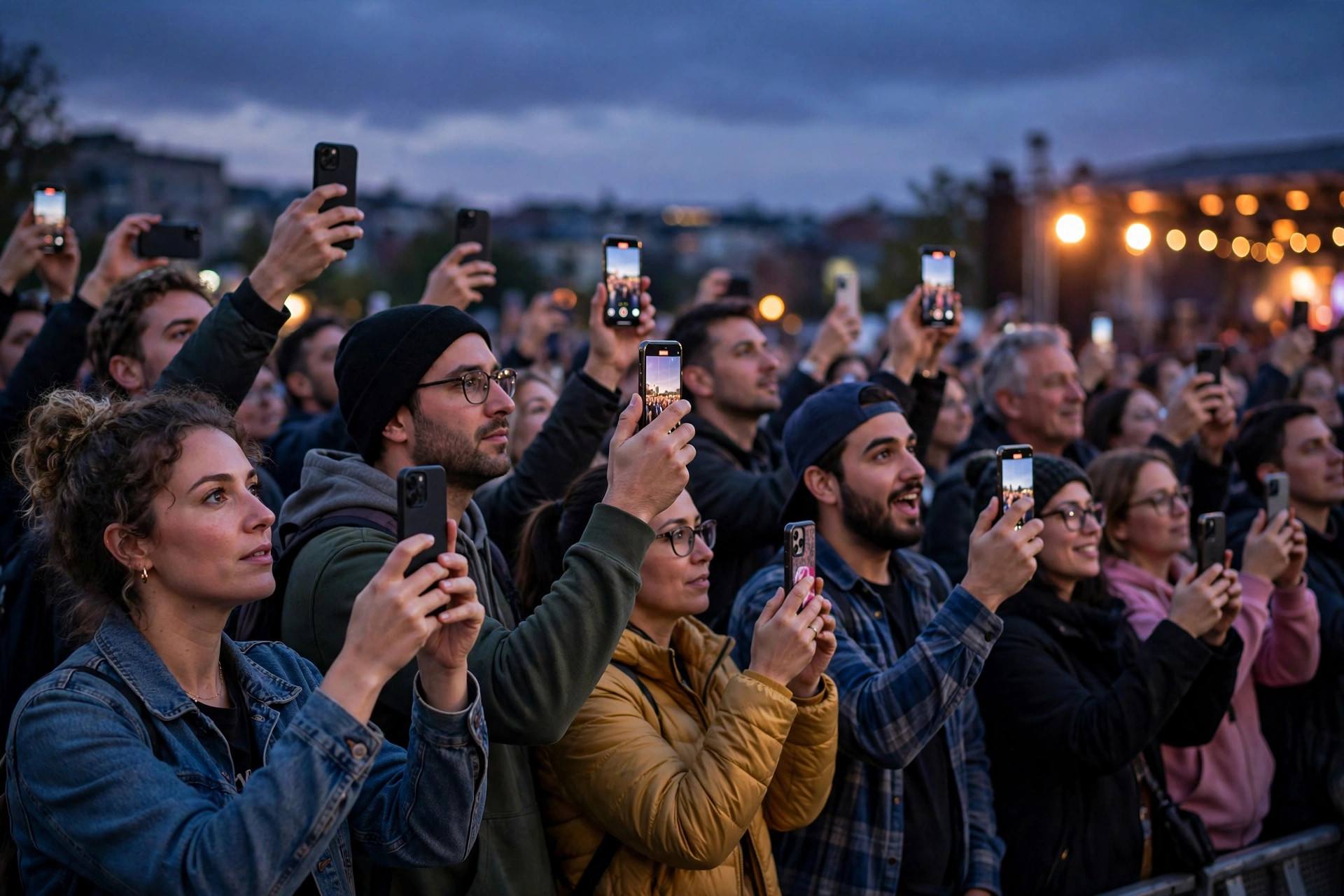
At its core, citizen journalism is news gathered and shared by members of the public rather than by trained, employed journalists. The “citizen” does not mean citizenship in the legal sense — it means someone acting as a private individual, not as part of a newsroom.
It takes several forms. Eyewitness reporting is the most common: photos and videos of breaking events, posted in real time. Participatory journalism goes further — ordinary people writing articles, running neighborhood blogs, or contributing investigations to collaborative platforms. And curatorial citizen journalism means collecting, verifying, and organizing others’ reports into a coherent picture of an event, the way open-source investigators do.
The defining feature is not amateurism — some citizen journalists are superb — but independence from newsroom structures: no editor, no fact-checking desk, no libel lawyer, no institutional reputation on the line. That independence is both the superpower and the hazard, as we will see.
Where Citizen Journalism Came From
Ordinary people have always shared news — the town crier was arguably the original citizen journalist. But the modern form has three birthdays.
The first was technological: camera phones. Once hundreds of millions of people carried a camera everywhere, every crowd became a potential newsroom. The 2004 Indian Ocean tsunami, the 2005 London bombings, and the Hudson River landing each demonstrated that bystanders could beat professionals to the scene by hours.
The second was distributional: social media. Platforms like Twitter, YouTube, and later TikTok gave eyewitnesses a broadcast tower with global reach and zero gatekeepers. A video shot in a small town could circle the planet before dinner.
The third was organizational: dedicated platforms. Sites for uploading eyewitness footage, collaborative verification projects, and nonprofit newsrooms built specifically to train and support citizen reporters turned a scattered phenomenon into something resembling an institution — albeit a decentralized one.
Today, professional newsrooms routinely rely on citizen material. Major outlets maintain desks whose entire job is sourcing, verifying, and licensing user-generated content. The relationship between citizens and newsrooms is no longer competition; it is an uneasy, essential partnership.
When Citizen Reporting Outperforms the Pros
There are situations where citizens are simply better positioned than professionals:
Speed at the scene. No newsroom, however well-funded, can station a reporter on every street corner. When something happens, the people already there will always report first. Those first minutes of footage often become the definitive visual record.
Access to closed spaces. Protests, disaster zones, conflict areas, workplaces — citizens are already inside places journalists cannot reach or are barred from. Some of the most important footage of the last two decades came from people who happened to be there.
Stories professionals miss. Newsrooms have blind spots: under-covered neighborhoods, niche communities, slow-burn issues that never become “news.” Local bloggers and community reporters often cover their own streets with a depth no visiting correspondent can match.
Sheer volume. During major events — elections, natural disasters, large protests — thousands of simultaneous citizen reports can create a mosaic no single newsroom could assemble. Open-source investigators have used this mosaic to verify events with remarkable precision.
The Risks: Speed vs. Accuracy
Now the other side, and I will be blunt: citizen journalism fails in predictable ways, and you should know the patterns.
No verification process. A professional reporter (a good one, anyway) confirms with two sources, checks context, and gets an editor’s review before publishing. A citizen reporter posts. That gap is where misidentified suspects, mislabeled locations, and recycled old footage presented as new all live.
Missing context. A 30-second clip shows what the camera saw, not what happened before or after. Some of the most misleading viral videos in history were technically real footage presented with false framing. The video was true; the story told about it was not.
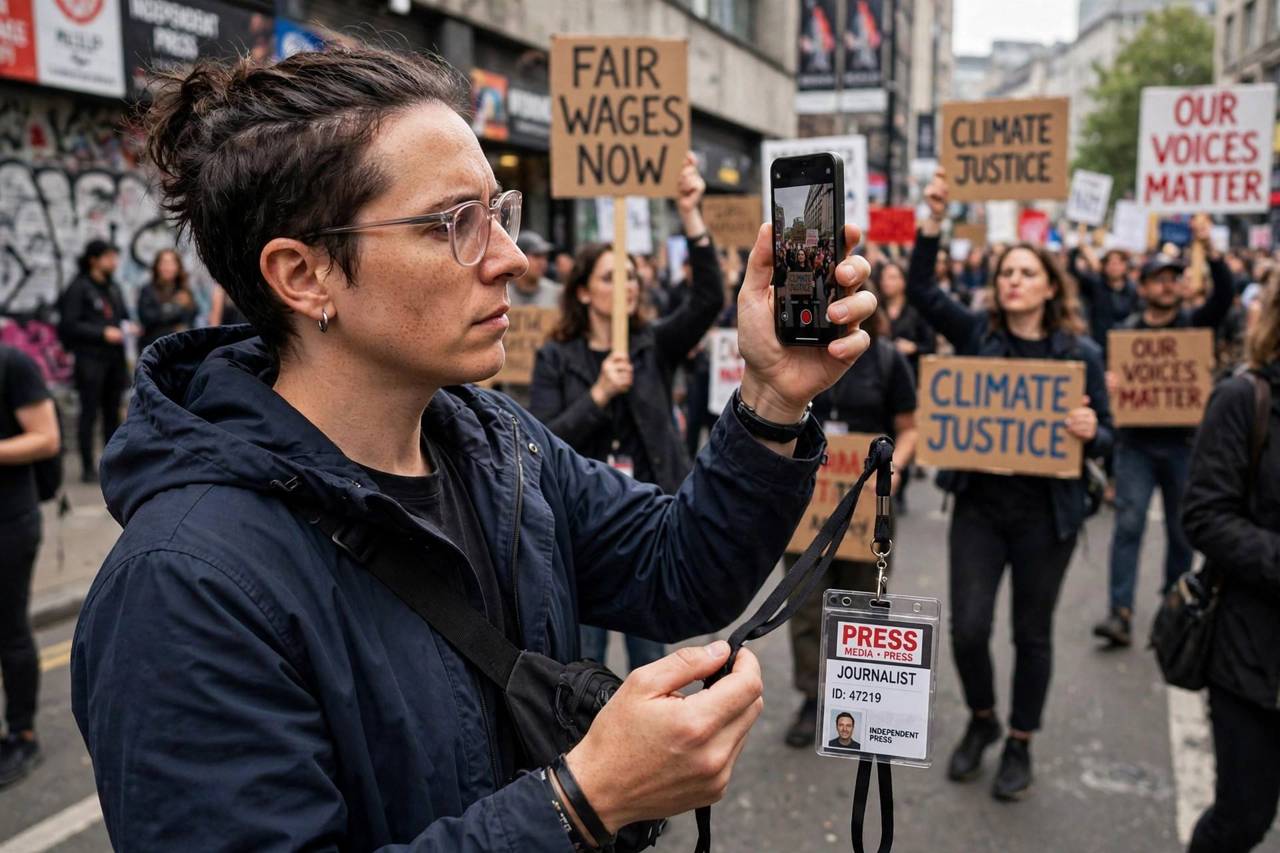
Bias and agenda. Everyone has a viewpoint, but professionals are at least nominally bound by standards of fairness. Citizen reporters may be participants in the events they cover — protesters filming protests, employees filming employers. Their footage is valuable and their perspective is partial. Both things are true.
Manipulation. Bad actors create fake “eyewitness” accounts, stage events, or flood platforms with coordinated content. During breaking news, the fog is thickest in the first hours — exactly when citizen content dominates.
Legal and safety risks for the reporters themselves. Filming police, protests, or disasters can put citizen journalists in genuine danger, and they lack the legal backing, training, and protective equipment that news organizations provide their staff.
How to Read Citizen-Reported News With Clear Eyes
You do not need to dismiss citizen journalism — you need a verification habit. Here is a practical checklist:
1. Check the source’s track record. Is this an established local account with a history, or a two-day-old profile with three posts? Longevity and consistency are weak but real signals.
2. Look for corroboration. One video is a claim; three videos from different angles are evidence. Search for other footage of the same event before forming conclusions.
3. Verify time and place. Reverse-image-search key frames. Check whether shadows, signage, license plates, and weather match the claimed location and date. Old footage recirculated as new is one of the most common tricks.
4. Watch for the full clip. If you only see an excerpt, ask what was cut. The most-shared version of a video is often the most dramatic edit, not the most informative one.
5. Note what the poster is not showing. A citizen reporter films what interests or outrages them. Ask yourself: who is holding the camera, what is their stake, and what might be just outside the frame?
6. Wait before sharing. The single most powerful habit. In the first hour of breaking news, a large share of viral claims turn out to be wrong. Let the verification catch up. Understanding how news feed algorithms decide what you see also helps — outrage travels faster than accuracy, and the algorithm knows it.

The Future: Citizens and Newsrooms Together
The old debate — will citizen journalism replace professional journalism — has been settled by reality: neither replaces the other. What has emerged instead is a hybrid system. Citizens provide the raw material of breaking news: speed, volume, access. Newsrooms provide what citizens usually cannot: sustained verification, context, legal protection, and accountability over time.
The healthiest version of this ecosystem is already visible in places: newsrooms that credit and compensate citizen contributors, verification collectives that train volunteers in open-source methods, and audiences — you — who have learned to treat viral footage as a starting point for inquiry rather than a conclusion.
Citizen journalism is not going away. The cameras are not going back in pockets. The question is not whether ordinary people will report the news, but whether the rest of us will get good at reading their reports. That skill — patient, skeptical, fair-minded — is the real story here.
Moments When Citizen Journalism Changed History
A few cases show the full range — the triumphs and the warnings — of citizen reporting:
The Hudson River landing (2009). When US Airways Flight 1549 ditched in the Hudson, a ferry passenger’s phone photo reached the public before any news helicopter was airborne. It remains the textbook example of citizens beating newsrooms to a story that mattered.
The Arab Spring (2010–2012). Across the Middle East and North Africa, protesters used phones and social platforms to document events that state media would not cover. The footage shaped international understanding of the uprisings — and also demonstrated how quickly unverified claims could spread alongside real ones.
The Boston Marathon bombing (2013). This was the cautionary tale. Amateur sleuths online misidentified innocent people as suspects, and the speculation spiraled badly enough that law enforcement had to publicly warn the public to stop. Speed without verification caused real harm to real people.
George Floyd (2020). A bystander’s phone video contradicted the initial official account and became central evidence in one of the most consequential news stories of the decade. Without that citizen footage, the story — and history — would look very different.
The pattern across all four: citizen journalism is most powerful as a check on power and a witness to events, and most dangerous when it substitutes for verification. Knowing which mode you are looking at is the skill.
FAQ
What is citizen journalism in simple terms?
Citizen journalism is news reported by ordinary people instead of professional journalists — typically eyewitness photos, videos, and accounts shared on social media or dedicated platforms, often from the scene of breaking events.
Is citizen journalism reliable?
Sometimes very, sometimes not at all. It excels at speed and access but lacks professional verification. Treat it as a valuable starting point: look for corroboration from multiple sources and check time, place, and context before trusting or sharing.
What is an example of citizen journalism?
The 2009 Hudson River plane landing photo, taken by a ferry passenger and shared online before news crews arrived, is a classic example. More routinely, protest footage, disaster videos, and neighborhood reporting on social media all qualify.
Can citizen journalists get press credentials?
It depends on the jurisdiction and the event. Some places grant credentials to freelancers and bloggers; many restrict them to employees of recognized outlets. Citizen journalists generally lack the legal protections and access that credentialed press receive.
How is citizen journalism different from blogging?
Blogging is a format; citizen journalism is a function. A blog can contain citizen journalism (reporting on local events), but most blogs are opinion, commentary, or niche expertise rather than news reporting.
Keep Reading
- The Lighthill Report Explained: The Paper That Froze AI Funding
- LLC Annual Report Requirements by State (What You Owe and When)
- The Lighthill Report: The Paper That Froze AI Funding