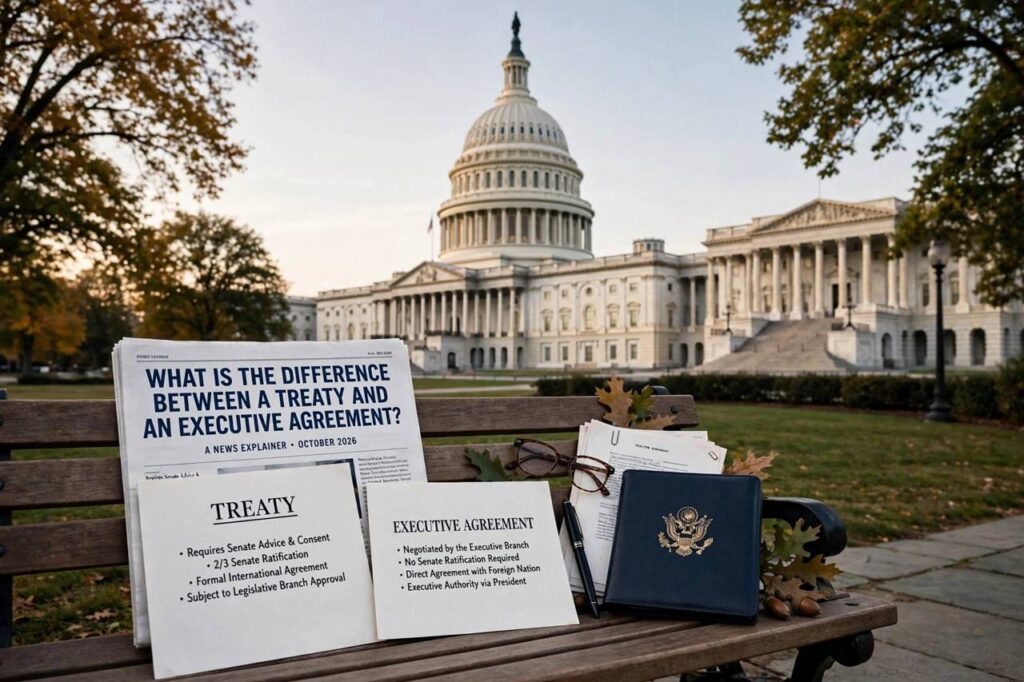
Best Newsletters to Subscribe To: A Curated Guide for Smarter Inboxes

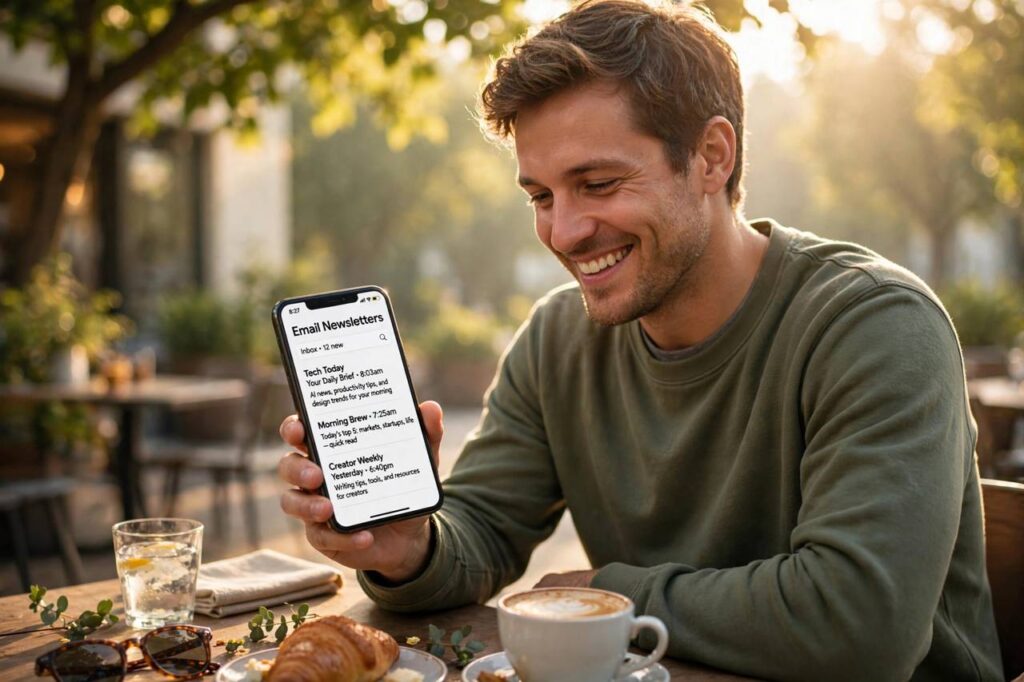
Your inbox is prime real estate. Every morning, it competes for the most precious thing you own — your attention. So the question of the best newsletters to subscribe to is really a question about how you want to start your day: doomscrolling through algorithmic chaos, or reading something genuinely worth your time?
I am Michael, and I have spent years studying how people consume news. Here is my honest take: a well-curated set of newsletters is the healthiest information diet available today. No rage-bait algorithms, no infinite scroll — just thoughtful writing delivered on your schedule. This guide will help you find the right ones for you, across every major interest, plus how to manage them so your inbox stays a joy instead of a burden.
Why Newsletters Beat the Algorithm
Before the recommendations, let us establish why newsletters deserve your attention in the first place:
- Human curation: a real editor chose every story — no engagement-optimized outrage machine deciding what you see.
- Finite by design: a newsletter ends. You read it, you are done, you move on with your day. Compare that to the infinite scroll.
- Depth over hot takes: the format rewards explanation and analysis rather than 280-character reactions.
- Direct relationship: writers answer replies. Try getting a thoughtful response from an algorithm.
- Your schedule: morning briefings, weekly deep-dives, Sunday reads — you choose the rhythm.
Understanding how news feed algorithms work makes the contrast even sharper — newsletters put you back in control of your information diet.
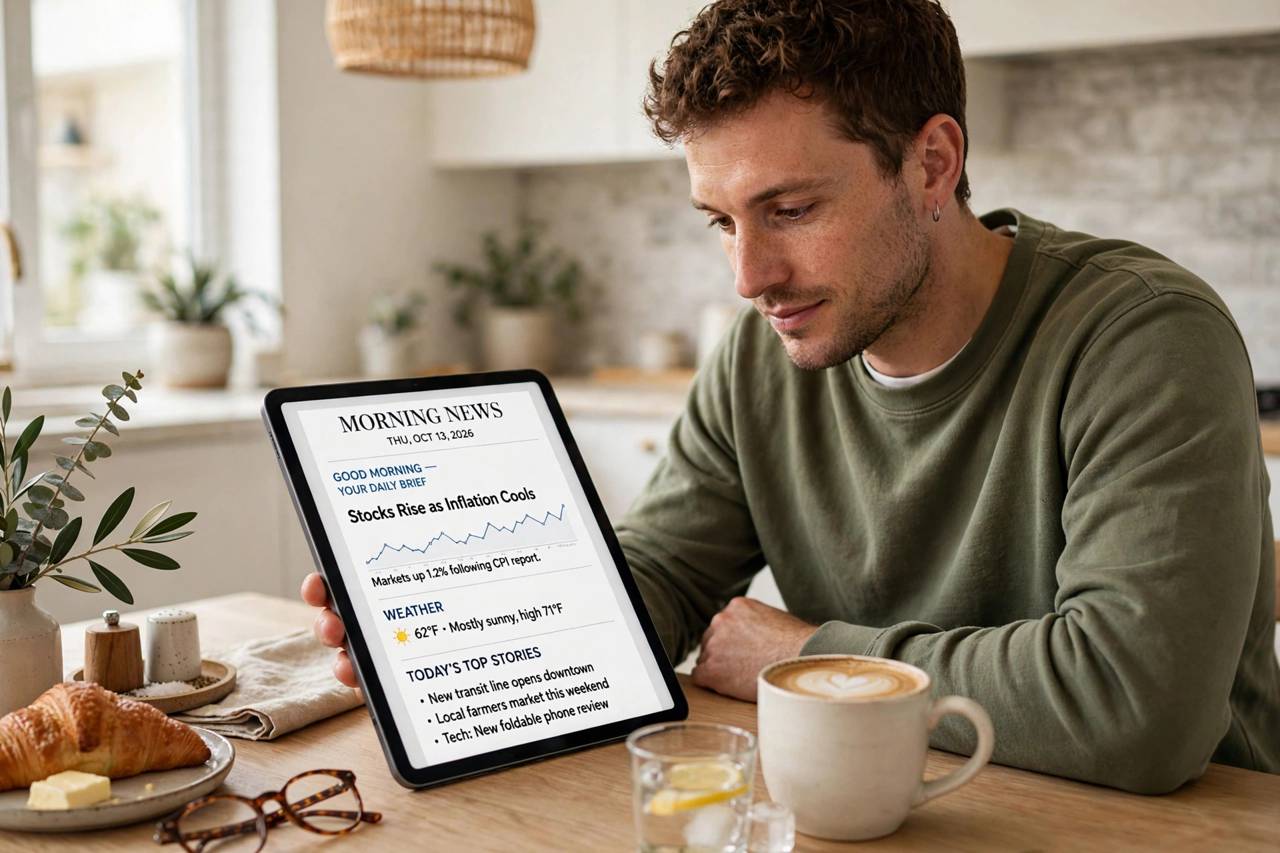
Best News Newsletters: Start Your Day Informed
Every informed citizen needs at least one solid daily briefing. Look for newsletters that:
- Cover the essential stories in 5–10 minutes of reading
- Link to original reporting so you can dig deeper
- Maintain a clear, nonpartisan tone (or are transparent about their perspective)
- Separate news from opinion clearly
The best general news briefings share a formula: what happened, why it matters, and what to watch next — all before your coffee cools. Pick one primary daily briefing as your anchor, and add a weekly long-form option for depth. Two is plenty; five daily news emails is how inboxes become stressful.
Best Tech Newsletters: Stay Ahead of the Curve
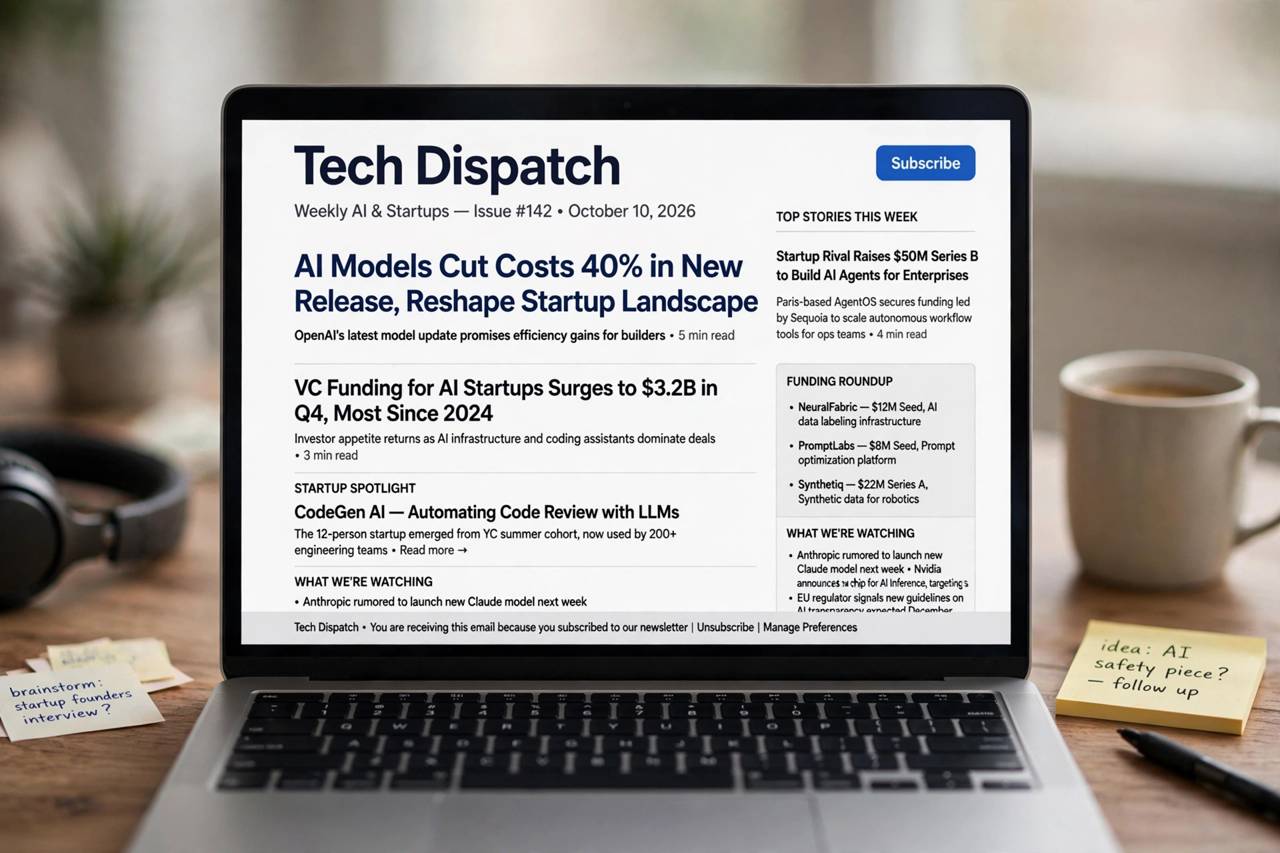
Technology moves fast, and good tech newsletters translate the noise into signal. The standouts in this space typically offer:
- Industry analysis: what the big moves by major companies actually mean, beyond the press releases
- Emerging tech explainers: AI, chips, biotech, and energy — explained for smart non-specialists
- Startup and venture coverage: where the money is flowing and which ideas are gaining traction
- Practical tech advice: tools, apps, and workflows that genuinely improve your digital life
Choose based on your depth: casual observers do well with a weekly roundup, while professionals in the industry benefit from daily analysis. Either way, prioritize writers who explain implications, not just announcements.
Best Business and Finance Newsletters
Whether you run a business, invest, or just want to understand the economy, the right business newsletter is invaluable. Look for:
- Clear explanations of markets and economic trends without jargon walls
- Profiles of companies and founders that teach through stories
- Actionable insights for entrepreneurs and professionals
- Honest coverage that acknowledges uncertainty rather than pretending to predict the future
A word of caution: treat any newsletter promising investment “secrets” or guaranteed returns with extreme skepticism. The legitimate ones educate; the dubious ones sell dreams. The best business writing makes you smarter about decisions — it never makes the decisions for you.
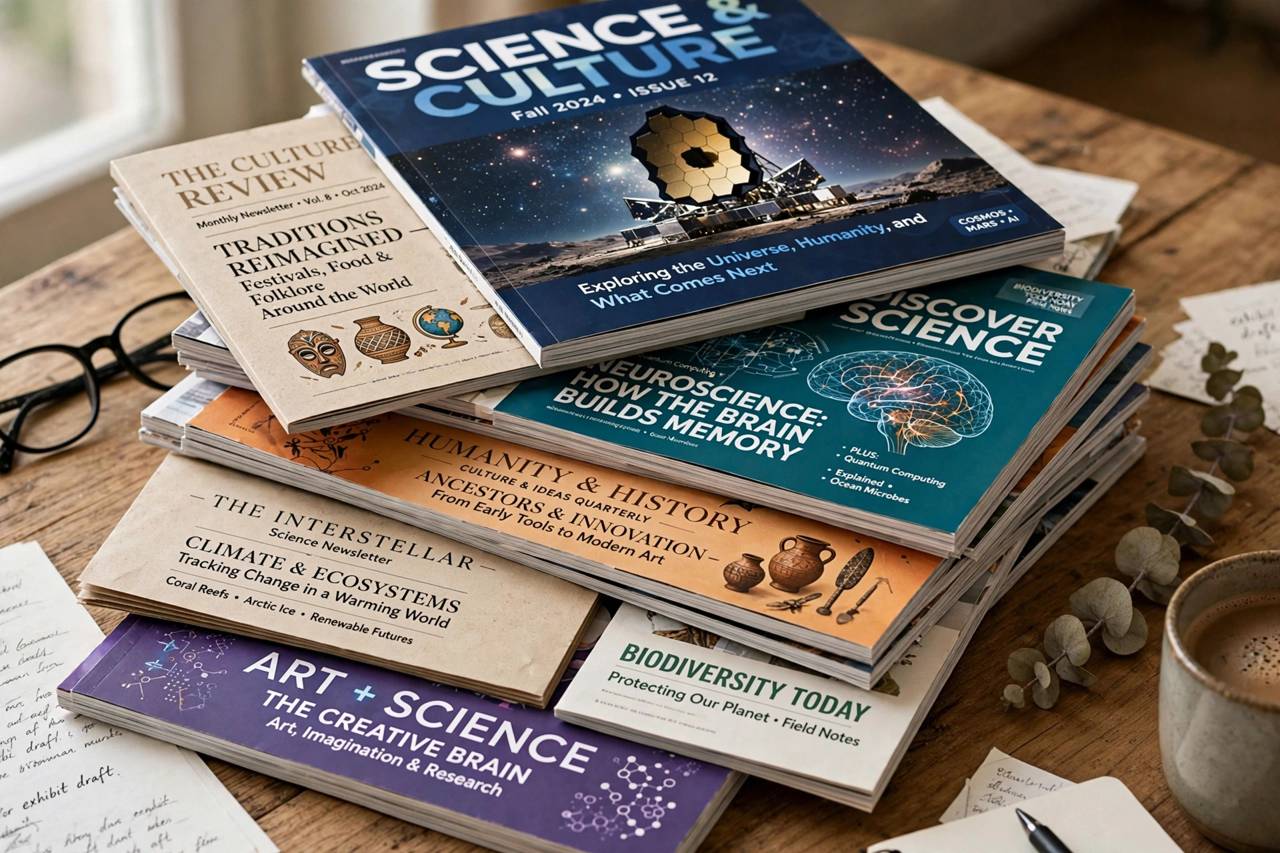
Best Culture, Science, and Curiosity Newsletters
Not everything needs to be “useful.” Some of the best newsletters simply make you more interesting:
- Science explainers: new research translated into plain language, with honest caveats about what studies do and do not prove
- Culture criticism: thoughtful takes on books, film, music, and art — the kind of writing that deepens your own taste
- Curiosity roundups: fascinating stories from history, nature, and human achievement — perfect Sunday reading
- Design and creativity: inspiration for makers, with process stories from working creatives
These are the newsletters people forward to friends with “you have to read this.” Subscribe to at least one purely for joy.
Best Newsletters for Specific Professions
Niche professional newsletters are often the highest-value subscriptions of all, because they aggregate exactly what your career needs:
- Marketers and creators: tactics, case studies, and platform changes explained practically
- Developers: curated tools, techniques, and industry shifts without the hype
- Educators: research-backed teaching ideas and policy developments
- Healthcare professionals: study summaries and practice-relevant updates
- Freelancers: business-of-freelancing advice — pricing, clients, and sustainability
Search “[your profession] newsletter” and try the top two or three for a month. The good ones feel like a mentor in your inbox; the mediocre ones feel like spam. You will know within two weeks.
How to Find the Best Newsletters to Subscribe To
Before subscribing to anything, run it through this filter:
- Who writes it? Named humans with verifiable expertise beat anonymous content farms.
- What is the business model? Reader-supported (paid subscriptions) aligns incentives with quality; purely ad-driven can incentivize sensationalism.
- Try before you commit: read 3–4 archived issues. Consistency of quality matters more than one brilliant edition.
- Check the frequency fit: a daily you never read is worse than a weekly you devour. Match cadence to your actual habits.
- Unsubscribe ruthlessly: the corollary to subscribing freely. If you skip three issues in a row, unsubscribe. No guilt.
Managing Your Newsletter Diet
Newsletters only work if they do not overwhelm you. My system:
- Cap your subscriptions: 5–8 active newsletters is the sweet spot for most people. More than that and reading becomes triage.
- Use a dedicated reading time: morning coffee, lunch break, Sunday morning — batch them instead of reading reactively all day.
- Consider a separate email or filters: route newsletters to a folder so they never compete with urgent mail.
- Quarterly audit: every few months, ask of each subscription: “Did I read the last three? Did I enjoy them?” Cut without mercy.
- Pay for the ones you love: if a free newsletter consistently delivers value, consider the paid tier. Quality independent writing needs support, and paid subscriptions are how it survives.
Red Flags: Newsletters to Avoid
- Constant outrage and fear-mongering with no actionable insight
- Anonymous authors with no verifiable track record
- Promises of secret knowledge, guaranteed returns, or suppressed truths
- Content that is 90% selling and 10% substance
- Plagiarized or aggregated content with no original reporting or analysis
Your attention is valuable. Spend it on writers who respect it.
A Starter Stack: My Suggested First Five
If you are starting from zero, here is a balanced starter set covering the essentials without overwhelming your mornings. One daily news briefing – your anchor for staying informed in under ten minutes. One weekly deep-dive – long-form journalism or analysis on topics that matter to you. One industry/professional newsletter – whatever keeps you sharp in your work. One curiosity/culture pick – pure enjoyment, the one you actually look forward to. One practical/life-improvement letter – productivity, finance basics, or a skill you are building.
That is five. Live with these for a month before adding anything. Notice which ones you open eagerly, which you skim, and which you skip – then adjust. Your ideal stack is personal; this is just a sane starting point. The goal is an inbox that makes you smarter and happier, not one that makes you feel behind.
Newsletters for Learning New Skills
An underrated use of newsletters: structured learning delivered in digestible pieces. There are excellent newsletters that teach a skill lesson-by-lesson – writing craft, data literacy, photography fundamentals, investing basics, even new languages in daily micro-lessons. The format is ideal for learning because it enforces spaced repetition: small lessons arriving regularly beat weekend cramming.
When evaluating learning newsletters, look for a clear curriculum (not random tips), actionable exercises in each issue, and archives you can binge from the beginning. The best ones feel like a patient tutor rather than a content feed. Pick one skill, subscribe to one teacher, and give it three months – you will be amazed how much compounds from five minutes a day.
From Reader to Writer: Starting Your Own
Here is a delightful side effect of reading great newsletters: eventually, you will want to write one. And you should. The barrier to entry has never been lower – free platforms let you start in an afternoon, and your unique perspective is exactly what someone else is looking for. Start by writing about what you already read deeply: your professional niche, your obsessive hobby, your neighborhood. Publish consistently, write like you talk, and reply to every reader email in the early days. Some of today’s most influential independent writers started exactly this way – as readers who decided to join the conversation. Your inbox is waiting – curate it like the precious resource it truly is, every single day.
FAQ
How many newsletters should I subscribe to?
Five to eight active subscriptions is the sweet spot for most readers — enough for variety, few enough to actually read. Start with fewer and add gradually. If you find yourself skimming or skipping, you have too many; unsubscribe ruthlessly.
Are paid newsletters worth it?
Often, yes — paid subscriptions align the writer’s incentives with quality rather than clicks or ads. Before paying, read several free issues to confirm consistent value. Many excellent newsletters also offer substantial free tiers, so you can start free and upgrade for the ones you love most.
How do I avoid newsletter overload?
Cap subscriptions at 5–8, route them to a dedicated folder, batch-read at set times instead of reactively, and audit quarterly — unsubscribing from anything you have skipped three times running. Newsletters should feel like a treat, not a chore.
What makes a newsletter trustworthy?
Named authors with verifiable expertise, transparent corrections policies, clear separation of news and opinion, original reporting or analysis (not just aggregation), and a sustainable business model. Be skeptical of anonymous, outrage-driven, or promise-laden publications.
Can newsletters replace social media for news?
For staying informed, largely yes — and many people find the switch improves both their knowledge and their mood. Newsletters lack real-time breaking coverage and diverse serendipitous discovery, so consider keeping one social source for those, used intentionally rather than habitually.