What Is a Carfax Report? How to Read One Like a Pro

What is a Carfax report? It is a vehicle history report — a dossier compiled from thousands of data sources that tells you what a used car has been through before you buy it: accidents, title problems, odometer rollbacks, service history, ownership changes, and more. For anyone shopping used cars, it is the closest thing to a background check for a vehicle. I have bought, sold, and inspected enough used cars to tell you plainly: never buy a used car without checking its history, and this guide will teach you to read the report like someone who does it for a living.
We will walk through every section of the report, build a red-flags checklist, cover what Carfax cannot tell you (this part matters), look at free alternatives, and finish with how to use the report as negotiation leverage. If you are early in the buying process, this used car buying guide covers the full process this report fits into.
What Is a Carfax Report? The Sections, Explained
A standard report opens with a summary dashboard — accident history, number of owners, service history records, open recalls, and any title brands (salvage, flood, lemon). This one page tells experienced buyers 80% of what they need; learn to read it first and drill down only when something needs explaining.
Vehicle specifications confirm the basics: year, make, model, trim, engine, drivetrain, and factory options, decoded from the VIN. Verify this matches the actual car — mismatches here are a walk-away signal. Accident and damage history lists reported incidents with dates, locations, severity indicators, and sometimes airbag deployments. Service history shows maintenance records from participating dealers and shops — oil changes, brake work, recalls performed. Ownership history tracks the number of owners, how long each kept it, and the states it lived in (rust-belt cars and flood-zone cars tell their own stories). Title history is the critical one: it flags salvage titles, rebuilt titles, flood damage, lemon-law buybacks, and odometer discrepancies.
The Red-Flags Checklist
Run every report against this list. Any single item is not an automatic rejection, but each one demands an explanation and a price adjustment — and several together mean walk away.
Title brands: salvage, rebuilt, flood, or lemon-law titles. These permanently reduce value and can complicate insurance and financing. Accident with airbag deployment or structural damage: cosmetic fender-benders are normal; structural damage changes how the car protects you. Odometer rollback or discrepancy: the report flags mileage inconsistencies — a major fraud indicator. Multiple owners in short succession: three owners in two years suggests everyone discovered the same problem. Long gaps in service history on a car that should have records. Registration in flood or hurricane zones followed by quick relocation. Open recalls never addressed. Commercial or rental history (not disqualifying, but it means hard use — price accordingly).
The pattern to watch: problems cluster. A car with one minor accident and full service records is a normal used car. A car with an accident, a title wash across state lines, and three owners in eighteen months is a story you do not want to buy into.
What a Carfax Report Does NOT Show
This is the section most buyers skip, and it is the most important one. Carfax only knows what gets reported to its data sources. Accidents repaired without insurance claims — cash deals at independent body shops — often never appear. Maintenance done at home or at non-reporting shops leaves no trace. A clean report is evidence of no reported problems, not proof of no problems.
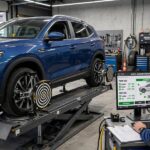
Carfax also cannot tell you the car’s current condition. A perfect history means nothing if the transmission started slipping last month. This is why the report is step one, not the whole process: it screens out the bad cars efficiently, but the survivors still need a pre-purchase inspection by an independent mechanic. The $150 inspection has saved buyers I know from five-figure mistakes, repeatedly. The report tells you the car’s past; the mechanic tells you its present. You need both.

Free and Cheaper Alternatives
Carfax reports cost money per report (or less via unlimited-report subscriptions during an active search). Before paying, exhaust the free options. The NHTSA VIN decoder (free) confirms factory specs and open recalls from the VIN. The NICB VIN check (free) flags total-loss and theft records from insurers. Many dealers provide free reports for cars on their lots — ask, and be suspicious if they refuse.
Competitors like AutoCheck (Experian) sometimes surface different data — running both on a finalist car is a legitimate belt-and-suspenders move, since their source networks differ slightly. For private-party purchases where every dollar counts, at minimum run the free checks; for anything over a few thousand dollars, the paid report is cheap insurance.
One more free resource buyers overlook: the seller themselves. Ask the owner directly about accidents, why they are selling, and where the car was serviced — then verify the answers against the report. Honest sellers answer easily and their story matches the paperwork. Evasive sellers contradict the report. The five-minute conversation is free, and the discrepancies it reveals are priceless.
Using the Report as Negotiation Leverage
A report with blemishes is not just a warning — it is a discount coupon. Every negative entry has a market value: minor accident history typically knocks 10–15% off comparable clean-title pricing; multiple owners, patchy service records, and upcoming major maintenance (visible in the service history gaps) each justify further reductions. Come to the negotiation with printed comparable listings and the specific report entries highlighted.
The script that works: “I like the car. The report shows [specific issue], which means [consequence]. Comparable cars without this issue are listed at [price]. I can do [your offer].” Specific, calm, documented. Sellers expect negotiation; what surprises them is a buyer who did the homework. And if the seller dismisses the report entirely — “Carfax is always wrong” — consider what else they might be dismissing.
Dealer Tactics Around Vehicle History
Knowing how sellers handle history reports makes you a harder target. The volunteer: a good dealer hands you the report before you ask — a genuine trust signal. The deflector: “We did our own 150-point inspection” — inspections and history are different things; insist on both. The minimizer: “It was just a bumper” — check whether the report says that, and whether airbags deployed (the report distinguishes). The report-shopper: a seller who shows you one provider’s clean report while another provider flags issues — this is why running both major providers on a finalist is smart.
The curbstoner: unlicensed sellers flipping cars from driveways and parking lots, often with washed titles and rolled-back odometers. They cluster on marketplace sites, price slightly below market, and resist inspections and history checks alike. Any resistance to a report or an independent inspection is disqualifying — legitimate sellers welcome scrutiny because it validates their price.
Carfax for Sellers: History as a Selling Tool
This guide is buyer-focused, but sellers should know: a clean report is a price premium. Providing the report upfront builds trust, shortens negotiation, and justifies asking prices — buyers pay more for certainty. If your car has blemishes, disclosing them with context (“minor rear-end in 2021, professionally repaired, here are the receipts”) controls the narrative far better than letting the buyer discover them alone.
Before listing, run your own car’s report. You might discover an error to dispute (reports do contain mistakes — the providers have dispute processes), an open recall to fix for free (which removes a buyer objection), or service records you forgot existed that strengthen your asking price. Know your car’s paper trail before the buyer does.
The Pre-Purchase Inspection: Non-Negotiable
I will say it once more because it matters more than everything else in this guide: get an independent pre-purchase inspection. The report screens the car’s past; a mechanic on a lift screens its present — fluid conditions, suspension wear, hidden rust, frame measurements, diagnostic codes. It costs roughly $150–200 and takes an hour. Schedule it at a shop near the seller, and make the sale contingent on the results. Every experienced buyer I know has a story about an inspection that killed a deal — and every one of them is grateful. The report gets you to the finalists; the inspection picks the winner.
FAQ
How much does a Carfax report cost?
Single reports run around $40–45; multi-report packages bring the per-report cost down significantly. Given the purchase price of a car, it is negligible insurance — never skip it to save the fee.
Is Carfax always accurate?
Generally reliable for what it reports, but incomplete by nature — unreported accidents and cash repairs never appear. Treat a clean report as “no reported problems,” not “no problems,” and always get an independent inspection.
Can a car have a clean Carfax and still have been in an accident?
Yes, if the accident was never reported to insurance or police — private cash repairs at independent shops often leave no record. This is the report’s biggest blind spot.
What is the difference between Carfax and AutoCheck?
Both are vehicle history providers with slightly different data sources. Carfax has broader service-record coverage; AutoCheck’s scoring system is popular with dealers. Running both on a finalist is reasonable.
Do dealers have to provide a vehicle history report?
Requirements vary by state — some mandate disclosure of known title brands, but few require providing a full report. Always ask; a refusal to share history is itself information.
What does “title washing” mean?
Moving a branded-title car (salvage, flood) through states with looser title laws to get a clean-looking title. The report’s state-by-state registration history is how you spot it — watch for quick interstate moves after a brand appears.
Conclusion
A Carfax report is a background check, not a crystal ball: read the summary first, run the red-flags checklist, respect what it cannot show, use blemishes as negotiation leverage, and always pair it with an independent mechanic’s inspection. The buyers who get burned are the ones who skipped one of these steps — usually the inspection, sometimes the report itself. Do all of them, and you will buy with the confidence of someone who has seen what hides in vehicle histories — because now you have.