Pope Leo XIV Health: What We Know After His Lung Surgery

News about Pope Leo XIV health became the focus of the world’s attention on Tuesday, October 13, 2026, when the Vatican announced that the 71-year-old pontiff had undergone successful surgery to remove the lower lobe of his right lung. Post-operative tests confirmed what doctors had suspected: the pope has lung adenocarcinoma, a common form of lung cancer. The Vatican said the surgery was successful with no complications, and the pope is now recovering at Rome’s Gemelli hospital with all public engagements cancelled through at least October 20. Here’s everything confirmed so far, and what it means for the first American-born pontiff’s 17-month papacy.
What Happened: The Timeline
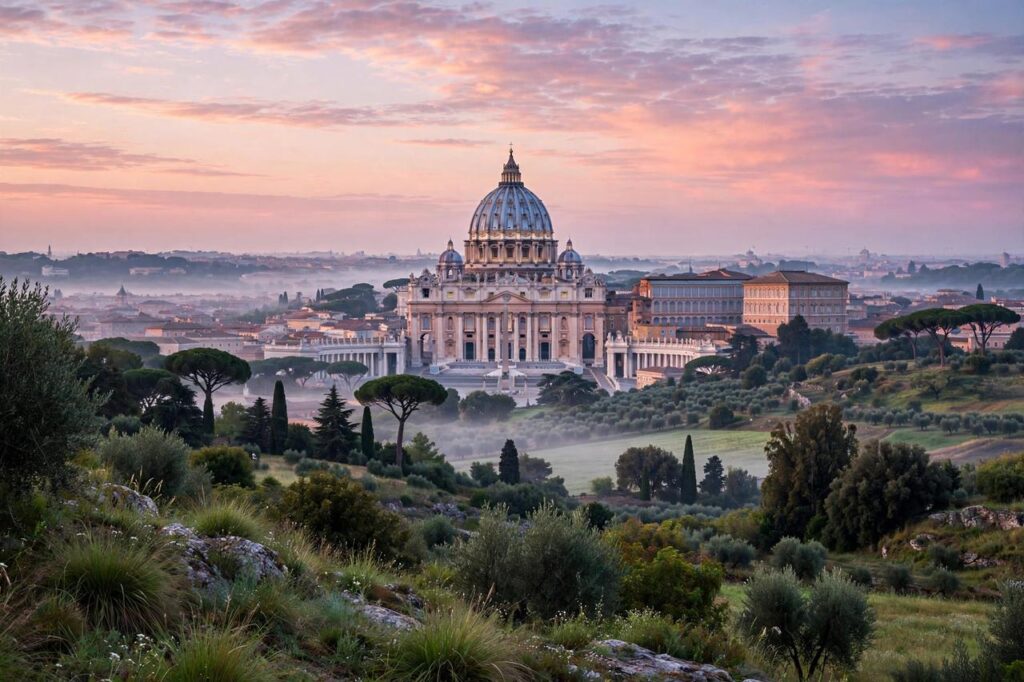
The story began on Sunday, October 11, when Pope Leo XIV did something unusual: he told the world himself. During his noon prayer in St Peter’s Square, speaking in Italian, he revealed that doctors had found a small nodule on his lung during a recent medical checkup and recommended surgery to remove it. The doctors believed it was best to take action, he said, and he had decided to follow their advice.
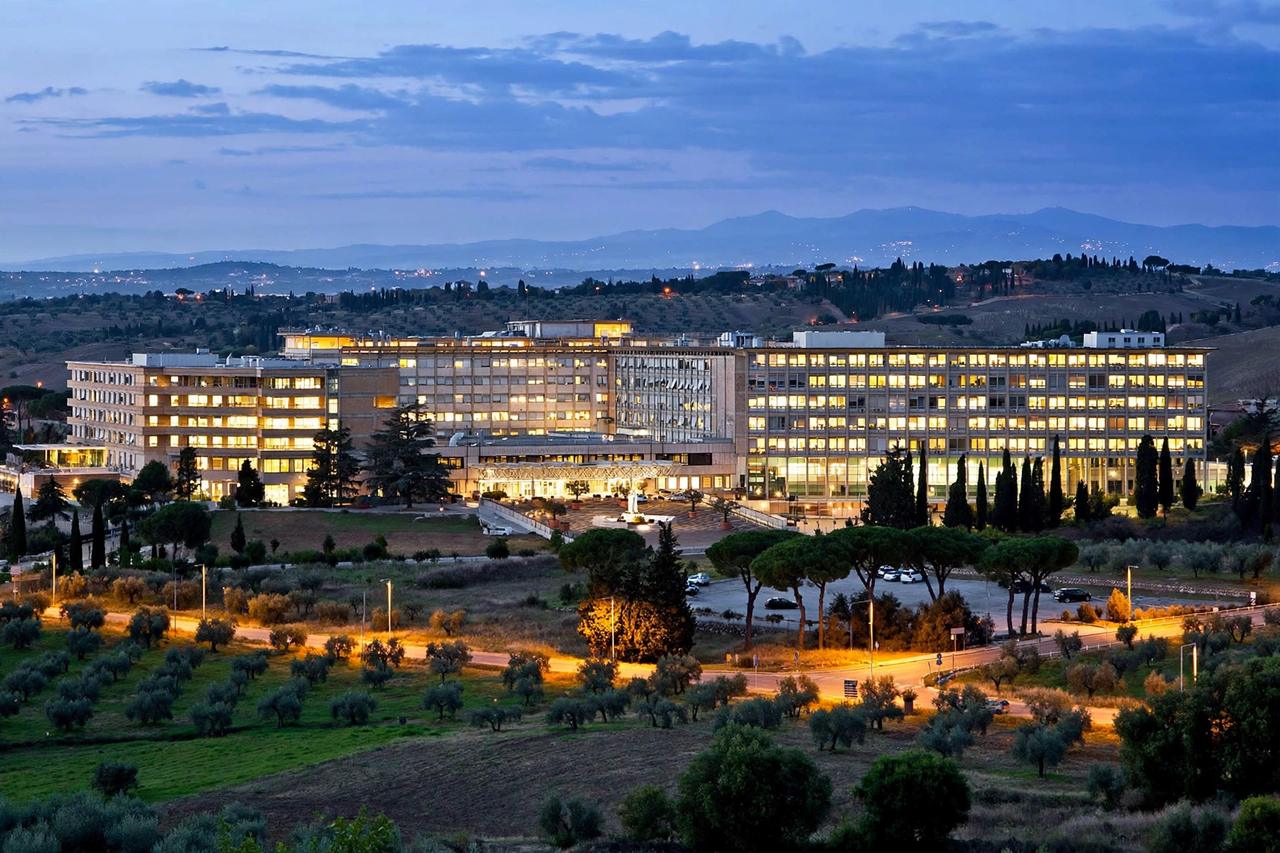
On Tuesday, October 13, he was admitted to Rome’s Agostino Gemelli hospital, the facility that has long treated senior church leaders. He walked in through the main entrance, waving to dozens of well-wishers who had gathered. The operation was performed by a team led by the hospital’s chief thoracic surgeon, Dr. Stefano Margaritora. He spent roughly three hours in the surgical wing, with the surgery itself lasting about 90 minutes.
That evening, the Vatican released a medical bulletin with the key finding: tissue tests conducted during the procedure confirmed lung adenocarcinoma. The diagnosis had been suspected from preoperative tests and was confirmed once surgeons intervened. The bulletin said the surgery was successful and there were no complications, and the pope had woken up normally, returning to his room to rest.
Understanding the Diagnosis: Lung Adenocarcinoma
Lung adenocarcinoma is the most common type of lung cancer, and it is the form most frequently found in people who have never smoked, often beginning as a small nodule like the one discovered in the pope’s case. A lung nodule is a small growth or lesion in the lung; most turn out to be benign, but some require investigation, which is why the pope’s doctors recommended removal.
The procedure he underwent is called a lobectomy: the surgical removal of an entire lobe of the lung. The Vatican’s press office highlighted that the medical bulletin described the removal as radical, meaning doctors removed all suspect tissue in the hope of eliminating any lingering traces of the cancer. Oncologists noted before the operation that even if the nodule turned out to be cancerous, the prognosis would be excellent, since it was caught and removed at an early stage.
Recovery and the Cancelled Schedule
The Vatican said Pope Leo XIV is expected to spend about a week recovering at Gemelli hospital, and all of his public engagements, audiences, diplomatic meetings, and liturgical appearances have been cancelled through October 20 to allow him time to recuperate under close medical observation. The medical bulletin made no mention of future treatments: the Vatican said doctors are not currently discussing chemotherapy or other therapies, pending the results of further tests.
Cardinal Pietro Parolin, the Vatican’s Secretary of State, expressed confidence in the pope’s recovery. Well-wishers and Catholic faithful around the world have offered prayers and messages of support, and the relatively quick return to his hospital room was read as a positive early sign.
Why the Transparency Matters
One of the most remarked-upon aspects of this episode has been the pope’s openness. Papal health has historically been one of the Vatican’s most guarded subjects, with past pontiffs’ medical situations often disclosed sparingly and late. Leo broke with that pattern: he announced the nodule himself, before surgery, from St Peter’s Square, in his own words.
That transparency continued with the prompt medical bulletin after the operation, which disclosed the cancer diagnosis directly rather than softening it. The approach has drawn widespread praise as a departure from the secrecy of the past, and it set the tone for how the story was reported: with facts from the Vatican itself rather than speculation. It also means the faithful and the press are working from the same information, which is no small thing when the health of a world religious leader is at stake.
Pope Leo XIV Health: What Comes Next
In the short term, the path is straightforward: rest, recovery, and a week at Gemelli before doctors assess next steps. The cancelled engagements through October 20 give him that window. The longer-term question is what further tests show and whether any additional treatment is recommended, something the Vatican said is not currently under discussion.
For a 17-month-old papacy, this is the first major health test. Elected in May 2025 as the first American-born pope, Leo XIV has built a reputation for directness and energy. How the Vatican handles the coming weeks, and how fully he returns to his demanding schedule, will be watched closely. For now, the confirmed facts are these: the surgery worked, there were no complications, the cancerous tissue was removed, and the pope is resting.
Papal Health Crises: A Brief History
The intense global attention on Pope Leo XIV health is nothing new; the health of popes has shaped church history for centuries. Pope John Paul II’s long public decline from Parkinson’s disease played out before the world’s cameras in the early 2000s, ending with his death in 2005. Pope Benedict XVI’s surprise resignation in 2013 was driven partly by declining strength, the first papal resignation in nearly 600 years. Pope Francis dealt with repeated health episodes in his final years, including hospitalizations that fueled constant succession speculation.
What is new is the transparency. For most of history, the Vatican disclosed papal illness grudgingly and late, sometimes after the fact. John Paul II’s team was famously reticent; even routine procedures were shrouded in euphemism. Leo’s decision to announce his own diagnosis from St Peter’s Square before surgery represents a genuine break with that tradition, and it has changed the media dynamic: instead of rumor filling a vacuum, the Vatican’s own bulletins are the primary source.
There is also a practical dimension the Vatican cannot ignore. The pope is 71, leads 1.4 billion Catholics, and maintains a travel and meeting schedule that would exhaust a much younger person. How the Holy See manages his convalescence, and whether it builds more rest into his calendar going forward, will say a lot about how this papacy understands the relationship between the man and the office.
Leo XIV’s Papacy So Far
The health scare arrives 17 months into a papacy that has been defined by directness. Elected in May 2025, Robert Prevost took the name Leo XIV and became the first American-born pope, a milestone that reshaped assumptions about where the church’s leadership could come from. Before his election, he was known for his missionary work in Peru and his leadership of the Vatican office overseeing bishops, a background that blended pastoral experience with institutional knowledge.
In his first year and a half, Leo XIV developed a reputation for speaking plainly on issues from artificial intelligence to the death penalty, and for a governing style that favors transparency over Vatican tradition. The handling of his own health crisis fits that pattern perfectly: where his predecessors’ teams might have issued a terse statement after the fact, he told the faithful himself, beforehand, in his own words. It was a small moment that said a lot about how he understands the papacy.
The coming weeks will test more than his recovery. A pope’s schedule is punishing, and at 71, after major surgery, the question of pacing becomes real. The Vatican has not indicated any long-term changes to his program, but how fully he returns, and how quickly, will be watched as closely as the medical bulletins. For now, the faithful have what they need most: clear information and a recovering pope.
The confirmed facts remain reassuring: the surgery was successful, there were no complications, the cancerous tissue was removed in its entirety, and the 71-year-old pontiff is recovering at Gemelli with his schedule cleared through October 20. What happens next depends on further tests and his doctors’ guidance, which the Vatican has promised to communicate. For a papacy built on transparency, the handling of this episode has been entirely on brand: the pope told the world himself, the Vatican published the diagnosis plainly, and the faithful know exactly where things stand. That clarity, in a moment of genuine worry, is its own kind of leadership.
Frequently Asked Questions About Pope Leo XIV’s Health
What health problem does Pope Leo XIV have?
Pope Leo XIV has been diagnosed with lung adenocarcinoma, a common form of lung cancer, after doctors found a small nodule on his lung. The diagnosis was confirmed by tissue tests during surgery on October 13, 2026.
What surgery did the pope undergo?
He underwent a lobectomy, the surgical removal of the lower lobe of his right lung, at Rome’s Gemelli hospital. The 90-minute operation, led by Dr. Stefano Margaritora, was successful with no complications, and the Vatican said all suspect tissue was removed.
How is Pope Leo XIV recovering?
The Vatican said he woke up normally after surgery, returned to his hospital room, and is recovering well. He is expected to spend about a week at Gemelli hospital, and all public engagements are cancelled through October 20.
Will the pope need chemotherapy?
The Vatican has not announced any further treatment. Its medical bulletin made no mention of chemotherapy or radiation, and officials said doctors are not currently discussing such therapies pending the results of other tests.
Why did the pope announce his surgery himself?
In an unusually transparent move, Leo revealed the discovery of the lung nodule during his Sunday noon prayer on October 11, before the surgery took place. Papal health has historically been handled with secrecy, so his openness marked a notable departure.
How long will Pope Leo XIV stay in the hospital?
The Vatican said he is expected to spend about a week recovering at Rome’s Gemelli hospital following the October 13 surgery, with all public engagements cancelled through October 20 to allow full recuperation under medical observation.