Who Is Navi Pillay? Inside the 2026 Nobel Peace Prize Win

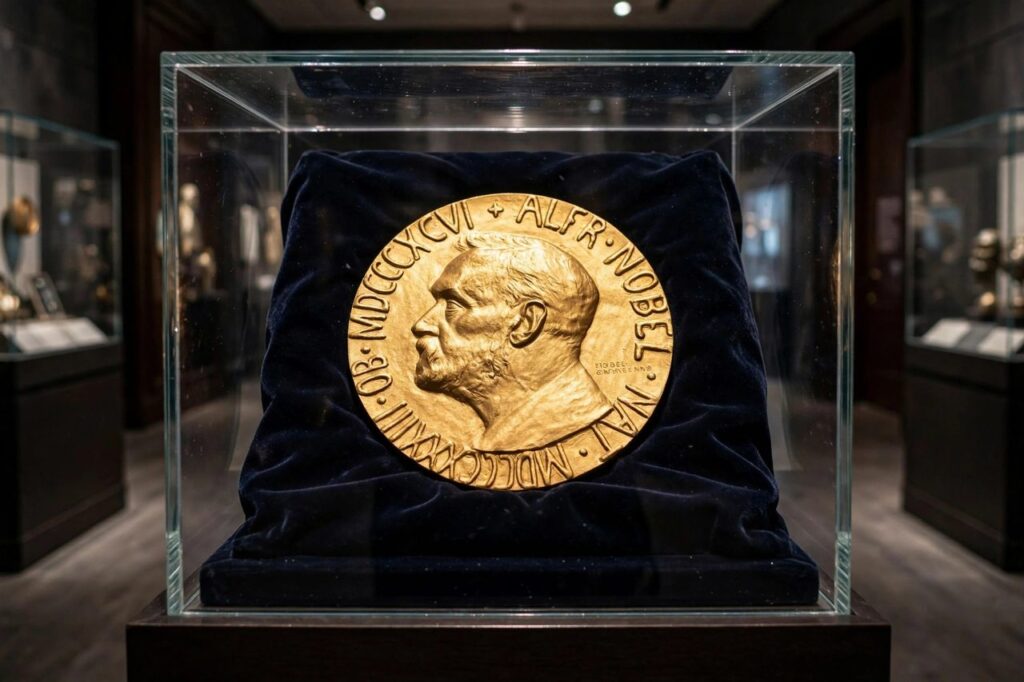
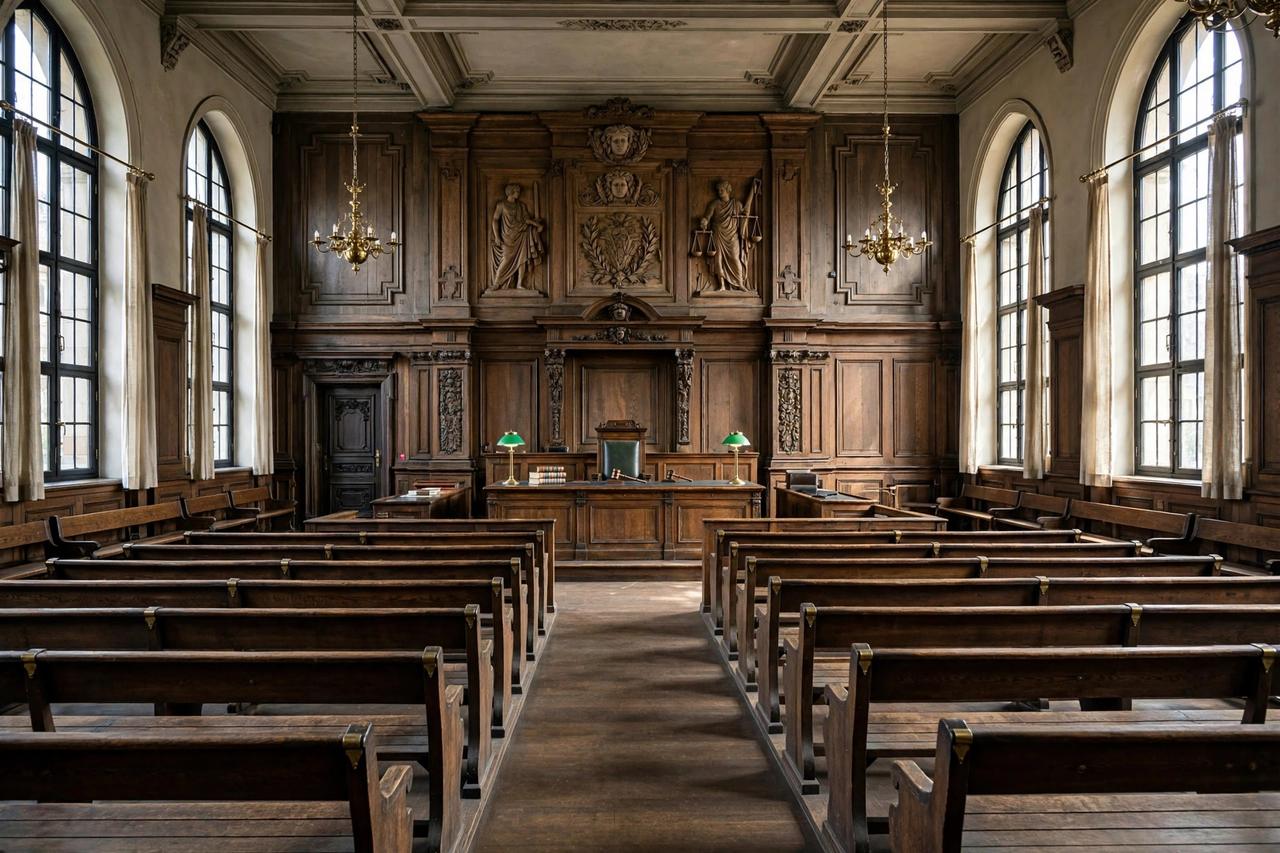
Navi Pillay became one of the most talked-about figures in the world on Friday, October 9, 2026, when the Norwegian Nobel Committee announced her as the winner of the 2026 Nobel Peace Prize. The 85-year-old South African-born jurist was honored, in the committee’s words, for her efforts to promote peace and international law, with particular emphasis on a career spent holding states and political leaders accountable. Within hours of the announcement, she was speaking from the historic Nuremberg courtroom, dedicating the award to the survivors of international crimes.
The prize is the culmination of a legal career that stretches from the anti-apartheid courtrooms of South Africa to the world’s most consequential war-crimes tribunals. It is also one of the most politically charged Nobel Peace Prizes in recent memory, because Pillay’s most recent work concluded that Israel committed genocide in Gaza. Here’s the full story of who she is and why she matters.
The 2026 Nobel Peace Prize Announcement
The Norwegian Nobel Committee’s chair, Jorgen Watne Frydnes, announced the award in Oslo on October 9, crediting Pillay with being instrumental in ensuring that war crimes, crimes against humanity, and genocide are prosecuted. Her first comments after hearing the news centered on Gaza. Speaking at the Nuremberg Forum in Germany, where the trials of Nazi leaders took place, she said plainly: what’s happening there is genocide, echoing the conclusion of the UN commission she chaired.
The choice drew immediate, sharply divided reactions. Israel’s foreign ministry said the award legitimized anti-Israel hatred and called it a grotesque weaponization of the prize. Hamas, by contrast, praised the award in a statement, calling it an important step toward international justice and urging further legal action against Israeli officials. That split captures why Pillay is both celebrated and fiercely criticized: her method, applying international law to powerful states, is exactly what her supporters admire and her detractors resent.
From Anti-Apartheid Lawyer to International Judge
Navanethem Pillay was born in South Africa to a Tamil family; her father was a bus driver. She grew up under the harsh system of apartheid, and that experience shaped everything that followed. As a young lawyer, she defended anti-apartheid activists in South African courts, working at times alongside Jewish lawyers in the shared struggle against racial oppression, a history she has invoked when answering critics.
After apartheid ended, she broke a barrier that had stood for generations, becoming the first non-white woman appointed to South Africa’s High Court. From there her career moved onto the world stage. She served as president of the International Criminal Tribunal for Rwanda, the court established to prosecute the 1994 Rwandan genocide, and later served as a judge of the International Criminal Court. In 2008 she became the UN High Commissioner for Human Rights, a post she held until 2014, during which she repeatedly pressed governments, including Israel, on human rights abuses.
The UN Commission of Inquiry on Gaza
From 2021 until November 2025, Pillay chaired the UN Independent International Commission of Inquiry on the Occupied Palestinian Territory, including East Jerusalem, and Israel. The commission was created by the UN Human Rights Council to investigate violations committed by all sides and to collect evidence usable in future legal proceedings.
Its most consequential finding came in September 2025, when the commission concluded that Israel had committed genocide in Gaza, with a specific intent to destroy Palestinians in Gaza, and found that the Israeli president, prime minister, and former defense minister had incited the commission of genocide. The commission also examined Hamas’s conduct: its report on the October 7, 2023 attacks determined that Hamas committed war crimes including murder, abductions, torture, and sexual violence. Israel refused to cooperate with the commission from its establishment in 2021 and has strenuously denied the genocide accusations.
Pillay has said her team shared thousands of pieces of information with prosecutors at the International Criminal Court. Whatever one makes of the commission’s conclusions, the scale of the documentation behind them is part of why the Nobel Committee singled out her accountability work.
The Critics’ Case and Her Response
Pillay’s critics focus on two things: the genocide conclusion and her perceived impartiality. Israel’s government and allied groups have accused her of antisemitism and of turning a blind eye to the Hamas attacks, and she has faced campaigns calling for her removal from the commission. She has repeatedly rebuffed those charges, pointing to the commission’s findings against Hamas as evidence of even-handedness and to her own record of working with Jewish lawyers against apartheid.
Supporters argue the opposite: that accusing the investigator of bias is a familiar tactic for deflecting accountability, and that the Nobel Committee’s citation, holding states and political leaders accountable, is precisely the work international law requires. The debate around Pillay is really a debate about whether international law should apply to powerful states the same way it applies to weak ones. Her entire career has been an argument that it should.
What the Prize Means Going Forward
Nobel Peace Prizes rarely settle controversies; they usually amplify them. In Pillay’s case, the award gives her findings the highest form of international recognition while they remain fiercely contested. The practical effects may play out in courtrooms rather than headlines: the evidence her commission gathered continues to exist, the ICC cases continue, and the legal arguments she advanced will be cited for years.
For the Nobel Committee, the message is a familiar one in unfamiliar times: that international law matters even, and especially, when it is inconvenient. Whether that message lands in the corridors of power or only in the lecture halls of Nuremberg is the open question. Pillay herself, speaking at 85 from the courtroom where the modern idea of prosecuting state crimes was born, seemed to understand exactly where her work fits in history.
Pillay’s Landmark Cases and Legal Legacy
Long before the Nobel, Pillay’s name was already in the law books. As president of the International Criminal Tribunal for Rwanda, she presided over proceedings arising from the 1994 genocide, including the landmark Akayesu case, the first conviction for genocide by an international tribunal and the first time rape was recognized as an act of genocide under international law. Those rulings reshaped how the world prosecutes mass atrocities.
As UN High Commissioner for Human Rights from 2008 to 2014, she was known for unusual bluntness. She publicly criticized abuses by governments large and small, pressed for accountability in Sri Lanka, Syria, and elsewhere, and repeatedly raised Israeli settlement policy and the blockade of Gaza. That outspokenness made her enemies; it also made the office matter in a way it rarely had before.
Her earlier career in South Africa is the root of it all. As a lawyer under apartheid, she defended activists facing the regime’s security laws, and she later helped shape the post-apartheid legal order from the bench. Colleagues from that era describe a jurist who understood, from lived experience, what it means when the law is used as a weapon against people rather than a shield for them. The through-line of her career is consistent: the law must protect the vulnerable, and it must bind the powerful, or it means nothing.
The Nobel Committee’s Message
It is worth asking why the Norwegian Nobel Committee chose Pillay now, at 85, for a career largely behind her. Part of the answer is timing: the commission’s September 2025 genocide finding made her the most prominent living jurist associated with applying international law to the Gaza war, and the prize lands while that debate is at its peak. Part of it is the committee’s institutional habit of honoring accountability work at moments when accountability looks fragile.
The committee has often used the Peace Prize to defend norms under pressure, from disarmament campaigners to press-freedom defenders. In Pillay’s case, the norm being defended is the idea that international humanitarian law applies to everyone, including powerful states with powerful friends. Critics call that selectivity; the committee’s answer, embedded in the citation’s emphasis on holding states and leaders accountable, is that the law’s credibility depends on exactly that kind of even-handedness.
Whether the prize changes anything on the ground is doubtful in the short term. Nobel Peace Prizes rarely move governments. But they do move the historical record: decades from now, the 2026 prize will be remembered as the moment the international community’s highest honor was given to the jurist who said, on the record, that what happened in Gaza was genocide. That is a legacy no criticism can undo.
At 85, Navi Pillay has now received the highest honor the international community can bestow, and she received it for doing the unglamorous, unpopular work of insisting that the law means what it says. Her career began in the courtrooms of apartheid South Africa and passed through the Rwanda tribunal, the UN’s human rights office, and the Gaza commission. The through-line never changed: the powerful do not get a pass. Whatever the politics of this particular prize, that principle is why her name will be in the history books long after the current controversies fade.
Frequently Asked Questions About Navi Pillay
Who is Navi Pillay?
Navanethem “Navi” Pillay is an 85-year-old South African-born jurist who won the 2026 Nobel Peace Prize. She is a former UN High Commissioner for Human Rights (2008-2014), former president of the Rwanda genocide tribunal, and chaired the UN Commission of Inquiry on the Occupied Palestinian Territory and Israel from 2021 to 2025.
Why did Navi Pillay win the Nobel Peace Prize?
The Norwegian Nobel Committee honored her for her efforts to promote peace and international law, emphasizing her career holding states and political leaders accountable, including her leadership of the UN commission that investigated violations in Gaza and Israel.
What did Pillay’s commission conclude about Gaza?
In September 2025, the commission concluded that Israel committed genocide in Gaza with a specific intent to destroy Palestinians there. The same commission also found that Hamas committed war crimes during its October 7, 2023 attacks. Israel has refused to cooperate with the commission since 2021 and denies the accusations.
What was Pillay’s role before the Nobel Prize?
Before the prize, she was best known as the UN’s top human rights official from 2008 to 2014, president of the International Criminal Tribunal for Rwanda, a judge of the International Criminal Court, and earlier, an anti-apartheid lawyer and the first non-white woman on South Africa’s High Court.
How has the world reacted to her Nobel Prize?
Reactions split sharply along the lines of the Gaza debate. Israel’s foreign ministry condemned the award as legitimizing anti-Israel hatred, while Hamas praised it as a step toward international justice. Human rights organizations and many governments welcomed the recognition of her accountability work.