287 Candidates, a Secret Room in Oslo: How the Nobel Peace Prize Winner Is Actually Chosen

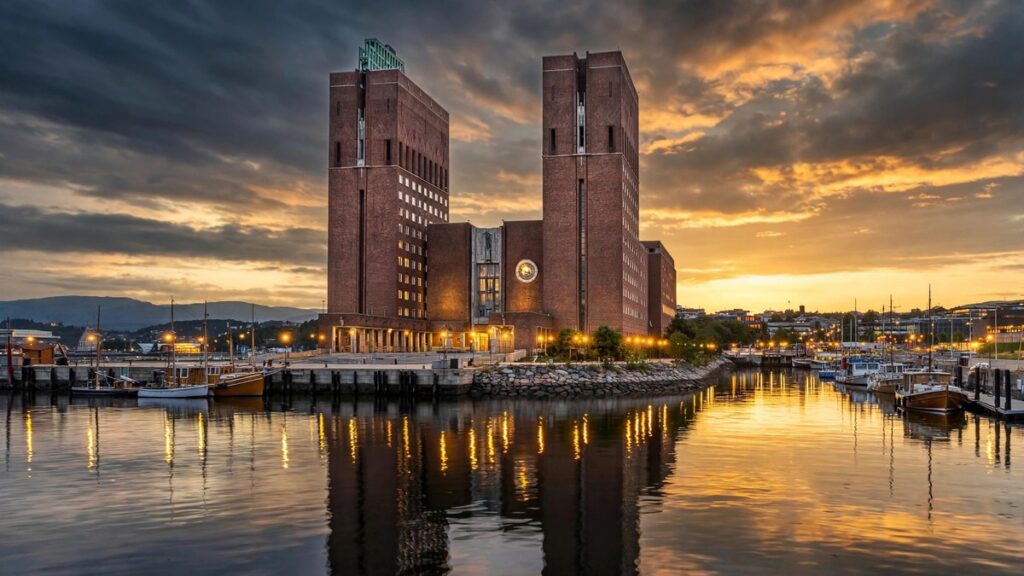
287 candidates, a five-member committee, and a vow of secrecy that lasts 50 years — this is how the world’s most watched prize is actually decided.
The Nobel Peace Prize winner is chosen by a five-member Norwegian Nobel Committee in Oslo. The process runs for almost a full year: nominations close on February 1, a shortlist is drawn up, independent experts review the candidates, and the committee votes in October. The announcement is made in October and the ceremony takes place on December 10 in Oslo. No part of the selection is public — nominations stay sealed for 50 years.
Who Chooses the Winner?
Unlike the other Nobel Prizes, which are awarded in Stockholm, the Peace Prize is awarded in Oslo, Norway. The decision belongs entirely to the Norwegian Nobel Committee, a body of five individuals appointed by the Norwegian parliament, known as the Storting.
The members are often retired politicians, academics or civic leaders — Reuters notes that the committee has recently been led by the head of the Norwegian branch of PEN International, a group defending freedom of expression. Although political parties put the members forward, they do not get involved in the committee’s work afterwards. Only the five members and the committee’s secretary take part in the meetings, and no minutes are kept. The government learns the winner’s name at the same time as everyone else.
The committee aims for unanimity but can decide by a simple majority vote when agreement is impossible. The decision is final and without appeal.
The Selection Timeline, Month by Month
The Nobel Foundation’s official timeline shows how the process unfolds over the year:
September — The Norwegian Nobel Committee prepares to receive nominations from qualified nominators.
February 1 — The deadline for nominations. Submissions must reach the committee in Oslo before February 1 of the award year. Late nominations are carried over to the following year’s discussions. For the 2026 prize, the committee registered 287 candidates: 208 individuals and 79 organisations.
February–March — The committee assesses the candidates’ work and prepares a shortlist, typically containing twenty to thirty names.
March–August — Independent advisers, usually Norwegian university professors with relevant expertise, examine the shortlisted candidates and write reports. The committee may also ask foreign experts for additional assessments.
October — The laureates are chosen by majority vote and announced. In 2026 the announcement was made on October 9 at 11am CEST at the Norwegian Nobel Institute in Oslo by the committee’s chair.
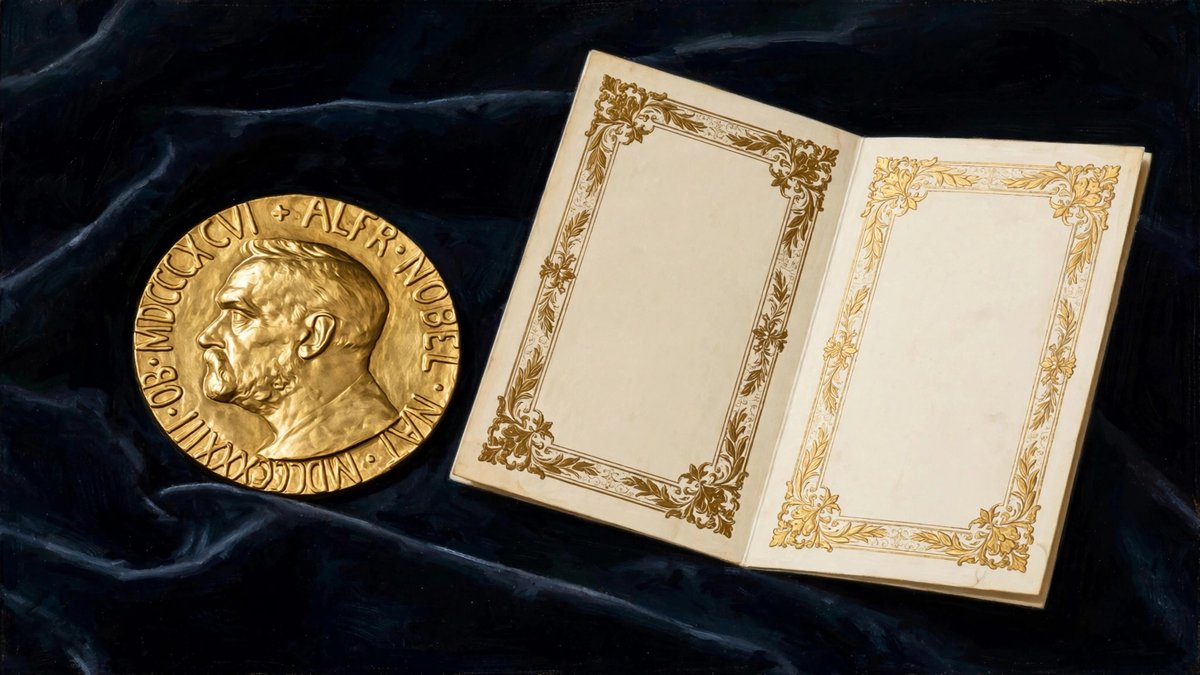
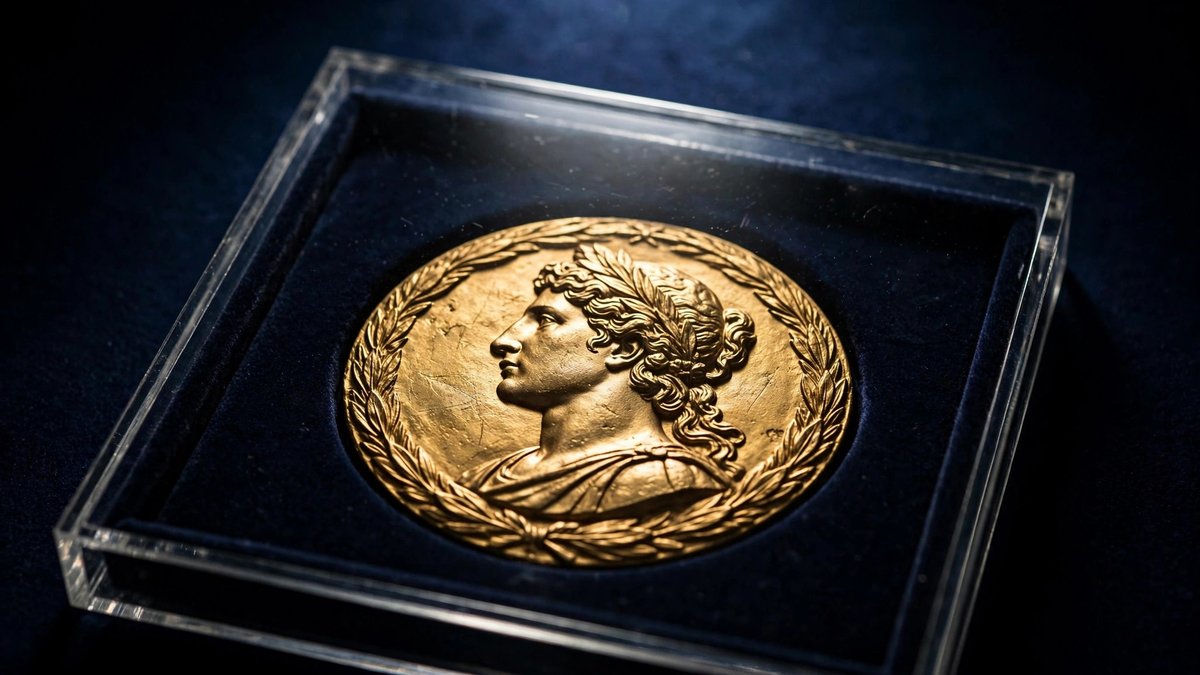
December 10 — The award ceremony takes place at Oslo City Hall on the anniversary of Alfred Nobel’s death. The laureates receive a Nobel medal, a diploma and a document confirming the prize amount. The 2026 prize money is 12 million Swedish kronor — raised by 1 million as the Nobel Prize marks its 125th anniversary.
Who Can Nominate Someone?
Not everyone can submit a valid nomination. According to the Nobel Foundation’s statutes, valid nominators include:
- Members of national assemblies and governments, including current heads of state
- Members of the International Court of Justice and other international courts
- University professors of history, social sciences, law, philosophy, theology and religion, along with university rectors
- Directors of peace research institutes and foreign policy institutes
- Previous Nobel Peace Prize laureates
- Current and former members of the Norwegian Nobel Committee
A nomination for oneself is never considered. Committee members may add their own candidates no later than the committee’s first meeting after the February deadline.
Being nominated says nothing about a candidate’s chances: any eligible nominator can submit a name, and the committee itself does not endorse any nomination.
Why the List Is Secret
The statutes of the Nobel Foundation restrict all disclosure about nominations — the nominees, the nominators, and the investigations and opinions related to the award — for 50 years. The committee says confidentiality protects nominees and nominators and limits outside pressure on the process.
This means names that appear in the media before the announcement are either speculation or claims released by the nominators themselves. As Reuters reported for the 2026 prize, the leaders of Cambodia, Israel and Pakistan said they had nominated U.S. President Donald Trump — but there is no way to verify this, and the committee will neither confirm nor deny it.
What the Committee Is Looking For
The prize comes from the will of Swedish inventor Alfred Nobel, signed in 1895. He directed that the prize should go to the person “who has done the most or best to advance fellowship among nations, the abolition or reduction of standing armies, and the establishment and promotion of peace congresses.”
Over more than a century the interpretation has broadened. Since the Second World War, recipients have been recognised for disarmament, peace negotiations, democracy, human rights and strengthening international cooperation. The committee’s secretary has said the prize “needs to be placed in the current context” — looking at global trends, major concerns and the most promising processes for peace.
The 2026 Announcement’s Unusual Spotlight
The 2026 prize went to Navanethem “Navi” Pillay, a South African jurist and former UN human rights chief, recognised for her work to ensure that war crimes, crimes against humanity and genocide are prosecuted. The announcement drew extra global attention when Donald Trump publicly said he deserved the Peace Prize and criticised Norway for not awarding it to him. Whether or not any head of state actually nominated him cannot be verified: the 50-year secrecy rule covers every name on the list. Peace researchers ahead of the announcement had pointed to other possible contenders, including Pope Leo XIV, the International Criminal Court and Sudan’s Emergency Response Rooms — but none of this amounts to an official shortlist.
Can the Committee Skip a Year?
Yes. The Peace Prize has not been awarded in some years, particularly during periods of war, when the committee determined that no candidate met the required standard. However, ahead of the 2026 announcement, the Norwegian Nobel Institute indicated that there were worthy candidates to consider — so the prize was expected to be awarded.
The five-member Norwegian Nobel Committee, appointed by Norway’s parliament (the Storting) but operating independently. Only the committee members and the secretary participate in the meetings.
At the beginning of October each year — on October 9, 2026 — at the Norwegian Nobel Institute in Oslo, announced by the committee’s chair.
No. Valid nominators are limited to categories set by the Nobel Foundation’s statutes: members of governments and parliaments, current heads of state, international court judges, certain university professors, directors of peace research institutes, previous Peace Prize laureates, and members of the Nobel Committee. Self-nominations are not considered.
The Nobel Foundation’s rules seal all information about nominations for 50 years to protect nominees and nominators and to limit outside pressure on the selection process.
A gold medal, a diploma and a document confirming the prize amount. For 2026 the prize money is 12 million Swedish kronor (raised from 11 million for the Nobel Prize’s 125th anniversary). The ceremony takes place on December 10 at Oslo City Hall.