How to Style Oversized Blazer: A Fashion Insider’s Guide

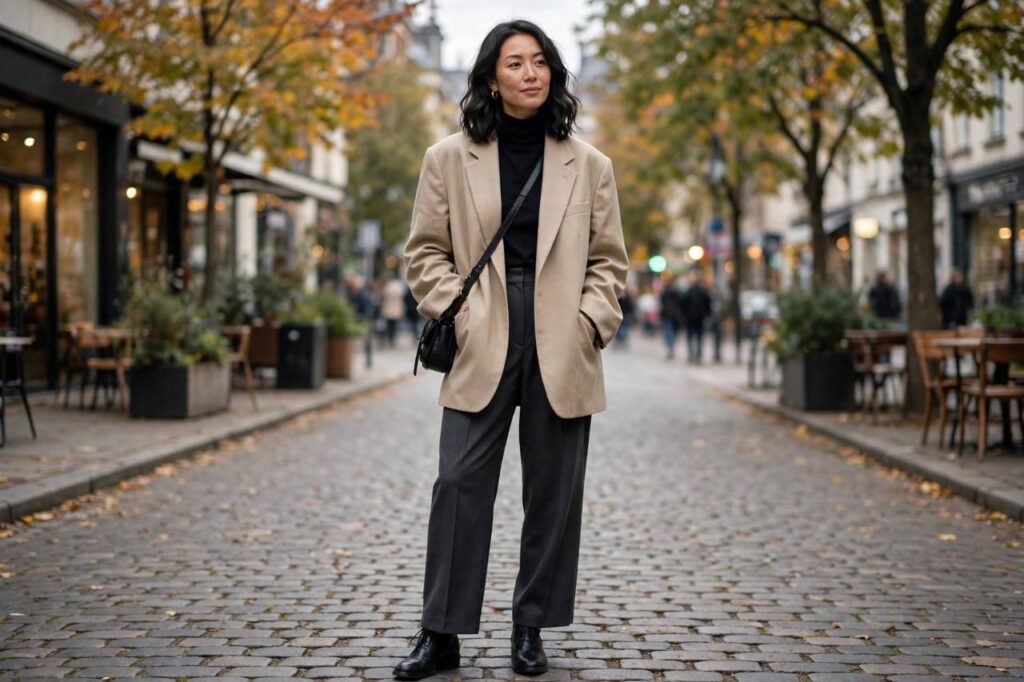
The oversized blazer is that rare piece that makes you look like you have your entire life together even when you absolutely do not. Borrowed-from-the-boys proportions, razor-sharp shoulders, endless versatility — it’s the closest thing fashion has to a cheat code. But here’s what nobody tells you: oversized doesn’t mean shapeless, and throwing on a big blazer without intention is how you end up looking like you’re wearing someone else’s clothes instead of making a statement. Let me show you how to style oversized blazer like you mean it — with intention, proportion, and confidence.
How to Style Oversized Blazer: The Golden Rule of Volume
Styling an oversized blazer is an exercise in proportion. The blazer brings the volume up top, so the rest of your outfit needs to respond to that. This doesn’t mean everything else must be skin-tight — it means there should be intention in the silhouette.
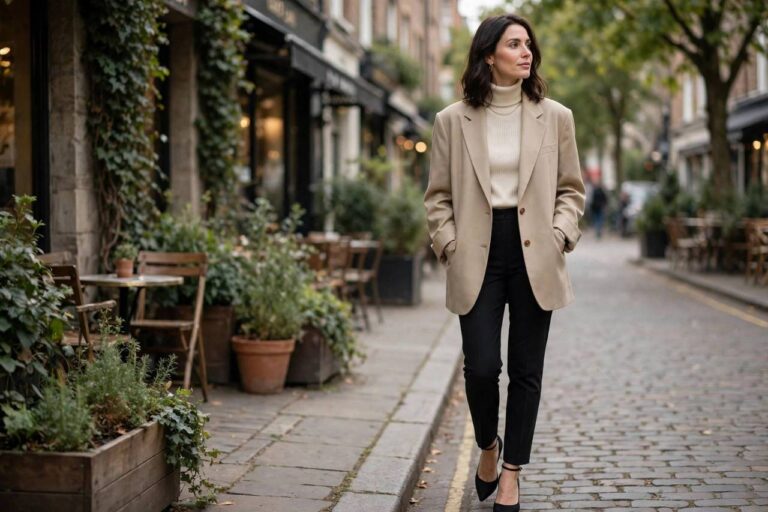
Think of it as a conversation between pieces. Big blazer + slim bottom = classic, foolproof. Big blazer + wide-leg trousers = fashion-forward, requires confidence and the right proportions (more on that below). Big blazer + mini skirt = playful leg-baring balance. The outfits that fail are the ones where every piece is oversized with no anchor — that’s not styling, that’s drowning.
The second half of the golden rule: define the waist, or deliberately don’t. A blazer worn open over a fitted top shows your shape naturally. A blazer belted at the waist creates an hourglass moment. A blazer worn straight and boxy over everything is a deliberate androgynous statement. All three work — what doesn’t work is the in-between, where it looks accidental rather than chosen.
Look 1: The Off-Duty Classic (Blazer + Jeans)
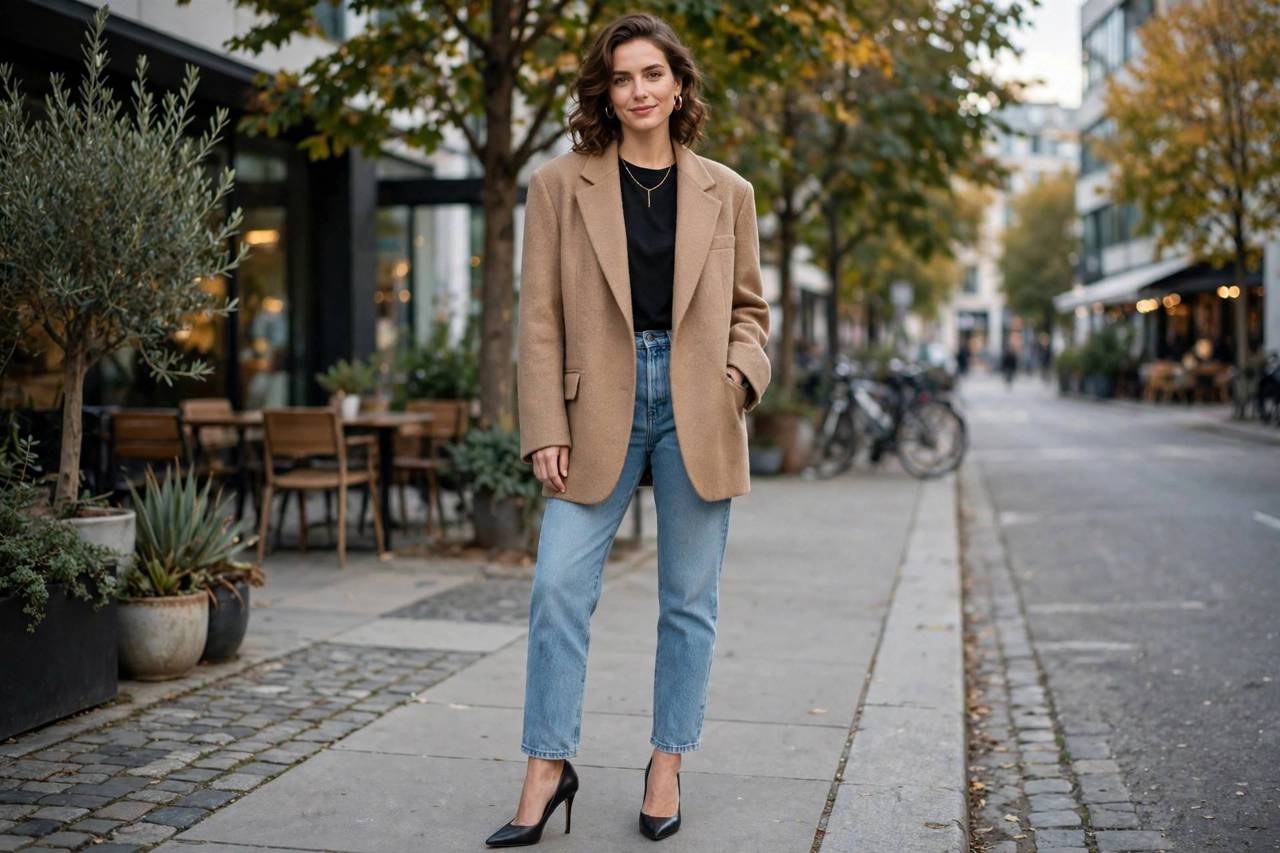
This is the outfit that built the oversized blazer’s reputation, and it remains undefeated. The formula: oversized blazer, straight-leg or slim jeans, simple top underneath, and shoes that mean business.
The details make it: roll or push the sleeves to show a little wrist — it instantly makes the proportions look intentional. A white tee or a fine-knit black top underneath keeps it clean. For shoes, pointed flats or loafers keep it polished; sneakers dress it down; heels take it to dinner. A structured handbag (not a slouchy tote — too much softness with the soft blazer) completes the look.
Color-wise, a black, navy, or camel blazer over medium-wash jeans is the starter kit. Once you’re comfortable, try a plaid or houndstooth oversized blazer — pattern adds personality without any extra effort.
Look 2: The Power Play (Blazer + Tailored Trousers)
For the office or any room where you want to be taken seriously, pair your oversized blazer with tailored trousers. The trick is contrast: the blazer’s relaxed volume against the trousers’ clean lines. A full matching suit in an oversized cut is incredibly chic right now — the key is that the trousers should be streamlined even if they’re wide-legged. Wide is fine; sloppy is not.
Underneath, a silk camisole, a crisp shirt, or a fine turtleneck all work. Keep the neckline simple — the blazer’s lapels are already doing the talking. Finish with pointed-toe shoes (flats or heels) to keep the leg line long, because volume on top plus volume on bottom can shorten you visually if you’re not careful.
This is also where fabric matters enormously. A wool or wool-blend blazer reads powerful; a linen one reads relaxed. Match the fabric’s formality to the occasion and you’ll never feel overdressed or underdressed.
Look 3: The Feminine Contrast (Blazer + Dress or Skirt)
One of my favorite styling moves: the tension between a masculine-cut blazer and something unapologetically feminine underneath. An oversized blazer thrown over a slip dress is pure magic — the silk softness against the structured shoulders, the bare legs balancing the covered top.
It works with mini skirts (the leg show balances the volume), midi skirts (elegant, especially with the blazer worn open), and even a simple black dress you already own — the blazer transforms it into a completely different outfit. With dresses, I usually wear the blazer open and let the dress’s shape show through, sometimes adding a belt over both to tie it together.
Shoe pairings here are flexible: strappy heels for evening, knee-high boots for fall (a killer combination), or clean white sneakers for daytime. The blazer elevates everything it touches.
Look 4: The Belted Silhouette
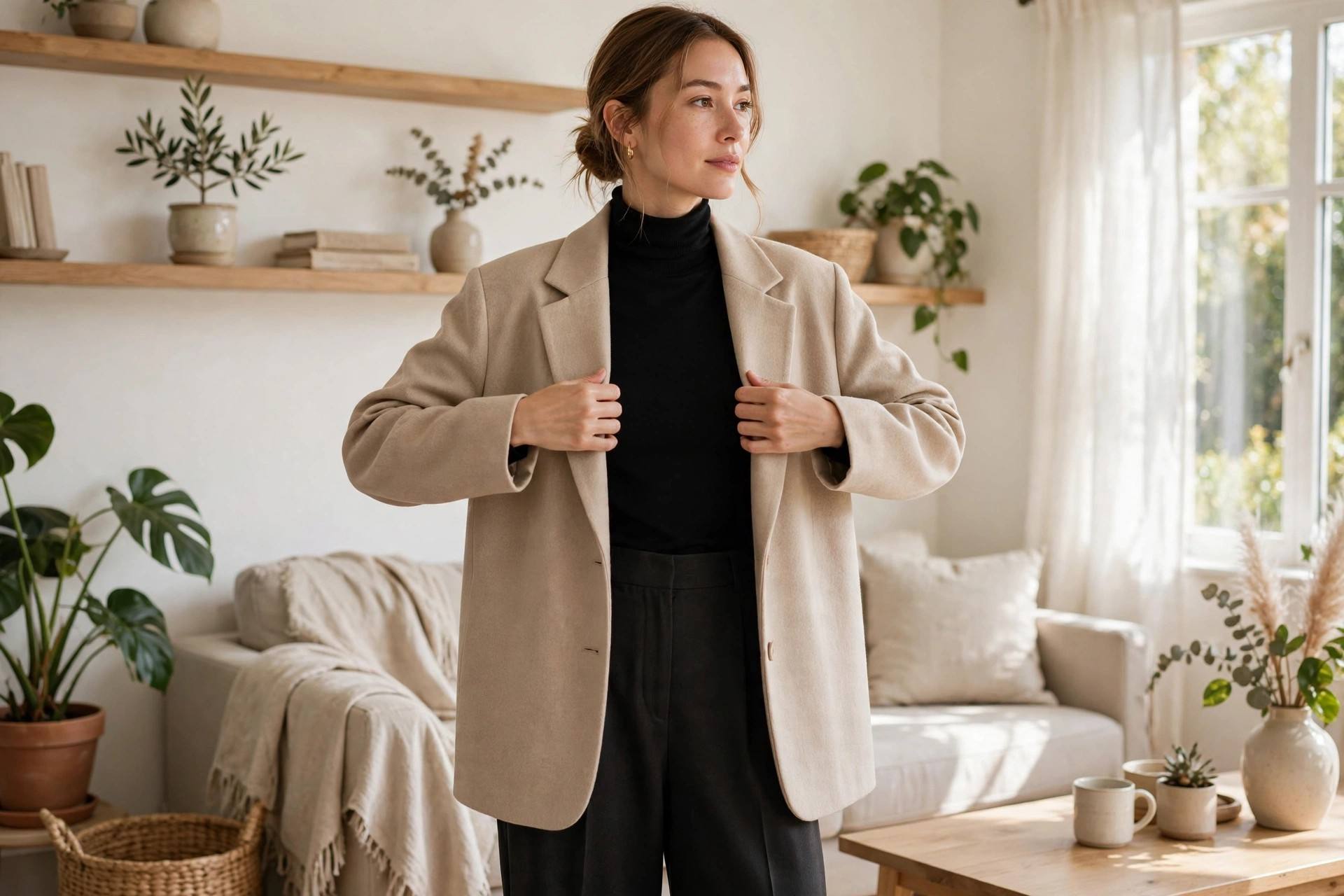
If the full oversized look feels like too much fabric, the belt is your best friend. Cinching an oversized blazer at the waist does two things: it creates shape, and it makes the volume look deliberate rather than accidental. A slim leather belt over a closed blazer gives you an hourglass silhouette with dramatic shoulders — very 80s power dressing, very now.
Wear it over straight-leg trousers or a pencil skirt, with the blazer functioning almost as a dress. This works especially well with longer blazers that hit mid-thigh — belted, they read as a complete outfit rather than a layer. Add knee-high boots and you’re done. It’s one of the highest-impact, lowest-effort outfits in existence.
Look 5: The Casual Cool (Blazer + Athleisure)
The high-low mix is where personal style really shows. An oversized blazer over leggings and a sports bra, or over bike shorts and an oversized tee, with chunky sneakers — it shouldn’t work, but it absolutely does. The blazer says “I have somewhere to be”; the sneakers say “but I’m comfortable.”
The key to making this look intentional rather than confused: keep the athleisure pieces clean and simple (no busy graphics), and let the blazer be the star. A baseball cap with this outfit is a whole vibe. This is weekend errands, coffee dates, travel days — real life, elevated.
Fit Details That Separate Chic From Sloppy
- Shoulders: The shoulder seam should sit slightly past your natural shoulder — that’s the “oversized” part. But if it’s drooping halfway down your arm, the blazer is simply too big, not fashionably oversized. There’s a line.
- Sleeve length: Long sleeves are fine — even desirable — but they should be pushed or rolled, not swallowing your hands (unless that’s a deliberate editorial moment).
- Length: Hip-length is the most versatile. Mid-thigh works belted or as a dress. Cropped-oversized is a specific trend piece — fun, less versatile.
- Buttons: A single button closure is the most flattering on oversized cuts. Double-breasted oversized blazers are gorgeous but add visual bulk — wonderful if that’s what you want, worth knowing if it isn’t.
- Fabric: Structure is everything. A blazer with some weight and body holds the oversized shape; a flimsy one collapses and looks sad. Feel the fabric before you buy.
Building Around It: Your Capsule Strategy
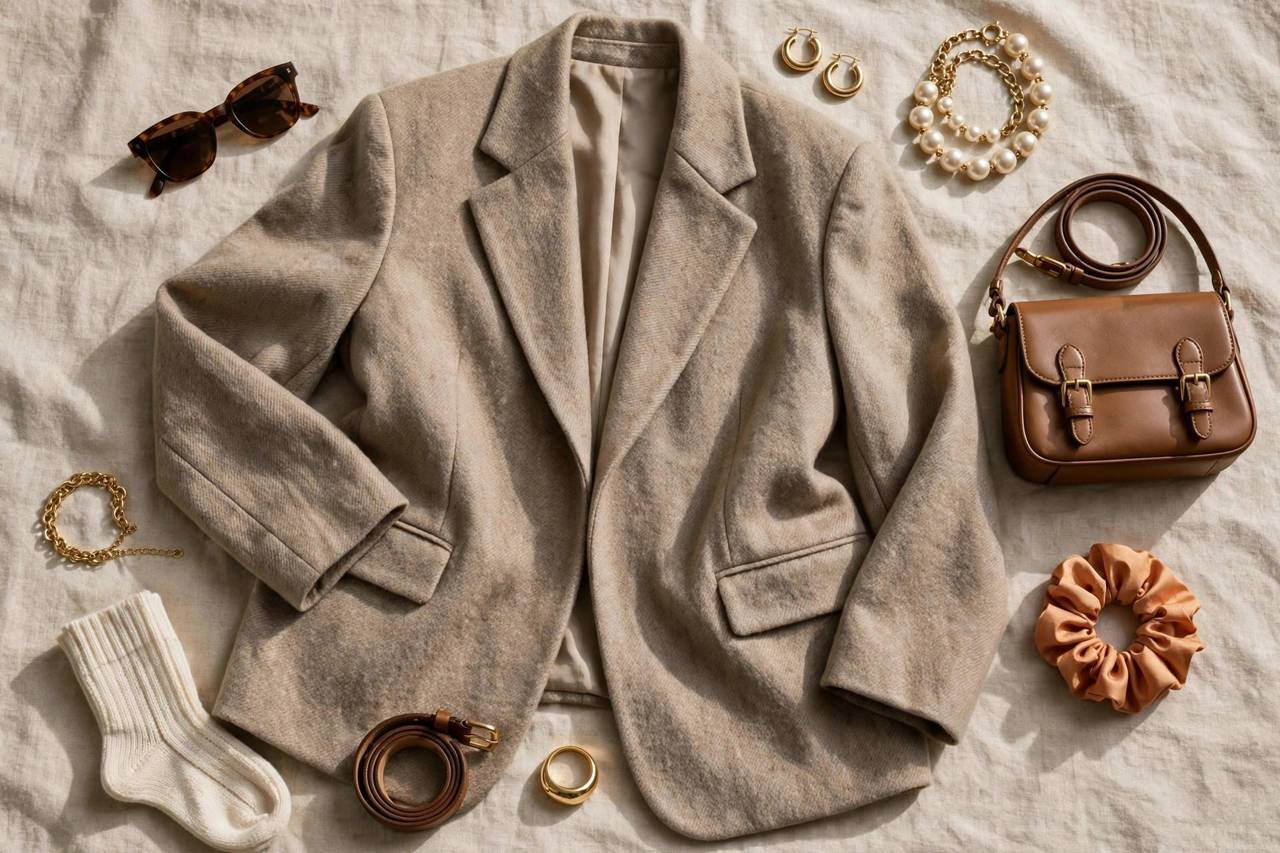
An oversized blazer earns its place in your wardrobe by working overtime. One great blazer in a neutral color — black, navy, camel, or grey — can anchor dozens of outfits across seasons. It’s the definition of a hardworking wardrobe staple: the cost-per-wear drops to almost nothing within a year.
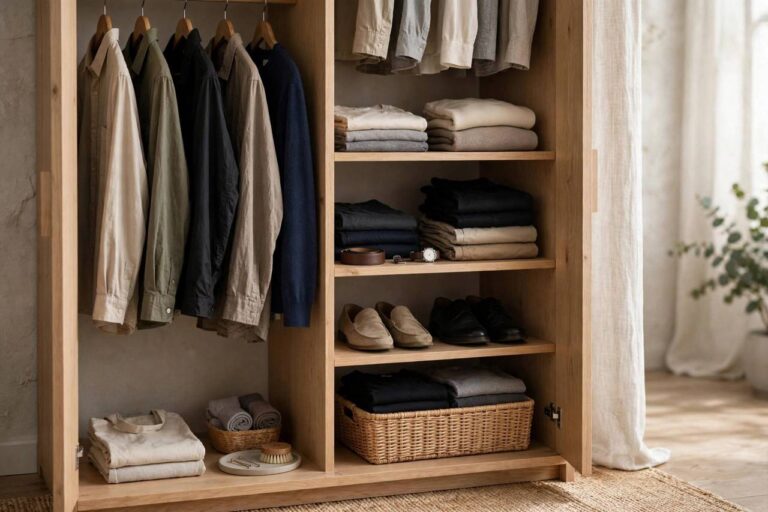
If you’re building a wardrobe where every piece pulls its weight, it helps to think in terms of a capsule wardrobe — a curated set of versatile pieces that all work together. The oversized blazer is practically the poster child for that philosophy: one piece, infinite outfits, zero morning stress.
Seasonal Styling Notes
Spring: Blazer over a light dress or with cropped trousers, loafers, no tights. Fresh and easy.
Summer: Yes, even in summer — over a camisole and shorts for cool evenings, or as your air-conditioning armor in freezing offices. Linen and unlined blazers are your friends.
Fall: Prime blazer season. Layer over thin knits, add knee-high boots and a scarf. The blazer becomes outerwear.
Winter: Layer it under a proper coat — the blazer adds polish and warmth. Or wear a heavier wool blazer as your coat for milder days, with a turtleneck underneath.
The oversized blazer isn’t a trend piece — it’s a wardrobe anchor that happens to be trending. Buy the best quality you can afford in a color you’ll wear endlessly. Once you know how to style oversized blazer pieces with intention, yours will become the thing you reach for when you want to feel like the most pulled-together version of yourself. Because that’s what great style really is: not perfection, but intention.
Where to Find a Great Oversized Blazer
You don’t need a designer budget — the high street does excellent oversized blazers now. Look for wool blends for structure, check that the lining is smooth (cheap linings bunch and twist), and always try the “hug test”: wrap your arms around yourself. If the back pulls tight across your shoulder blades, size up. Thrift stores are also goldmines for blazers — vintage cuts from the 80s and 90s are naturally oversized, beautifully made, and cost a fraction of new. A 30-minute trip to a good tailor for sleeve and waist tweaks can make a thrifted blazer look fully bespoke.
FAQ
How oversized should an oversized blazer be?
One to two sizes up from your normal size is the sweet spot. The shoulder seam should sit just past your natural shoulder. If the shoulders droop halfway down your arm or you can’t find your hands, it’s too big rather than fashionably oversized.
Can petite women wear oversized blazers?
Absolutely — proportion management just matters more. Choose a blazer that hits at the hip rather than mid-thigh, keep the bottom half streamlined, show some ankle or wrist to break up the volume, and consider belting to define your waist.
What do I wear under an oversized blazer?
Keep it simple: a white tee, black fitted top, silk camisole, crisp shirt, or fine turtleneck. The blazer is the statement — the layer underneath should support it, not compete with it.
Are oversized blazers still in style?
The oversized blazer has moved beyond trend status into wardrobe-staple territory. It cycles in prominence with fashion seasons, but a well-cut blazer in a neutral color never looks dated — it’s been chic for decades and isn’t going anywhere.
How do I keep an oversized blazer from looking sloppy?
Three things: push or roll the sleeves to show your wrists, balance the volume with a more streamlined bottom half, and make sure the fabric has enough structure to hold its shape. Intention in the details is what separates chic from sloppy.