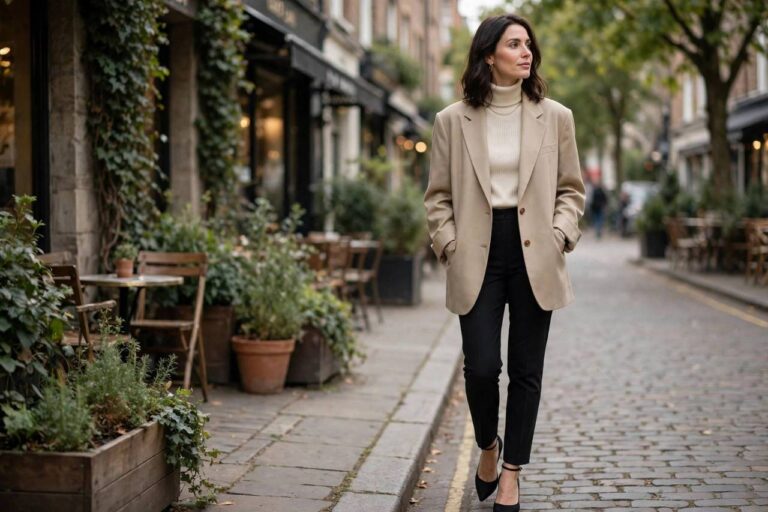
How to Dress for a Job Interview: Look Polished, Feel Confident

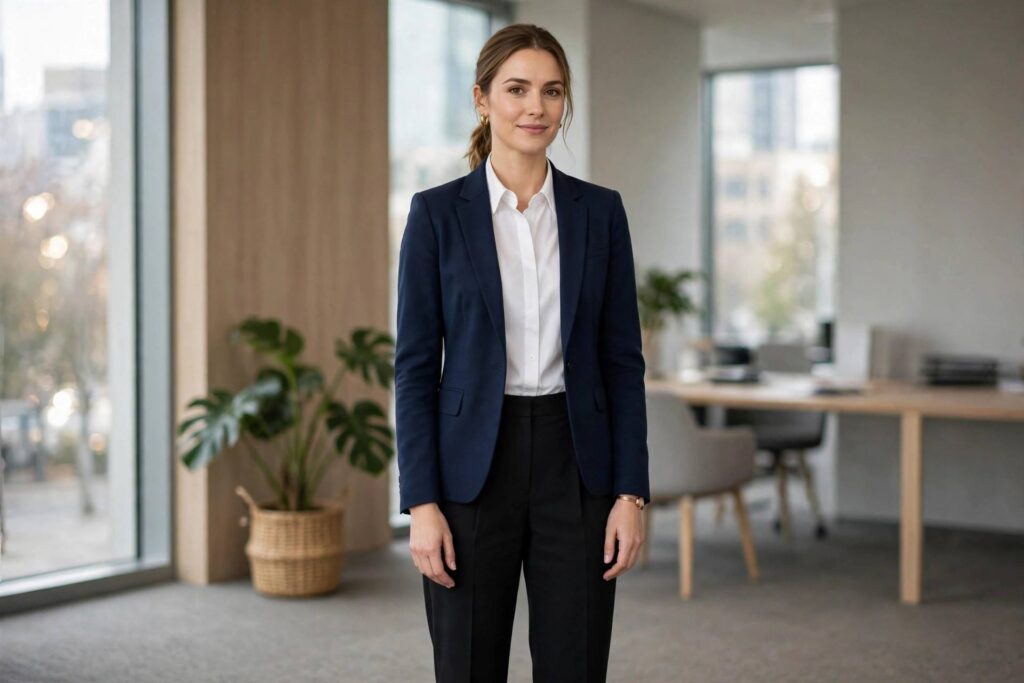
Here’s what nobody tells you about interview outfits: you’re not dressing to impress, you’re dressing to disappear — in the best possible way. The goal is for the interviewer to remember your answers, your energy, your ideas — not your clothes. The perfect interview outfit is polished enough to show respect, comfortable enough to let you think clearly, and quiet enough to never distract. I’ve dressed friends for career-changing interviews for years, and the formula is simpler than the fashion industry wants you to believe. Here’s how to dress for a job interview with polish, confidence, and zero guesswork.
The Core Principle: Dress for the Job You Want (One Level Up)
The old advice — “dress for the job you want” — needs a modern update. You don’t want to look like you’re playing dress-up in someone else’s life. You want to look like the most polished version of yourself, calibrated to the company’s culture, one notch above what you’d wear on a normal day there.
This requires a tiny bit of research, and it’s the highest-ROI prep you can do: check the company’s website, social media, and employee photos. A law firm and a tech startup have genuinely different expectations, and showing you understand the culture — through your clothes, before you say a word — is a quiet signal of emotional intelligence.
Reading the Dress Code: Four Company Types
Formal / corporate (law, finance, consulting): A tailored suit or a blazer with matching trousers or a knee-length skirt. Crisp shirt or blouse. Closed-toe shoes with a modest heel or polished flats. Keep colors conservative: navy, charcoal, black, white. This is not the interview for fashion risks.
Business casual (most offices, agencies, nonprofits): Tailored trousers or dark jeans (only if the culture clearly supports it) with a blazer, a smart blouse or button-down, and loafers or clean minimal shoes. Polished but approachable. A blazer elevates everything — it’s the single highest-impact interview piece you can own.
Creative / startup casual: You have more room for personality, but “casual” still means intentional. Dark jeans or chinos, a well-fitted top or shirt, a blazer or smart jacket, clean sneakers or boots. Show style, but keep it tidy — creative doesn’t mean sloppy.
Uniformed / service roles (retail, hospitality, healthcare): Neat, clean, practical. Smart trousers or skirt, a simple top, closed-toe shoes. The message: I’m reliable, I’m tidy, I’m ready to work.
When in doubt between two levels of formality, choose the more polished option. Being slightly overdressed reads as respect; being underdressed reads as not caring. It’s an asymmetric risk — always err upward.
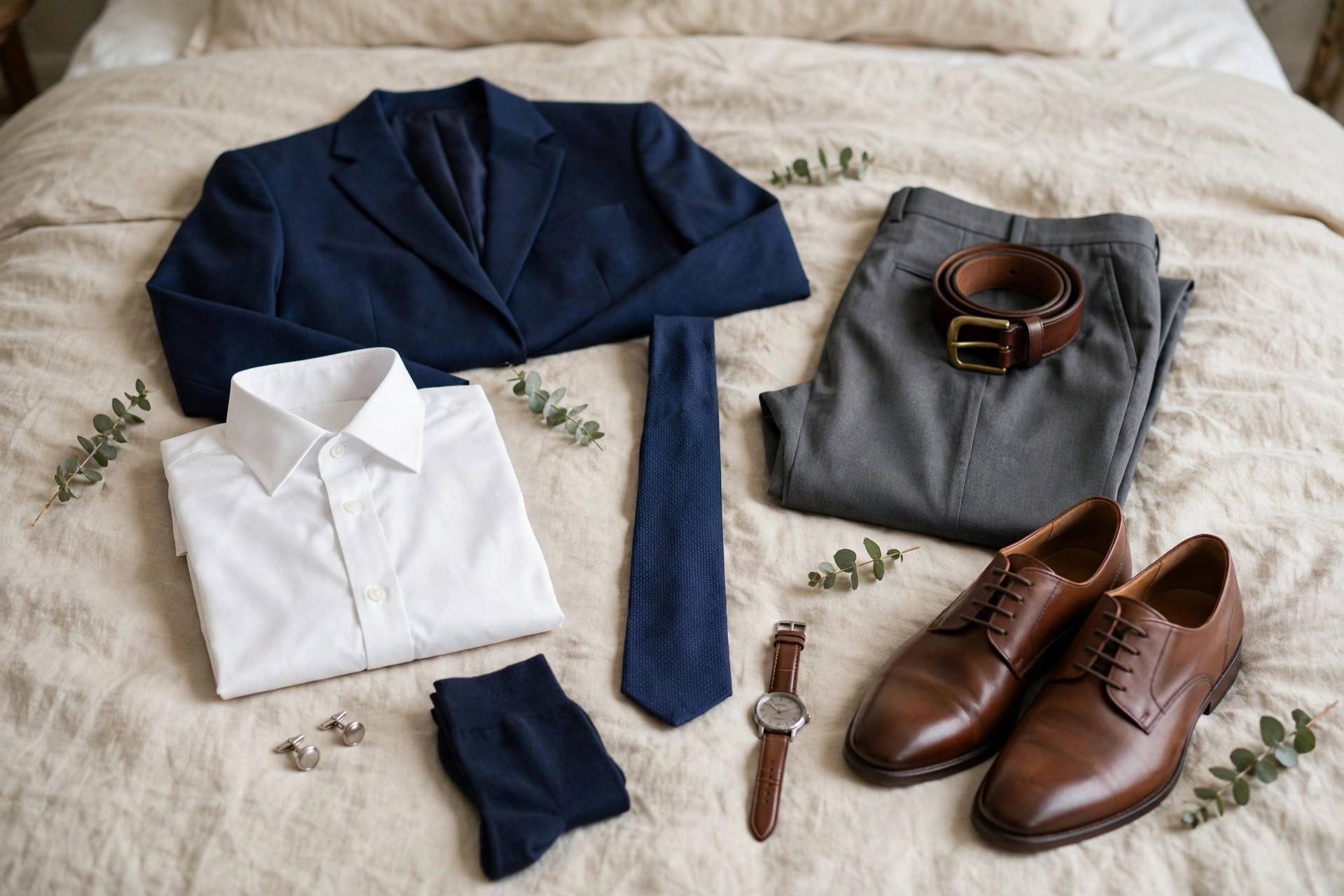
How to Dress for a Job Interview: The Outfit Formula
If decision fatigue is real (and before an interview, it is), use this formula:
- Base: tailored trousers, a knee-length skirt, or dark well-fitted jeans (culture permitting)
- Top: a crisp shirt, silk-feel blouse, or fine-knit top in white, light blue, or another soft neutral
- Layer: a structured blazer in navy, black, or charcoal — the polish multiplier
- Shoes: closed-toe, clean, comfortable enough to walk confidently — loafers, pointed flats, low block heels, or minimal dress shoes
- Bag: structured, professional, big enough for your documents but not oversized
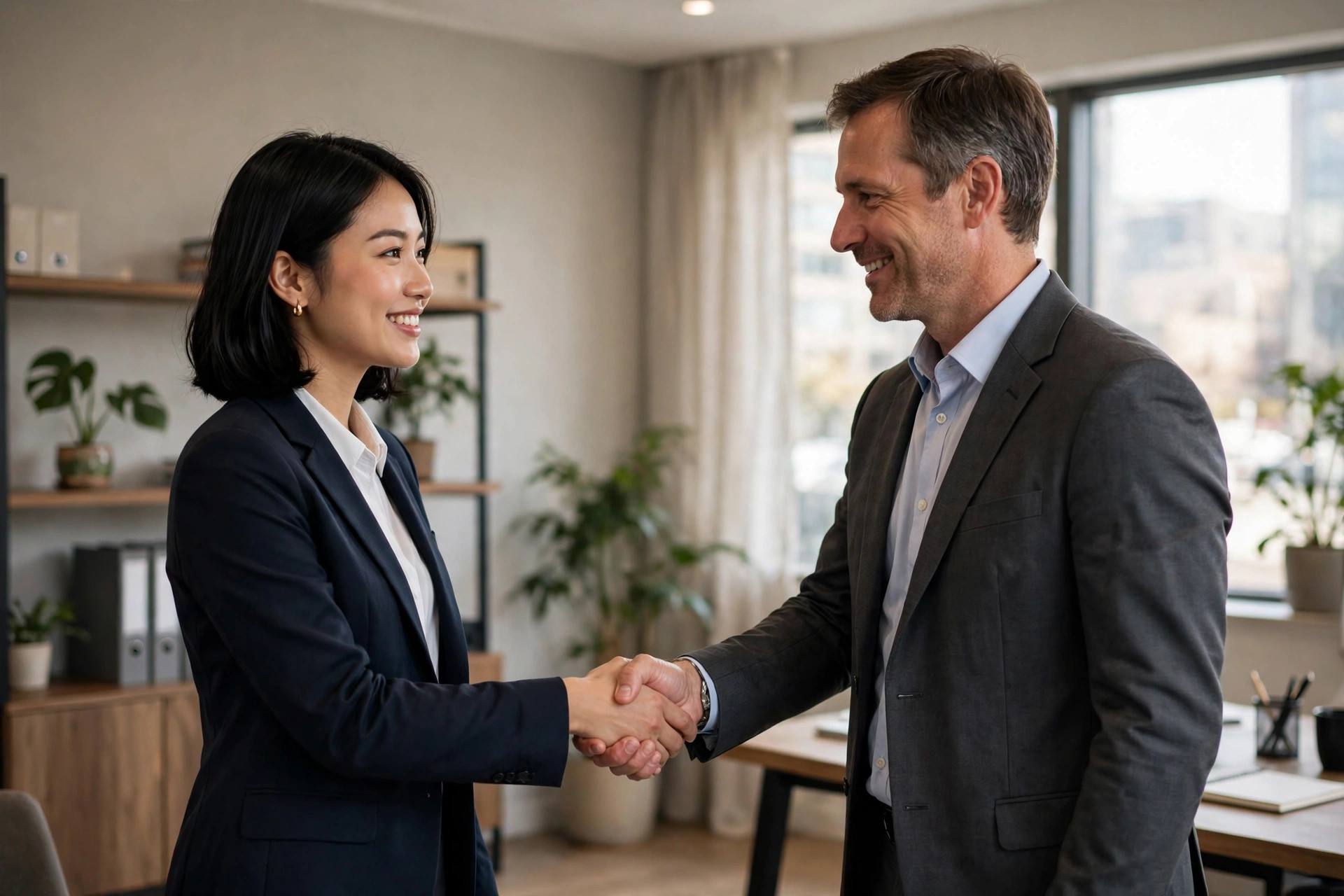
This combination works across industries with small adjustments. It’s the sartorial equivalent of a firm handshake: universally understood, never wrong.
Fit and Grooming: The Details That Actually Matter
Here’s a secret from the other side of the interview table: interviewers rarely remember specific clothes, but they always register fit and grooming. These details carry more weight than any brand name:
- Fit is everything. Clothes that fit well look expensive; expensive clothes that fit badly look cheap. Trousers that pool at the ankle, a blazer pulling at the buttons, sleeves swallowing your hands — all of these undermine the message. If needed, a quick tailor visit for hemming is the best money you’ll spend.
- Wrinkle-free. Iron or steam everything the night before. Wrinkles are the fastest way to look unprepared.
- Hair neat and intentional. Whatever your style, it should look deliberate — clean, controlled, and out of your face.
- Nails clean and simple. You don’t need a manicure; you need clean, trimmed nails. Interviewers notice hands more than you’d think.
- Fragrance: minimal or none. A light scent is fine; a cloud is not. Many workplaces are scent-sensitive, and strong fragrance in a small interview room is memorable for the wrong reasons.
- Minimal jewelry. One or two refined pieces. Nothing noisy, nothing distracting.
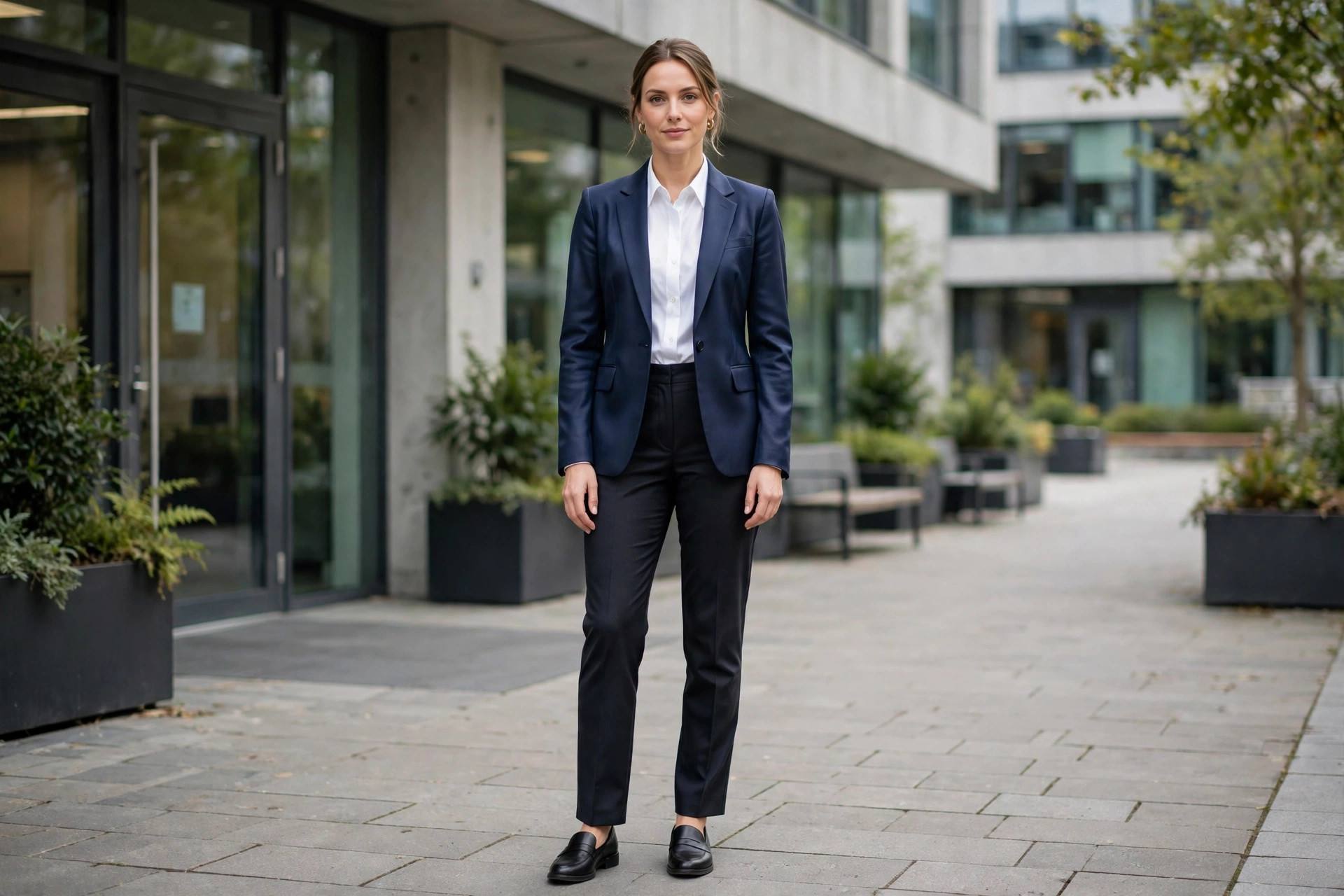
What NOT to Wear: The Common Mistakes
- Anything brand-new and untested. Never debut an outfit at an interview. Wear it once before to check comfort, fit quirks, and whether it wrinkles, rides up, or needs adjusting. Fidgeting with your clothes during an interview is distracting — for you most of all.
- Anything uncomfortable. Pinching shoes, a too-tight waistband, a scratchy collar — discomfort leaks into your body language and your thinking. Comfort isn’t casual; it’s strategic.
- Loud patterns or logos. Let your answers be the memorable part, not your shirt.
- Too much skin or too-casual pieces. Shorts, flip-flops, gym wear, distressed denim — even at casual companies, the interview deserves a step up from weekend wear.
- Overpowering accessories. The giant statement necklace, the jangling bracelets, the novelty tie — save them for after you’ve got the job.
- Heavy makeup or dramatic styling. Polished and natural beats dramatic for interviews. You want to look like yourself on your best day.
Special Situations
Video interviews: Dress fully, not just from the waist up — it changes how you carry yourself, and you never know when you’ll need to stand. Solid colors work better on camera than busy patterns (which can shimmer or moiré on screen). Check your background and lighting, and do a test call with a friend.
Panel interviews: Same outfit principles, but prioritize comfort even more — you’ll be “on” longer. Bring water, and choose fabrics that don’t show stress perspiration.
Second / final round interviews: You can wear the same outfit (nobody tracks this as much as you fear), but a small variation — different top under the same blazer — keeps you feeling fresh. By this round, they’re evaluating fit; let your personality show a touch more.
Creative industry interviews: This is where personal style becomes an asset — your outfit is part of your portfolio. Still keep it intentional and polished; “creative” is not a synonym for “random.” One distinctive piece styled well beats a chaotic outfit every time.
Building an Interview-Ready Wardrobe
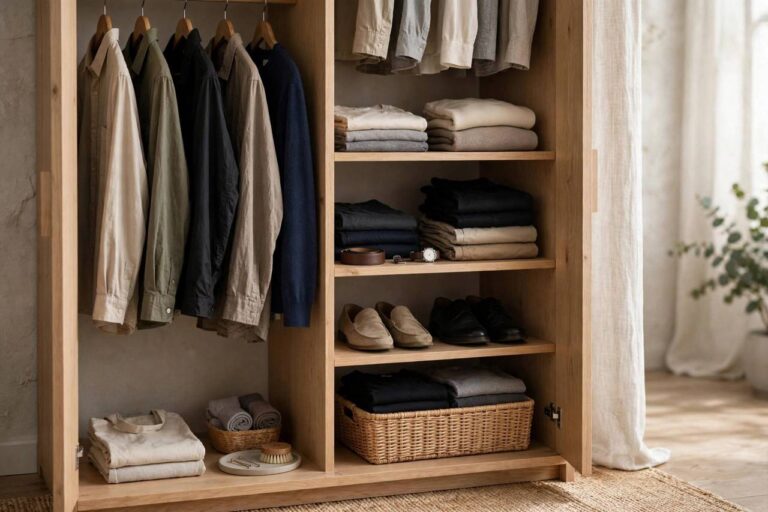
You don’t need a closet full of suits. A small set of versatile, quality pieces covers every interview scenario:
- One well-fitted blazer in navy or charcoal
- Two crisp tops (white and light blue are the workhorses)
- One pair of tailored trousers in a dark neutral
- One knee-length skirt or dress (if that’s your style)
- One pair of polished, comfortable closed-toe shoes
- One structured bag
These pieces mix and match across interviews and then go straight into your work wardrobe afterward — nothing wasted. If you think in terms of versatile staples that all work together, you’ll find my capsule wardrobe guide useful — the same philosophy that makes interview dressing easy makes everyday dressing effortless.
The Night Before: Your Checklist
- Outfit chosen, tried on, steamed/ironed, and laid out
- Shoes cleaned, bag packed with documents and essentials
- Shower, grooming, nails — done tonight, not in a morning rush
- Route planned, outfit-appropriate outerwear ready (check the weather!)
- Early night — looking rested beats any outfit
Morning-of: give yourself more time than you think you need. Rushing undoes every bit of polish. Eat something, arrive 10-15 minutes early, take three slow breaths before you walk in.
Remember what the outfit is for: it’s armor, not costume. When you look polished and feel comfortable, you stop thinking about yourself and start focusing on the conversation — and that’s when you do your best. The clothes get you in the door feeling confident; your answers do the rest. You know how to dress for a job interview — now go get that job.
Dressing for Your Body, Not Against It
One more thing, because it matters: the “rules” above work for every body. The principles — fit, polish, comfort, intention — are universal, but their application is personal. Petite frames benefit from cropped blazers and higher waistlines that elongate the leg. Taller frames can carry longer lines and bolder proportions. Plus-size candidates look powerful in structured fabrics that skim rather than cling, with V-necklines and vertical details. Whatever your shape, the goal is the same: clothes that fit your actual body, chosen with care. Confidence doesn’t come from a size label — it comes from wearing something that feels like it was made for you walking into that room.
One last check before you leave: stand up in the full outfit and move — sit down, raise your arms, and take a few steps. If a shirt pulls at the buttons or a skirt rides up when you sit, the interviewer will notice it too. A two-minute mirror test at home beats a day of quiet discomfort in the waiting room.
FAQ
Is it okay to wear black to a job interview?
Yes — black is professional and versatile. Just avoid a head-to-toe black outfit that can read severe; break it up with a lighter top or a navy blazer. In creative industries, all-black is practically a uniform and works perfectly.
Can I wear jeans to a job interview?
Only if the company culture clearly supports it — and even then, choose dark, well-fitted, non-distressed jeans paired with a blazer and polished shoes. When in doubt, trousers are the safer choice. Research the company’s dress code beforehand.
What should I wear to a video interview?
Dress as you would in person — solid colors (avoid busy patterns that distort on camera), good lighting on your face, and a tidy background. Dress fully, not just the top half; it affects your posture and confidence, and you might need to stand up unexpectedly.
How should I dress for a second interview?
Same level of polish as the first round. You can repeat the outfit or vary it slightly (different top, same blazer). By the final round they’re assessing cultural fit, so let a bit more personality show while staying professional.
What colors are best for interview outfits?
Navy, charcoal, black, white, and light blue are the safest, most universally professional choices. They convey competence and trustworthiness without distraction. Save bold colors for accents — a scarf, a pocket square — rather than the main pieces.