How to Plan a Microwedding: The Complete Checklist

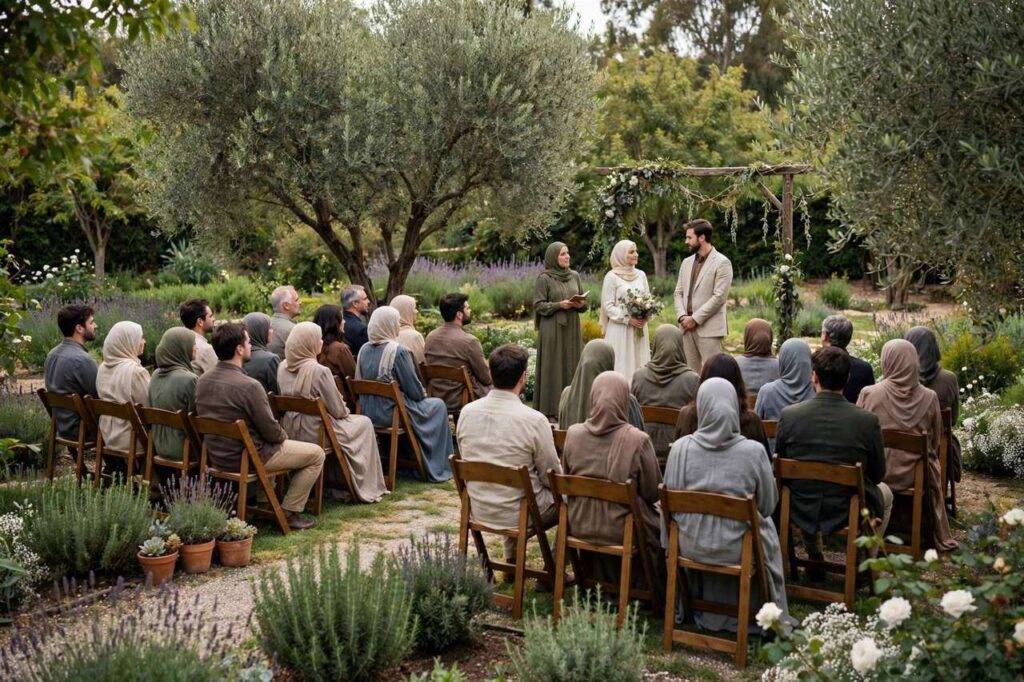
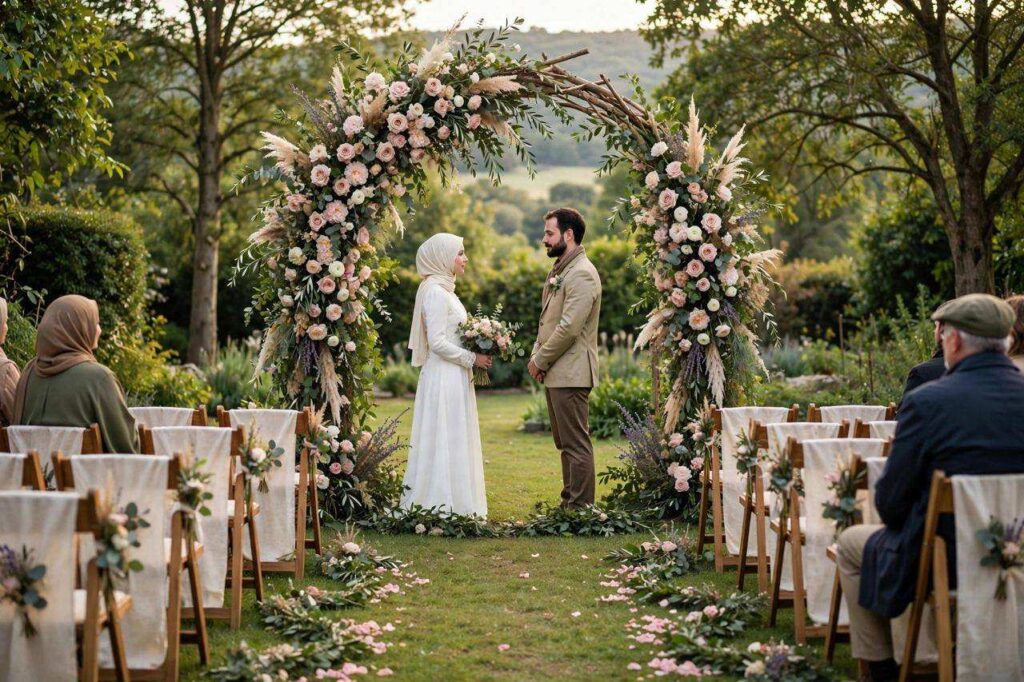
Here is how to plan a microwedding, and I will start with the reframe that changes everything: a microwedding is not a “small wedding” the way a studio apartment is a “small house.” It is a different thing entirely — an intentional, intimate celebration with 50 or fewer guests where every person present actually matters to you, and where the budget goes toward meaning instead of headcount. I have watched couples plan these in every style imaginable, from backyard ceremonies with twenty people to chic restaurant buyouts, and the ones that sing all share the same DNA: ruthless guest-list honesty, a venue chosen for atmosphere, and vendors treated as collaborators rather than an assembly line.
Here is what I believe: a great wedding is not about the perfect day. It is about starting a marriage right. A microwedding, done well, is one of the purest expressions of that — and this checklist covers the guest list, venue, vendors, budget, and timeline to get you there.
How to Plan a Microwedding: Step 1 — The Guest List (Be Ruthless)
The guest list is the whole game. Everything about a microwedding — the venue options, the budget, the vibe — flows from keeping it under 50 and ideally under 30. And this is where couples get stuck, because every name cut feels like a small betrayal.
Here is the framework I give every couple: start with the people you could not imagine the day without, not the people you feel obligated to invite. Parents, siblings, best friends — the non-negotiables. Then add in layers only if you genuinely want them there: extended family you actually talk to, friends you see more than twice a year. The test for every borderline name is simple: if you ran into them at the grocery store, would you be excited or polite? Excited gets an invitation.
A few practical rules. No plus-ones for people you have never met — with a list this small, every seat is precious. It is completely fine to have an adults-only microwedding; say so kindly and early. And tell both families the number cap up front, before anyone starts lobbying. “We are keeping it to 30 people total” is a boundary, not a negotiation, and announcing it early prevents the slow creep that turns microweddings into regular weddings with extra steps.
Expect some feelings. Someone will be disappointed. That is the price of intimacy, and it is worth paying — because the reward is a wedding where you actually talk to every single guest instead of doing a receiving line with 200 strangers.
Step 2: Choose a Venue Made for Intimacy
A microwedding frees you from the ballroom-industrial complex. You do not need a venue built for 200 people; you need a space that feels full and warm with 25. That opens up options traditional weddings cannot touch:
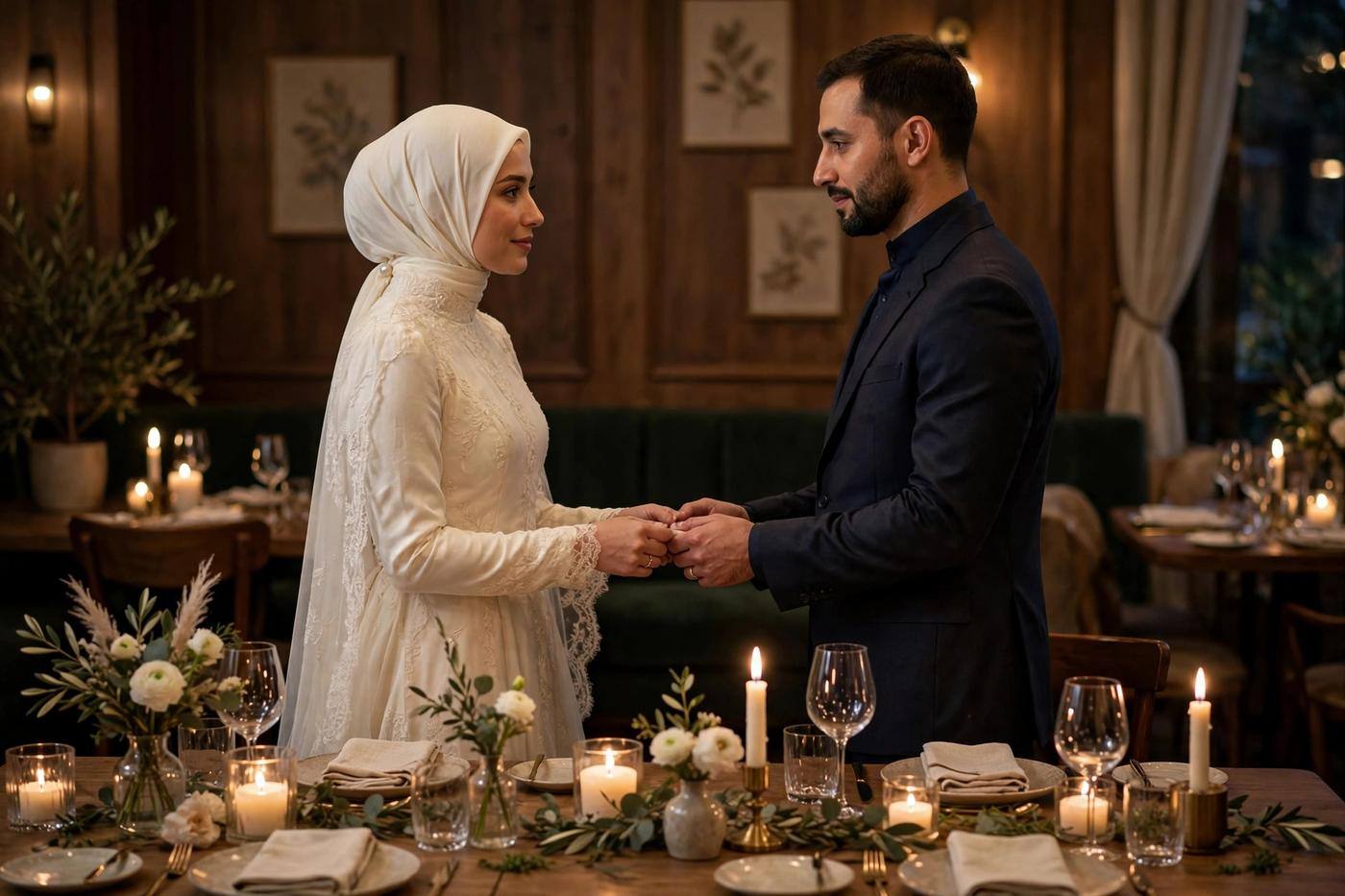
Restaurants and private dining rooms. The single best microwedding hack. A private dining room seats 20 to 40 perfectly, the food is already excellent, and you skip rentals, catering logistics, and half the vendor list. Many couples do the ceremony in a garden or park, then walk to dinner.
Backyards and family property. Free venue, total control, deeply personal. Budget for the unsexy stuff: tent or shade plan, enough bathrooms (rent luxury restroom trailers past 25 guests — trust me), parking, and a noise plan for neighbors.
Boutique hotels, galleries, and historic homes. Spaces designed for atmosphere rather than capacity. Many have microwedding or elopement packages now — ask specifically, because the standard wedding package is built for triple your guest count.
Airbnbs and vacation rentals. Gorgeous and affordable, but check the fine print: many prohibit events, and “event” sometimes includes a 20-person ceremony. Get written permission before you book anything else.
Public parks, beaches, and mountaintops. Stunning and cheap, but permits, weather backups, and guest comfort (seating, shade, restrooms) are on you. If you are torn between this scale and something even smaller, our elopement planning checklist covers the just-us version of this decision.
Venue shopping question that matters most: “What is your minimum guest count and minimum spend?” Venues built for big weddings sometimes have minimums that make them absurd for 25 people. Ask early, save everyone time.
Step 3: Vendors — Fewer, Better, Earlier
A microwedding needs fewer vendors, but the ones you hire matter more — with 25 guests, there is nowhere for mediocre food or a checked-out photographer to hide. Prioritize in this order:
Photographer/videographer. Book first, even before the venue is finalized if you have a date. The best intimate-wedding photographers book 9 to 12 months out. Look for portfolios full of small weddings specifically — shooting 25 people well is a different skill from shooting 250.
Food. This is where microwedding budgets shine: with 30 guests, you can afford the incredible meal you could never serve to 200. Private chef, tasting menu, food truck, beloved restaurant — feed people memorably.
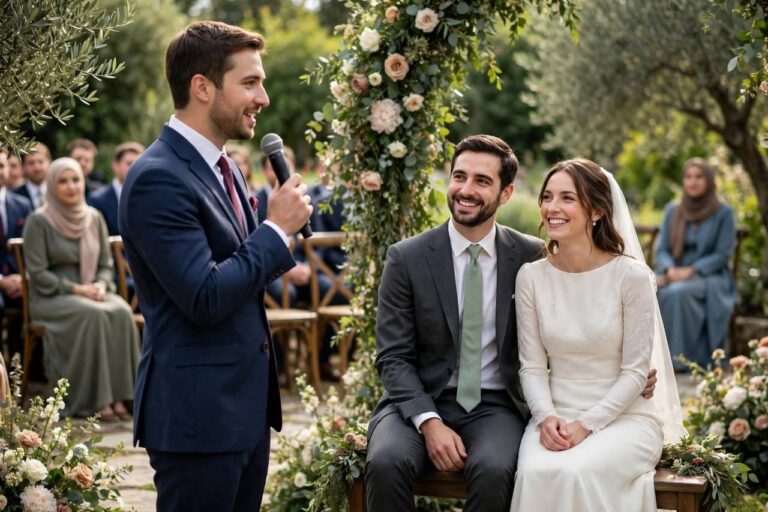
Officiant. With a small ceremony, the officiant’s words carry the whole room. Hire someone who will learn your story, or ask a meaningful friend to get ordained. Generic readings in front of 20 people fall flat; personal ones land like thunder.
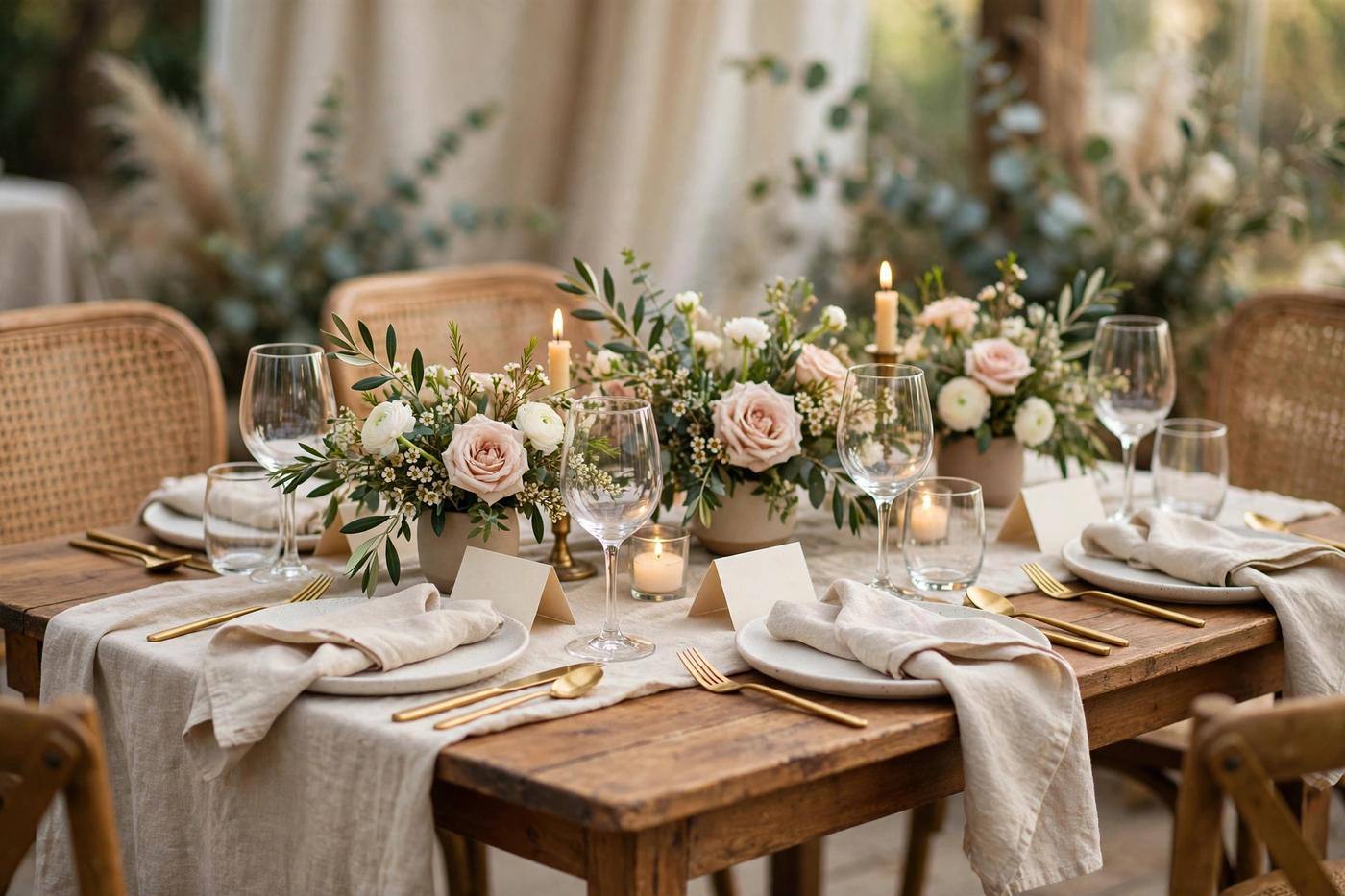
Flowers, music, cake. Scale to the space. A ceremony arch and low dinner-table arrangements rather than ballroom installations. A string duo or a great playlist instead of a ten-piece band. A small cutting cake plus a dessert table, or just the dessert table — nobody at a 25-person wedding needs a five-tier cake.
One vendor note: tell every vendor the guest count up front. Pricing, staffing, and setup all change below 50 guests, and you will often get better quotes than the standard wedding package — but only if they know what they are quoting for.
Step 4: The Budget — Where the Money Actually Goes
Microweddings typically run from $5,000 to $25,000 depending on location and priorities, versus a national traditional-wedding average several times that. But the real story is not the total — it is the per-person math. At 25 guests, every dollar goes further, which means you face a choice: spend less overall, or spend the same and make it extraordinary.
My advice: pick two splurge categories and be disciplined everywhere else. Most couples splurge on photography and food — the two things guests remember longest and the two things you will revisit for decades. Save on invitations (digital is fine at this scale), favors (a heartfelt note beats a trinket), and anything rented “because weddings have those.”
Build a 10 percent contingency for surprises, track spending in one spreadsheet from day one, and have the money conversation with anyone contributing before you book anything. For couples watching every dollar, our affordable wedding ideas roundup has dozens of specific ways to keep costs down without the day feeling cheap — because it should never feel cheap, only intentional.
Step 5: The Timeline
9–12 months out: Set the budget and guest count cap. Book photographer and venue. These two go first because they have the scarcest availability.
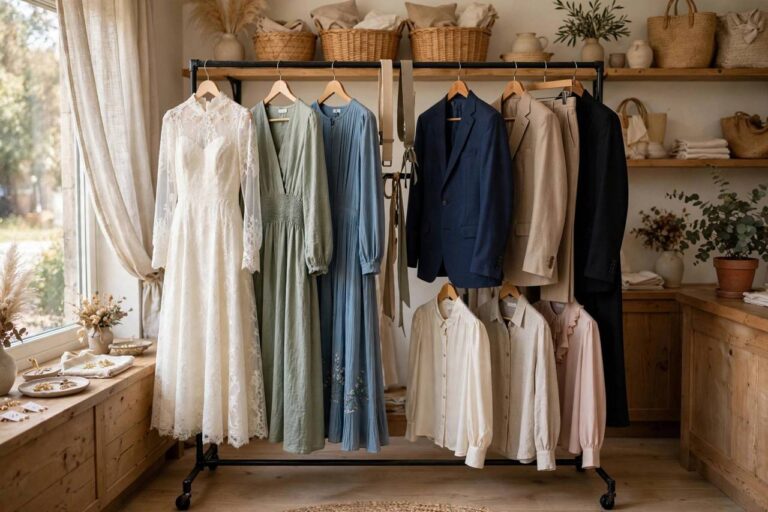
6–9 months out: Book caterer or restaurant, officiant, and florist. Order attire — small weddings do not mean casual unless you want them to; dress for the wedding you are actually having. Send save-the-dates (digital is perfect).
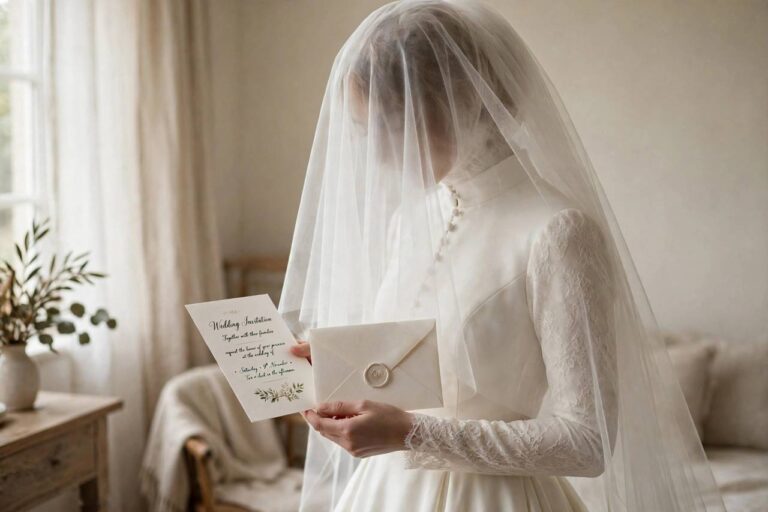
3–6 months out: Finalize menu, book music, order cake or desserts, plan ceremony details with your officiant. Send invitations 8 to 10 weeks out — with a small list, you can afford beautiful paper if you want it.
1–3 months out: Final headcount, seating plan (yes, even for 25 — assigned seats prevent the awkward shuffle), vendor confirmations, day-of timeline. Write vows. Get the marriage license — check your state’s waiting period now, not the week before.
Week of: Confirm all vendors, pack an emergency kit, and then stop planning. The last 48 hours are for being a person, not a project manager. Delegate everything to a trusted friend or day-of coordinator.
The Details That Make It Feel Special
Small guest lists unlock personal touches that do not scale: handwritten notes to every guest, a group photo where everyone is actually in it, dinner-table toasts where every person speaks, a ceremony where the officiant tells your real story. Lean into these. The whole point of gathering 25 people instead of 150 is that you can look each of them in the eye — so build moments that use that.
And protect the couple’s experience too. Build in fifteen minutes alone together after the ceremony — no photos, no guests, just the two of you. Couples who do this consistently call it their favorite part of the day.
Frequently Asked Questions
How many guests is a microwedding?
A microwedding typically has 50 or fewer guests, with most falling in the 10-to-30 range. The defining feature is not just the number but the intent: every guest is someone the couple genuinely wants present, rather than a headcount driven by obligation. Under 10 guests is generally considered an elopement.
How much does a microwedding cost?
Most microweddings cost between $5,000 and $25,000 depending on location, venue, and priorities. The smaller guest list means dramatically lower catering and rental costs, and many couples redirect the savings into higher-quality photography, food, and experiences rather than spending less overall.
How far in advance should you plan a microwedding?
Nine to twelve months is ideal, mainly because the best intimate-wedding photographers and unique small venues book up early. That said, microweddings are far more flexible than traditional weddings — with fewer vendors and no ballroom logistics, a well-organized couple can plan one in 4 to 6 months.
Do you need a wedding planner for a microwedding?
Not necessarily a full planner, but a day-of coordinator is worth serious consideration even at 25 guests. Someone needs to cue vendors, handle setup, and solve problems on the day — and it should not be you, your partner, or your mother. Many planners offer affordable day-of packages specifically for small weddings.
Is it rude to not invite people to a microwedding?
It is not rude to keep your wedding small — it is your wedding. What matters is handling it with clarity and kindness: announce the intimate plan early, do not make exceptions that undermine the boundary, and consider including wider circles in a casual celebration later if that feels right. Most people understand; the few who do not were never going to.