How to Write a Best Man Speech People Will Remember

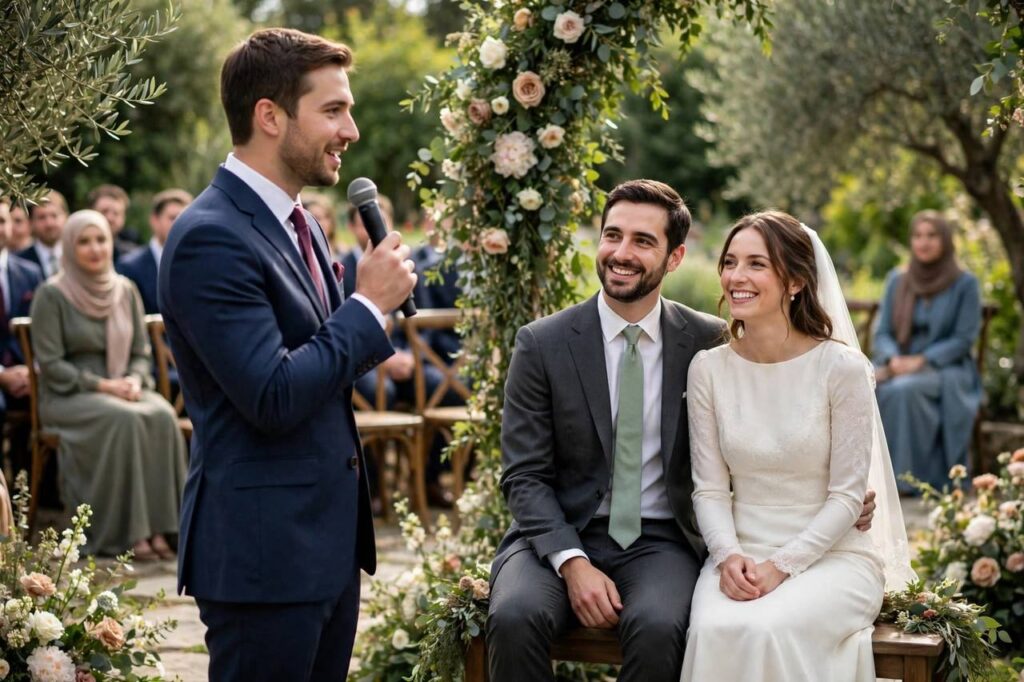
If you have just been asked to be the best man, congratulations — and also, I am sorry, because now you have to figure out how to write a best man speech that is funny without being crude, heartfelt without being sappy, and short enough that nobody starts checking their watch. I have sat through dozens of wedding receptions, and I can tell you the difference between a speech people remember fondly and one they politely forget has almost nothing to do with being a “natural speaker.” It comes down to structure. A good best man speech is a simple machine: a warm opening, two or three well-chosen stories, a genuine compliment to the couple, and a toast. That is the whole recipe.
Here is the part nobody tells you: the groom did not pick you because you are the funniest person he knows. He picked you because you know him — the real him, the one from before the matching suits. Your only job is to let the room see that person for five minutes. Everything in this guide serves that one goal.
How to Write a Best Man Speech: Start With the Right Mindset
Before you write a single word, get clear on what the speech is for. It is not a roast. It is not your open-mic debut. It is a gift to the couple and a moment of honor for your friendship. The best speeches I have heard all shared one quality: the speaker clearly liked the groom and was genuinely happy for the couple. Audiences forgive shaky delivery. They do not forgive meanness or a speech that is secretly about the speaker.
Set your target length now: four to six minutes. That is roughly 600 to 800 words on paper. Anything longer and you are competing with dinner, dancing, and the open bar — a fight you will lose. Anything much shorter can feel like you did not try. Time yourself reading aloud when you practice, because everyone reads faster in their head than in front of a crowd.
The Structure That Never Fails
After watching more best man speeches than I can count, the ones that work all follow the same skeleton. Memorize this shape and you cannot go far wrong:
- Introduce yourself and your connection (30 seconds). Not everyone knows who you are. “For those who don’t know me, I’m Dan, and I’ve had the privilege of being Mike’s best friend since we were both terrible at high school basketball.”
- Thank the key people (30 seconds). The hosts, the wedding party, the guests who traveled. Keep it quick and warm.
- Story one: who the groom is (90 seconds). A story that shows his character — loyal, funny, generous. This is the heart of the speech.
- Story two: the couple (60 seconds). How you knew she was the one, or a moment that showed you what they are together.
- The turn: say something real (45 seconds). Drop the jokes for a moment and say what the friendship means to you.
- The toast (30 seconds). Raise the glass, keep it simple, end on warmth.
Notice the ratio: stories and sincerity get the bulk of the time, and the “thank you” section stays tight. That is where most nervous speakers go wrong — they spend two minutes on logistics and thirty seconds on the part people actually came to hear.
Finding Your Stories (The Hard Part, Made Easier)
Choosing stories is where most best men stall, so here is my method. Sit down with a blank page and write ten memories of the groom — no filtering, just dump them out. The embarrassing ones, the boring ones, all of them. Then run each through three tests:
- Is it kind at its core? The story can be funny about him, but it should make the room like him more, not less. If the punchline is “he’s an idiot,” cut it.
- Can Grandma hear it? If you would not tell it with his grandmother, his new mother-in-law, and his boss in the room — and they will all be there — cut it.
- Does it need a lot of setup? Inside jokes that require three minutes of backstory die on arrival. The best wedding stories are self-contained.
My favorite category of story is what I call the “character reveal”: a small moment that shows who he really is. The time he drove two hours to help you move on a Tuesday. The time he talked you out of a terrible decision. The time he cried at a movie and denied it. These land harder than any wild-party anecdote, because they make 150 strangers feel like they know him.
One more tip: pick stories where you are not the hero. The speech is about the groom. If every story ends with you looking great, the room notices.
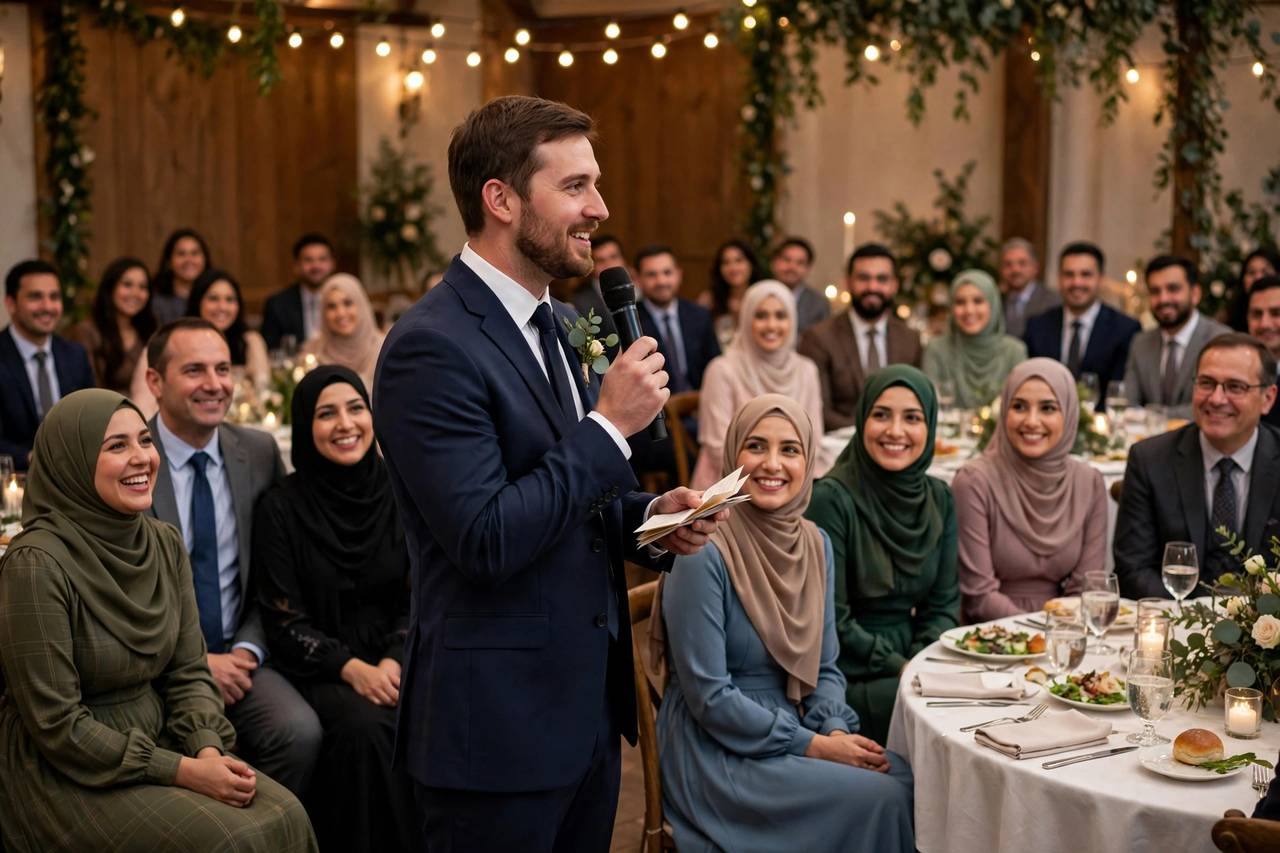
Writing the Opening: Your First 30 Seconds
Openings set the tone, and you do not need to be a comedian to nail one. Here are a few proven styles — pick the one that sounds like you:
- The honest admission: “When Mike asked me to be his best man, I was honored. Then he asked me to give a speech, and I immediately regretted accepting.”
- The gentle roast: “I’ve known Tom for fifteen years, which means I’ve had fifteen years to prepare for this and I’m still nervous.”
- The heartfelt direct: “I’ve been waiting a long time to stand up here and say this: Sarah, thank you for making my best friend the happiest I’ve ever seen him.”
Avoid the two classic bad openings: apologizing for being a bad speaker (“I’m terrible at this, so bear with me”) — it just makes the audience uncomfortable — and the fake-out where you pretend to read someone else’s speech. Both have been done ten thousand times.
The Toast: End Strong and Simple
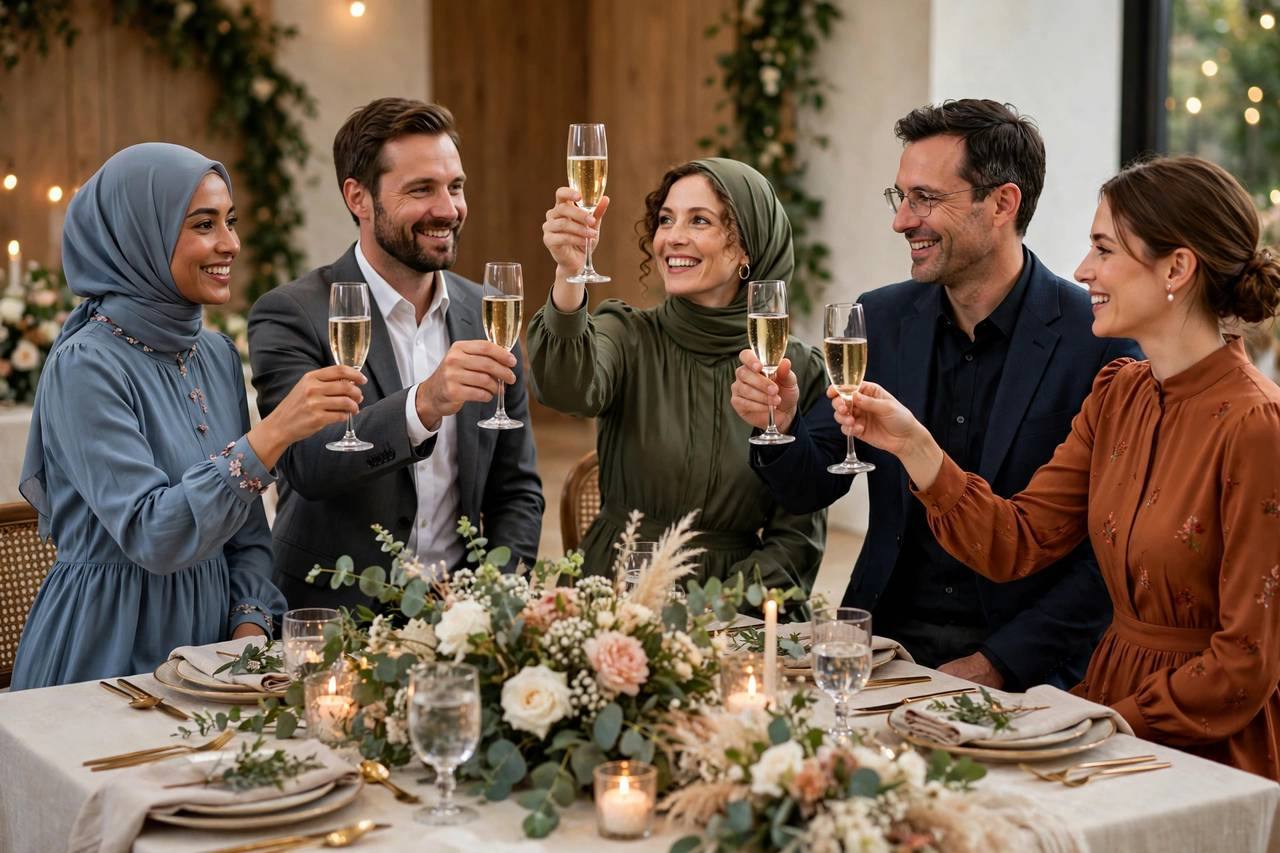
After your stories and your sincere moment, the toast should feel like a landing, not a second speech. Keep it to one or two sentences. Some reliable closers:
- “So please raise your glasses to Mike and Sarah — may your life together be as happy as you’ve made everyone in this room tonight.”
- “To the happy couple: here’s to a lifetime of laughing together, even when the joke’s on you.”
- “Everyone, please join me in wishing Alex and Jordan every happiness. To the bride and groom!”
Then stop talking. The single most common mistake I see is the speaker who lands the toast beautifully and then keeps going — one more joke, one more thank-you. When you feel the urge to add something after the toast, that is your cue to sit down.
Delivery: How to Actually Say It
Here is the truth about delivery: nobody expects polish. They expect you to care. That said, a few practical things make a real difference:
- Use note cards, not your phone. Cards do not lock, die, or tempt you to check notifications. Bullet points, not full sentences — reading word-for-word sounds wooden.
- Practice out loud at least three times. In the shower, in the car, to your dog. Your mouth needs to have said the words before.
- Slow down. Nerves make everyone rush. Consciously take a breath between sections.
- Make eye contact with the couple. When you say the sincere part, look at them, not at your cards. That is the moment the room will remember.
- Hold the mic properly. About a fist’s width from your mouth, and keep it there. Half of “bad speeches” are just inaudible speeches.
- Have water nearby. Dry mouth is the enemy. Take a sip before you start.
What to Leave Out (The Do-Not List)
I keep this list short because it matters: no ex-girlfriends, ever. No stories about drinking, drugs, or anything illegal — even if “everyone knows.” No inside jokes that exclude the bride’s entire family. No props, costumes, or slideshows you have to operate yourself. No roasting the bride. And no mentioning how much the wedding cost, how long they dated before getting engaged, or anyone’s age. When in doubt, ask yourself: “Will this still be funny to them on their tenth anniversary?” If not, cut it.
Frequently Asked Questions
How long should a best man speech be?
Aim for four to six minutes, which is about 600 to 800 written words. Shorter than three minutes can feel rushed or half-hearted; longer than seven and you will start losing the room. Always time yourself reading aloud, since nerves tend to speed people up.
Should a best man speech be funny or serious?
Both, in roughly a 70/30 split. Humor keeps people engaged, but the moment everyone remembers is the sincere part — when you drop the jokes and say what the friendship means. A speech that is all jokes feels like a routine; a speech that is all serious feels like a eulogy. You want the mix.
Is it okay to read a best man speech from notes?
Absolutely. Use small note cards with bullet points rather than reading full sentences word-for-word, which sounds stiff. Nobody judges a best man for using notes — they judge him for rambling, and notes prevent that. Memorizing the whole thing adds pressure you do not need.
What if I am terrified of public speaking?
You are in good company — most best men are. The structure in this guide is your safety net: if you lose your place, your note cards tell you exactly where you are. Practice out loud three or four times, keep water nearby, and remember the audience is rooting for you. Nobody at a wedding wants the best man to fail.
Can I include a quote or poem in a best man speech?
You can, but keep it to one short quote at most, and make sure it genuinely fits the couple rather than sounding generic. A line from a song they love or a book that matters to the groom lands far better than a famous love quote everyone has heard at five other weddings. And never let the quote do the emotional work your own words should do.
Learning how to write a best man speech is really learning how to say something true in front of people who love the groom as much as you do. Trust the structure, pick stories with heart, keep it under six minutes, and end with a real toast. Do that, and years from now, when someone mentions the wedding, they will mention your speech — in the good way.