What Does DLC Mean in Gaming? Types & Buying Guide

You just finished a game you loved, you are browsing the store page, and there it is: “DLC available.” Season pass. Expansion. Deluxe edition upgrade. If you have ever wondered what does DLC mean in gaming, here is the short version: DLC stands for Downloadable Content — extra content for a video game that you download separately from the base game. It can be anything from a single new outfit for your character to a full story expansion the size of another game. And whether any given DLC is worth your money depends entirely on which kind it is — because not all DLC is created equal, not even close.
I have been gaming since I could hold a controller, and I have bought DLC that felt like a gift and DLC that felt like a shakedown. This guide breaks down every major type, how the business model evolved, and how to decide what is actually worth buying. No gatekeeping, no “real gamers” nonsense — just the full picture so you can spend smart.
What Does DLC Mean in Gaming? The Full Definition
Downloadable Content is exactly what the name says: game content distributed digitally, after (or alongside) the base game’s release, that adds to or changes the game. Before broadband internet made this practical, “extra content” meant buying a physical expansion pack in a store. DLC replaced that with instant downloads — and, over time, with an entire economy built around selling games in pieces.
The key thing to understand is that “DLC” describes a delivery method, not a quality level. A DLC can be a lovingly crafted 30-hour expansion or a 99-cent horse armor. (Yes, horse armor — we will get to that.) Judging DLC as a category is like judging “movies” as a category. The label tells you how it arrives, not whether it is good.
The Main Types of DLC, From Best to Most Shameless
Story expansions: the gold standard
These are the DLCs that justify the entire concept: substantial new campaigns, regions, or storylines, often 10-30+ hours of content. Think of them as sequels that slot into the original game. The best expansions are remembered as fondly as the base games — sometimes more fondly. They are usually priced like it ($15-40), and when done well, they are the best value in gaming.
New gameplay content: maps, modes, characters
Extra multiplayer maps, new playable characters, additional game modes, new weapons or levels. This DLC extends a game’s lifespan rather than its story. Fighting games selling new fighters and shooters selling map packs are the classic examples. Value depends entirely on how much you play that mode — a map pack for a game you play daily is a bargain; for a game you finished once, it is a paperweight.
Season passes: the bundle deal
A season pass is a single purchase that grants access to multiple future DLCs, usually at a discount versus buying separately. The catch — and it is a big one — is that you are buying content that does not exist yet. Sometimes the season pass delivers an incredible year’s worth of content. Sometimes half of it is underwhelming. My rule: never buy a season pass at launch unless you adored the base game and trust the developer’s track record. Wait for the content to actually release, read the reviews, then decide.
Cosmetic DLC: skins, outfits, mounts
Purely visual items that do not affect gameplay: character skins, weapon camos, outfits, mounts, emotes. This is the backbone of free-to-play economics — the game is free, the cool-looking hat costs money. There is nothing inherently wrong with cosmetics; nobody needs them, which means nobody is exploited by their existence. The value question is purely personal: does looking cool matter enough to you to pay for it?
Microtransactions and consumables: tread carefully
The controversial end of the spectrum: loot boxes (randomized rewards), XP boosters, in-game currency, and pay-to-win mechanics where spending money buys competitive advantage. This is where DLC stops being “extra content” and starts being a monetization system designed around psychology — and where regulators in several countries have started paying attention. My stance is simple: cosmetics are fine, convenience boosters are your call, and anything that sells power in a competitive game deserves your skepticism.
The infamous origin story of DLC backlash is the 2006 “horse armor” for Oblivion — a $2.50 cosmetic item that became the poster child for charging for trivial content. Nearly two decades later, the industry is still arguing about where the line is. If you are curious how games themselves get built before any of this monetization enters the picture, I have written about how video games are made — the long road from concept to the store page where the DLC offers begin.
A Brief History: How DLC Took Over Gaming
DLC did not appear out of nowhere — it evolved through distinct eras:
- The expansion pack era (1990s-early 2000s): physical discs sold in stores, months after release. Substantial, expensive to produce, and clearly “more game.” Nobody complained about these.
- The early DLC era (mid-2000s): broadband consoles made digital downloads viable. Small content drops — map packs, cosmetic items — at low prices. The horse armor incident (2006) sparked the first backlash.
- The season pass era (2010s): publishers bundled future DLC into upfront purchases, shifting revenue earlier and normalizing buying content sight unseen.
- The live-service era (late 2010s-present): free-to-play games funded entirely by cosmetic microtransactions and battle passes; “games as a service” with years of rolling content updates. DLC as a concept partly dissolved into the ongoing content stream.
Each era made games cheaper to access and more expensive to fully own — the defining tension of modern gaming economics. The base game got cheaper (or free); the complete experience got pricier.
How to Decide If DLC Is Worth Buying
Here is my practical framework, honed over years of both great and regrettable purchases:
- Finish the base game first (or at least play enough to know you love it). Buying DLC for a game you are lukewarm on is the most common waste in gaming.
- Identify the type. Story expansion for a game you loved? Strong buy. Cosmetic for a game you play daily? Reasonable. XP booster? Ask yourself why you are paying to skip the game you bought.
- Check the “complete edition” math. A year after release, most games get a Game of the Year / Definitive / Complete edition bundling everything at a steep discount. If you are patient, patience pays enormously.
- Read reviews of the DLC specifically — not the base game. DLC quality varies wildly even from great developers.
- Never pre-order DLC or buy season passes blind unless the developer has earned that trust across multiple releases. The content should prove itself first.
- Set a personal rule for microtransactions and stick to it. Mine: cosmetics only, never power, and never in games my kids play. Yours can differ — the point is having one.
DLC vs. Microtransactions vs. Expansions: Clearing Up the Terms
People use these interchangeably, but they mean different things:
- DLC is the umbrella term: any downloadable extra content.
- Expansion usually means a large, story-heavy DLC — the premium tier.
- Microtransactions are small, often repeatable purchases, frequently for consumables or randomized items. All microtransactions are DLC in the technical sense, but not all DLC is microtransactions.
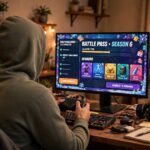
- Battle pass is a seasonal progression system: pay once, unlock rewards by playing. It is the dominant monetization model in live-service games.
- Live-service content refers to ongoing updates (seasons, events) that may be free, paid, or mixed — the modern evolution of the whole DLC concept.
The Future: Where DLC Goes From Here
A few trends are reshaping the landscape. Subscription services (Game Pass and its competitors) are bundling DLC into monthly fees, changing the buy-or-skip calculus. Cloud gaming is altering how content gets delivered at all — if you want the background on that shift, my explainer on how cloud gaming works covers it. Regulatory pressure on loot boxes keeps growing, pushing publishers toward transparent battle-pass models. And the indie scene keeps proving that a complete game with no DLC at all can still be a masterpiece — a quiet reminder that the business model is a choice, not a law of nature.
Frequently Asked Questions
What does DLC mean in gaming?
DLC stands for Downloadable Content — extra content for a video game distributed digitally, separate from the base game. It ranges from small cosmetic items like character skins to full story expansions with dozens of hours of gameplay. The term describes how the content is delivered, not its quality or size.
Is DLC worth buying?
It depends on the type and the game. Story expansions for games you loved are usually excellent value; cosmetic items are worth it only if you personally value them; and season passes should generally wait until the content actually releases and gets reviewed. The golden rule: finish (or at least love) the base game before buying anything extra for it.
What is the difference between DLC and a season pass?
DLC is the content itself; a season pass is a bundle purchase that gives you access to multiple DLCs (usually future, unreleased ones) at a discount. Buying a season pass means paying upfront for content that does not exist yet, which is why it is smarter to wait for reviews unless you deeply trust the developer.
Do you keep DLC if you uninstall the game?
Yes — DLC is tied to your account and store purchase history, not to the installed files. Uninstalling the game removes the downloaded content from your device, but you can redownload everything you own for free whenever you reinstall. This applies across PlayStation, Xbox, Steam, and other major platforms.
Can DLC be transferred between consoles or accounts?
Generally no — DLC is locked to the account (and usually the platform) that purchased it. PlayStation DLC does not transfer to Xbox or Steam, and DLC bought on one account typically cannot be used by another account on the same console, with limited exceptions for primary-console sharing features. Always buy DLC on the account and platform where you play.
So what does DLC mean in gaming? Downloadable Content — the extra chapters, maps, skins, and seasons that orbit modern games. Some of it is the best value in the hobby; some of it is horse armor. Now you know the types, the history, and the buying framework. Spend like someone who has read the reviews first — because you have.