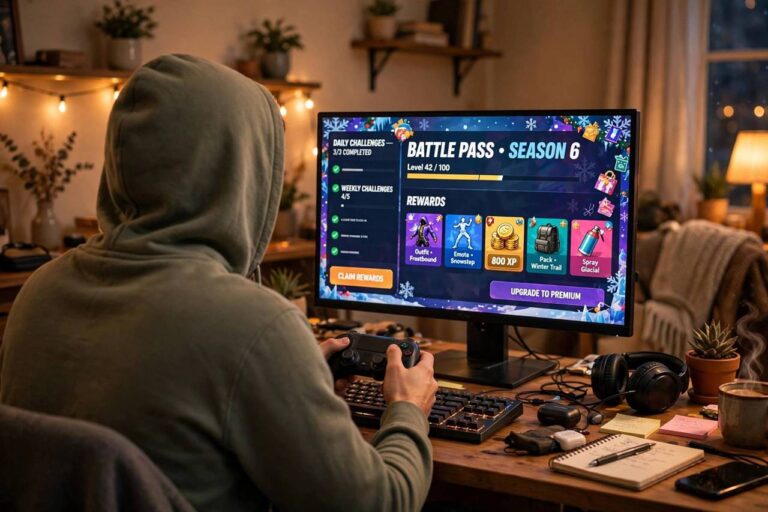
Battle Pass Explained: Are They Worth It?

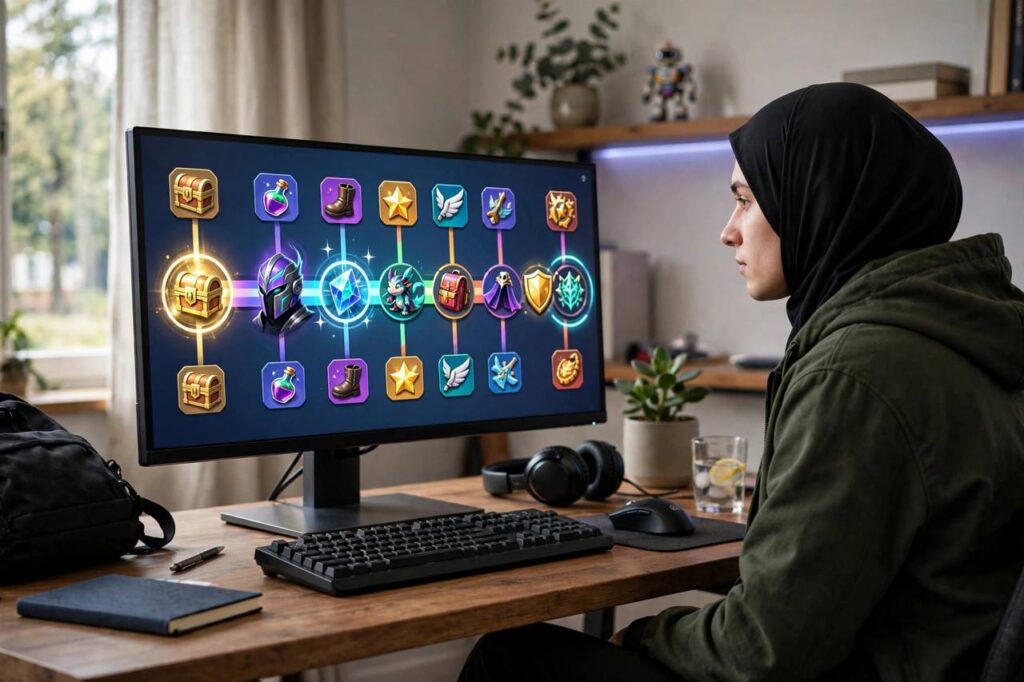
Battle pass explained in one sentence: it is a seasonal reward system in video games where you unlock cosmetics and bonuses by playing during a limited-time period. If you have ever wondered why half your friends suddenly start grinding the same game every few months, or what all those numbered tiers and “seasons” mean, this is the system behind it. I have played through more battle passes than I can count — across shooters, battle royales, and live-service games of every stripe — and I have strong opinions about which ones respect your time and which ones are just a second job with extra steps.
This guide covers how battle passes actually work, the free track versus the premium track, what you are really paying for, and an honest value verdict on the model as it exists across major games today.
Battle Pass Explained: Tiers, Seasons, and XP
The structure is remarkably consistent across games, because the psychology behind it is well understood. Here is the anatomy:
- Seasons. A battle pass belongs to a “season” — a themed content period, usually lasting 8 to 13 weeks. Each season brings a new pass with new rewards tied to its theme. When the season ends, that pass and its rewards are gone forever (with rare exceptions), which creates the urgency the whole system runs on.
- Tiers. The pass is divided into numbered tiers — often 80 to 100. You advance tier by tier, unlocking the reward at each level as you go. The rewards get progressively flashier toward the end, which keeps you climbing.
- XP and challenges. You earn progress by playing: match XP, daily and weekly challenges, sometimes specific objectives. Most games let you advance purely by playing normally, though completing the weekly challenge list accelerates things dramatically.
- The free track. Every battle pass has a free track — a smaller set of rewards available to everyone who plays during the season, no purchase needed. It is typically modest: a few cosmetics, some in-game currency, maybe an item or two.
- The premium track. Paying for the pass (usually around the price of a movie ticket, though it varies) unlocks the full reward track: dozens of cosmetics, often including the season’s headline skins, plus usually enough premium currency to buy the next season’s pass if you complete it.
The genius — and the controversy — is in the time limit. Unlike buying a skin outright, a battle pass demands your attention on its schedule. Miss the season, miss the rewards. That fear of missing out is not accidental; it is the product design.
Free Track vs. Premium Track: What You Actually Get
Let us be concrete about the trade. The free track is a tasting menu: enough to feel rewarding, deliberately incomplete. You will typically get a handful of cosmetic items, some consumables or boosters, and a small amount of premium currency — rarely enough to buy the next pass on its own.
The premium track is the full meal: the complete cosmetic set for the season, including the “hero” skins the marketing is built around, emotes, sprays, loading screens, and — critically — enough premium currency across the tiers to fund the next season’s pass. That last part is the key economic insight: a completed premium pass often pays for the next one. Buy once, complete it, and you can roll the currency forward indefinitely. The pass becomes self-sustaining — provided you keep completing it, which is exactly what the publisher wants.
Some games add a third tier — a pricier “bundle” version that includes instant tier skips (starting you at, say, tier 25) plus exclusive cosmetics. This is aimed at players with more money than time, and it is worth evaluating skeptically: you are paying extra to skip the playing that is supposedly the fun part.
What Are You Really Paying For?
Strip away the marketing and a battle pass sells three things. First, cosmetics — skins, outfits, weapon wraps, emotes. These change how things look, not how they perform. (Any battle pass that sells actual gameplay power is “pay-to-win,” and the gaming community rightly treats that as a red line — more below.) Second, structure — the challenges and tiers give your play sessions goals, which many players genuinely enjoy. Third, status — the late-tier rewards signal dedication; that glowing skin tells the lobby you were there and you finished.
What you are not buying is the items themselves in any permanent sense. You are buying the opportunity to earn them within the time limit. A premium pass you do not complete is money spent on rewards you never received — which is why the honest question is never “is the pass worth it?” but “will I actually finish it?”

The Value Verdict: When a Battle Pass Is Worth It
Here is my honest framework, game by game, based on years of passes:
- Buy it if: you already play the game regularly (several sessions a week), you like the season’s theme and cosmetics, and you will realistically reach the final tiers. For a committed player, a completed pass is among the best value purchases in gaming — dozens of cosmetics for the price of lunch, plus the next pass funded.
- Skip it if: you play casually or are trying the game out. An unfinished pass is the worst value in gaming — real money for nothing. Wait until late in the season if you are unsure; most games let you buy the pass at any point and retroactively claim the tiers you have already earned. This is the pro move: play free for a few weeks, and only buy once you can see you will finish.
- Never buy tier skips unless you genuinely value your time over the money and understand you are paying to not play. For most players, skips are a trap — the challenges are content you already paid for.
- Watch for pay-to-win creep. The community consensus is clear: passes should sell cosmetics, not power. If a pass gates characters, weapons, or meaningful gameplay advantages behind payment or an unreasonable grind, that is a red flag about the game’s direction — and worth weighing before you invest a season of your life.
The meta-point: battle passes are priced to feel trivial and designed to feel mandatory. The healthiest relationship with them is transactional — evaluate each season on its own merits, buy late when you can, and never let an expiring timer make your purchasing decisions.
Battle Passes Across Major Games: How They Differ
While the skeleton is the same everywhere, the details vary in ways that matter:
- Season length and tier count differ — shorter seasons with fewer tiers are friendlier to busy players; longer grinds favor the dedicated.
- Challenge design ranges from “play normally and you’ll finish” to aggressive checklists that dictate how you play. The best passes respect your time; the worst feel like homework.
- Currency payback — whether the pass refunds enough premium currency for the next season — is the single biggest value variable. Games that do this earn enormous goodwill; games that do not are effectively charging a subscription.
- Expiration policies are nearly universal (unfinished passes expire), but a few games have experimented with letting players complete old passes at their own pace — a player-friendly innovation worth supporting with your wallet when you see it.
- Free-track generosity varies widely and is a good signal of a publisher’s philosophy. A decent free track suggests confidence in the game; a insulting one suggests the pass is the product.
I will not name-and-shame specific current seasons here, because seasons rotate and today’s verdict is stale by next quarter. Instead, apply the framework above to whatever you are playing right now — it will serve you better than any snapshot ranking.
The Psychology: Why Battle Passes Are So Effective
It is worth understanding what is happening in your brain, because these systems are engineered by people who understand it very well. The tier structure exploits variable reward pacing — small hits of satisfaction at regular intervals, with bigger payoffs spaced further apart. The season timer adds loss aversion — you are not gaining rewards, you are at risk of losing rewards you feel you have almost earned. The challenges add goal-gradient behavior — you play more as you get closer to the next tier, like a runner sprinting the last hundred meters.
None of this is inherently evil — games have always used progression to motivate play. But the combination of real-money purchase, expiring content, and engineered compulsion deserves clear-eyed awareness. Set your own terms: decide at the season’s start whether you are buying, and if so, what “finished” means for your schedule. The pass should serve your enjoyment of the game, not the other way around.
Frequently Asked Questions
Do battle passes expire?
Yes, almost universally. A battle pass is tied to its season, and when the season ends, unclaimed rewards are gone. A few games have introduced systems letting players work through older passes, but the industry standard is: finish it in time or lose it. This is why buying late — after you can see your progress — is the smart play.
Is a battle pass pay-to-win?
In most major games, no — passes overwhelmingly sell cosmetic items that do not affect gameplay. The community draws a hard line here, and publishers know it. However, some games have tested the boundary by including gameplay-relevant unlocks, which reliably generates backlash. Check what a specific pass contains before assuming.
Can I finish a battle pass without paying?
You can complete the free track without paying, earning its (limited) rewards. The premium track requires purchase. However, most games allow you to buy the pass at any point during the season and retroactively claim premium rewards for tiers you have already earned — so you can play free, assess your progress, and buy only if completion is realistic.
How long does it take to complete a battle pass?
It varies enormously by game — anywhere from a few dozen to well over a hundred hours of play across a season, depending on tier count, XP rates, and challenge design. Check community estimates for your specific game early in the season and compare honestly against your available play time before buying.
Do I keep battle pass rewards forever?
Rewards you unlock are yours permanently (tied to your account) even after the season ends. What expires is the opportunity to earn them. This permanence is part of the value proposition — and part of the FOMO engine, since exclusive season rewards never return.
Are battle passes worth it for casual players?
Usually not. The value proposition depends on completion, and completion depends on consistent play across the season. Casual players are better off buying individual cosmetics they actually want — or simply enjoying the free track — rather than purchasing a pass they will not finish.
Play on Your Terms
Battle passes are neither scam nor sacrament — they are a pricing model with sharp edges, and like any pricing model, they reward the informed buyer. Play free first, buy late, finish what you start, and never let a countdown timer spend your money for you. The games will still be there next season. Make sure your wallet is too.