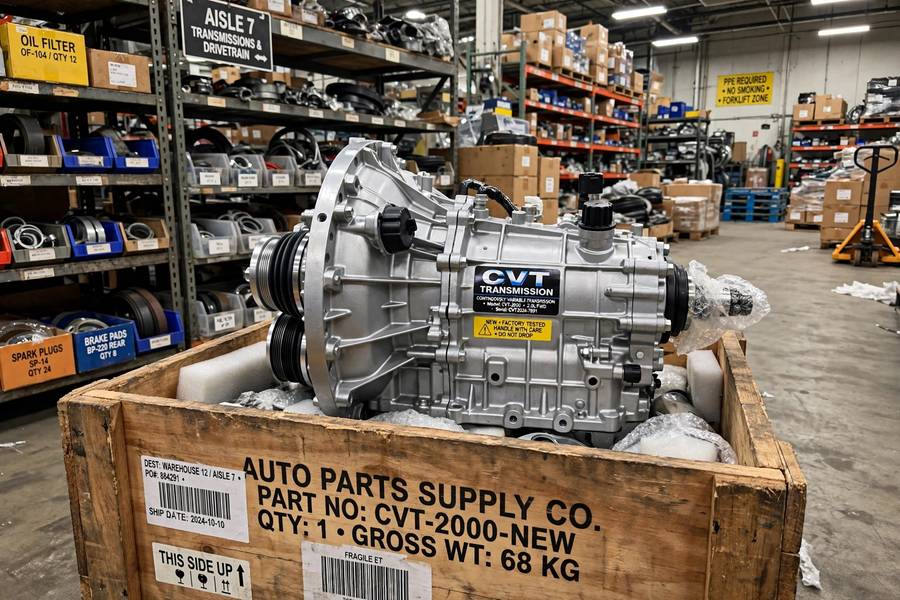
Nobody wants to read this article. If you’re here, your CVT is probably making noises it shouldn’t, a shop just said the word “replacement,” and you need to know what kind of money we’re talking about. I’ll give it to you straight, with real numbers — because the worst part of a transmission failure is the uncertainty.
Quick note on what follows: these are realistic price ranges based on what I’ve seen in the market, not quotes. Your actual cost depends on your vehicle, your location, and your shop. Always get multiple quotes. For the full background on the transmission itself, see what a CVT transmission is and how it works.
Table of Contents
- The Short Answer: $3,500 to $7,500
- What Drives the Cost: Parts
- What Drives the Cost: Labor
- New vs Remanufactured vs Used
- Rebuild vs Replace: Which Is Cheaper
- Costs by Vehicle Type
- Hidden and Extra Costs
- Is It Worth Fixing
- How to Keep the Bill Down
- Frequently Asked Questions
The Short Answer: $3,500 to $7,500
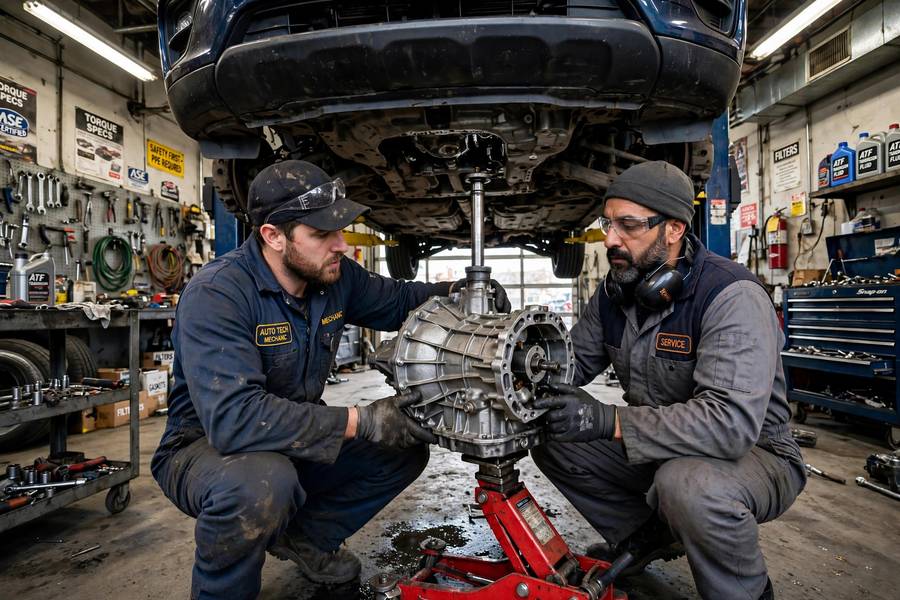
For most mainstream vehicles, a complete CVT replacement — parts and labor, out the door — lands between $3,500 and $7,500. That’s the range I see most often for cars like Civics, Corollas, Altimas, Rogues, and similar.
At the edges: a used-unit swap on an older economy car at an independent shop can come in around $2,500–$3,500. A brand-new OEM unit at a dealership for a newer or premium vehicle can exceed $8,000–$10,000. But $3,500–$7,500 covers the middle 80% of cases.
Why so much more than the fluid changes and services I usually write about? Because you’re replacing one of the most complex assemblies in the car. The part alone typically costs $2,000–$5,000, and the labor is 6–10 hours of skilled work. There’s no cheap version of this job — only less-expensive versions.
What Drives the Cost: Parts
The transmission unit itself is the biggest line item, and the price varies enormously:
- New OEM unit: $3,000–$6,000+ for the part alone. Genuine manufacturer part, full warranty (typically 3 years/unlimited miles or similar). The premium option.
- Remanufactured unit: $2,000–$4,000. A failed unit rebuilt to spec with new wear components — belt, seals, clutches, updated parts. Quality varies by remanufacturer; the good ones (with dyno testing) are excellent value.
- Used/salvage unit: $800–$2,000. Pulled from a wrecked car. Cheapest option, biggest gamble — you’re buying someone else’s wear history, usually with a 30–90 day warranty at best.
Beyond the unit itself, a proper replacement includes: new transmission fluid ($100–$200 for the correct OEM fluid), often a new torque converter ($300–$800 — many shops insist on it, since a failing converter contaminates the new unit), seals and gaskets, and sometimes a new cooler or cooler flush ($100–$300).
The torque converter point deserves emphasis. Reusing an old converter on a new transmission is false economy — if the old transmission failed from contamination or wear debris, that debris lives in the converter. Most reputable shops won’t warranty the job without a new or remanufactured converter.
What Drives the Cost: Labor
Transmission replacement is labor-intensive. The book time for most CVT swaps is 6–10 hours:
- Independent shop labor: $100–$150/hour in most markets → $600–$1,500 in labor
- Dealership labor: $150–$220/hour → $900–$2,200 in labor
- High cost-of-living areas: add 20–40% to these numbers
The labor involves: draining fluids, disconnecting everything attached to the transmission (axles, mounts, wiring, cooler lines, exhaust components that block access), supporting the engine, dropping the subframe on many vehicles, swapping the unit, and reversing the whole process — plus programming. Modern CVTs need the TCM programmed or adapted to the new unit, which requires dealer-level diagnostic equipment on some models.
That programming requirement is one reason independent shops sometimes can’t do certain CVT replacements — or have to sublet the programming to a dealer. Ask about this when getting quotes; it’s a real factor, not an upsell.
New vs Remanufactured vs Used
Here’s my honest breakdown of the three options:
New OEM — the “do it once, do it right” choice. Full manufacturer warranty, zero wear history, latest design revisions. Justifiable on a newer car you plan to keep for years. Hard to justify on a 12-year-old car worth $6,000.
Remanufactured — my usual recommendation for most people. A quality reman unit from a reputable builder costs 30–50% less than new, comes with a solid warranty (often 3 years/100,000 miles), and incorporates updated parts that address known weaknesses of the original design. The key word is reputable — ask who remanufactured it, whether it’s dyno-tested, and what the warranty covers.
Used — the budget option with real risk. Makes sense only when the car’s value barely justifies any repair: a $3,000 car needing a transmission is a math problem, and a $1,500 used unit might be the only option that pencils out. Get the lowest-mileage unit you can find, verify the donor car’s history if possible, and understand you’re rolling dice on remaining life.
Rebuild vs Replace: Which Is Cheaper
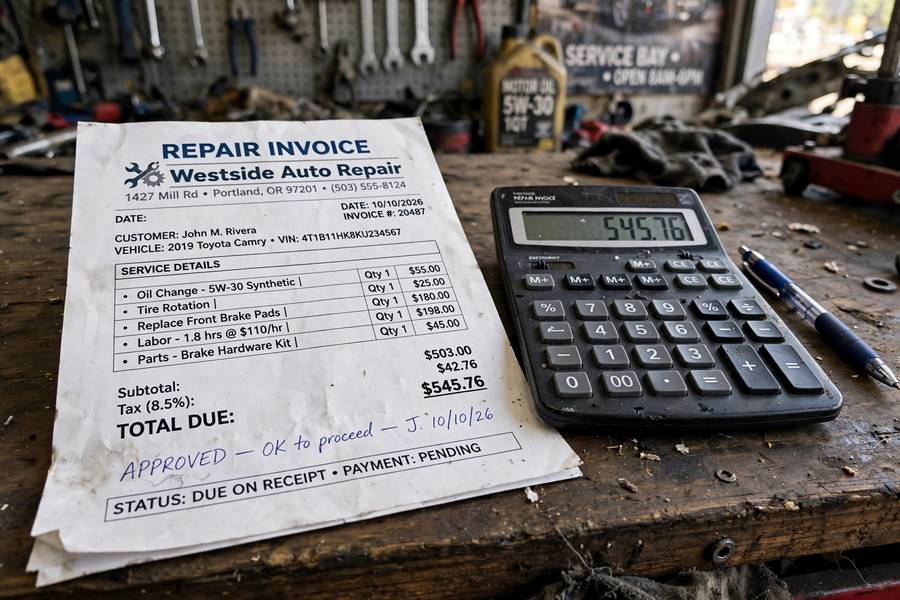
With conventional automatics, rebuilding (overhauling your existing transmission with new wear parts) is common and often cheaper than replacement. With CVTs, it’s a different story:
Most general shops don’t rebuild CVTs — they replace them. CVT rebuilding requires specialized knowledge, special tools for the pulley assemblies, and parts (belts, pulley components) that aren’t always available in the aftermarket. The shops that do rebuild CVTs are transmission specialists, and their rebuild typically costs $2,500–$5,000 — competitive with replacement, sometimes cheaper.
When rebuild makes sense: the case and major hard parts are good, and only the wear components (belt, seals, clutches) need replacement. A specialist can assess this.
When replacement makes more sense: the pulleys are scored, the case is damaged, parts aren’t available for your specific unit, or you want the warranty that comes with a reman unit.
Get quotes for both from a CVT-experienced specialist before deciding. The answer varies by unit and by failure mode.
Costs by Vehicle Type
Rough ranges to calibrate expectations (parts + labor, reman or new unit at an independent shop):
- Compact economy cars (Civic, Corolla, Sentra, Versa): $3,500–$5,500
- Midsize sedans (Accord, Camry, Altima): $4,000–$6,500
- Compact crossovers (CR-V, RAV4, Rogue, Forester): $4,500–$7,000
- Larger crossovers/SUVs (Murano, Pathfinder, Highlander): $5,500–$8,500
- Luxury vehicles (Lexus, Infiniti, Audi with CVT): $6,500–$10,000+
Nissan CVTs deserve a special note: because Jatco units are so common and the aftermarket is so developed, Nissan CVT replacements are often at the lower end of these ranges — reman units are plentiful and shops know the job well. Small consolation for the reliability issues, but the repair ecosystem is mature.
Hidden and Extra Costs
The quote isn’t always the final bill. Watch for:
- TCM programming: $150–$400 if not included in the labor estimate
- Cooler replacement or flush: $100–$300 — contaminated coolers must be addressed
- Motor mounts: often worn and accessible during the job; $200–$500 if replaced
- Axle seals, miscellaneous seals: $50–$150
- Diagnostic fee: $100–$200, sometimes credited toward the repair
- Rental car: $30–$60/day for the 2–5 days the job takes
Ask for an out-the-door quote that includes programming, fluids, and the converter. A quote that seems $800 cheaper than everyone else often just excludes the things the others included.
Is It Worth Fixing
The math is personal, but here’s the framework I give friends:
Compare the repair cost against the car’s value with a working transmission. A $5,000 repair on a car worth $12,000 fixed makes sense — you’re $5,000 into a $12,000 asset. A $5,000 repair on a car worth $6,000 fixed is harder to justify unless you can’t afford to replace the car (a $5,000 repair is still cheaper than a $20,000 replacement vehicle).
Also factor in: the rest of the car’s condition (don’t put $5,000 into a car that needs $3,000 of other work), your plans (keeping it 5 years vs. selling next year), and what a replacement vehicle costs in your market.
If the math doesn’t work, selling the car as-is (disclosing the transmission issue) and moving on is a legitimate option. My guide to how to sell a car covers getting the best price even for a car with issues.
How to Keep the Bill Down
If replacement is unavoidable:
- Get 3 quotes minimum — prices vary wildly, sometimes by $2,000+ for the same job
- Ask about reman vs. new — the savings are real with a good remanufacturer
- Consider a specialist over a dealer — dealers charge premium labor and usually only install new OEM units
- Ask what’s included — programming, converter, fluids, cooler service; compare apples to apples
- Check for warranty extensions or goodwill — if your car is just out of warranty with a known-problematic unit, ask the dealer about goodwill assistance; it occasionally works
- Don’t delay once you’ve decided — a failing CVT doesn’t get cheaper to fix with time
And for next time: learning the early warning signs of CVT trouble — whining, shuddering, slipping — is how you avoid reading articles like this one again. Catching problems early is always cheaper than replacing a transmission.
Frequently Asked Questions
Typically $3,500–$7,500 parts and labor for most mainstream vehicles. Economy cars run $3,500–$5,500; larger SUVs and luxury vehicles can reach $8,000–$10,000+.
A specialist rebuild ($2,500–$5,000) can be cheaper than replacement, but most general shops only do replacements. Get quotes for both from a CVT-experienced specialist — the better option depends on your specific unit and failure.
The job books at 6–10 hours of labor, so most shops need the car for 2–5 days including diagnosis, parts ordering, installation, programming, and road testing.
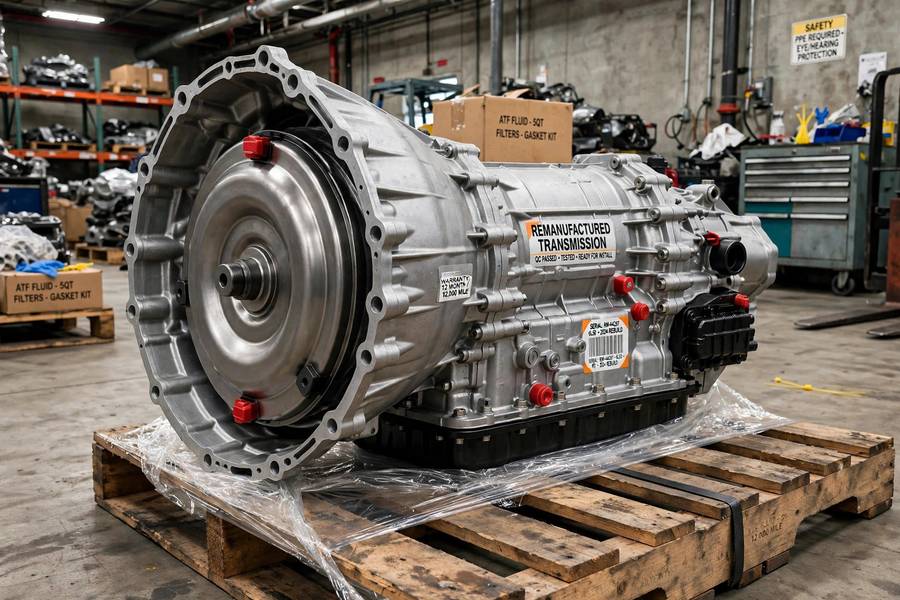
Quality reman units from reputable builders are generally reliable and often include updated parts addressing original design weaknesses. Look for dyno testing and a warranty of at least 3 years/100,000 miles.
Compare the repair cost to the car’s value with a working transmission. A $5,000 repair on a $12,000 car usually makes sense; on a $6,000 car, it’s a tougher call unless replacing the vehicle costs far more.