How Are World Cup Groups Decided? The Draw Explained

I get this question every single cycle: “Ryan, who decides which teams land in which group, and how much of it is luck?” Short answer: FIFA decides the rules, a televised draw decides the groups, and luck plays a bigger role than most people realize. But it is organized luck, with pots, seeding, and a handful of guardrails to keep things fair.
In this guide I walk you through the whole process exactly the way I explain it to players: what the pots are, how teams get sorted into them, how the draw actually works on the night, and which rules stop the draw from producing a mess. By the end you will read a group table like a coach reads a training plan. strength training principles for athletes
The Short Version: Pots, Rankings, and a Draw
Here is the whole system in one paragraph before I break it down. Months before the tournament, FIFA ranks the qualified teams and sorts them into four pots of equal size. Pot 1 holds the strongest teams based on the FIFA world rankings, with the host nation (or nations) automatically placed in Pot 1 regardless of ranking. Then, at a televised ceremony, balls are drawn one by one and each team is assigned to a group, following a set of rules that keep things balanced and geographically sensible.
Nothing is hand-picked. No committee sits in a room and assigns Brazil to one group and France to another. The process is mechanical: the rules are strict, the drawing is public, and anyone can follow along with a bowl of popcorn. That said, the rules that shape the draw matter enormously, and that is where the real story lives.
What the Four Pots Actually Are
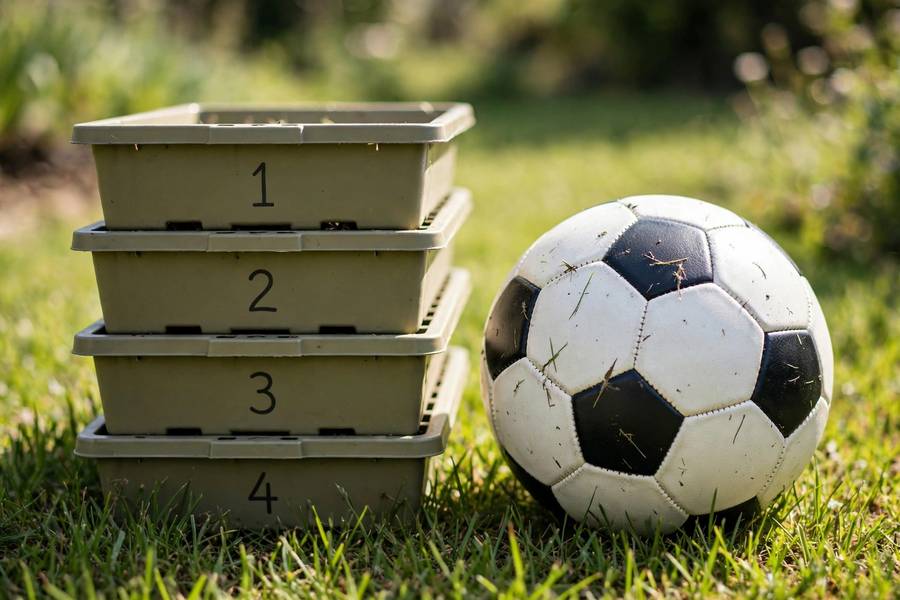
Think of the pots as drawers of sorted laundry, except every drawer has to end up with the same number of items. With 48 qualified teams, each pot holds 12 teams. Pot 1 is the top 12 by FIFA ranking plus the hosts, who get slotted into Pot 1 automatically. Pot 2 holds the next 12, Pot 3 the next 12, and Pot 4 the last 12.
Why does this matter? Because every group must contain exactly one team from each pot. One Pot 1 team, one Pot 2 team, one Pot 3 team, one Pot 4 team. That guarantees each group has a rough balance of strength. A top seed can still land next to a dangerous Pot 2 team, which is how we get a “group of death,” but you will never see three giants crammed into one group while another group gets a free pass. I tell my players: the pots are the reason every group is watchable. core strength exercises every athlete needs
How the FIFA Rankings Decide Which Pot You Land In
The FIFA ranking is the sorting machine, and I always tell people to respect it even if they argue with it. The ranking uses a points system that weighs match results, the strength of the opponent, and how important the match was. A win over a top-10 team in a competitive qualifier is worth far more than a friendly win against a lower-ranked side.
The ranking used for the draw is a snapshot taken at a fixed date, usually a few months before the draw itself. That creates real drama at the end of qualification. Teams fight not just to qualify but to qualify well, because finishing in Pot 1 instead of Pot 2 changes your entire tournament path. As a coach, I love this: it makes the last round of qualifiers genuinely meaningful instead of dead rubber fixtures.
The Host Nation Rule: Automatic Pot 1
Every host nation is placed in Pot 1 automatically, even if its ranking says otherwise. This is FIFA’s gift to the hosts, and it makes total sense. The home team opens the tournament, the home crowd gets a group its team can realistically compete in, and the party starts with energy instead of a 4-0 wake-up call.
When there are multiple hosts, as with the 2026 tournament across the United States, Canada, and Mexico, all host nations go into Pot 1. That uses up three of the twelve Pot 1 slots, leaving nine for the top-ranked qualifiers. It is one of the few places where the rules openly favor somebody, and nobody really complains because the host carrying the whole show deserves a sporting chance.
Confederation Rules: Keeping Groups Geographically Fair
Here is the rule that causes the most confusion on draw night. FIFA limits how many teams from the same confederation can land in one group. The standard rule: no group may contain more than one team from the same confederation, except Europe. Europe gets a special allowance of up to two UEFA teams per group, simply because there are so many strong European sides.
This rule exists so the group stage actually feels like a world tournament instead of a regional championship. Without it, you could draw three South American teams into one group and never see them play anyone else until the knockouts. When the draw ceremony pauses and an official skips a team to the next group, this rule is why. It is doing quiet, important work in the background.
How the Draw Ceremony Actually Works
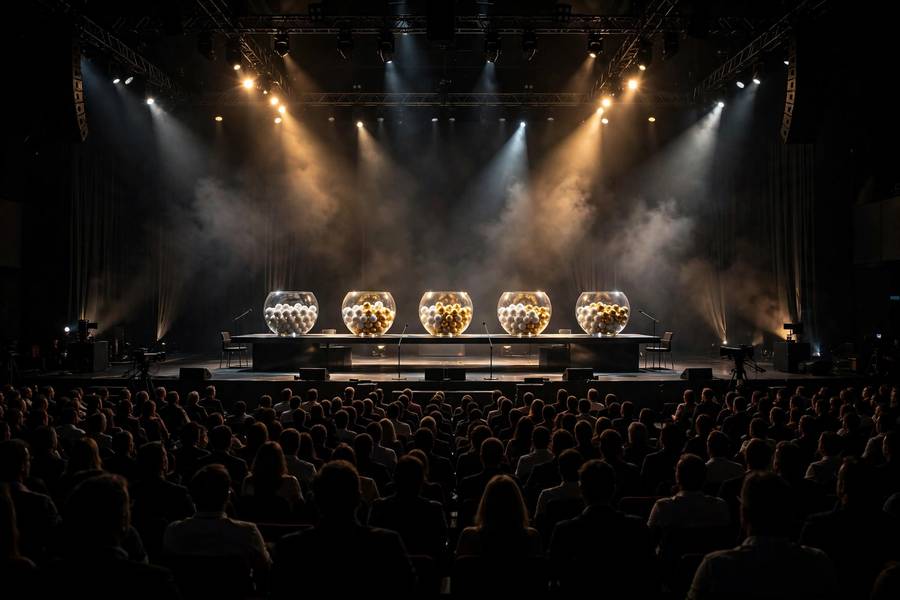
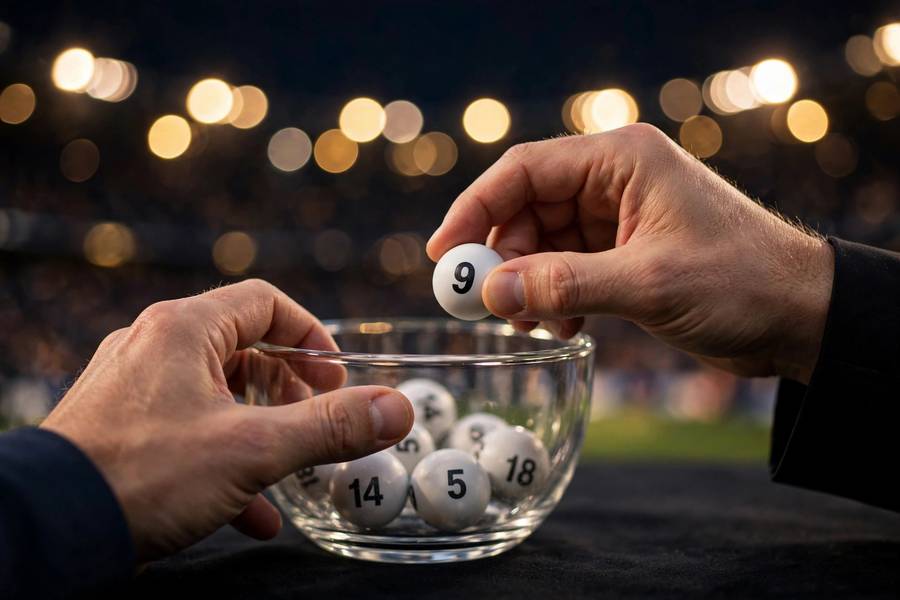
On the night, the format is theater with a rulebook. There are pots containing balls, each with one team name. A draw assistant, usually a former player, pulls a ball, opens it, and the team is placed into the next available group slot following the rules. Pot 1 is drawn first, placing one seeded team in each group. Then Pot 2, then Pot 3, then Pot 4.
When a draw would violate a rule, such as putting two teams from the same confederation together or overloading the European allowance, the team is moved to the next valid group. You will see the host of the ceremony explain it in real time, and sometimes it takes a minute. I find it genuinely fun to watch with the rulebook open, because you start predicting the moves before the officials make them.
Why the Groups Sometimes Still Look Unbalanced
Even with pots and rules, the draw can produce lopsided groups, and I get asked about this constantly. The reason is simple: rankings are imperfect and form changes fast. A team ranked 30th in the world might be on a tear, or a Pot 1 giant might be rebuilding. The draw is only as fair as the ranking snapshot it used.
There is also the confederation dance. Forcing geographic spread sometimes pushes a strong Pot 2 team into a group with a vulnerable Pot 1 team while another group gets the easiest possible Pot 2 side. Fans call the tough ones “groups of death.” Coaches call them character tests. Either way, the imbalance is part of the charm. A perfect draw would be boring, and the World Cup has never been boring.
What Happens After the Groups Are Set
Once the draw is done, FIFA publishes the match schedule, and this is where strategy starts for real. Teams analyze their group opponents, plan their training camps, and decide their approach to the three group games. Remember: with twelve groups of four, each team plays three matches, and the top two in each group advance, plus the eight best third-placed teams.
For the fans, the draw night is when the tournament truly begins. Bracket predictions go up, group rankings get debated at every dinner table, and coaches like me start sketching scenarios. If you want the bigger picture of how the whole tournament fits together, read our complete guide to how the World Cup works, which covers the full journey from qualification to the final whistle.
Nobody hand-picks the groups. Teams are sorted into four pots based on the FIFA world rankings, and a televised draw assigns one team from each pot to every group, following rules on confederation limits and host seeding.
The pots are four groups of 12 teams sorted by FIFA ranking strength. Pot 1 holds the strongest teams plus the host nations, and Pots 2, 3, and 4 hold the next tiers. Every group gets exactly one team from each pot.
FIFA automatically places host nations in Pot 1 so the home team gets a fair group and opens the tournament with momentum. When there are multiple hosts, all of them take Pot 1 slots.
No. FIFA rules prevent two teams from the same confederation landing in the same group, with one exception: up to two European (UEFA) teams may share a group because Europe has so many strong qualifiers.
The draw usually takes place several months before the tournament, after most or all qualification is complete. The final ranking snapshot used for seeding is taken at a date FIFA announces in advance.