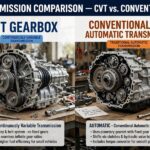
If the CVT vs conventional automatic debate is a family argument, CVT vs DCT is a culture clash. One is engineered for maximum efficiency and smoothness; the other is engineered for maximum speed and driver engagement. They barely compete for the same buyer — which is exactly why the comparison is useful. It tells you which kind of driver you are.
Quick refresher on the CVT side: my guide to what a CVT transmission is and how it works covers the belt-and-pulley system. The DCT — dual-clutch transmission — is a different animal entirely, and understanding both will make you a smarter car shopper.
Table of Contents
- How a DCT Works in 60 Seconds
- Driving Feel: Appliance vs Athlete
- Shift Speed: Where the DCT Dominates
- Fuel Economy: Closer Than You’d Think
- Reliability and Maintenance
- Cost: Purchase and Repair
- Low-Speed Manners: The DCT’s Weak Spot
- Which One Should You Choose
- What I Tell Customers at Test-Drive Time
- Frequently Asked Questions
How a DCT Works in 60 Seconds
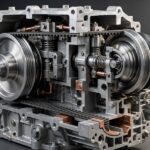
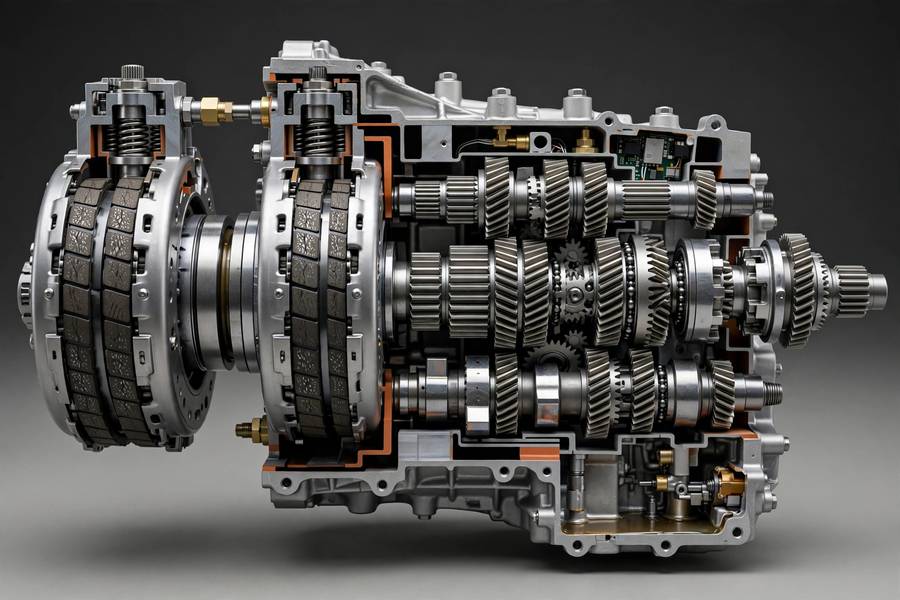
A dual-clutch transmission is essentially two manual gearboxes in one case. One clutch handles the odd gears (1, 3, 5, 7), the other handles the evens (2, 4, 6). While you’re accelerating in 3rd, 4th is already pre-selected on the other clutch — so the “shift” is just one clutch opening as the other closes. The result: gear changes in milliseconds, faster than any human with a manual and faster than most conventional automatics.
Unlike a CVT’s belt gliding through infinite ratios, a DCT has real, fixed gears — usually 6 to 8 of them. And unlike a conventional automatic’s torque converter, the DCT’s clutches give a direct mechanical connection, which is why it feels so responsive. Volkswagen’s DSG, Porsche’s PDK, Ford’s PowerShift (infamous), and Hyundai’s dry-clutch units are all DCTs.
So the philosophical difference: the CVT eliminates gears to be smooth; the DCT perfects gears to be fast.
Driving Feel: Appliance vs Athlete
This is where the two couldn’t be more different.
The CVT is the appliance. You press the gas, the engine finds its efficient RPM, and the car glides. It’s calm, quiet, and utterly undramatic. In traffic, it’s wonderful. On a fun road, it’s forgettable.
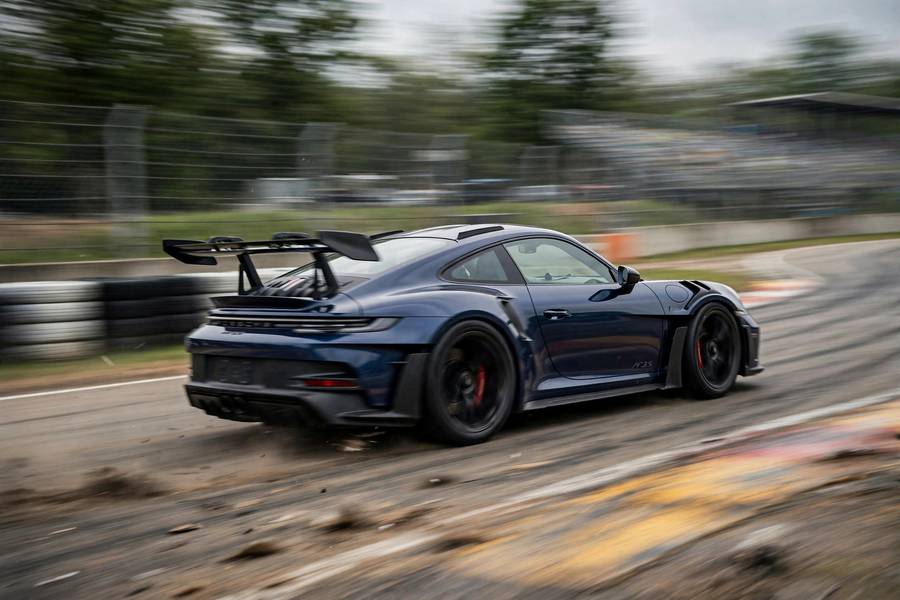
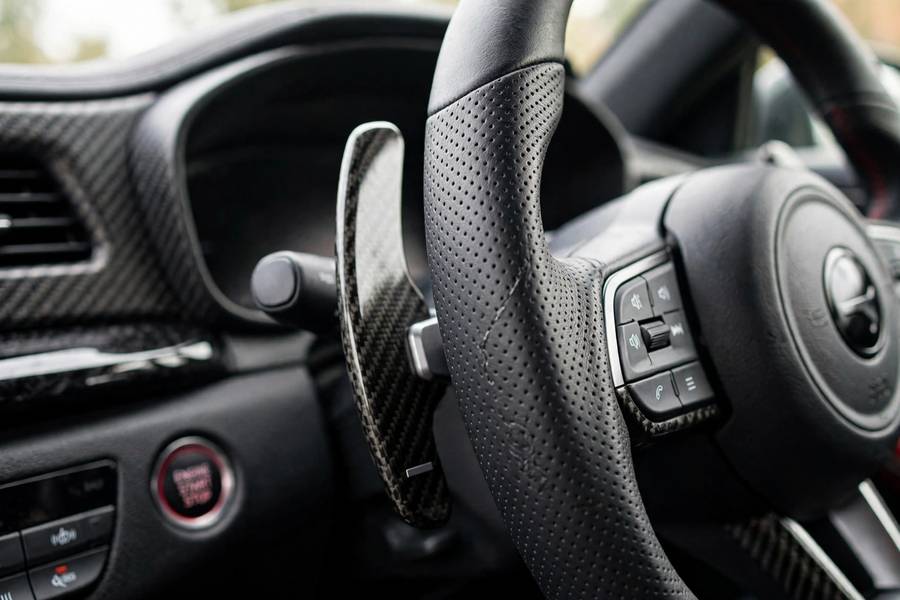
The DCT is the athlete. Shifts crack off with rifle-bolt speed, the engine note rises and falls through real gears, and paddle shifters give you genuine control — not the fake stepped ratios of a CVT’s sport mode. A good DCT (Porsche PDK, VW DSG) is one of the great driving experiences available in a modern car.
I’ll be honest about my bias: I find DCTs vastly more fun. But fun isn’t the only metric. My daily commute isn’t a racetrack, and there are days I wish my project car’s gearbox would just shut up and glide me through traffic. Different tools, different jobs.
Shift Speed: Where the DCT Dominates
There’s no contest here. A good DCT shifts in 8–20 milliseconds. A CVT doesn’t shift at all — which is technically “faster” but misses the point. The DCT’s party trick is delivering the engagement of gear changes at speeds no human or conventional automatic can match.
This matters for performance driving: track days, mountain roads, anywhere you’re working the gearbox. The DCT keeps the engine in its power band with zero interruption to acceleration. A CVT in the same scenario just drones at peak-power RPM — effective, but joyless.
For normal driving, though, shift speed is irrelevant. Your commute doesn’t care whether gears change in 10 milliseconds or whether there are no gears at all.
Fuel Economy: Closer Than You’d Think
The CVT wins on efficiency — but the gap is smaller than the marketing suggests. Here’s why:
- The CVT’s advantage is the infinite-ratio trick: always at the ideal engine RPM. Real-world gain over a conventional automatic: 5–10%.
- The DCT’s advantage is mechanical efficiency: the direct clutch connection wastes less energy than a torque converter. A DCT is typically 3–5% more efficient than an equivalent torque-converter automatic.
- Net result: the CVT usually beats the DCT by a few percent in mixed driving. On the highway, where both are locked in their tallest ratio, the difference nearly vanishes.
If you’re choosing between these two for fuel savings, the CVT wins — but we’re talking 1–2 mpg in most real-world comparisons, not a revolution.
Reliability and Maintenance
This is where it gets interesting, because both have checkered pasts:
CVT reliability is brand-dependent. Honda and Toyota CVTs are excellent; early Nissan Jatco units were terrible. The maintenance demand is consistent though: fluid changes every 30,000–50,000 miles, no exceptions.
DCT reliability is design-dependent. Wet-clutch DCTs (VW DSG with wet clutches, Porsche PDK) are generally robust — the oil bath keeps the clutches cool and happy. Dry-clutch DCTs are the problem children: Ford’s PowerShift fiasco (shuddering, lawsuits, buybacks) and early Hyundai/Kia dry-clutch units showed that dry clutches in stop-and-go traffic overheat and wear prematurely.
The maintenance picture: DCTs need their own specialized fluid and filter services (typically every 40,000 miles for DSG-type units), and clutch pack replacement on a worn DCT is expensive — often $2,000–$4,000. CVT fluid services are cheaper per visit but needed slightly more often.
My take: a wet-clutch DCT from a good manufacturer is as reliable as a good CVT. A dry-clutch DCT in heavy traffic is the least reliable option on this page. Know which type you’re buying.
Cost: Purchase and Repair
- Purchase price: DCTs typically appear in sportier, pricier models — you’re paying for performance hardware. CVTs appear in mainstream economy cars. The transmission itself isn’t the whole price difference, but DCT-equipped cars generally cost more.
- Routine maintenance: Comparable. DCT fluid service runs $300–$500 at a dealer; CVT drain-and-fill runs $150–$400. Both need it regularly.
- Major repair: A DCT clutch pack job: $2,000–$4,000. A full DCT replacement: $4,000–$8,000+. A CVT replacement: $3,500–$7,500. Nobody wins here — both are expensive when they fail.
- The used-market angle: Used cars with questionable DCTs (early Ford PowerShift, I’m looking at you) sell at steep discounts for a reason. Same logic as risky CVTs: the market prices in the risk.
Low-Speed Manners: The DCT’s Weak Spot
Here’s the DCT’s dirty secret: at parking-lot speeds, many DCTs are jerky, hesitant, and unpleasant. The clutches that shift brilliantly at speed struggle with the creep-and-stop of traffic — slipping a clutch at 3 mph is inherently awkward. Dry-clutch DCTs are worst; wet-clutch units are better but still not as smooth as a torque converter.
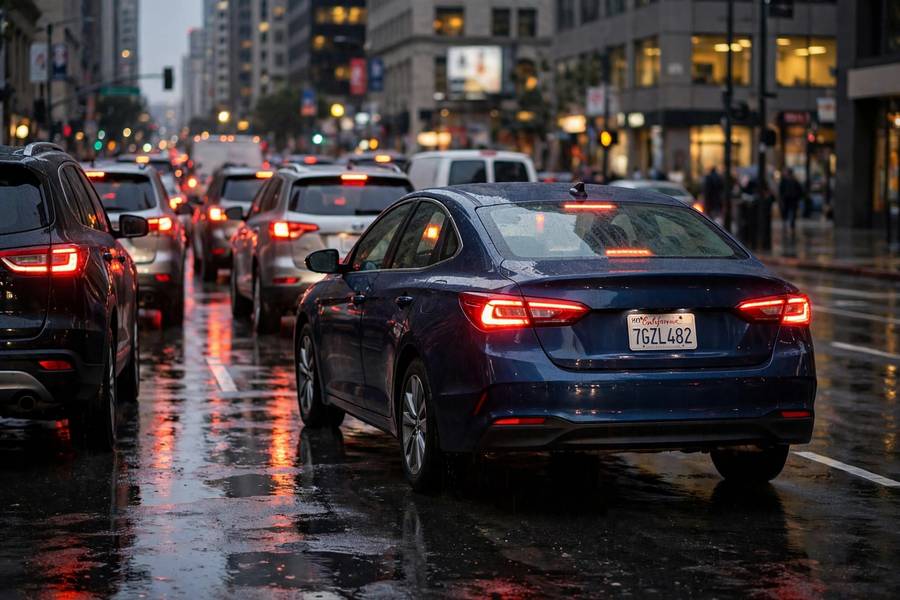
The CVT, meanwhile, is in its element at low speed. No clutches to slip, no gears to hunt — just smooth, stepless creep. If your life is 80% traffic jams, the CVT isn’t just more comfortable, it’s dramatically so.
This single factor decides the comparison for a huge number of buyers. Be honest about your driving: how much of it is stop-and-go?
Which One Should You Choose
Choose the CVT if: you prioritize fuel economy and comfort, your driving is mostly commuting and traffic, you want the smoothest possible experience, and you’re buying a mainstream sedan, compact SUV, or hybrid. Pair it with diligent fluid maintenance and it’ll serve you well.
Choose the DCT if: you enjoy driving and want engagement, you drive winding roads or do track days, shift speed and responsiveness matter to you, and you’re buying something sporty — a GTI, a Veloster N, a Porsche. Just make sure it’s a wet-clutch design if you’ll see traffic.
Avoid the DCT if: your commute is pure stop-and-go and you’re looking at a dry-clutch unit. That’s the worst combination in this entire comparison.
And if you’re cross-shopping performance cars generally, my roundup of the most affordable sports cars you can buy will give you a sense of what’s out there with each transmission type.
What I Tell Customers at Test-Drive Time
Spec sheets don’t tell you which transmission you’ll still like in year three. Your right foot does. When a customer asks me to settle a CVT-vs-DCT choice between two cars, I give them my ten-minute test-drive script — it’s never failed to produce a verdict.
Minutes one to three: the parking-lot crawl. Inch forward at traffic speed, stop, creep again. This is where the DCT shows its cards. If the car lurches or hesitates off the line, ask yourself: am I willing to feel this at every stoplight for five years? A CVT will be boring here. Boring is underrated.
Minute four: the merge ramp. Foot flat, up to highway speed. The CVT will hold high RPMs and sound like it’s thinking about it — the famous rubber-band drone. Some people tune it out in a week; some want to set the car on fire by month two. You need to know which one you are, and there’s no other way to find out.
Minutes five to eight: rolling stops and hill starts. DCT cars can roll back on hills and stutter through rolling stops in a way that feels like a mistake. The DCT’s shifts should feel snappy and mechanical when you’re actually moving — that’s what you’re paying for. If the paddles feel disconnected or the shifts feel lazy, that particular DCT isn’t the good kind.
Last two minutes: your actual commute. Literally drive a stretch of your daily route. Nobody buys a transmission — they buy how the car feels on a Tuesday morning. The right choice is the one you stopped thinking about by minute nine. If you’re still annoyed at minute ten, no spec sheet will fix that.
Frequently Asked Questions
A CVT uses a belt and variable pulleys for infinite gear ratios with no shifting. A DCT uses two clutches and fixed gears for lightning-fast shifts. CVTs prioritize smoothness and efficiency; DCTs prioritize speed and driver engagement.
For driving enjoyment and shift speed, yes — a good DCT is far more engaging. For comfort, smoothness in traffic, and fuel economy, the CVT wins. Neither is universally better; they serve different drivers.
Both can last 150,000–200,000 miles with proper maintenance. Wet-clutch DCTs and Honda/Toyota CVTs are the most durable variants. Dry-clutch DCTs in heavy traffic and neglected CVTs are the least durable.
Many do — especially dry-clutch designs, which can shudder, hesitate, and overheat in stop-and-go traffic. Wet-clutch DCTs handle traffic better but still aren’t as smooth at crawling speeds as a CVT or torque-converter automatic.
The CVT is slightly better — usually by 1–2 mpg in real-world driving — because it always holds the engine at its ideal RPM. The DCT is still efficient thanks to its direct clutch connection, just not quite as efficient as the CVT.