15 Best Plants for First Time Gardeners (Forgiving & Fast)

My first garden was a graveyard of good intentions. The cauliflower never headed, the celery bolted, and the watermelon produced exactly one fruit the size of a tennis ball. But the cherry tomatoes? They exploded. The zucchini nearly took over the yard. And the basil grew like it was being paid. That first season taught me something no book had: beginners should not start with the plants they dream about. They should start with the plants that forgive. The best plants for first time gardeners share three traits: they germinate reliably, they tolerate imperfect care, and they reward you fast enough that you stay excited. Here are the fifteen plants that earned their place in my garden, plus a few popular ones I would skip until year two. If you are still at the dreaming stage, my guide on how to start a garden walks you through the setup; this list tells you what to put in the ground.
What Makes a Plant Beginner-Friendly?
Before the list, let me explain how I judge a plant, because this will help you evaluate anything you meet at the garden center. First, germination confidence: does the seed sprout quickly and reliably in ordinary conditions, or does it need perfect soil temperature, light, and a whispered encouragement? Radishes sprout in three to five days in almost any soil. Peppers can take three weeks and sulk if the soil is cool. Guess which one belongs in a beginner’s garden.
Second, forgiveness: what happens when you forget to water for two days, or you plant a week late, or the weather turns weird? Beginner plants shrug and keep growing. Third, speed of reward: a plant that gives you something edible within 30 to 45 days keeps you motivated through the learning curve. This is why fast crops like radishes and lettuce are worth planting even if they are not your favorite food. They teach you the whole cycle, seed to harvest, in a single month, and that education pays off all season.
The Easiest Vegetables: Tomatoes, Zucchini & Beans
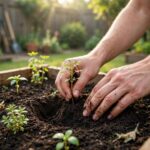
Cherry tomatoes are the undisputed champion of beginner gardening, and I will defend that title forever. A variety like Sweet Million or Sungold will produce hundreds of fruits from a single plant, shrug off imperfect watering, and keep going until frost. Full-size tomatoes are fussier, so start with cherries. Plant them deep, burying two-thirds of the stem, because tomatoes grow roots along the buried stem and become dramatically stronger plants.
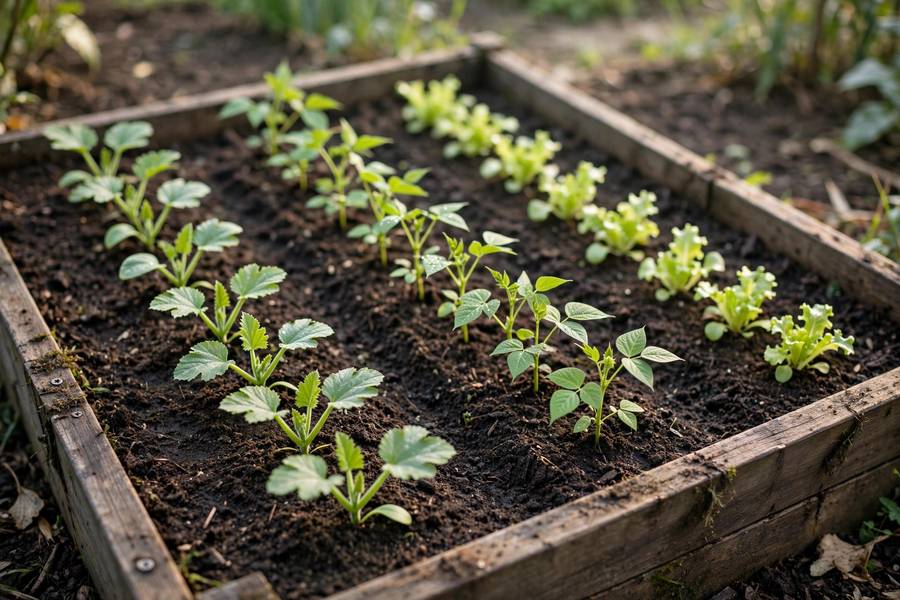
Zucchini is the plant that teaches beginners about abundance whether they want the lesson or not. One plant feeds a family; two plants feed the neighborhood. Direct-sow the seeds after the last frost and stand back. Bush beans are my third pick: they germinate fast, fix their own nitrogen, and produce heavily for weeks. Plant a short row every two to three weeks for a continuous harvest instead of one overwhelming glut.
Peppers deserve an honorable mention. They are slower than tomatoes and need warm soil to get going, but once established they are remarkably tough and productive. Buy a transplant rather than starting from seed in year one, and you will skip the hardest part entirely.
Fast Wins: Radishes, Lettuce & Green Onions
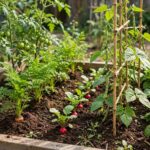
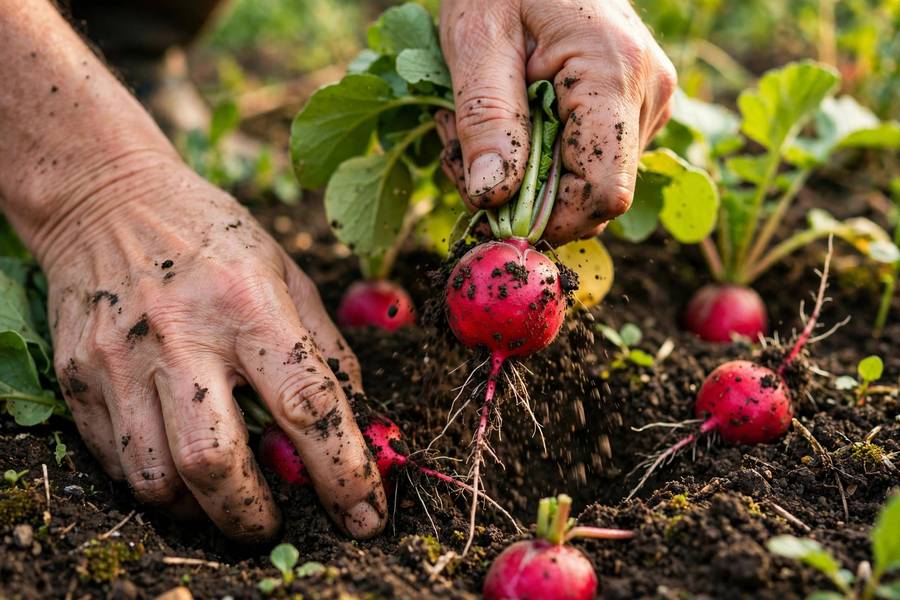
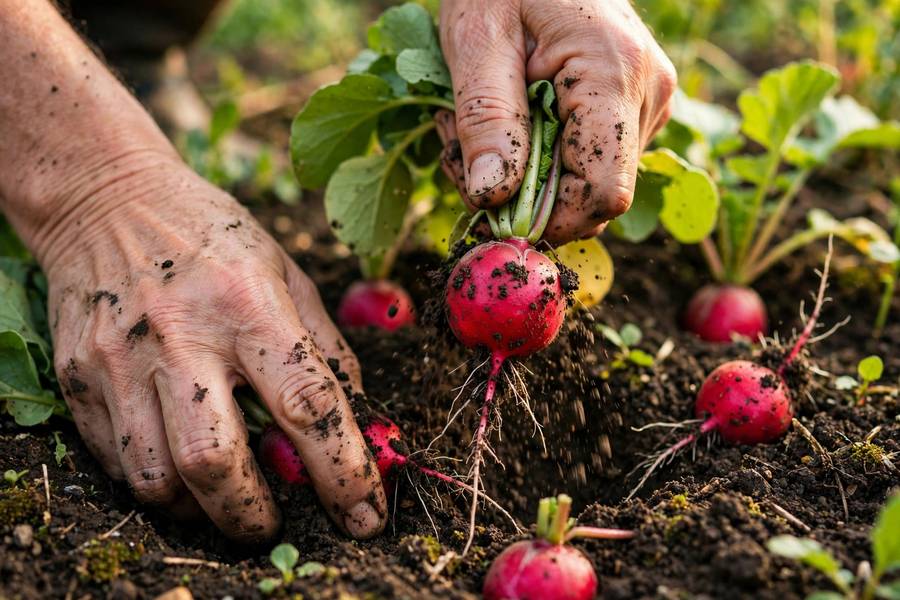
If I could only give a beginner three seeds, it would be radish, lettuce, and green onion. Radishes go from seed to harvest in about 25 to 30 days, and there is nothing like pulling your first crunchy red globe from the soil to make you feel like a real gardener. Sow a short row every two weeks from early spring through fall for a steady supply. Lettuce is nearly as fast and far more versatile; a cut-and-come-again variety like Black Seeded Simpson lets you harvest outer leaves for weeks while the plant keeps producing.
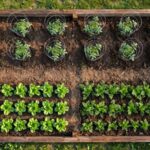
Green onions are the plant I recommend to people who claim they kill everything. You can literally regrow them from grocery store scraps in a glass of water, and in the garden they need almost nothing. Plant a cluster, snip what you need, and they keep coming back. These three fast crops are also perfect for filling the gaps between slower plants in your bed, a trick that makes a beginner garden look full and productive while the tomatoes are still thinking about it. For small-space growers, these same crops shine in pots; see what container gardening is for how to set that up.
Herbs That Forgive: Basil, Mint & Chives
Herbs are the highest-value plants a beginner can grow, because a two-dollar transplant produces fifty dollars of fresh herbs over a season. Basil is my top pick, but it has one quirk: it hates cold. Wait until nights are reliably above 50°F, plant it in full sun, and pinch the growing tips regularly. Pinching feels wrong the first time, but it is what turns a leggy single stem into a bushy plant, and it delays flowering, which is what makes basil taste bitter.
Mint is nearly indestructible, which is exactly why it must live in a container, never in the bed. I learned this the expensive way when it colonized a quarter of my first garden. Chives are the quiet achievers: plant them once, and they come back every year, earlier each spring, with pretty purple flowers that pollinators love. A small herb corner near your kitchen door will change how you cook, and herbs ask for almost nothing in return.
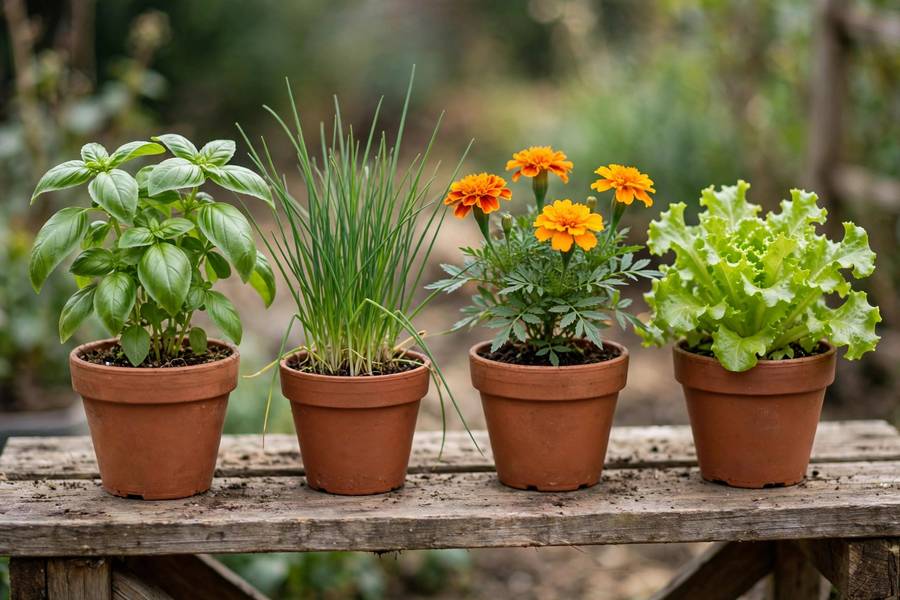
One more tip from experience: buy herb transplants in year one rather than starting from seed. Herb seeds can be slow and fussy, and a two-dollar plant skips the frustrating part while you build confidence.
Flowers That Help Your Garden: Marigolds & Nasturtiums
Flowers are not just decoration in a vegetable garden; the right ones are working plants. Marigolds are my number one recommendation. They are easy to grow from seed or transplant, bloom all season, attract pollinators and beneficial insects, and in my beds they genuinely seem to reduce pest pressure on nearby vegetables. Plant them around the edges of your beds where they will not compete for root space.
Nasturtiums are the other beginner flower I always suggest, partly because they are beautiful and partly because they are useful: aphids prefer nasturtiums over almost everything else, so they work as a trap crop, drawing pests away from your vegetables. The flowers and leaves are edible too, with a peppery bite that is wonderful in salads. Both of these flowers also teach an important beginner lesson: a garden that feeds pollinators feeds you better, because better pollination means more fruit on your tomatoes, cucumbers, and squash.
Plants to Skip Until Year Two
Now the honest part: some popular plants are beginner traps, and I wish someone had warned me. Cauliflower and broccoli are finicky about temperature and timing; they bolt or button up at the slightest stress. Celery needs constant moisture and a long season. Corn needs a big block for pollination and a lot of space. Watermelon and pumpkins are space hogs that swallow small gardens whole.
Carrots deserve a special mention: they are not hard, exactly, but they need loose, stone-free soil and patience, and beginner soil is rarely ready for them. Try a short row if you are curious, but do not stake your confidence on them. Start your soil improvement now with composting at home, and by next year your carrots will be a different story. Year one is for building wins with forgiving plants. Year two, with a season of compost-enriched soil and real experience, is when the fussy crops become fun instead of frustrating. For the full first-season timeline, my guide on how to start a garden lays it out week by week.
Radishes. They germinate in 3-5 days, are ready to harvest in about 25-30 days, and tolerate imperfect soil and watering. Cherry tomatoes are the easiest high-reward plant: one plant can produce hundreds of fruits with basic care.
Do both. Direct-sow easy seeds like radishes, beans, lettuce, and zucchini straight into the garden. Buy transplants for tomatoes, peppers, and herbs in year one, since these are slower from seed and the transplant skips the hardest part while you build confidence.
Zucchini, bush beans, cherry tomatoes, and green onions need the least fuss once established. Herbs like mint (in a pot), chives, and basil are also very low-maintenance. These plants tolerate missed waterings and imperfect conditions far better than cauliflower, celery, or corn.
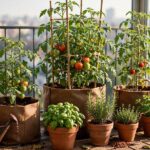
Absolutely. Cherry tomatoes, peppers, lettuce, herbs, and green onions all thrive in containers with good potting mix and drainage. Containers are actually ideal for beginners because you control the soil completely and there are fewer weeds.
Start with 6 to 8 varieties in your first season. That is enough for real variety and learning without becoming overwhelming. Pick 2-3 fast crops for quick wins, 2-3 main crops like tomatoes and beans, and a couple of herbs.