12 Easiest Vegetables to Grow for Beginners (Ranked)

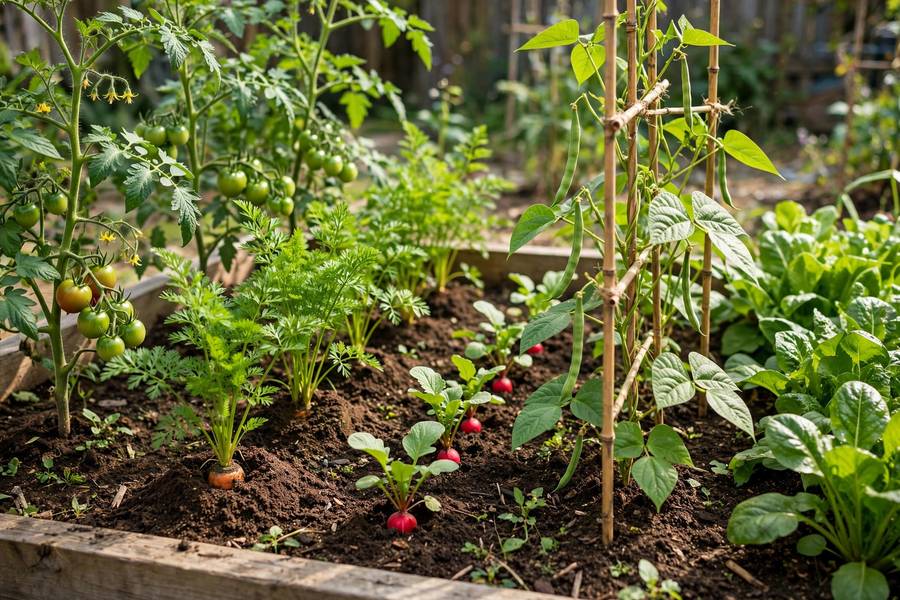
Every spring, garden centers fill up with hopeful beginners clutching seed packets, and every fall, half of them quietly decide gardening ‘isn’t for them.’ Almost always, the problem was not the gardener. It was the vegetable. Nobody tells you that cauliflower is a drama queen and celery is a full-time job, so beginners plant them, fail, and blame themselves. I know, because I was one of them. The easiest vegetables to grow for beginners are the ones that germinate without fuss, forgive missed waterings, and put food on your table fast enough to keep you hooked. I have ranked twelve of them here from dead-simple to pleasantly easy, with honest timelines and the one tip per vegetable that made the difference in my garden. Pair this list with my guide on how to start a garden for the full setup, and you will have your best possible first season.
How I Ranked These: My Forgiveness Score
Rankings are only useful if you know the criteria, so here are mine. Each vegetable gets judged on three things: germination reliability (does it sprout without babying?), care forgiveness (what happens when life gets busy for a week?), and days to first harvest (how long before you taste success?). A perfect beginner vegetable scores high on all three. Radishes are the gold standard: they sprout in days, shrug off neglect, and harvest in under a month.
I have also weighted for real-world usefulness. A vegetable you will actually eat beats an easy one you will not. Kohlrabi is easy to grow, but if your family will not touch it, it is not a beginner win. Everything on this list is something my family genuinely eats, because a harvest that goes in the compost is not much of a harvest. Keep your own family’s plate in mind as you read.
Tier 1: Practically Unkillable (Radish, Lettuce, Green Onions)
Radishes take the crown. Sow the seeds a half-inch deep in early spring, keep the soil reasonably moist, and in 25 to 30 days you are pulling crisp, peppery roots from the ground. They are the perfect first crop because they teach the entire gardening cycle in a single month. Sow a short row every two weeks for continuous harvests, and pull them promptly; left too long, they turn woody and hot.
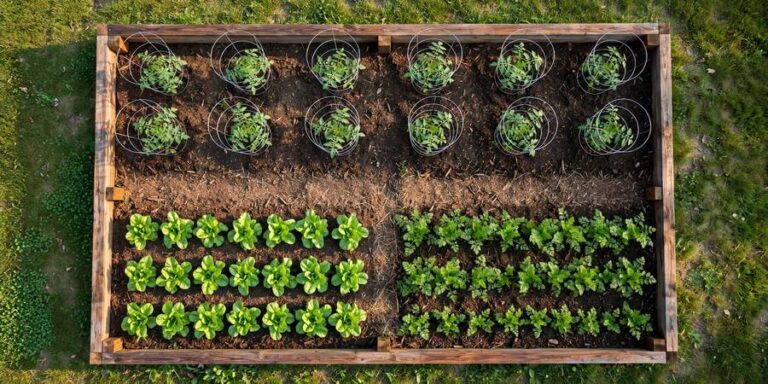
Lettuce is nearly as easy and far more productive per square foot. A cut-and-come-again variety lets you harvest outer leaves for weeks while the center keeps growing. Plant it in spring and again in late summer for fall salads; lettuce hates heat, so give it afternoon shade in warm climates or it will bolt and turn bitter. Green onions round out tier one. Grow them from seed, from sets, or regrown from grocery store bottoms in a glass of water. They need almost nothing and keep producing when you snip the green tops.
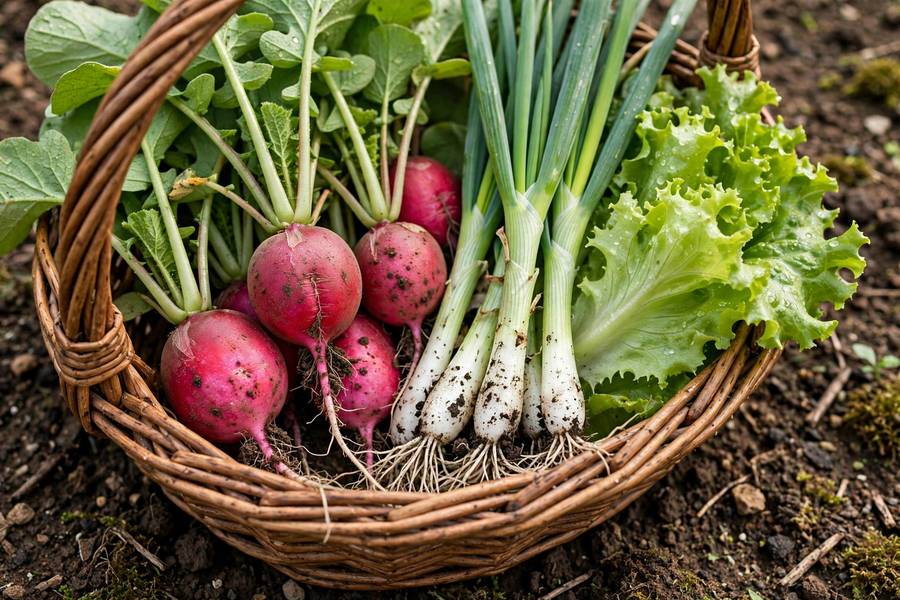
The shared secret of tier one: these are all cool-season crops that prefer spring and fall. Plant them early, plant them often, and let them build your confidence while the warm-season crops are still getting started.
One more tier-one habit: succession-sow these fast crops every two weeks rather than planting once. A single sowing gives you one harvest and then an empty patch; staggered sowings give you continuous salads for months. I keep a small envelope of radish and lettuce seed by the back door all season as a reminder, and it is the simplest habit that separates productive beginners from one-harvest ones.
Tier 2: High Reward, Low Fuss (Cherry Tomatoes, Zucchini, Bush Beans)
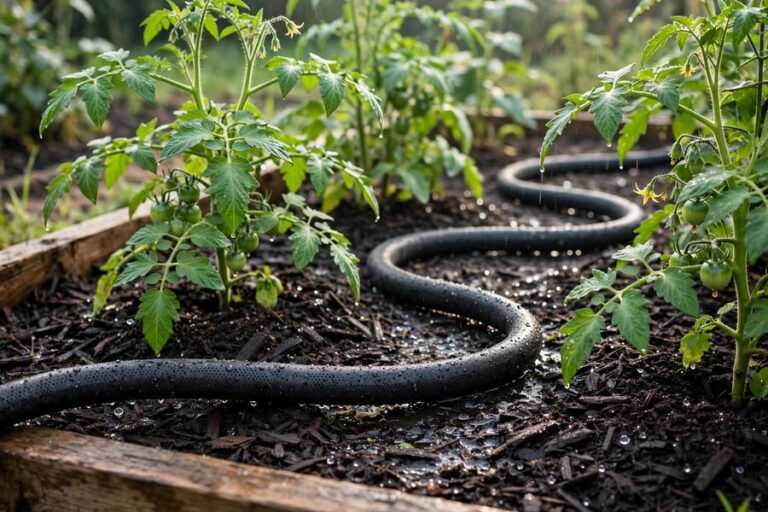
Cherry tomatoes are the highest-reward beginner vegetable that exists. One plant, given sun and a cage, produces hundreds of sweet fruits from midsummer to frost. Buy a transplant rather than starting seed, plant it deep with two-thirds of the stem buried, and water the soil, not the leaves. Varieties like Sungold and Sweet Million have never let me down.
Zucchini teaches beginners about abundance. Direct-sow two or three seeds in a sunny hill after the last frost, thin to the strongest seedling, and prepare to give squash away by August. One plant is plenty for most families. Bush beans are the quiet workhorses: they germinate in under a week, fix their own nitrogen so they barely need feeding, and produce heavy harvests of crisp pods. Plant a new short row every two to three weeks for beans all summer instead of one overwhelming wave.
Tier 3: Easy With One Trick Each (Cucumbers, Peppers, Spinach)
Cucumbers are easy if you give them two things: a trellis and consistent water. The trellis keeps fruits straight and clean and saves enormous space; the consistent water prevents the bitterness that makes homegrown cucumbers disappointing. Mulch heavily around the base and water deeply a few times a week rather than sprinkling daily.
Peppers need warmth to get started, which is their one demand. Wait until nights are reliably warm, or buy a sturdy transplant, and they become tough, productive plants that shrug off heat other vegetables hate. They are also superb container plants. Spinach is the easiest green there is in cool weather, but it bolts at the first hint of heat. The trick is timing: sow it very early in spring and again in late summer for fall. In the right window, it practically grows itself. If you are working with pots, these three all adapt well; see what container gardening is for setup details.
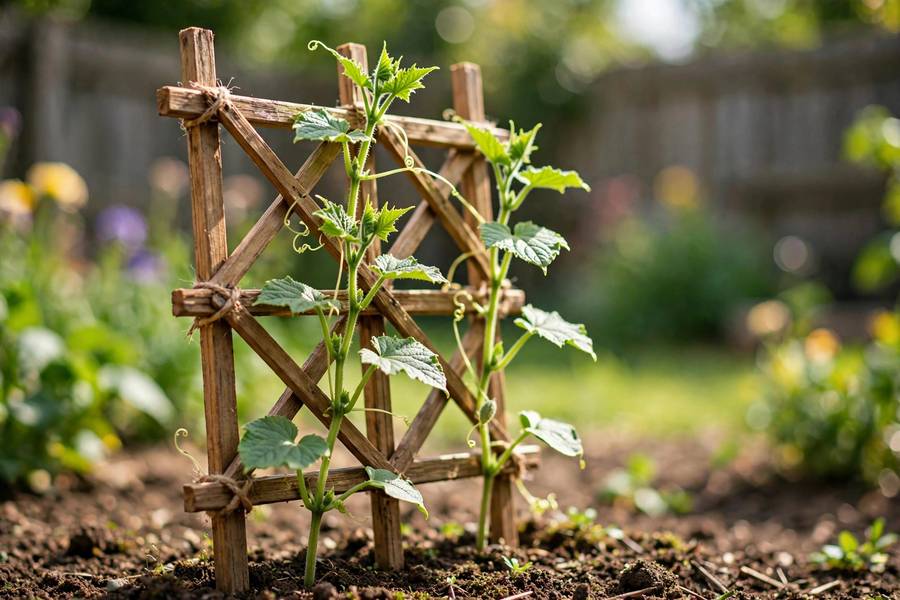
Notice the pattern: tier three vegetables are not harder, they just each have one specific need. Learn that one need and they are as easy as tier two.
Tier 4: Worth the Small Effort (Carrots, Beets, Kale)
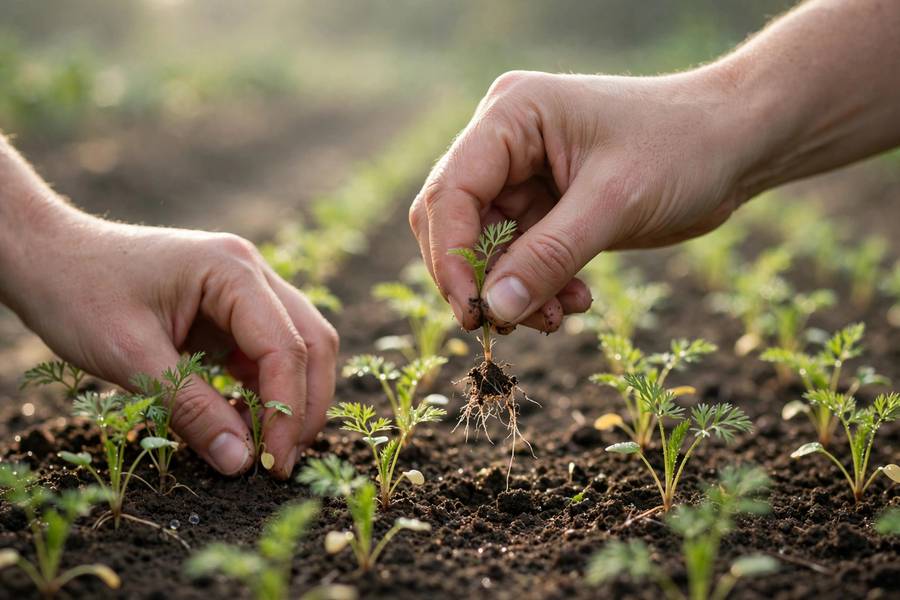
Carrots are the vegetable beginners most want to succeed at and most often struggle with, usually because of soil. They need loose, stone-free soil at least eight inches deep. If your soil is heavy clay, grow them in a deep container or raised bed filled with loose mix instead of fighting the ground. Sow thickly, keep the seedbed moist until germination (a board laid over the row helps), and thin ruthlessly to two inches apart. The thinning is the hard part emotionally; the growing is easy.
Beets are underrated beginner gold. They germinate reliably, tolerate mediocre soil better than carrots, and give you two harvests in one: nutritious greens early, sweet roots later. Soak the seed clusters overnight before planting for faster sprouting. Kale is the toughest green on this list. It survives frost, shrugs off pests better than most brassicas, and a few plants supply greens for months. Plant it in late summer for a fall and winter harvest that will make you feel like a gardening genius.
Vegetables Beginners Should Skip (For Now)
Honesty time. Cauliflower, broccoli, and Brussels sprouts are temperature-sensitive and timing-critical; they punish small mistakes with tiny heads or no heads at all. Celery needs constant moisture and a very long season. Corn needs space and a pollination block. Head lettuce varieties are far fussier than loose-leaf types. None of these are impossible, but they are year-two vegetables, and planting them in year one is how beginners end up discouraged.
Start with the twelve above, feed your soil with homemade compost through the season, and next year the fussy crops get dramatically easier. Gardening skill compounds: every easy harvest teaches you timing, watering, and observation, and those lessons transfer directly when you tackle cauliflower in year two. For the complete first-season playbook, my guide on how to start a garden walks you through it month by month.
Radishes, by a wide margin. They germinate in 3-5 days, need minimal care, and are ready to harvest in 25-30 days. Bush beans and lettuce are close runners-up for easy direct-sowing.
Cherry tomatoes and zucchini produce the most food per plant for beginners. A single cherry tomato plant can yield hundreds of fruits, and one zucchini plant feeds a family. Bush beans planted in succession give heavy harvests all summer.
Lettuce, spinach, kale, radishes, and green onions tolerate partial shade (4-6 hours of sun) better than fruiting crops. Fruiting vegetables like tomatoes, peppers, and cucumbers need 6-8 hours of direct sun to produce well.
Radishes are ready in 25-30 days, lettuce in 30-45 days, and green onions can be snipped within weeks. Cherry tomatoes take 60-70 days from transplant, and peppers 70-80 days. Planting fast crops alongside slow ones keeps you motivated.
Direct-sow radishes, beans, lettuce, cucumbers, zucchini, carrots, and beets from seed. Buy transplants for tomatoes, peppers, and herbs in your first year. This split gives you easy wins from seed while skipping the trickiest indoor seed-starting.