Reading Comprehension Games for Kids (That Build Real Skills)

Here is what I have learned coaching young readers: kids who play with stories understand stories better. The research backs this up — playful engagement with text builds the prediction, inference, and sequencing skills that worksheets try (and often fail) to teach. But the games have to target real comprehension skills, not just keep kids busy.
These are the games I recommend to parents and teachers, organized by the skill each one builds. Most need nothing but a book and a willing adult, and all of them work because the child does not realize they are practicing.
A note for parents: you do not need to be a teacher to play these games well. You just need to be willing to be silly, curious, and slightly competitive — kids handle the rest.
In this guide:
- Prediction Games
- Sequencing and Retelling Games
- Vocabulary Treasure Hunts
- Question Games
- Making It Stick
- Why Reading Aloud Still Matters
Prediction Games
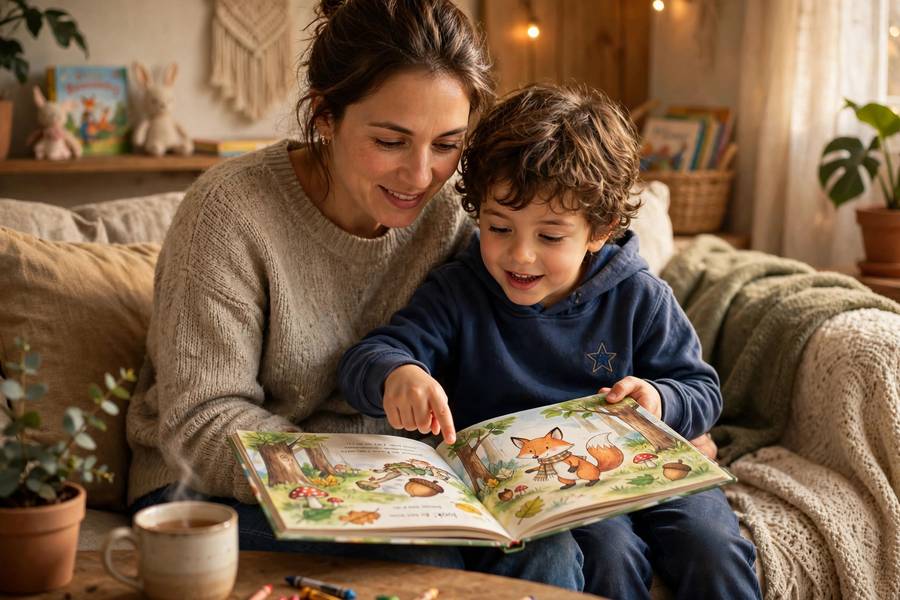
Pause-and-predict is the simplest and most powerful: read a story aloud, stop at an exciting moment, and ask 'what do you think happens next — and why?' The 'why' is the comprehension work — it forces the child to use clues from the text. Accept all reasonable predictions; the reasoning matters more than being right.
Cover-the-ending works with picture books: cover the last pages and have the child tell or draw their own ending, then compare. Kids who do this regularly start predicting automatically during independent reading — which is exactly what skilled readers do. how to start homeschooling
For older kids, prediction journals add writing: before each reading session, write one prediction based on the chapter title or first paragraph. Reviewing old predictions later teaches them how authors plant clues — a genuine literary skill disguised as a game.
Sequencing and Retelling Games
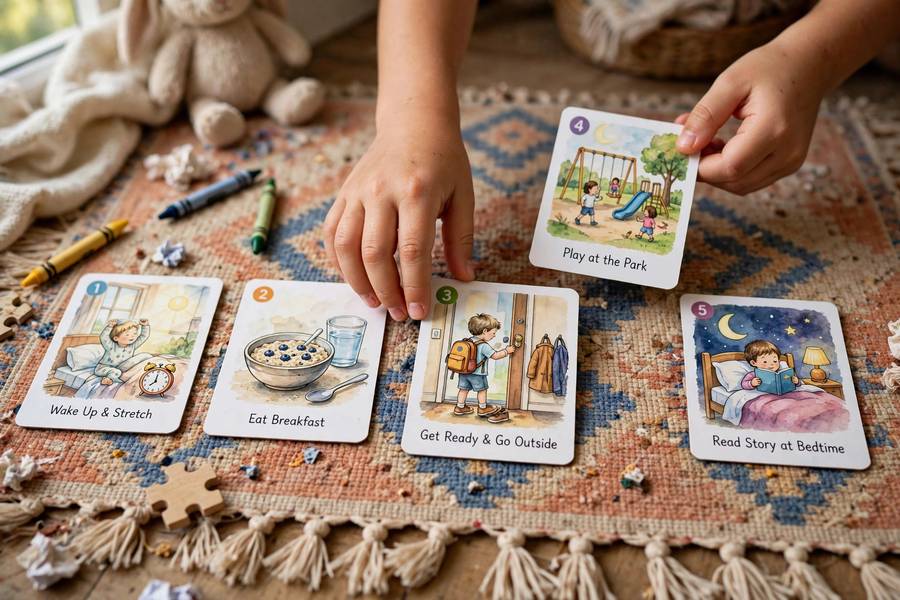
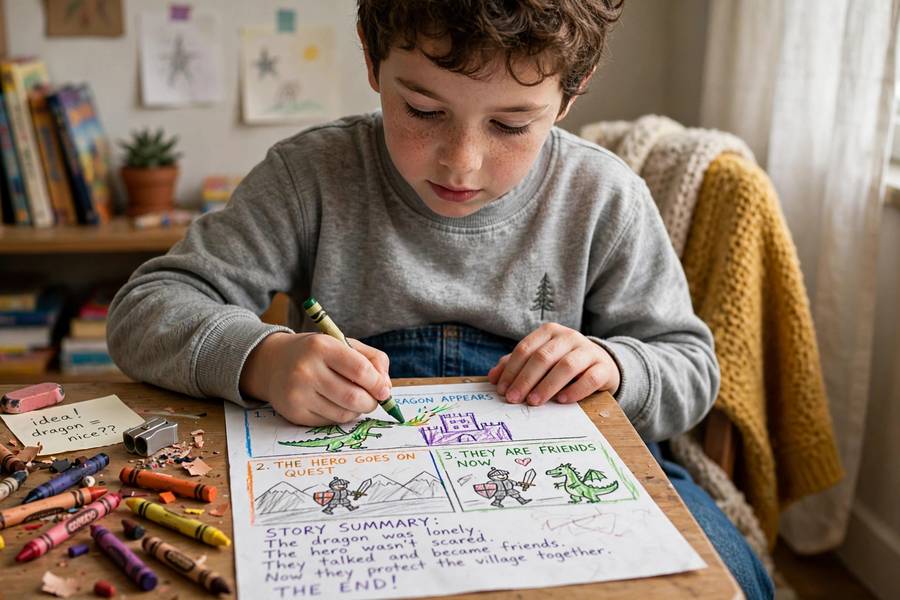
Story-strip sequencing: after reading, write five key events on separate strips (or have the child draw them), mix them up, and race to put them in order. This builds the sequencing skill that underlies summarization — and kids treat it as a puzzle, not a test.
Retell-with-a-twist: the child retells the story but must change one thing — the setting, one character's decision, the ending. To change a story coherently, you must understand it deeply. This is secretly one of the hardest comprehension tasks, and kids love it.
Comic-strip summaries: fold paper into six panels, and the child draws the story's key moments in order with one caption each. The panel limit forces selection of what matters — the essence of summarizing — and reluctant writers will draw what they will not write.
Vocabulary Treasure Hunts
Word detective: before reading, pick three interesting words from the text. The child's job is to spot them while reading and use context clues to guess meanings before checking. Finding the words feels like a treasure hunt; the guessing builds the context-clue skill.
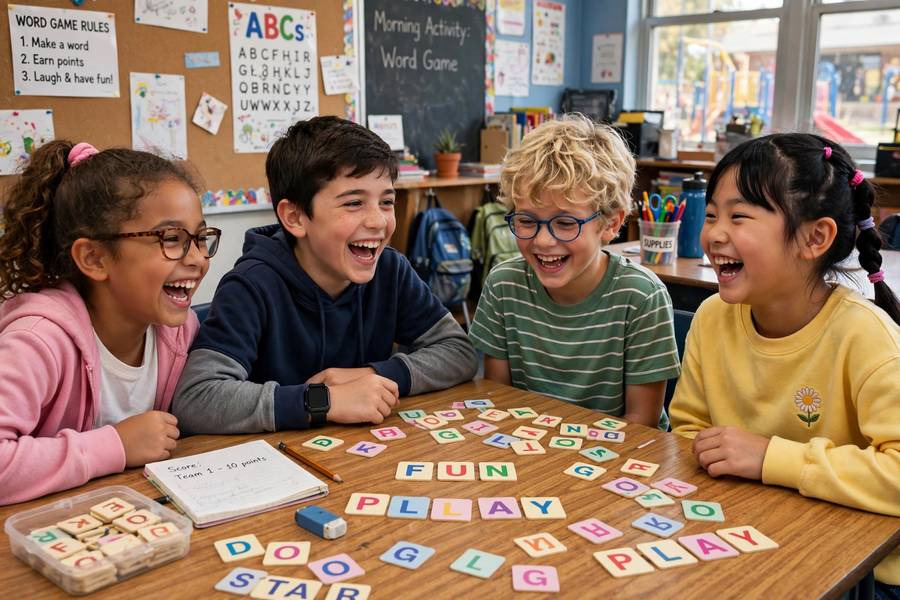
Synonym showdown: pick a vivid word from the story ('gigantic,' 'whispered') and take turns naming synonyms — who runs out first loses. Then discuss which synonym the author chose and why. This builds the word-consciousness that powers comprehension growth.
Silly sentence challenge: each player uses the week's new words in the silliest true sentence they can make. Humor supercharges memory — kids remember words they laughed with far longer than words they drilled.
Question Games
Question tennis: after a chapter, parent and child take turns asking each other questions about what they read — rally back and forth until someone cannot answer or asks a repeat. Kids try delightfully hard to stump parents, which means they read carefully.
Who-what-where-why dice: make a die (or cards) with question words — who, what, where, when, why, how. Roll after reading and answer that type of question about the story. The randomness keeps it fresh, and 'why' and 'how' rolls build inference.
Hot seat: the child pretends to be a character and the parent interviews them — 'Why did you hide the map?' Answering in character requires understanding motivation, not just plot. Shy kids often open up wonderfully when answering as someone else.
Making It Stick
Ten to fifteen minutes of game-play after reading beats an hour of worksheets weekly. Frequency and fun matter more than duration — a quick round of question tennis most evenings builds more comprehension than a weekend workbook session. how to prepare for the SAT
Let the child choose the game sometimes. Autonomy fuels engagement, and engaged reading is comprehending reading. Rotate games to keep novelty, but keep favorites in the mix — mastery of a game deepens the skill it targets. what unschooling is
Read aloud together as long as they will let you — well beyond the age they can read alone. Listening comprehension feeds reading comprehension, and the discussion during shared reading is where the deepest understanding gets built. The games are the dessert; the shared reading is the meal.
Why Reading Aloud Still Matters
Reading aloud to children is the single highest-impact literacy activity parents can do, and its benefits extend far beyond the age kids can read independently. Listening comprehension consistently runs ahead of reading comprehension — a six-year-old who reads at a first-grade level can understand stories read aloud at a third-grade level. That gap is pure learning opportunity.
Dialogic reading — asking questions during the story rather than just performing it — multiplies the benefit. Pause to ask what might happen, why a character acted that way, how the child would feel. These interruptions are not ruining the story; they are building the comprehension muscles the child will use when reading alone.
Take turns as the child grows: you read a page, they read a page. Then graduate to them reading to you, then to independent reading with discussion after. Each stage hands over more responsibility while keeping the conversation — and the conversation is where comprehension deepens.
Audiobooks count, with a caveat: they build vocabulary and narrative understanding beautifully, but the discussion component needs a human. Pair audiobooks with conversation — 'what happened in the story today?' at dinner — and you keep the dialogic benefit.
Do not stop when they can read alone. The research is clear that reading aloud benefits continue through the teen years — exposure to complex language, shared vocabulary, and the simple pleasure that keeps kids identifying as readers. The families who keep reading together raise the kids who keep reading alone.
Make it ritual, not lesson: same time, cozy spot, books the child chose. Rituals survive busy weeks; lessons get postponed. Ten minutes of nightly read-aloud through childhood compounds into a reader for life.
One more game for older kids: the 'book trailer.' After finishing a book, the child creates a one-minute spoken or drawn trailer that makes someone else want to read it — without spoilers. Selling a book requires understanding its appeal deeply, and kids pour creativity into it.
Try 'character text messages': the child imagines two characters texting about story events and writes the exchange. The format is irresistible to kids, and capturing voice and motivation in texts demands real character comprehension.
For reluctant readers, let them choose the game and the book — even graphic novels and joke books count. A child reading 'below level' joyfully builds more comprehension than a child avoiding 'proper' books resentfully. Meet them where they are; the level follows the love.
For teens who have outgrown the games, switch to debate: pick a book or article, assign sides, and argue it out at dinner. Debate demands the full comprehension stack — recall, inference, evidence, rebuttal — and teenagers who would never do a worksheet will argue passionately for an hour. what active recall is
Use the child's interests shamelessly. A sports-obsessed kid will devour match reports and player biographies; a gamer will read wikis and lore for hours. Comprehension built on passion transfers to school texts — the skill does not care what content built it.
Model reading visibly. Kids who see parents reading for pleasure absorb the idea that reading is what people do, not just what school requires. The single strongest predictor of a child's reading volume is a reading parent — stronger than any game or program.
Pause-and-predict, story-strip sequencing, word detective hunts, question tennis, and character hot-seat interviews — each targets a real skill (prediction, sequencing, vocabulary, questioning, inference) through play.
Turn practice into games: predict what happens next, sequence story events as puzzles, hunt for vocabulary like treasure, and quiz each other like a rally. Ten playful minutes beats an hour of worksheets.
From the start — discuss picture books with toddlers ('why do you think the bear is sad?'). Formal games suit ages 5 and up, scaling in complexity with the child's reading level.
Yes — playful engagement builds prediction, inference, and sequencing, the core components of comprehension. The key is that games target real skills, not just entertainment.
Brief sessions most days — 10 to 15 minutes after reading. Consistency matters far more than session length, and keeping it fun keeps it sustainable.
Drop the games and just read together — shared enjoyable reading builds more comprehension than resented practice. Follow the child's lead; the goal is a reader, not a game player.