15 Best Horror Games That Will Actually Scare You

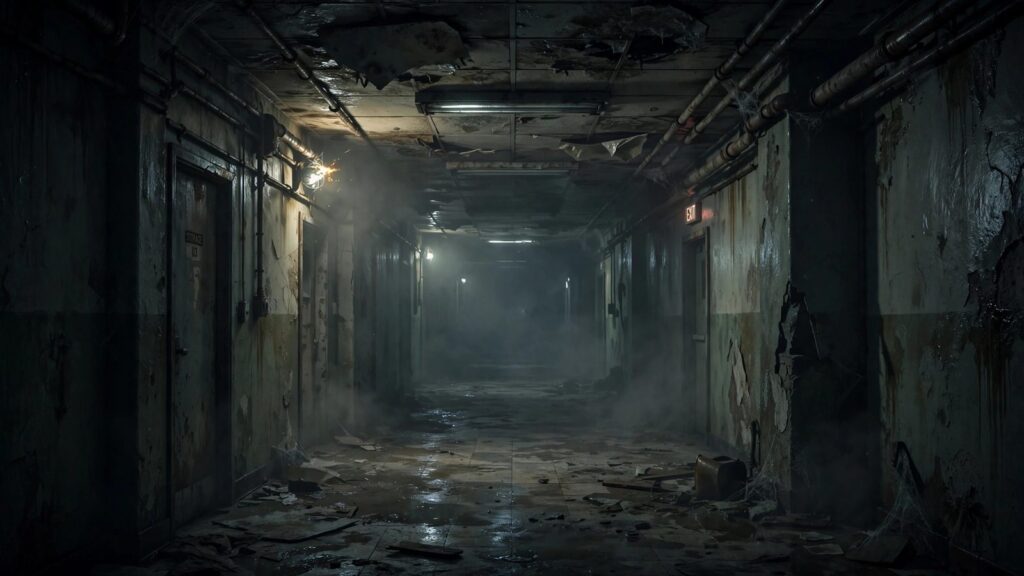
I have played horror games with the lights on, with friends on call, and once — never again — alone at 2 AM with headphones. Finding the best horror games is not about jump scares per minute; it is about the ones that get under your skin and stay there. This list covers fifteen games that genuinely terrified me or earned their legend status: survival horror classics, psychological slow burns, and co-op nightmares. Whether you want to be hunted, haunted, or just deeply unsettled, your next nightmare is on this list.
A quick note on taste: horror is personal. Some players want action-horror with guns and monsters; others want to hide in a locker for forty minutes. I have mixed both styles below and flagged what each game actually feels like to play, so you can pick your poison instead of bouncing off a classic that was never your style.
The Best Horror Games of All Time
1. Alien: Isolation — the gold standard of being hunted
No game has ever made me feel prey like this one. The xenomorph’s AI learns from your habits, so the hiding spot that saved you last time gets checked first next time. The retro-future space station is a masterclass in atmosphere, all flickering CRT screens and hissing vents. Play it with headphones, play it in the dark, and do not play it if your heart has opinions. This is survival horror at its absolute peak.
2. Resident Evil 4 (Remake) — action horror perfected
The remake takes one of the most beloved games ever and rebuilds it with modern tension intact. It is less pure horror than some entries here and more relentless dread punctuated by incredible set pieces, but the village, the castle, and that regenerating enemy in the lab are all-timers. If you want horror you can fight back against, start here.
3. Silent Hill 2 (Remake) — psychological horror’s crown jewel
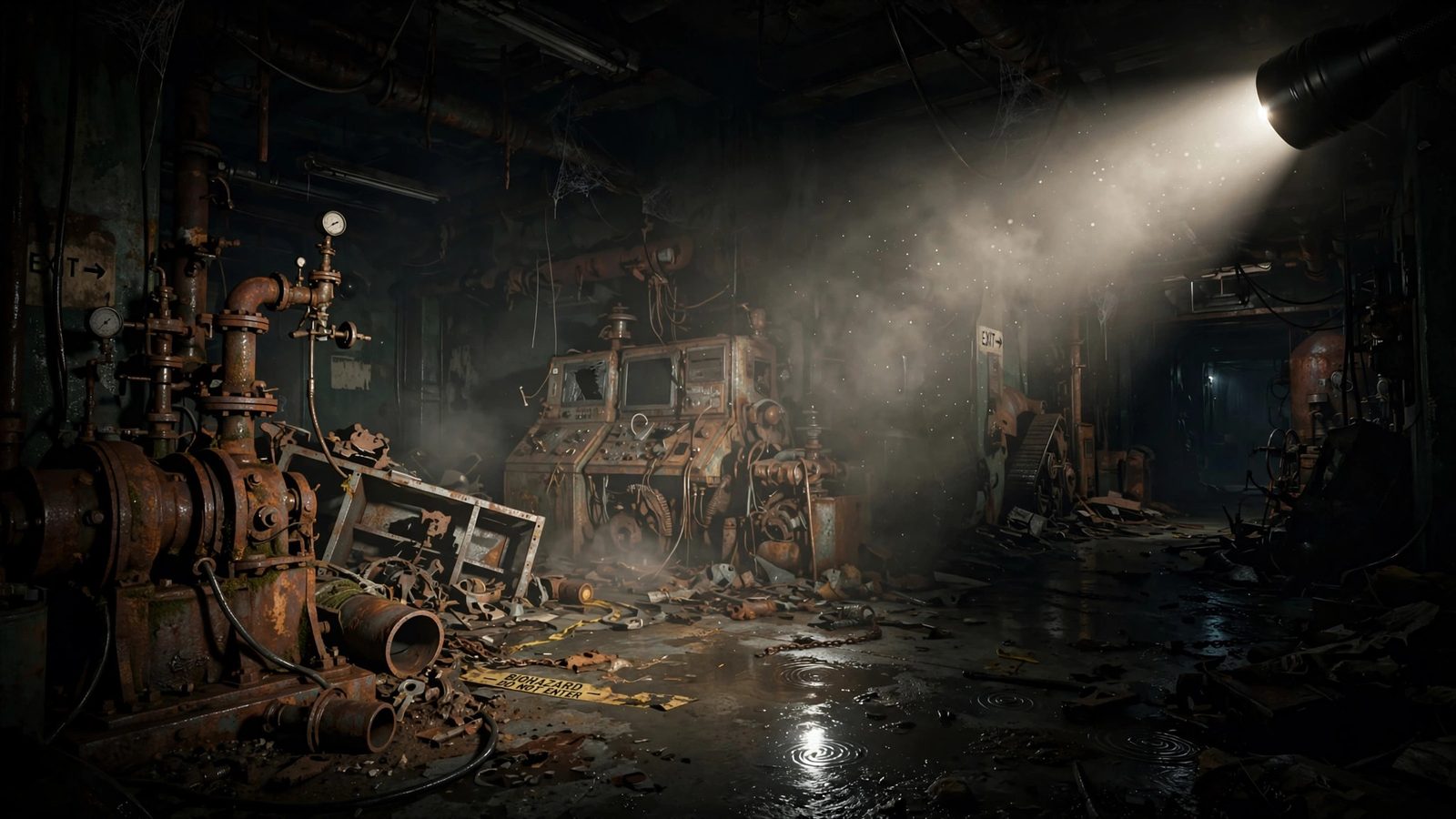
This is the thinking person’s nightmare. The remake preserves the original’s suffocating fog, industrial sound design, and story that gets more disturbing the more you understand it. It is slow, sad, and deeply uncomfortable in ways jump-scare games never achieve. Play it when you want horror that means something.
4. Amnesia: The Dark Descent — the indie game that changed everything
You have no weapons. Your only defense is running, hiding, and managing your character’s sanity as darkness literally drives him mad. Amnesia proved horror works best when you are powerless, and its water monster sequence remains one of the scariest set pieces in gaming. The graphics aged; the fear did not.
5. Outlast — found footage terror
Armed with only a camcorder whose night vision drains batteries, you explore an asylum full of things that want you dead. The found-footage framing makes every encounter feel immediate and voyeuristic. It is intense to the point of exhaustion — play in short sessions unless you enjoy adrenaline hangovers.
6. Dead Space (Remake) — sci-fi body horror
Strategic dismemberment is the combat hook, but the real horror is the USG Ishimura itself: a dead ship full of worse things, groaning and whispering around you. The remake’s seamless ship and reworked story elevate an already great game. The sound design alone — heard through good headphones — justifies the price.
7. Phasmophobia — ghost hunting with friends
Horror is better with friends screaming alongside you. You and up to three others investigate haunted locations with EMF readers and spirit boxes, identifying ghost types from evidence. The proximity voice chat means the ghost can hear you — whispering to your team while something hunts you is an unmatched social horror experience. Best played with friends who will absolutely abandon you in a hallway.
8. The Evil Within — survival horror fever dream
From the creator of Resident Evil, this is horror as nightmare logic: reality bends, traps are sadistic, and resources are brutally scarce. It is divisive — the story is deliberately disorienting — but its best chapters are among the tensest action-horror ever made. The sequel is more polished; the original is more unhinged.
9. Visage — the indie slow burn
A love letter to the cancelled Silent Hills demo, Visage traps you in a house where each chapter tells a new tragedy. It is slow, methodical, and genuinely disturbing rather than merely startling. The sanity mechanics and sparse scares mean when something happens, it truly lands. For patient horror fans only — and I mean that as praise.
10. Layers of Fear — horror as art
You play a painter descending into madness in a Victorian mansion that rearranges itself around you. It is short, gorgeous, and more unsettling than outright terrifying — the kind of horror that makes you uneasy walking to your kitchen afterward. A great entry point if you find most horror games too intense.
11. Resident Evil 7 — back to the farmhouse
After years of action-heavy entries, RE7 returned to intimate, first-person dread in a rotting Louisiana house. The Baker family dinner scene is iconic for a reason. It is the most purely scary mainline Resident Evil, and the VR version — for the brave — is a different beast entirely.
12. SOMA — existential dread underwater
From the Amnesia developers, SOMA trades monsters for questions: what makes you human, and does it survive being copied? The underwater facility is oppressive and the story is the best-written in horror gaming. The scares are real, but the ideas are what haunt you afterward. Play it for the ending alone.
13. Little Nightmares II — horror in miniature
You are tiny in a world of grotesque giants, and the scale difference does all the terrifying work. It is more atmospheric dread than jump scares, with some of the most striking imagery in the genre. Short enough to finish in a weekend, memorable enough to think about for months.
14. The Outlast Trials — co-op asylum chaos
The Outlast formula rebuilt for up to four players, set in a Cold War-era facility running twisted experiments on you. Objectives force you into danger while something patrols nearby, and coordinating with friends under pressure is equal parts hilarious and horrifying. A great pick if your group wants structured scares together.
15. Alan Wake 2 — horror as prestige television
Part survival horror, part detective story, part reality-bending metafiction, Alan Wake 2 is the most ambitious horror game in years. The dual protagonists, the shifting Dark Place, and set pieces like the musical sequence show what big-budget horror can be. It demands attention but rewards it enormously.
How to Choose Among the Best Horror Games
Match the game to your scare tolerance. Want action with your horror? Resident Evil 4, Dead Space, The Evil Within. Want to be genuinely powerless? Amnesia, Outlast, Alien: Isolation. Want story-first dread? Silent Hill 2, SOMA, Alan Wake 2. Playing with friends? Phasmophobia or The Outlast Trials. New to the genre? Start with Layers of Fear or Little Nightmares II — they teach you the language of horror without overwhelming you. And whatever you pick, headphones are non-negotiable; half of horror is sound design, and speakers do not do it justice.
If you have ever wondered how developers engineer fear so precisely — the AI, the sound design, the pacing — our piece on how video games are made breaks down the craft behind the scares.
Best Horror Games by Subgenre
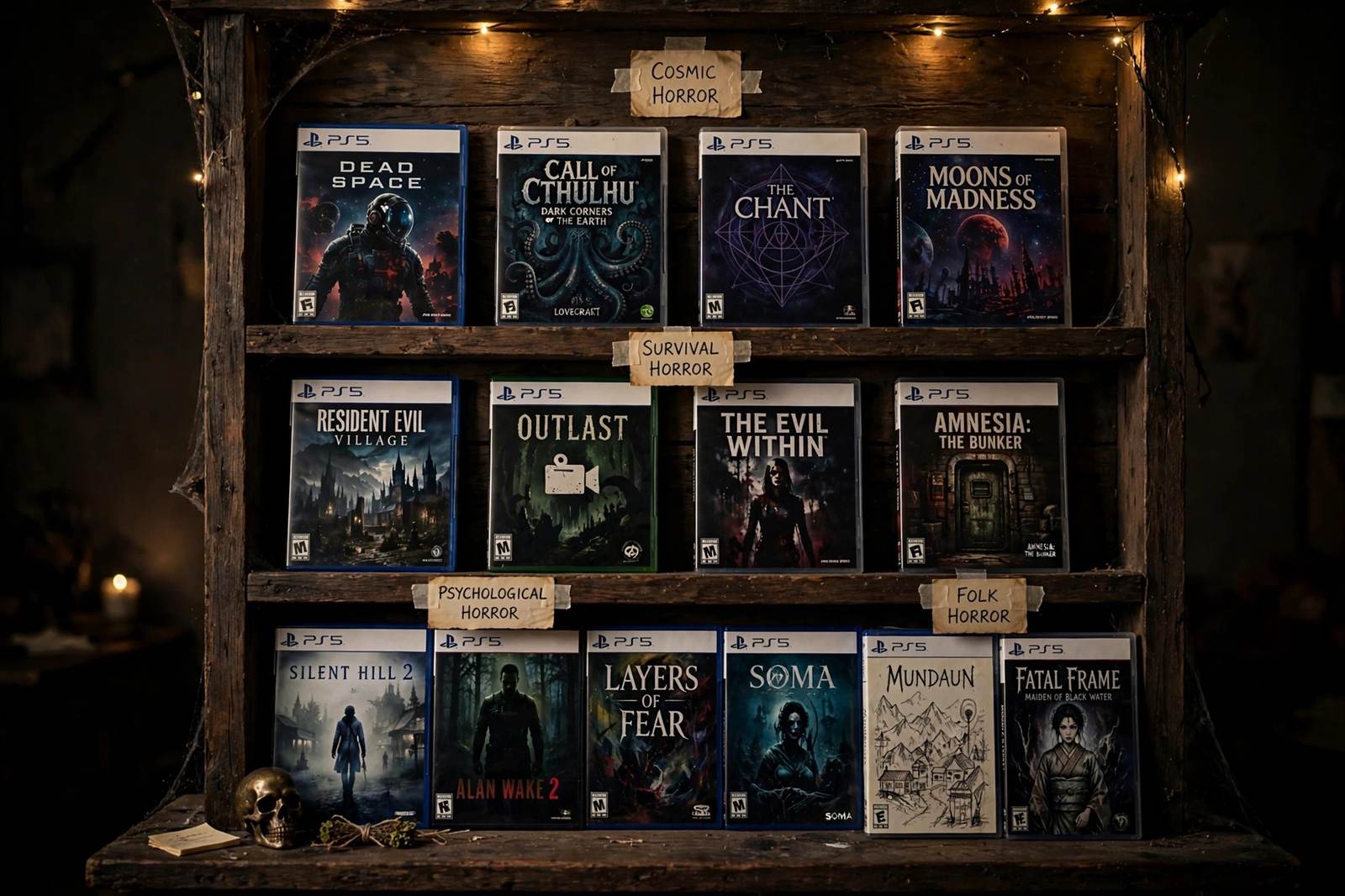
If the big list feels overwhelming, shop by subgenre. Survival horror — limited resources, real vulnerability — is best served by Alien: Isolation, Resident Evil 7, and the Dead Space remake. Psychological horror, where the scare is in your head, belongs to Silent Hill 2, SOMA, and Layers of Fear. Action horror, for players who want to fight back, means Resident Evil 4, The Evil Within, and Alan Wake 2. Indie and experimental horror — the weirdest, most personal scares — lives in Amnesia, Visage, and Little Nightmares II. And social horror, built for groups, is Phasmophobia and The Outlast Trials. Pick the shelf that matches your mood; every game on it earned its place.
Worth noting: subgenres blend constantly. Alien: Isolation has action beats, Resident Evil 7 has psychological stretches, and the best horror games borrow from every shelf. Use the categories as a starting point, not a cage — some of my favorite horror memories came from games I picked up expecting one thing and getting something stranger.
Tips for Getting the Most Out of Horror Games
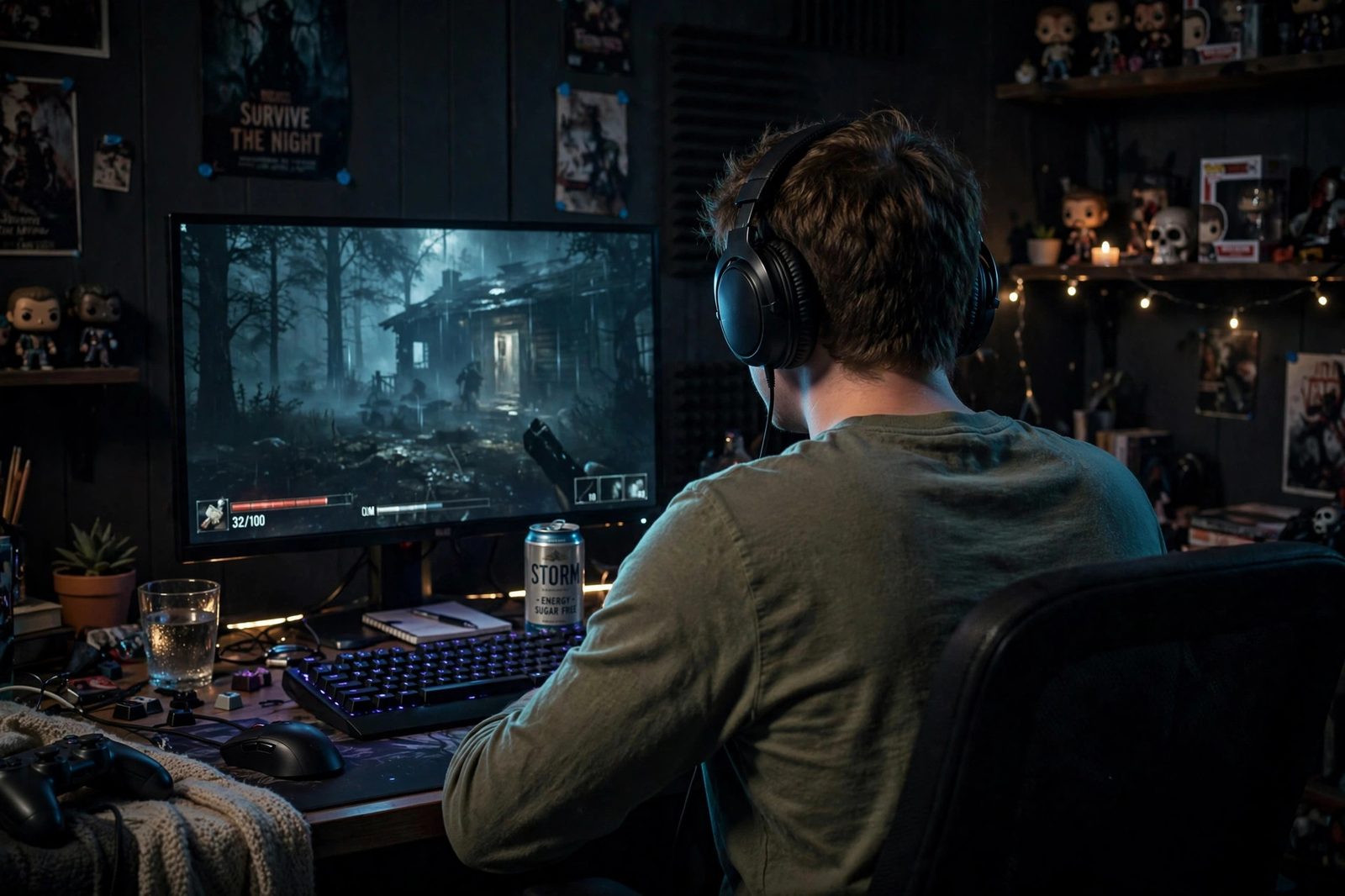
A few hard-won lessons. Play in the dark with good headphones — I know I keep saying it, but sound design is half the genre and you are robbing yourself without it. Do not look up guides on a first playthrough; the fear of the unknown is the whole point, and spoilers deflate it instantly. Take breaks when the tension stops being fun — horror should thrill you, not genuinely distress you, and there is no shame in pausing. Adjust difficulty without guilt; most horror games are better experienced on the setting that keeps you immersed rather than frustrated. And consider playing the classics in release order within a series — watching the design evolve is part of the pleasure.
Frequently Asked Questions
What is the scariest horror game ever made?
It depends on what scares you, but Alien: Isolation and Amnesia: The Dark Descent top most players’ lists for sustained dread, while Outlast wins for sheer intensity. For psychological horror that lingers, Silent Hill 2 is the consensus pick.
Are there good horror games to play with friends?
Yes — Phasmophobia and The Outlast Trials are built for co-op scares, and Dead Space’s remake-era co-op memories live on in games like GTFO. Horror with friends trades some immersion for shared panic, which is its own reward.
What horror game should a beginner start with?
Layers of Fear or Little Nightmares II — both are atmospheric without being punishing. Resident Evil 4’s remake is also beginner-friendly since you can fight back. Save Amnesia and Outlast until you know you enjoy being helpless.
Do I need a powerful PC for these horror games?
Most are available on consoles too, and several classics like Amnesia run on modest hardware. The remakes (Silent Hill 2, Dead Space, Resident Evil 4) are the most demanding — check each game’s requirements, but consoles remain the simplest path.
Why do horror games scare us so effectively?
Games weaponize agency: unlike films, you choose to open the door, which makes the consequence feel personal. Great horror games manipulate sound, lighting, resource scarcity, and unpredictable AI to keep your brain’s threat detection firing — it is craft, not accident.
The best horror games do not just startle you — they earn your fear through atmosphere, sound, and design, then follow you out of the room. Pick the flavor of dread that fits you, put the headphones on, and whatever you do, do not investigate that noise alone.