What Are Neutral Colors in Fashion? A Simple Style Guide


Ask what are neutral colors in fashion and you’ll get a different answer depending on whom you ask — which is precisely why the question matters. At their simplest, neutrals are the quiet colors: the shades that sit back so everything else in an outfit can speak. Black, white, cream, beige, gray, navy, brown, olive. They don’t shout. But a wardrobe built on them is the most versatile thing you can own, because neutrals mix with everything — including each other. This guide explains exactly which colors count, how to wear them without looking washed out, and how to build outfits that feel polished rather than plain.
The confusion usually starts with the edges. Is navy a neutral? (Yes.) Is olive? (Mostly.) Is blush? (Almost, but not quite.) The test is practical, not theoretical: a neutral is a color you can pair with any other color in your closet without a clash. If it plays well with red, green, blue, and brown alike, it’s doing neutral work — whatever the color wheel says.
What Are Neutral Colors in Fashion, Exactly?
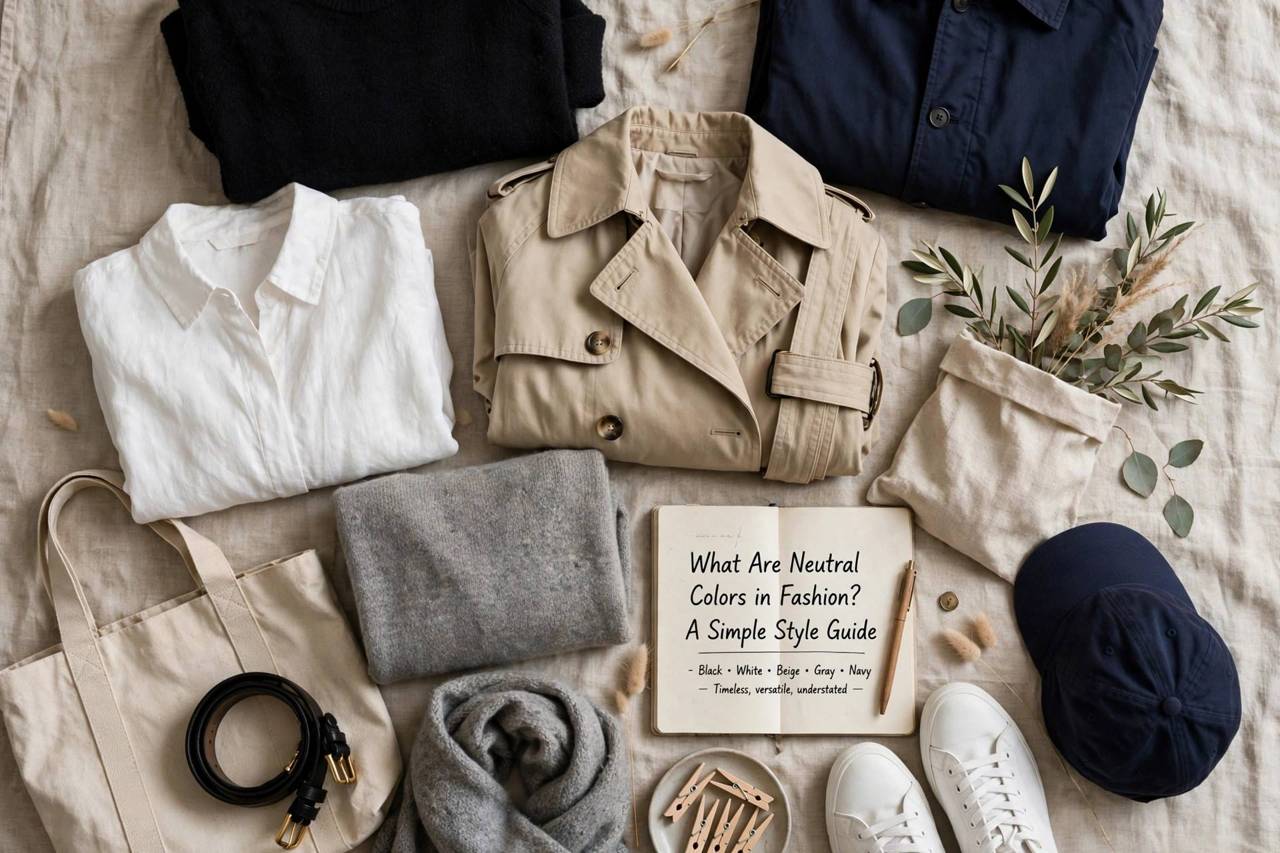
The core neutrals are eight: black, white, ivory/cream, beige, camel, gray (from charcoal to heather), navy, and brown (from chocolate to tan). These are the workhorses. Around them orbits a second ring of near-neutrals — olive, burgundy, denim blue, blush, taupe — colors with enough mutedness to behave like neutrals in most outfits while adding a whisper of personality.
Why these and not others? It comes down to saturation and temperature. True brights (a clear red, a vivid kelly green) demand attention and limit pairings. Neutrals are desaturated — mixed with black, white, or brown until their shout becomes a murmur. That’s what makes them combinable: low-saturation colors don’t compete with each other, so you can stack three or four in one outfit and still look coherent.
The Undertone Question: Warm vs. Cool Neutrals
Here’s where most people go wrong with neutrals — and why two people can wear “beige” with completely different results. Every neutral has an undertone: warm (yellow, golden, peachy base) or cool (pink, blue, gray base). Warm skin generally glows in warm neutrals — camel, cream, chocolate, olive. Cool skin flatters cool neutrals — true white, charcoal, navy, taupe with a gray cast.
You don’t need a professional color analysis to use this. Hold a pure white and an ivory cloth up to your face in daylight; the one that makes your skin look alive (rather than sallow or washed out) tells you your direction. Then shop your neutrals in that family. This single trick eliminates most “neutral outfits that look boring on me” problems, because the problem was never the neutrals — it was the wrong temperature.
How to Wear Neutrals Without Looking Boring
The fear with neutrals is looking like you gave up. The antidote is texture and tone. An all-beige outfit in three different textures — say, a knit sweater, smooth trousers, and a suede shoe — reads as intentional and rich. The same three garments in identical flat cotton would read as a uniform. When color steps back, texture and silhouette have to do the talking, so give them something to say.
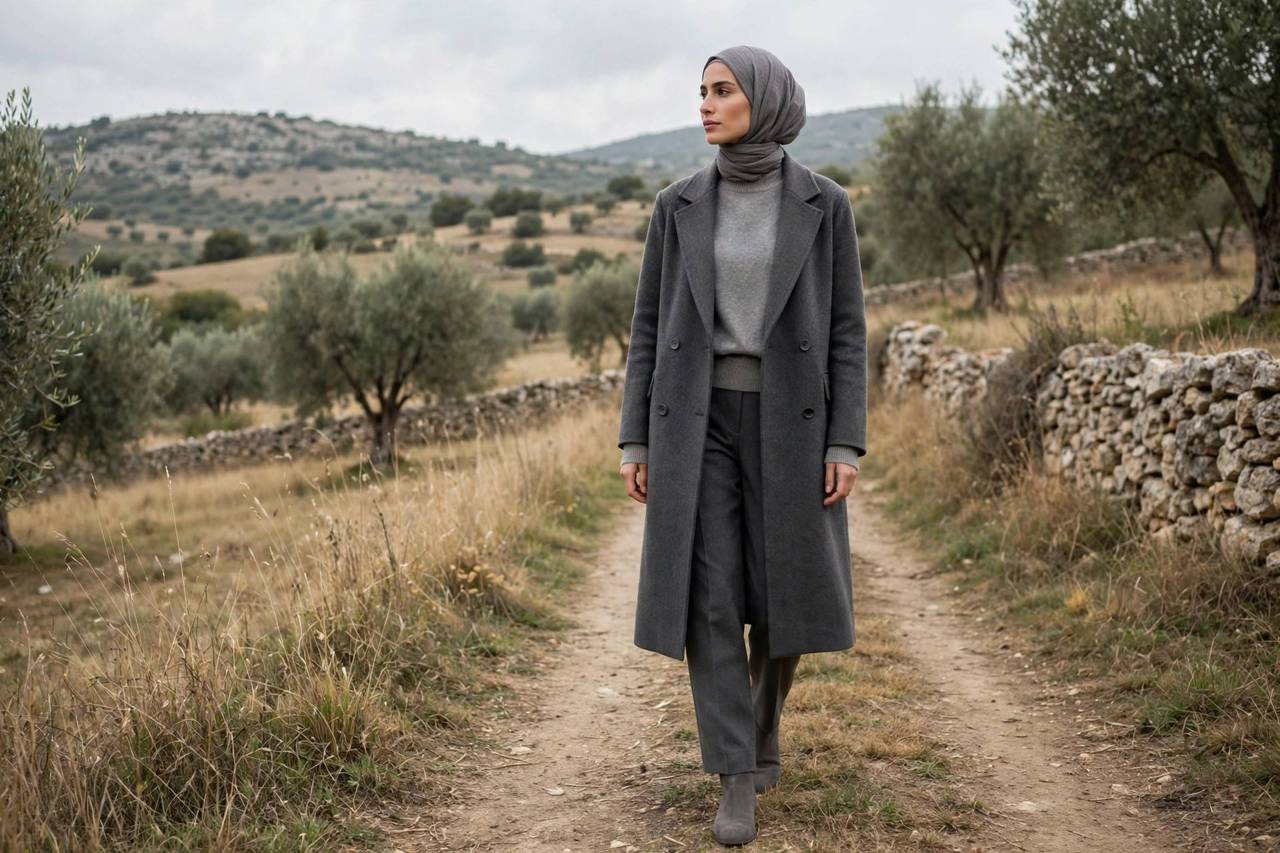
Tonal dressing — wearing one neutral head to toe in slightly different shades — is the most elegant trick in the book. Charcoal trousers, gray sweater, lighter gray coat: simple, slimming, sophisticated. The key is varying the shades enough that it reads as deliberate rather than mismatched. When in doubt, go darker on the bottom, lighter on top; it mirrors how the eye naturally reads an outfit.
Building a Neutral Wardrobe That Works
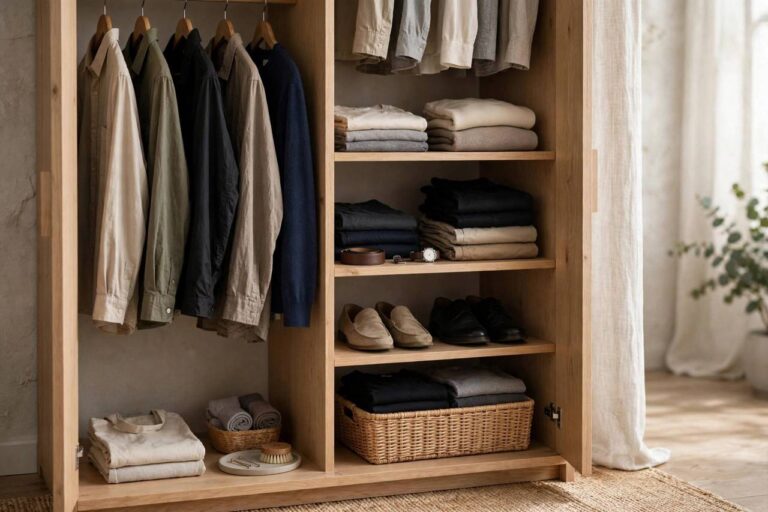
If you’re starting from scratch, build in this order: bottoms first (dark trousers or jeans, a neutral skirt if you wear them), then tops in white, cream, and gray, then a mid-layer (cardigan or blazer in navy or camel), then shoes in black and one brown tone, then a coat. With those pieces alone you can assemble two weeks of outfits without repeating — that’s the quiet power of neutrals, and the foundation of a well-planned capsule wardrobe.
Add color later, and add it the neutral way: one saturated piece against a neutral base. A red bag with an all-gray outfit. Emerald shoes with navy trousers and a cream sweater. The neutral base makes the color pop harder than a colorful outfit ever could — restraint is what makes the accent sing.
Neutrals by Season
Neutrals shift with the light. Autumn and winter favor the deep end — charcoal, chocolate, navy, camel — in heavier textures: wool, cashmere, leather. Spring and summer open up to ivory, stone, sand, and light gray in linen and cotton. You don’t need two wardrobes; you need the same neutrals in season-appropriate weights. A navy blazer works year-round — in wool for January, in unlined cotton for June.
The one seasonal rule worth respecting: white and cream after dark in winter can look stark under artificial light; that’s when ivory and warm beige earn their keep. Conversely, head-to-toe black in high summer can look heavy — break it with tan accessories or a lighter layer.
Neutrals and Minimalism
It’s no accident that minimalist style and neutral palettes travel together. When you own fewer pieces, each one has to work harder, and neutrals are the hardest-working colors in existence. The minimalist wardrobe isn’t about deprivation — it’s about every piece earning its place by pairing with everything else. If that philosophy appeals, our piece on what minimalism really means explores the mindset behind the pared-back closet.
Common Neutral Mistakes
Three errors show up constantly. First, wearing your wrong undertone — fixed with the cloth test above. Second, the “floating head” problem: very pale neutrals worn near the face by very fair people can wash out; solve it with a slightly deeper shade or a contrasting scarf. Third, neglecting the shoes: black shoes with a brown-belt outfit (or vice versa) breaks the spell. Match your leathers within an outfit — it takes five seconds and it’s the difference between polished and almost.
And a word on beige specifically: cheap beige looks cheap. Because the color is so quiet, fabric quality shows — a well-cut camel coat looks like wealth; a thin beige top looks like an undershirt. If your budget allows one investment piece, make it the neutral outer layer. It’s the thing people see first and remember longest.
Neutral Accessories: Where to Invest
Accessories are where neutrals pay their highest dividends, because a neutral bag or shoe works with everything you own. If you’re buying one good bag, make it in black, tan, or cognac — those three cover roughly ninety percent of outfits. Same logic for shoes: a black loafer or ankle boot and a nude-to-you flat handle nearly every situation from office to evening.
Belts deserve a mention because they’re the most visible small neutral in an outfit. Match your belt to your shoes as a default — black with black, brown with brown — and keep the buckle simple. Scarves are the exception to the investment rule: they’re the cheapest way to experiment with near-neutrals like olive, burgundy, or blush before committing to bigger pieces. A ten-dollar scarf in a new-to-you neutral teaches you more about your palette than any article can.
Neutrals for Different Occasions
The same neutrals dress up or down depending on fabric and cut. For the office: navy or charcoal tailoring, white or cream shirts, black shoes — the uniform of looking competent without thinking about it. For weekends: indigo denim (a neutral in practice), gray knits, white sneakers, an olive field jacket. For evenings: black, ivory, and metallic-adjacent neutrals like champagne in luxe fabrics — silk, satin, velvet.
Weddings and formal events deserve a caution: head-to-toe white or ivory at someone else’s wedding is a well-known faux pas, and all-black at a daytime summer wedding can read funereal. Navy, charcoal, champagne, and soft metallics are the safe elegant choices. When the invitation says “cocktail attire” and gives nothing else, a neutral dress in a rich fabric with one interesting accessory has never been wrong.
Neutrals and Prints: Mixing Without Clashing
Here’s the part nobody teaches: neutrals are what make prints wearable. A bold floral or stripe becomes office-appropriate when paired with neutral trousers; a neutral coat calms a loud dress into something elegant. The rule of thumb: let the print be the star and keep everything else neutral, in colors pulled from the print itself. If your scarf has navy, camel, and rust, wear it with navy trousers and a camel coat — suddenly the “difficult” print looks inevitable.
Two prints at once is advanced mode, and neutrals are the training wheels: a pinstripe suit with a subtly patterned neutral tie, or a striped shirt under a solid camel sweater. Keep one print large-scale and one small, share at least one color between them, and let neutrals fill every other slot. Done right, it looks masterful; done wrong, it looks busy — and the difference is almost always whether the neutrals were given enough room to breathe.
Frequently Asked Questions
What are neutral colors in fashion?
Neutrals are low-saturation colors that pair with anything: black, white, ivory, beige, camel, gray, navy, and brown, plus near-neutrals like olive, taupe, and burgundy. They form the versatile base of a wardrobe because they don’t clash with each other or with brighter accent colors.
Is navy blue considered a neutral color?
Yes — navy is one of the core neutrals. It pairs with black, gray, brown, white, and nearly every accent color, and it functions as a softer alternative to black for trousers, blazers, and dresses.
How do I know which neutrals suit my skin tone?
Check your undertone: hold pure white and ivory fabric to your face in daylight. If white looks better, lean toward cool neutrals (charcoal, true white, navy); if ivory wins, choose warm neutrals (camel, cream, chocolate). Wearing your right temperature prevents the washed-out look.
Can you wear black and brown together?
Yes, when done deliberately. The old rule has relaxed — pair them in clearly different tones (e.g., chocolate brown with black) and keep textures rich so it reads as intentional. Matching your shoes and belt within the outfit keeps it polished.
How can I make an all-neutral outfit look interesting?
Vary texture and tone: mix knits with smooth fabrics and suede, and wear one neutral head-to-toe in slightly different shades. Add one accent piece — a colored bag, shoe, or scarf — against the neutral base for contrast.
Are neutrals boring for evening wear?
Not at all — evening is where neutrals shine. A black slip dress, an ivory silk top with charcoal trousers, or head-to-toe tonal dressing in deep shades all read as elegant. At night, let fabric do the work: silk, satin, and velvet make neutrals feel luxurious.