What Is the Paris Climate Agreement? Simple Explainer

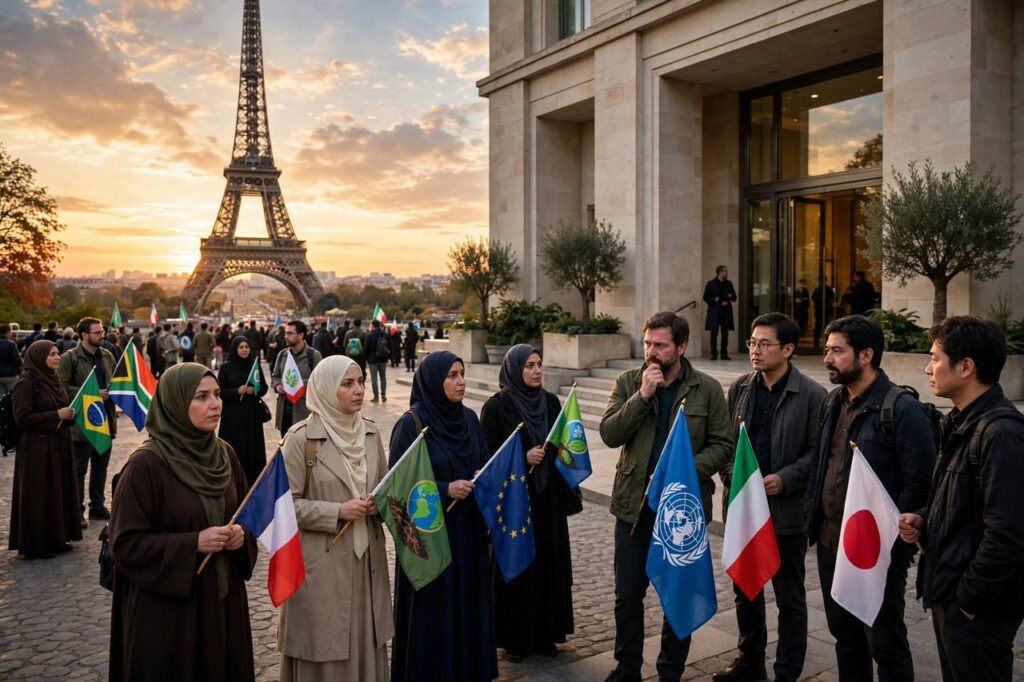
What is the Paris Climate Agreement? In the simplest terms, it’s the deal nearly every country on Earth made to limit global warming — and it’s the framework behind every climate headline you’ve read since 2015. I’ve covered enough climate summits to know the agreement is both genuinely historic and genuinely confusing: part treaty, part pledge system, part ongoing negotiation that never really ends. This guide breaks it down in plain English: what it promises, how it’s supposed to work, whether it’s working, and where things stand in 2026.
What Is the Paris Climate Agreement? The Short Version
The Paris Agreement is an international treaty on climate change adopted on December 12, 2015, at the COP21 climate conference in Paris. It was signed by 196 parties — 195 countries plus the European Union — making it one of the most universally supported agreements in history. It entered into force on November 4, 2016, after enough countries ratified it to cross the agreement’s threshold.
Its headline goal: hold the increase in global average temperature to well below 2°C above pre-industrial levels, and pursue efforts to limit it to 1.5°C. Those numbers are the entire agreement in a nutshell — everything else in the treaty is machinery designed to hit them. The full official text lives on the UNFCCC’s Paris Agreement page, archived for reference.
Three design choices made Paris different from every climate deal before it:
- Bottom-up, not top-down. Instead of assigning each country a mandatory emissions cut (the Kyoto approach, which covered only some countries), Paris lets every country set its own plan — then holds them accountable for reporting progress.
- Universal. Developed and developing countries alike participate. That universality is why 196 parties signed on.
- Legally binding process, non-binding targets. Countries are legally required to submit plans and report on them — but the plans themselves aren’t enforceable. There are no fines for missing a target.
How Paris Differs From the Kyoto Protocol
To understand why Paris was designed the way it was, it helps to know what came before. The 1997 Kyoto Protocol took the opposite approach: legally binding emissions targets, but only for developed countries. The result was predictable — the United States never ratified it, major developing emitters had no obligations, and Canada eventually withdrew. Kyoto covered a shrinking share of global emissions and became a cautionary tale.
Paris flipped the formula: universal participation with non-binding targets, enforced through transparency rather than penalties. Critics call this toothless; supporters call it realistic. The honest assessment is that Paris learned Kyoto’s political lesson — a strict treaty nobody joins accomplishes nothing — but hasn’t yet solved the ambition problem Kyoto also faced. The experiment is still running, and the 2028 Global Stocktake conclusions will be its most important progress report yet.
NDCs: The Pledges That Run the Whole System
The engine of the Paris Agreement is the NDC — the Nationally Determined Contribution. Each country writes its own climate plan: how much it will cut emissions, by when, and how. The US, the EU, China, India, small island states — everyone submits one. Countries are required to submit a new, more ambitious NDC every five years, a cycle designed so that plans ratchet upward over time.
This is also the system’s famous weak point. Since countries choose their own targets, there’s nothing stopping a government from submitting a weak plan — and no penalty for missing it. The agreement’s bet is that transparency, peer pressure, and regular review cycles will push ambition upward. Whether that bet is paying off is the central question of the next section.
The Ratchet Mechanism and the Global Stocktake
Paris built in a five-year review cycle called the Global Stocktake: every five years, countries collectively assess where the world stands against the temperature goals, and the findings are supposed to inform the next round of NDCs. Think of it as a report card for the planet, issued on a fixed schedule.
The first Global Stocktake concluded at COP28 in Dubai in late 2023. Its headline outcome was a landmark call for countries to transition away from fossil fuels in energy systems — the first time a UN climate deal named fossil fuels that directly. The second stocktake process is scheduled to begin its input-gathering phase toward the end of 2026, with the full assessment running through 2027 and conclusions in 2028.
Climate Finance: Who Pays for All This?
The agreement recognizes that poorer countries — which contributed least to the problem — need help cutting emissions and adapting to climate impacts they didn’t cause. Developed countries committed to mobilizing $100 billion per year in climate finance, a target that was eventually met in the early 2020s after years of falling short.
At COP29 in Baku in 2024, countries agreed on a new goal: $300 billion per year by 2035, known as the New Collective Quantified Goal. Developing countries had asked for far more, and the figure was widely criticized as inadequate — but it replaced the old target and set the floor for the next decade of finance negotiations. The same conference finalized rules for international carbon markets under Article 6, a piece of Paris machinery that took nearly a decade to complete.
Is the Paris Agreement Working? An Honest Assessment
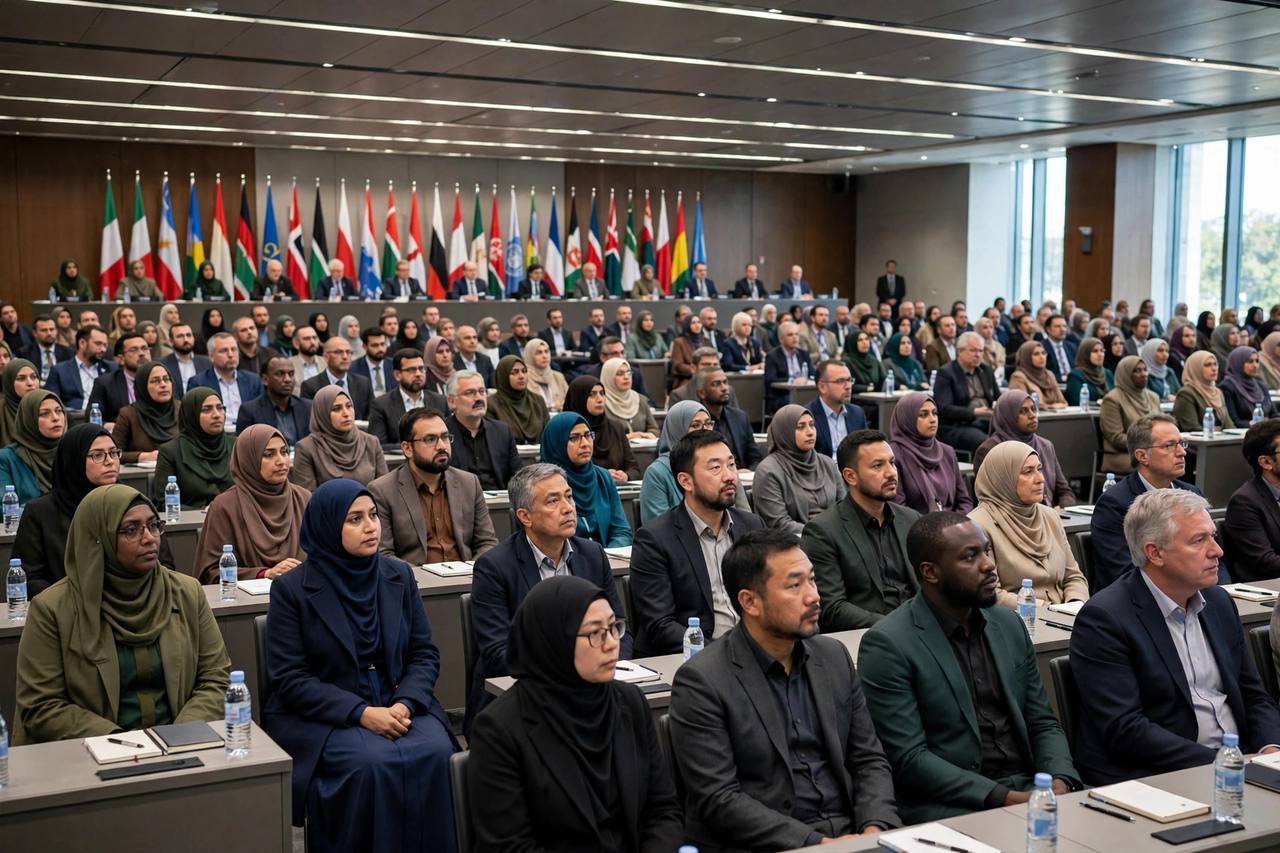
Here’s the balanced version. On the positive side: the agreement exists, nearly everyone is in it, and it created a permanent global system for climate pledges and transparency that didn’t exist before. Clean energy investment has grown enormously since 2015, and the worst-case warming scenarios that were mainstream a decade ago are now considered less likely — partly because the Paris framework helped shift investment and policy.
On the negative side: the pledges don’t add up. Ahead of COP30 in Belém, Brazil, in November 2025, countries were due to submit their third round of NDCs. Submissions lagged badly — most missed the early deadlines — though by the end of the summit roughly 122 countries had filed new plans. Even so, assessments found the collective pledges would cut global emissions only about 10 to 12 percent by 2035, against the roughly 60 percent cut needed to keep 1.5°C within reach. The UN Environment Programme’s 2025 Emissions Gap Report put the world on track for roughly 2.3 to 2.5°C of warming this century under current policies and pledges.
So the honest answer: the agreement is working as a framework, but the world is not yet on track for its goals. The machinery runs; the ambition doesn’t match it. That gap — between pledges and physics — is the story of Paris in one sentence.
Where Things Stand in 2026
Several major developments define the agreement’s status in 2026:
- The US withdrawal took effect. President Trump signed an executive order withdrawing the US from the Paris Agreement on January 20, 2025; the one-year withdrawal process concluded in January 2026, formally ending US participation. In early January 2026 the administration went further, announcing withdrawal from the UNFCCC process itself and other international bodies. As analysts noted at the time, the agreement has no enforcement mechanism, so the practical effect is the loss of US reporting obligations and diplomatic engagement rather than fines — but the US is the world’s largest historical emitter, and its absence weakens the collective effort.
- COP30’s aftermath. The Belém summit adopted a “global mutirão” (collective effort) decision launching an implementation accelerator and a “Belém Mission to 1.5” to push countries toward stronger action. A proposed roadmap for transitioning away from fossil fuels was blocked by oil- and gas-producing countries, though Brazil is pursuing it as a voluntary initiative. Details are in the European Parliament’s COP30 outcomes briefing.
- Transparency reports due. Toward the end of 2026, parties are due to submit their second biennial transparency reports — the first real wave of standardized progress data under the Paris system, feeding into the next Global Stocktake.
The big open question for the rest of the decade: whether the ratchet mechanism actually ratchets. The next round of NDC strengthening, informed by the second Global Stocktake, will tell us whether Paris is a turning point or a well-designed filing cabinet.
Criticisms Worth Taking Seriously
No honest explainer should skip the critiques:
- No enforcement. A country can miss every target with zero penalty. The agreement relies on shame and diplomacy.
- The 1.5°C goal is slipping. Most analyses now treat 1.5°C as extremely difficult to hold, with a period of overshoot increasingly likely before temperatures could come back down.
- Finance falls short. The $300 billion goal is a fraction of what developing countries say they need, and delivery on past promises has been slow.
- Consensus rules slow everything. Every COP decision requires agreement from nearly 200 parties, which is why fossil fuel language gets watered down year after year.
Defenders respond that no enforceable treaty was politically possible — Kyoto tried binding targets and the US never ratified it — and that a universal voluntary system beats a strict one that half the world ignores. Both things can be true.
Frequently Asked Questions
When was the Paris Climate Agreement signed?
It was adopted on December 12, 2015, at the COP21 conference in Paris, opened for signature in April 2016, and entered into force on November 4, 2016, once enough countries had ratified it.
How many countries are in the Paris Agreement?
196 parties have joined: 195 countries plus the European Union. The United States formally withdrew in January 2026, though it remains the only major economy outside the framework.
Is the Paris Agreement legally binding?
Partially. Countries are legally bound to submit climate plans (NDCs) and report on progress — but the targets inside those plans are not enforceable, and there are no penalties for missing them.
What is an NDC?
A Nationally Determined Contribution is each country’s own climate action plan under the Paris Agreement, detailing its emissions targets and policies. Countries must submit new, more ambitious NDCs every five years.
Is the world on track to meet the Paris Agreement goals?
Not currently. Under existing pledges and policies, analyses including the UN Environment Programme’s 2025 Emissions Gap Report project roughly 2.3 to 2.5°C of warming this century — above the “well below 2°C” goal and the 1.5°C aspiration.
Did the US leave the Paris Agreement?
Yes. After an executive order signed in January 2025, the US withdrawal formally took effect in January 2026. The US had previously withdrawn in 2020 and rejoined in 2021, making this the second American exit from the agreement.