


You know that moment when an episode starts in the middle of the action — a heist going wrong, a joke already landing, a body already on the floor — and then the title card hits? That’s a cold open. And when it’s done right, it’s the best two minutes in television.
I watch way too much TV professionally, which means I’ve seen thousands of cold opens — the brilliant ones, the lazy ones, and the ones that made me immediately text a friend. Here’s how the trick works and why the best shows live or die by it.
Table of Contents
- The Short Answer
- Where the Term Comes From
- Why Shows Use Cold Opens
- The Anatomy of a Great Cold Open
- Famous Examples (and Why They Work)
- Cold Opens in Comedy vs. Drama
- When Cold Opens Fail
- How to Spot the Craft
- Frequently Asked Questions
The Short Answer
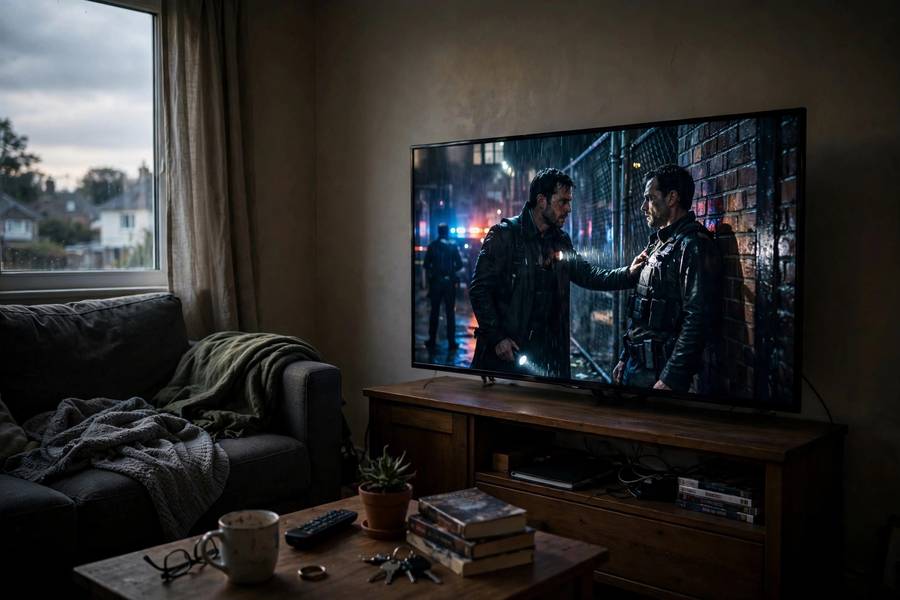
A cold open is a scene at the very start of a TV episode — before the title sequence or credits — that drops you straight into the story with no warm-up. It usually ends on a hook (a laugh, a shock, a question) that makes you need to keep watching. The “cold” part means you start cold: no recap, no setup, just go.
Where the Term Comes From
“Cold open” is industry slang that’s been around since the early days of television. The “cold” distinguishes it from a “warm” open — one preceded by a recap (“previously on…”), a title card, or credits.
The technique is older than TV. Films have done it forever (think of a Bond movie’s pre-title action sequence — that’s a cold open with a bigger budget). Radio dramas did it. Even novels do it — starting in medias res, in the middle of things, is one of storytelling’s oldest tricks.
But TV perfected it, because TV has a unique problem: the viewer can leave at any second. A movie has you trapped in a seat. A TV show has to earn the next 40 minutes in the first 120 seconds. The cold open is how.
Why Shows Use Cold Opens
Three reasons, in order of importance:
1. The hook. Streaming killed the “wait through commercials” problem but created a worse one: infinite choice. If your episode doesn’t grab someone in two minutes, they’re one thumb-flick from something else. The cold open is the show saying “trust me, this one’s good” before you’ve decided to commit.
2. Tone-setting. A cold open tells you what kind of episode this is. A funny cold open promises a funny episode. A dark one warns you to buckle up. It’s the show calibrating your expectations without a word of exposition.
3. Structural freedom. Starting mid-action lets writers skip boring setup. Instead of showing the team getting the case, you start with the case already weird. The backstory fills in later, when you actually care.
There’s also a practical broadcast reason from the old days: cold opens kept viewers from changing channels during the opening credits. The problem changed; the solution stuck around because it works.
The Anatomy of a Great Cold Open
After watching an embarrassing number of these, here’s the formula the great ones follow:
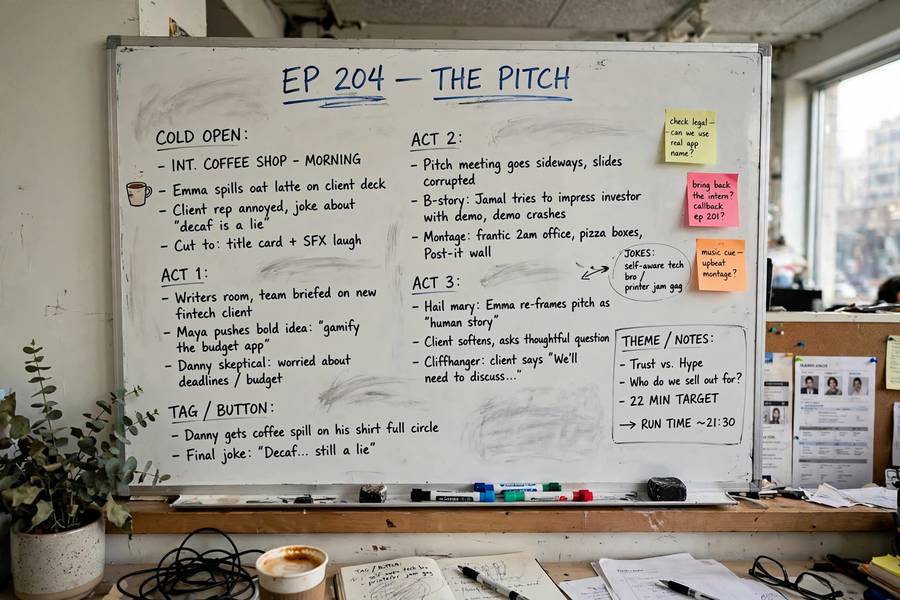
Start late. Begin as close to the interesting part as possible. Not the morning briefing — the moment the briefing goes sideways.
One clear question. The viewer should be asking one thing by the end: “How did they get here?” / “What’s in the box?” / “Is he going to get caught?” One question, sharp as a knife.
End on the turn. The best cold opens end the moment the situation changes — the laugh lands, the body drops, the title card slams in. Cut before the explanation, never after.
Keep it tight. Two to five minutes. Longer than that and it’s not a cold open anymore, it’s just… the episode.
Make it rewatchable. The great ones play differently once you know the episode. Details you missed become clues. That’s craft.

Famous Examples (and Why They Work)
Let me walk through the hall of fame without spoiling anything you haven’t seen:
The comedy cold open. The best sitcoms turned this into an art form — a self-contained mini-story, often unrelated to the episode’s plot, that exists purely to make you laugh before the credits. The genius: it trains you that every episode starts with a reward. You never skip the beginning.
The drama cold open. Crime shows perfected the “body on the floor, then title card” structure. But the great ones subvert it — starting with something quiet, even mundane, that turns sinister in the last ten seconds. The whiplash is the point.
The prestige cold open. The best dramas of the last twenty years use cold opens as short films — visually stunning, narratively oblique, sometimes barely connected to the plot until the final episodes. They’re a flex: “we’re so confident you’ll stay, we’ll make you work for it.”
The horror cold open. Start with the scare, then spend the episode explaining it. It shouldn’t work (you’ve seen the monster already) but it does, because now every quiet scene vibrates with dread.
What they share: none of them waste your time. Every second earns the next.
Cold Opens in Comedy vs. Drama
The two genres use the tool completely differently:
Comedy cold opens are usually disposable — a great joke or mini-story that may have nothing to do with the episode. Their job is purely chemical: get you laughing, lower your defenses, make the next 20 minutes feel easy. The best ones become the thing people quote.
Drama cold opens are usually load-bearing — they set up the episode’s central tension or mystery. Skip a drama cold open and you’re lost. They’re doing narrative work, not just mood work.
This is why you can walk into a sitcom cold open halfway through and still laugh, but walking into a drama cold open halfway through just confuses you. Different tools, same slot.
When Cold Opens Fail
Oh, I’ve seen some disasters. The failure modes:
The fake-out. A shocking opening that’s revealed as a dream, a rehearsal, or a “three weeks earlier” cheat. Do it once, it’s clever. Do it every episode, it’s insulting.
The trailer open. Showing you the most exciting 30 seconds of the episode upfront, then rewinding. It kills tension instead of building it — now you’re just waiting for the scene you already saw.
The disconnected comedy bit. A funny cold open that has nothing to do with anything and isn’t even that funny. It’s just… there. Filler with a laugh track.
The overlong open. Ten minutes in and no title card yet? That’s not a cold open, that’s a show that forgot its own structure.
The spoiler open. Starting with the climax and flashing back. Occasionally brilliant, usually a sign the writers didn’t trust their own episode to hold you.
How to Spot the Craft
Next time you watch, try this: when the title card hits, pause and ask yourself three questions:
- What single question am I asking right now?
- What did they not show me?
- Would I keep watching if the remote was in someone else’s hand?
If the answers are “a sharp one,” “exactly the right things,” and “yes” — you just watched a great cold open. The shows that do this consistently are the shows worth your time. The ones that don’t… well, that’s what the “skip intro” button is for. (Kidding. Mostly.)
Understanding this stuff is part of appreciating how movies are made too — film and TV share the DNA, just at different runtimes. For the craft side, these filmmaking tips break down what directors actually control, and if you want to try writing one yourself, start with how to write a screenplay.
Frequently Asked Questions
A cold open is a scene at the very start of a TV episode — before the title sequence or credits — that drops you straight into the story with no warm-up or recap. It usually ends on a hook (a laugh, a shock, a question) designed to make you keep watching.
“Cold” means you start cold — with no recap, title card, or credits first. It distinguishes the technique from a “warm” open that’s preceded by setup material. The term comes from television industry slang dating back to TV’s early days.
Start as close to the interesting part as possible, pose one sharp question the viewer needs answered, end on the turn (cut before the explanation), keep it tight at 2-5 minutes, and make it rewatchable — great ones reveal new details once you know the episode.
No. Many shows go straight to titles, especially prestige dramas with long title sequences and some comedies. Cold opens are a choice — common in sitcoms, procedurals, and dramas that want an immediate hook, but far from universal.
They’re essentially the same thing — “teaser” is the more formal industry term for the opening segment designed to hook viewers, while “cold open” specifically emphasizes starting without any preceding credits or recap. In practice, people use them interchangeably.
Yes — the James Bond pre-title action sequences are the most famous example: a self-contained action scene before the opening credits. Many films open in medias res the same way, though movies don’t face TV’s “viewer can leave instantly” pressure, so the technique serves story more than retention.