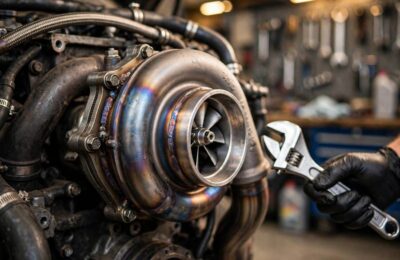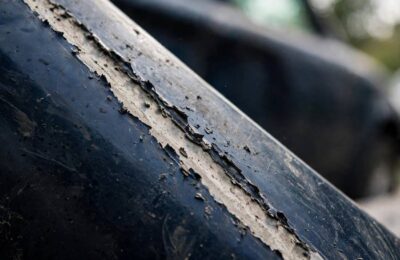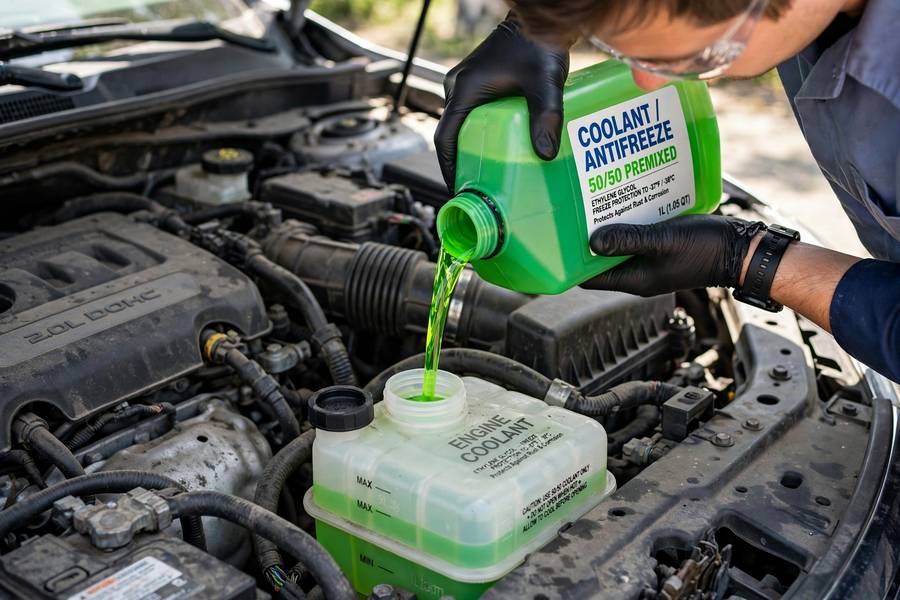
Pop quiz from the shop: what’s the most expensive fluid to neglect in your car? Most people say oil. The real answer might be coolant — because when cooling fails, it doesn’t just wear things out slowly. It can warp a cylinder head or crack an engine block in a single overheating episode. I’ve seen $5,000 engines killed by a $15 thermostat and ignored coolant.
So what does coolant do in a car, exactly? More than most drivers realize. It’s not just “anti-freeze” — it’s the thermal management system that keeps your engine alive in both -20°F winters and 110°F traffic jams. Let me explain the whole system the way I’d explain it across the shop counter.
Contents
- The Core Job: Moving Heat
- The Full Cooling Loop, Step by Step
- Why Not Just Use Water?
- Antifreeze, Coolant: What’s the Difference?
- The Types (and Why You Can’t Mix Them)
- Signs Your Cooling System Needs Attention
- When to Change Coolant
- The #1 Rule: Never Open a Hot Radiator
The Core Job: Moving Heat
Your engine is a controlled explosion machine. Only about a third of the fuel’s energy becomes motion — the rest becomes heat. Without cooling, internal temperatures would climb past 1,000°F and melt the engine into modern art within minutes.
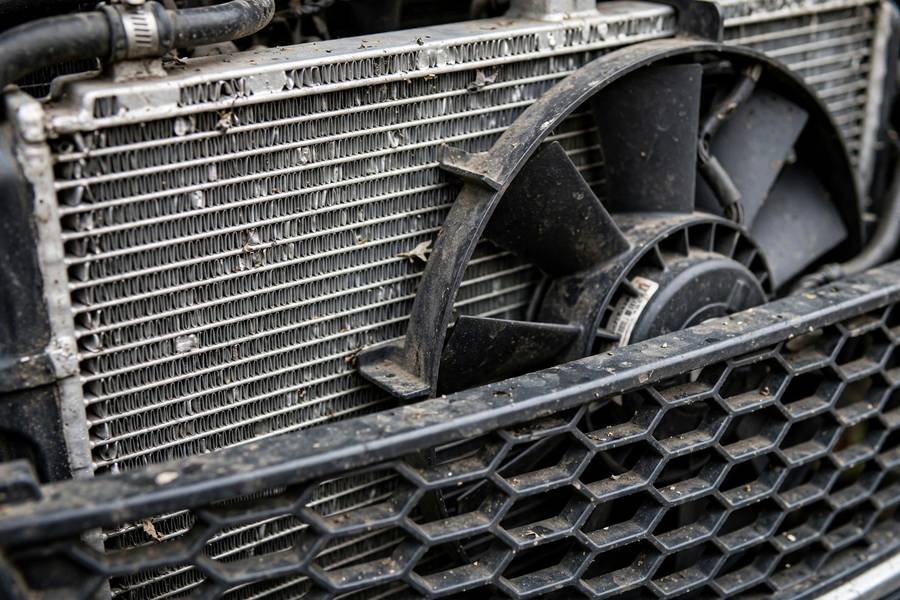
Coolant’s job: absorb that heat from the engine and dump it into the air. It circulates through passages in the engine block and cylinder head, picks up heat, flows to the radiator at the front of the car, releases the heat through the radiator’s fins (helped by the fan and forward motion), and cycles back. Over and over, thousands of times per drive.
It also does three secondary jobs people forget: – Lubricates the water pump seals – Prevents corrosion inside the engine’s metal passages (with chemical inhibitors) – Heats your cabin — that lovely warm air in winter is engine heat, delivered via coolant through the heater core
The Full Cooling Loop, Step by Step
Follow a drop of coolant around the system:
- Water pump pushes coolant into the engine block’s passages (the pump is usually belt-driven; electric on some newer cars).
- Coolant absorbs heat as it flows around the cylinders and through the cylinder head.
- The thermostat — a temperature-sensitive valve — stays closed when the engine’s cold (so it warms up fast) and opens around 195–220°F to let coolant flow to the radiator.
- Hot coolant enters the radiator, flows through thin tubes surrounded by fins, and sheds heat to the passing air.
- The cooling fan pulls air through when the car isn’t moving fast enough (idling, traffic). Electric fans cycle on and off automatically.
- Cooled fluid returns to the engine. Repeat forever.
- The overflow reservoir handles expansion — coolant expands when hot, and the reservoir catches the overflow, then feeds it back as things cool.
Every component matters. A stuck thermostat, dead fan, clogged radiator, or failed water pump all produce the same result: the temperature gauge climbs, and you’re in trouble.
Why Not Just Use Water?
Water actually transfers heat better than antifreeze. So why not run pure water? Three reasons, all decisive:
It freezes. Water expands when it freezes, and expanding ice inside an engine block cracks it. That’s a destroyed engine from one cold night. Antifreeze (ethylene glycol) drops the freezing point to around -34°F at 50/50 mix.
It boils too easily. Pure water boils at 212°F; engines run near that. A 50/50 antifreeze mix raises the boiling point to about 223°F (higher under the system’s pressure — the radiator cap pressurizes the system, raising it further to ~260°F).
It corrodes. Water + dissimilar metals (aluminum heads, iron blocks, copper radiators) = galvanic corrosion eating your engine from the inside. Coolant contains corrosion inhibitors that water lacks.
In an emergency, topping off with water to reach a shop is fine. Running on water long-term is engine suicide.
Antifreeze, Coolant: What’s the Difference?
Terminology cleanup, because even parts stores mix these up:
- Antifreeze = the concentrated chemical (ethylene glycol or propylene glycol). Sold undiluted.
- Coolant = antifreeze mixed with water (usually 50/50), which is what actually goes in your car.
In practice, everyone says “coolant” for both. Pre-mixed 50/50 coolant is what most people should buy — no measuring, no mistakes. Concentrate is cheaper per gallon but you must mix it with distilled water (never tap water — minerals cause deposits).
The Types (and Why You Can’t Mix Them)
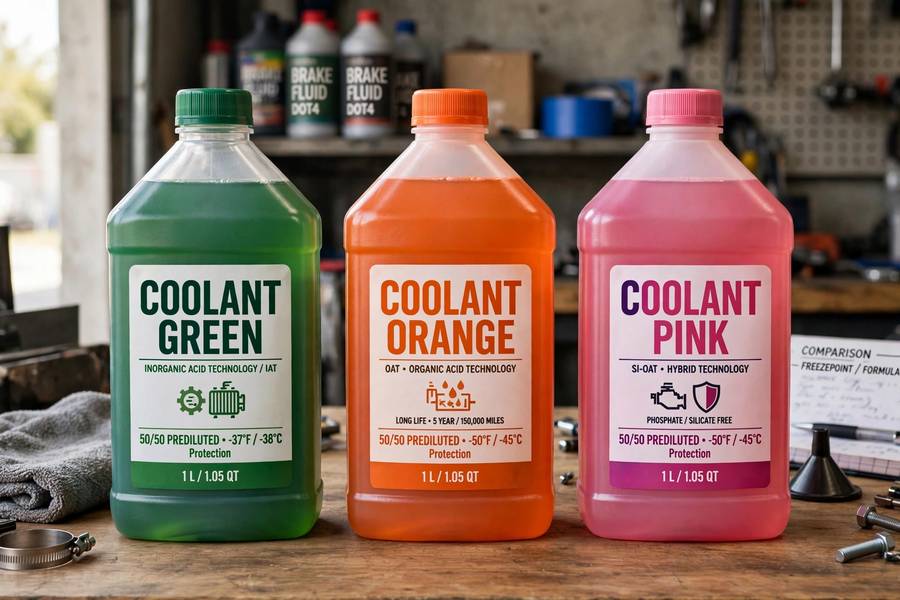
This is where people get into expensive trouble. Coolant comes in different chemistries, color-coded (roughly):
- IAT (Inorganic Acid Technology) — traditional green. Older cars. 2-year/30,000-mile life.
- OAT (Organic Acid Technology) — orange/red (Dex-Cool). GM and others. 5-year/150,000-mile life.
- HOAT (Hybrid OAT) — yellow, turquoise, pink depending on brand. Ford, Chrysler, many European and Asian cars.
- P-HOAT / Si-OAT — pink/blue variants for Toyota, Honda, VW/Audi, BMW.
The rule: use what your manufacturer specifies, and don’t mix types. Mixing incompatible chemistries can cause the inhibitors to drop out as gel-like sludge that clogs the radiator and heater core. I’ve cleaned that sludge out of systems — it’s miserable work.
Color is a hint, not a rule — always go by the specification in your manual (e.g., “MS-12106” or “G13”), not the color in the bottle.
Signs Your Cooling System Needs Attention
From the shop, in order of “check this weekend” to “stop driving”:
- Temperature gauge creeping above normal — the earliest warning. Don’t wait for the red zone.
- Sweet smell (maple syrup-ish) around the car — that’s leaking coolant. Follow your nose to the source.
- Puddles — green, orange, or pink fluid under the car. Coolant, not oil.
- Heater blowing cold when it should be hot — often low coolant or air in the system.
- White steam from under the hood — pull over safely and shut it off. Now.
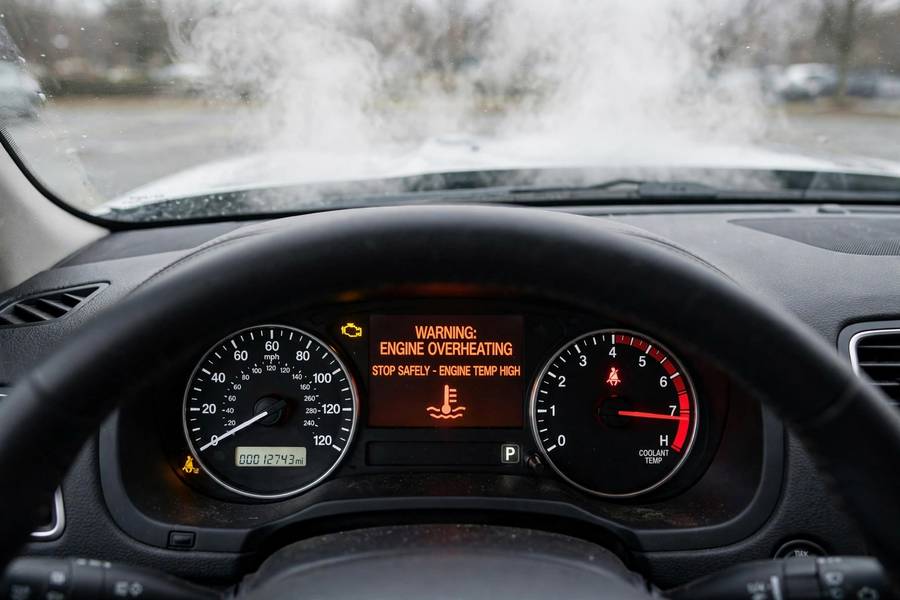
- Temperature in the red / warning light — engine off as soon as safely possible. Every minute in the red risks a warped head.
When to Change Coolant
| Coolant type | Interval |
|---|---|
| IAT (green, traditional) | 2 years / 30,000 miles |
| OAT/HOAT (long-life) | 5 years / 100,000–150,000 miles |
Even “long-life” coolant degrades — the corrosion inhibitors deplete, the pH shifts, and protection fades. I drain long-life coolant at 5 years regardless of miles. A coolant flush/exchange runs $100–150 at a shop — trivial against the cost of a corroded radiator or overheated engine.
Between changes: check the reservoir level monthly (cold engine — the level marks are for cold). Top off with the correct pre-mixed coolant. If you’re topping off frequently, there’s a leak — find it.
The #1 Rule: Never Open a Hot Radiator
I’m ending with this because it sends people to the emergency room every year: never remove the radiator cap on a hot engine. The system is pressurized — opening it releases scalding coolant explosively. Wait until the engine is completely cool (an hour minimum), squeeze the upper hose to confirm no pressure, then open slowly with a rag.
Coolant is also toxic (ethylene glycol tastes sweet — keep it away from pets and kids, and clean up spills). Propylene glycol types are less toxic but still not drinks.
Understand your cooling system instead of fearing it. It’s one of the simpler systems on the car — pump, thermostat, radiator, fan — and almost every failure gives you warning first. Two more basics worth knowing: what cruise control is actually doing when you engage it, and how to jump start a car for the morning the battery gives up. Learn the warnings, respect the intervals, and your engine will never have to find out what 1,000°F feels like.
Frequently Asked Questions
Coolant absorbs heat from the engine, carries it to the radiator where it’s released into the air, and circulates back. It also prevents freezing in winter, raises the boiling point, prevents internal corrosion, lubricates the water pump, and provides cabin heat.
Antifreeze is the concentrated chemical (ethylene or propylene glycol); coolant is antifreeze mixed with water (usually 50/50) — the actual fluid in your car. Pre-mixed coolant is the simplest choice for most drivers.
No — mixing incompatible coolant chemistries (IAT, OAT, HOAT) can cause inhibitors to form sludge that clogs the radiator and heater core. Always use the type your manufacturer specifies and check the spec, not just the color.
Traditional green (IAT) coolant: every 2 years/30,000 miles. Long-life OAT/HOAT: every 5 years/100,000–150,000 miles. Check the reservoir level monthly and top off with the correct pre-mixed coolant.
The pressurized system can explosively release scalding coolant, causing severe burns. Always wait until the engine is completely cool (at least an hour), verify no pressure by squeezing the upper hose, and open slowly with a rag.