Para Asian Games 2026 Guide: Japan Hosts for the First Time — Dates, 18 Sports and How Classification Works


1,650 athletes competed in Hangzhou; Aichi-Nagoya expects 3,600 to 4,000 — your complete guide to the fifth Para Asian Games.
The 5th Asian Para Games open in Aichi-Nagoya, Japan, on 18 October 2026, bringing together thousands of athletes with disabilities from across Asia for seven days of competition. India’s Sports Ministry has approved a 166-athlete contingent, while Pakistan will send a 16-member squad led by Paralympic gold medallist Haider Ali. Here is everything you need to know about the event, how it differs from the Asian Games, and how para-sport classification works.
Quick Read
- The fifth Para Asian Games run October 18–24, 2026 in Aichi-Nagoya — the first edition hosted by Japan.
- Between 3,600 and 4,000 athletes from 45 Asian committees will compete across 18 sports, all of them on the Paralympic programme.
- A reported 492 medal events will be contested, led by para athletics (162 events) and para swimming (114).
- Judoka will compete at the birthplace of judo, and Aichi’s para table tennis arena seats 10,000.
What are the Asian Para Games?
The Asian Para Games — also called the Para Asiad — are the biggest para-sport event in Asia and the second-largest multi-sport para event in the world after the Paralympic Games. They are regulated by the Asian Paralympic Committee and are held every four years, shortly after the Asian Games, in the same host region.
The Games were first held in 2010 in Guangzhou, China. Since then, the event has followed the Olympic-Paralympic model of pairing: the Asian Games bring together all athletes, and the Asian Para Games follow for athletes with disabilities, using many of the same venues. The 2022 edition was postponed to 2023 because of the COVID-19 pandemic, so the 2026 Games return the event to its regular four-year cycle.
When and where are the 2026 Games?
The 5th Asian Para Games take place in Aichi Prefecture and the city of Nagoya, Japan, from 18 to 24 October 2026, with the opening ceremony on 18 October and the closing ceremony on 24 October. Nagoya is the first Japanese city to host the event.
According to the Asian Paralympic Committee’s official announcement, the Games are expected to welcome 3,600 to 4,000 athletes from the 45 Asian national Paralympic committees. Athletes will compete in the same venues that hosted the Asian Games a few weeks earlier, and the 2026 programme has a notable feature: all 18 sports are also on the Paralympic Games programme, something that was not true of earlier editions.
The Games’ official motto is “Imagine One Heart”, and the main venue is the Paloma Mizuho Stadium, which will host the ceremonies and para athletics.
Which sports are included?
The 18 sports on the Aichi-Nagoya 2026 programme are:
1. Para Archery
2. Para Athletics
3. Para Badminton
4. Blind Football
5. Boccia
6. Para Cycling (track and road)
7. Goalball
8. Para Judo
9. Para Powerlifting
10. Shooting Para Sport
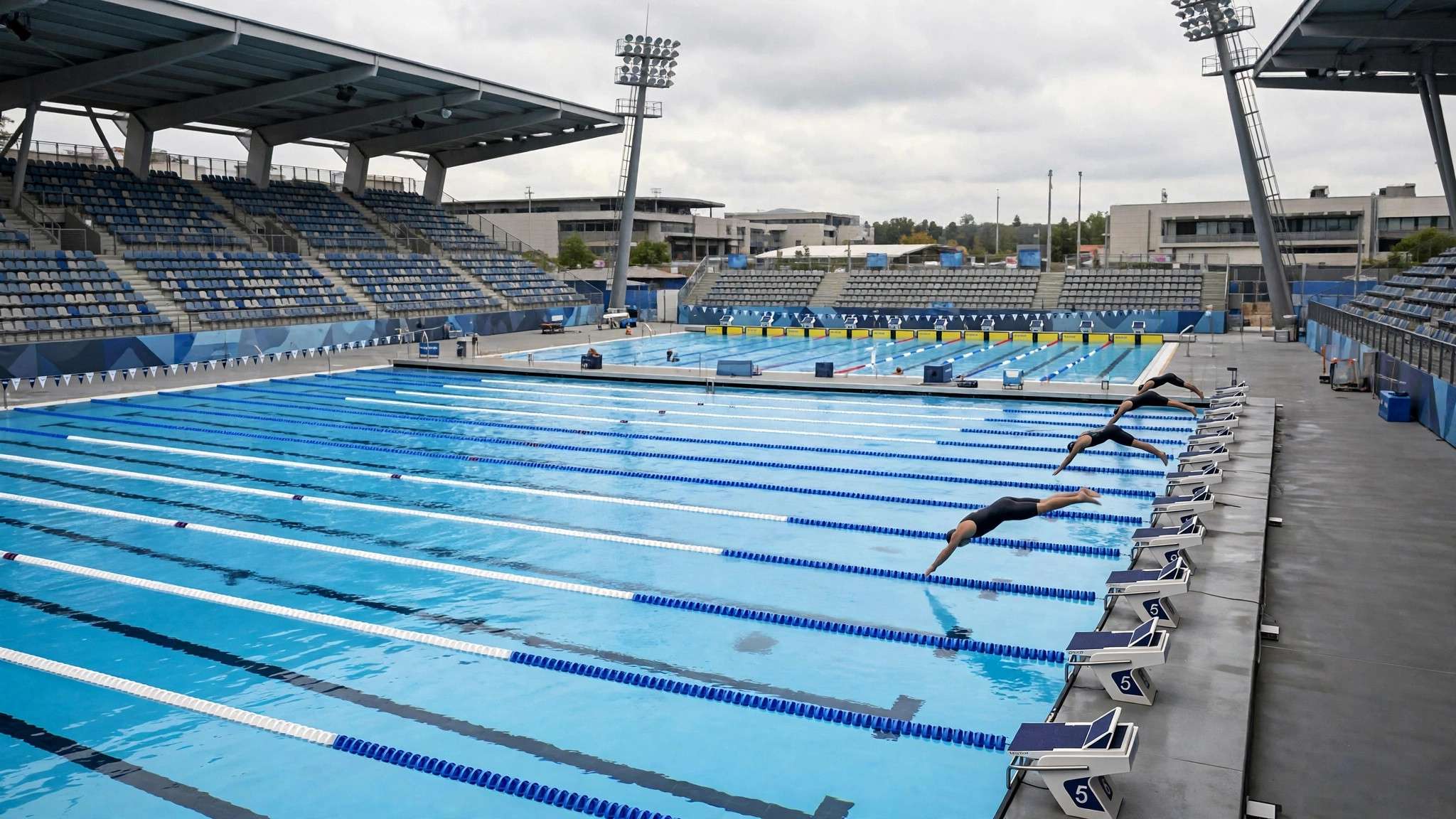
11. Para Swimming
12. Para Table Tennis
13. Para Taekwondo
14. Sitting Volleyball
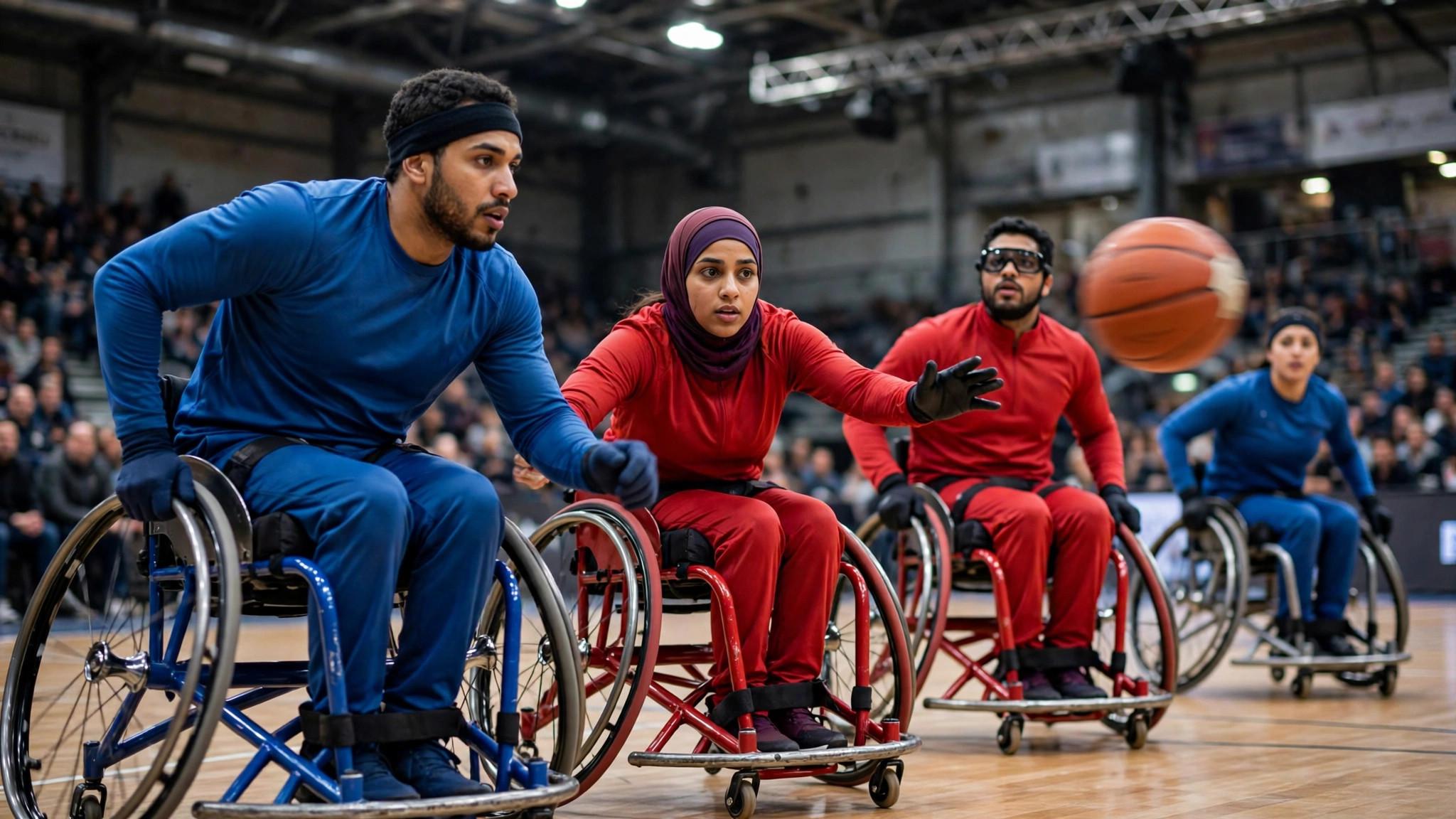
15. Wheelchair Basketball
16. Wheelchair Fencing
17. Wheelchair Rugby
18. Wheelchair Tennis
Across these sports, a reported 492 medal events will be contested. Para athletics (162 events) and para swimming (114 events) are the largest programmes, followed by para table tennis (37), para badminton (22) and wheelchair fencing (21).
For readers new to para sport, a few of these deserve a quick explanation. Boccia is a precision ball sport, related to bocce, played by athletes with severe physical impairments. Goalball is played by athletes with visual impairments, using a ball with bells inside, with all players wearing eyeshades to equalise sight levels. Blind football is five-a-side football for visually impaired players, with guides behind the goals. Sitting volleyball follows standard volleyball rules but with a lower net and smaller court, played seated.
Asian Games vs Asian Para Games: what is the difference?
The two events are siblings, run by different organisations for different fields of athletes:
- Asian Games — organised by the Olympic Council of Asia, for all athletes. The 20th Asian Games were held in Aichi-Nagoya earlier in the autumn of 2026.
- Asian Para Games — organised by the Asian Paralympic Committee, for athletes with disabilities. They follow the Asian Games in the same host region and reuse many of the same venues.
Both run on a four-year cycle, and both serve as major stepping stones: the Asian Para Games sit between the Paris 2024 and Los Angeles 2028 Paralympic Games, giving athletes a large-scale multi-sport environment to test their progress, in the words of the Asian Paralympic Committee’s president.
How does classification work in para sport?
One of the most important concepts in para sport is classification. Because athletes have different types and degrees of impairment, a single race or match would not be fair without a system to group competitors.
Classification assesses how an athlete’s impairment affects their ability to compete in a specific sport, and groups athletes into “sport classes” so that those with similar levels of impairment compete against each other. The process is carried out by trained classifiers — usually medical and technical experts — who examine the athlete and observe them in competition. Classification is sport-specific: a class in athletics does not transfer to swimming, because different impairments affect different sports differently.
Most para sports use a letter-and-number system. In athletics, for example, “T” classes are for track events and “F” for field events, with numbers indicating the type and severity of impairment. In swimming, classes run from S1 to S10 for physical impairments, with lower numbers indicating more severe limitations. Athletes may be re-classified over time as their condition or the rules change.
The goal of the system is simple: success should be decided by training, talent and tactics — not by who has the least severe impairment.
Who is competing?
Squads are still being finalised, but the early headlines show the scale of participation. India’s Sports Ministry has approved a 166-athlete contingent for the Games, which open on 18 October in Aichi-Nagoya.
Pakistan will send a 16-member contingent competing in four disciplines, led by Haider Ali, the Tokyo Paralympic Games gold medallist who is targeting another medal in Nagoya.
With 45 national committees expected overall and 3,600 to 4,000 athletes, the 2026 edition is set to be one of the largest Asian Para Games yet.
For another major sporting event coming to Asia, see how the Cricket World Cup 2027 tickets ballot works.
The 5th Asian Para Games run from 18 to 24 October 2026 in Aichi Prefecture and Nagoya, Japan. The opening ceremony is on 18 October and the closing ceremony on 24 October.
Eighteen sports, with a reported 492 medal events. All 18 are on the Paralympic Games programme. The largest programmes are para athletics (162 events) and para swimming (114 events).
The Asian Games (run by the Olympic Council of Asia) are for all athletes; the Asian Para Games (run by the Asian Paralympic Committee) are for athletes with disabilities. The Para Games follow the Asian Games in the same host region and reuse many of the same venues.
Trained classifiers assess how each athlete’s impairment affects their performance in their specific sport, then group athletes into sport classes so competitors with similar levels of impairment race or play against each other. Classes are sport-specific and can be reviewed over time.
India’s Sports Ministry approved a 166-athlete contingent. Pakistan’s 16-member, four-discipline squad is led by Haider Ali, the Tokyo Paralympic Games gold medallist.
What’s Next
After Aichi-Nagoya, the movement's focus shifts to the Los Angeles 2028 Paralympic Games — for many athletes competing in Japan, a medal here is the qualifying step that gets them there.