


Daycare is one of the few businesses where demand structurally exceeds supply in most markets. Parents need care, waitlists are real, and good providers fill up. But it’s also one of the most regulated small businesses you’ll ever run — for good reason. You’re caring for children.
I’ve seen the economics up close. The winners understand something the dreamers miss: parents aren’t buying childcare, they’re buying trust and peace of mind. Every decision — from your facility to your staff to your daily photo updates — should serve that single purchase.
Table of Contents
- Home-Based vs Center: Choose Your Model
- Licensing: The Gate You Must Pass
- Startup Costs (Both Models)
- Ratios and Capacity: The Math of Enrollment
- Pricing: What Parents Actually Pay
- Staffing: The Trust Business
- Marketing: How Daycares Actually Fill Up
- Frequently Asked Questions

Home-Based vs Center: Choose Your Model
Home-based (family child care). You care for a small group in your home — typically 6-12 children depending on state. Startup: $5,000-$25,000. Lower overhead, simpler licensing in most states, and you keep nearly all revenue. The trade: your home is a workplace, capacity is capped, and you’re the entire operation.
Childcare center. A dedicated facility serving 20-100+ children. Startup: $100,000-$500,000+. Higher revenue ceiling, staff leverage, real business asset. The trade: commercial lease, heavy regulation, payroll complexity, and 6-12 months to fill enrollment.
The hybrid path most successful operators take: start home-based, build reputation and waitlist, then open a center with pre-sold demand. It de-risks the big investment enormously.
Choose based on capital, risk tolerance, and whether you want a job (home-based) or a business (center). Both are legitimate; they’re just different games.
Licensing: The Gate You Must Pass
This is the part that stops the unprepared. Childcare licensing is state-run, detailed, and non-negotiable.
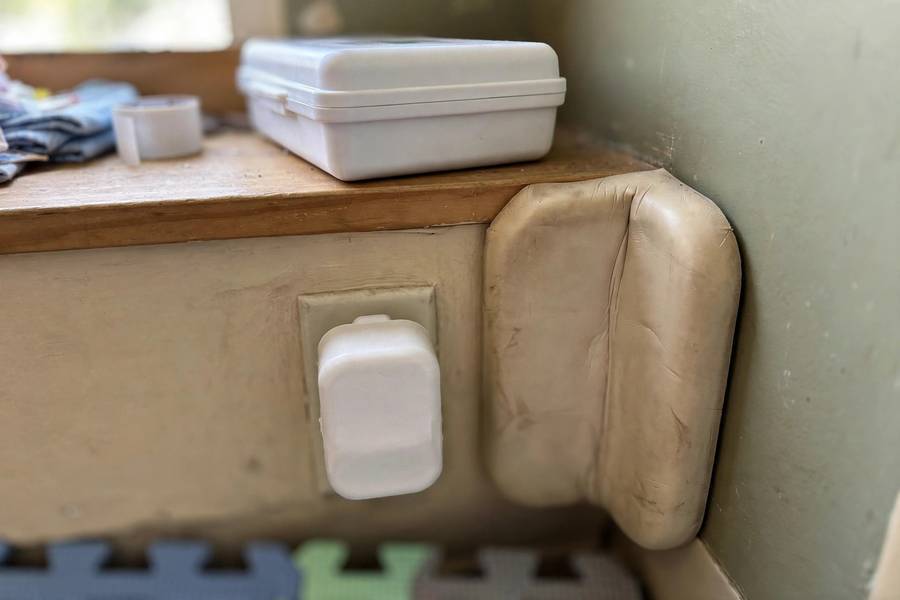
Typical requirements: – License application with background checks (FBI fingerprinting in most states) for you and every adult in the home (home-based) or all staff (centers) – Health and safety inspection — fire exits, outlet covers, fenced outdoor areas, safe sleep practices for infants, sanitation standards – Training hours — CPR/first aid certification plus state-mandated childcare training (often 15-40 hours pre-licensing, plus annual continuing education) – Ratio compliance — strict staff-to-child ratios by age group (see below) – Zoning approval — home-based providers often need a home occupation permit; centers need commercial zoning – Insurance — liability coverage; some states mandate minimums
Timeline: 3-6 months from application to license in most states, longer if inspections require corrections. Start the process before you spend serious money on setup — a failed inspection on a fully built-out space is an expensive lesson.
The unlicensed trap: operating without a license (beyond small legal exemptions like caring for relatives) risks fines, shutdown orders, and — worst case — liability exposure if a child is injured. It’s not worth it. Get licensed.
Startup Costs (Both Models)
Home-based ($5,000-$25,000): – Safety modifications (gates, outlet covers, fencing): $1,000-$4,000 – Furniture and equipment (cribs, high chairs, mats, toys): $2,000-$8,000 – Licensing, background checks, training: $500-$2,000 – Insurance (annual): $500-$1,500 – Initial supplies and curriculum materials: $1,000-$3,000
Center ($100,000-$500,000+): – Lease deposits + buildout to code: $50,000-$250,000 – Commercial-grade furniture, playground equipment: $20,000-$80,000 – Licensing, legal, architectural plans: $10,000-$30,000 – Initial staffing (hired before opening): $20,000-$60,000 – Working capital (6 months): $50,000-$150,000
The buildout-to-code is where centers bleed: commercial kitchens, ADA bathrooms, sprinkler systems, egress windows. Get a contractor who’s done childcare facilities before — residential contractors underestimate the code requirements consistently.

Ratios and Capacity: The Math of Enrollment
State-mandated staff-to-child ratios define your entire business model. Typical US ratios:
- Infants (0-12/18 months): 1:3 or 1:4
- Toddlers (18-36 months): 1:4 to 1:6
- Preschool (3-5 years): 1:8 to 1:12
- School-age: 1:10 to 1:15
These ratios are why infant care is expensive and scarce: one caregiver for 3-4 babies means labor cost per child is highest. Many centers limit infant spots or charge premiums — it’s math, not greed.
Capacity planning: your licensed capacity × realistic occupancy (85-90% — you’ll never be 100% full with staggered schedules) × weekly rate × 52 = gross revenue ceiling. Run this before signing anything. If the ceiling doesn’t clear your costs with margin, the location or model is wrong.
Pricing: What Parents Actually Pay
National averages (vary enormously by market): – Infant care: $250-$450/week ($13,000-$23,000/year) – Toddler: $200-$350/week – Preschool: $175-$300/week
Urban coastal markets run 50-100% above these; rural markets below. Price at your market’s 60th-75th percentile if your quality justifies it — the cheapest provider competes on price (a losing game); the best compete on trust.
Pricing structure tips: – Weekly or monthly billing, autopay mandatory — chasing payments destroys margins and morale – Annual contracts or deposits to reduce churn – Sibling discounts (10%) — common expectation – Late pickup fees, clearly stated — boundaries are part of professionalism – Annual 3-5% rate increases, communicated early — costs rise; pretending otherwise just compresses your margin silently
The entrepreneurial pricing discipline in how to become an entrepreneur applies here: price for the business you need, communicate value relentlessly.
Staffing: The Trust Business
Your staff IS the product. Parents entrust you with their children — the hiring bar should reflect that.
- Hire for warmth + reliability, train for curriculum. You can teach lesson planning; you can’t teach genuine care.
- Pay above market. Childcare wages are notoriously low industry-wide, which means modest premiums buy loyalty. Turnover destroys parent trust — every new face is a re-evaluation moment for families.
- Background checks are table stakes. Go beyond: reference calls to former employers, trial working days, and gut-check interviews.
- Ratios are minimums, not targets. Staffing slightly above ratio (a floater for breaks, illness coverage) prevents the cascade failure when one person calls in sick.
- Invest in your lead teachers. They’re your retention engine — for both children and parents. Career paths, training budgets, and recognition keep them.
Labor will run 60-70% of revenue — the highest of any business model in this guide series. That’s the reality of a trust-and-care business. The margin comes from full enrollment and premium pricing earned through reputation, not from cheap labor.
Marketing: How Daycares Actually Fill Up
Daycare marketing is almost entirely trust marketing:
- Google Business Profile + reviews. “Daycare near me” is the #1 discovery channel. Fifty genuine 5-star reviews from parents is worth more than any ad campaign.
- Parent referrals. Formalize it — tuition credits for referrals. Nothing converts like a trusted friend’s recommendation.
- Tours that sell. The tour is the sale. Clean facility, warm greeting, articulate philosophy, children visibly happy and engaged. Have a structured tour flow; don’t wing it.
- Waitlist as asset. A waitlist isn’t lost business — it’s proof of demand and a marketing tool (“currently enrolling for fall — 3 spots left”).
- Community presence. Pediatrician offices, parent groups, local Facebook groups, library story times. Be where parents already gather.
- Daily updates for enrolled families. Photo apps (Brightwheel, Procare) showing their child’s day. This is retention marketing — happy parents refer, and they stay.
What doesn’t work: discounting to fill spots (attracts price-shoppers who leave), and generic advertising without reviews to back it up. Trust first, always.
For the broader venture-building framework, see what a startup actually is. More operational guides in what branding actually means.
Frequently Asked Questions
Home-based daycare: $5,000-$25,000. A childcare center: $100,000-$500,000+, with commercial buildout-to-code and 6 months working capital being the biggest costs. Licensing takes 3-6 months, so start the process early.
In almost all cases, yes. Requirements include background checks, health and safety inspections, CPR/first aid certification, mandated training hours, and compliance with staff-to-child ratios. Operating unlicensed risks fines and shutdown.
Yes, at full enrollment with proper pricing — net margins of 10-20% are achievable. But labor runs 60-70% of revenue, so profitability depends on maintaining 85%+ occupancy and pricing at your market’s upper-middle range. Empty spots are the profit killer.
Common US ratios: infants 1:3 or 1:4, toddlers 1:4 to 1:6, preschool 1:8 to 1:12, school-age 1:10 to 1:15. Ratios vary by state and define your capacity and labor costs — they’re the core math of the business.
Primarily through Google reviews (“daycare near me” searches), parent referrals, and facility tours. A strong review profile and referral program outperform paid advertising. Daily photo updates for enrolled families drive retention, which drives referrals.