How to Get Gum Out of Clothes: 7 Proven Methods

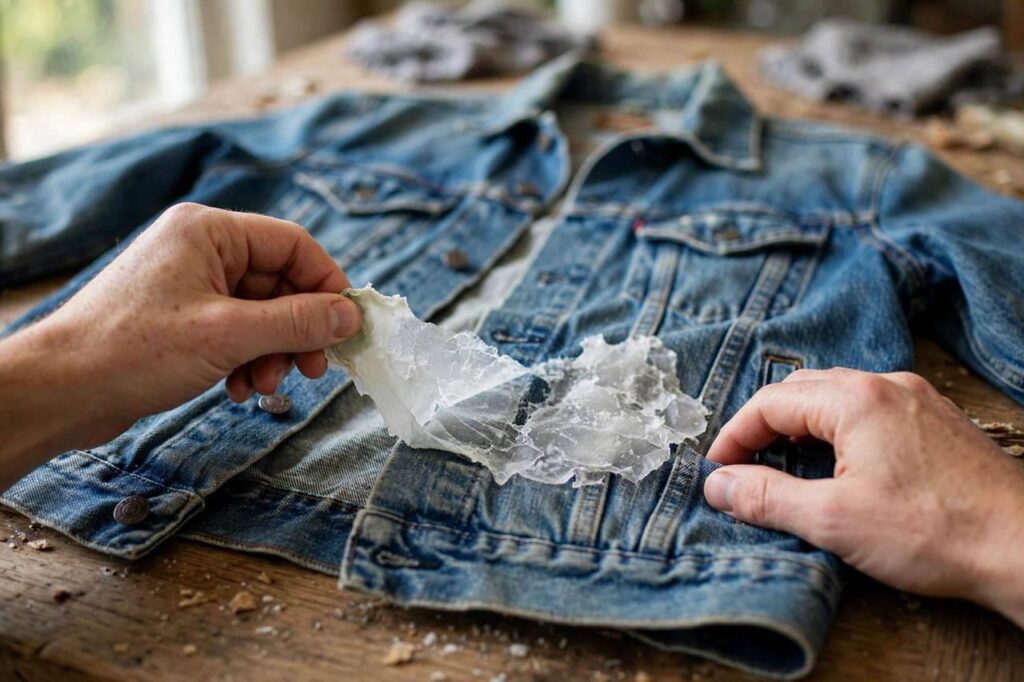
Every parent has lived this moment: you pull laundry from the dryer and find a wad of gum melted into someone’s favorite shirt — or worse, smeared across half a load. Don’t panic, and definitely don’t throw the garment away. Learning how to get gum out of clothes is mostly about one rule: never use heat (dryer, iron, hot water) until the gum is completely gone, because heat bonds gum to fabric fibers permanently.
I’ve rescued everything from school uniforms to silk blouses over the years. The method you choose depends on the fabric, so let’s rank them from gentlest to strongest and match each to the right material.
Method 1: The Freezer (Best First Try for Most Fabrics)
Freezing is the safest, simplest method and it works on almost everything — denim, cotton, polyester, school uniforms. Gum gets brittle when frozen, and brittle gum cracks off instead of stretching deeper into fibers.
Put the garment in a plastic bag (gum-side out so it doesn’t stick to the bag) and leave it in the freezer for 2–3 hours, or overnight for thick wads. Take it out and immediately — while still frozen — scrape the gum off with a butter knife, old credit card, or your fingernail. Work from the edges inward. Most of the gum should pop off in chunks.
For large items that won’t fit in the freezer (a couch cushion cover, a jacket), press a zip-lock bag of ice cubes directly onto the gum for 20–30 minutes to freeze it in place, then scrape the same way. This is my go-to first attempt for about 80% of gum situations.
Method 2: Ice Cubes for Spot Treatment
If the freezer feels like overkill or the garment can’t be bagged easily, ice cubes do the same job locally. Hold ice directly on the gum (a bag keeps meltwater off the fabric) for 15–20 minutes until the gum hardens completely, then scrape.
This method shines for small, fresh spots — gum you just sat on, a piece stuck to a sleeve. It’s also the right call for delicate fabrics where you want maximum control and minimum chemical exposure. The limitation is patience: thick gum needs sustained cold, and holding ice gets tedious. For those cases, the freezer method wins.
Method 3: Iron + Paper Bag (Best for Dried, Ground-In Gum)
When gum has been through the dryer (we’ve all been there) or ground deep into fabric, freezing alone may not finish the job. The heat-transfer method melts the gum out of the fibers and into something absorbent instead.
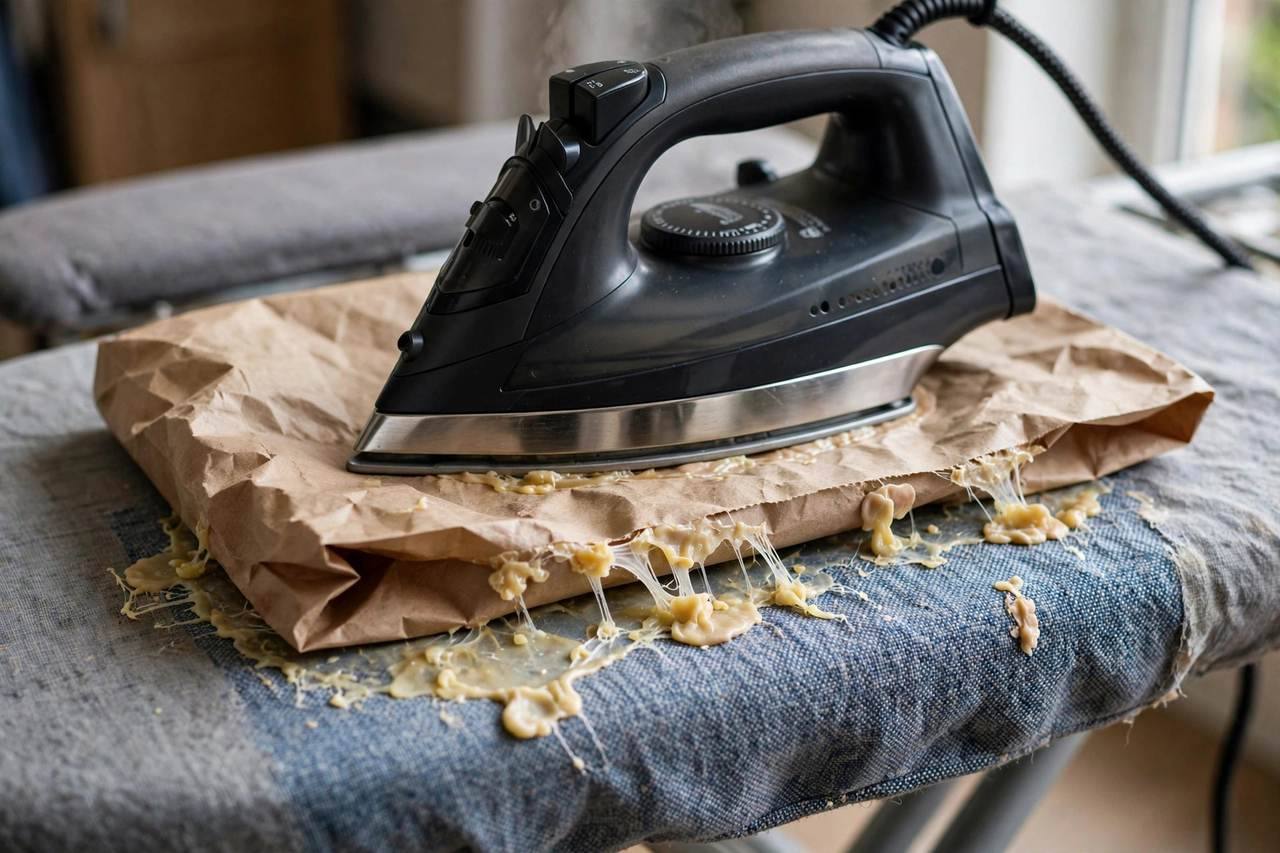
Place the garment gum-side down on a brown paper bag or plain paper towels. Set your iron to medium heat (no steam) and press it over the back of the fabric. The heat melts the gum, and the paper absorbs it. Move to a clean section of paper and repeat until no more transfers. This works beautifully on cotton, denim, and sturdy synthetics.
Critical rules: never iron directly on the gum, never use printed paper (ink transfers), and test on an inconspicuous spot first. Do not use this on silk, wool, or heat-sensitive synthetics like acetate — you’ll damage the fabric faster than the gum did.
Method 4: Rubbing Alcohol or Vinegar (Best for Residue)
Once the bulk of the gum is off, a sticky residue often remains. Rubbing alcohol (isopropyl) dissolves gum residue without harming most fabrics. Soak a cotton ball, press it onto the residue for a minute, then rub gently. The gum should ball up and lift away.
White vinegar works similarly: soak the spot in undiluted white vinegar for 5–10 minutes, then scrape and rinse. Vinegar is gentler and a good choice when you’re nervous about chemicals, though slightly less effective on stubborn residue.
Always test solvents on a hidden seam first — especially on dark or delicate fabrics. And work in a ventilated area; rubbing alcohol fumes are no joke in a closed laundry room.
Method 5: Peanut Butter or Oil (The Weird One That Works)
This sounds like an old wives’ tale, but the science is sound: gum is hydrophobic, and oils break down its stickiness. Rub creamy peanut butter (or coconut oil, olive oil, or even mayonnaise) into the gum, let it sit for 10–15 minutes, then scrape the loosened gum away.
The catch: you’re trading gum for a grease stain, so this method demands a follow-up. After removing the gum, treat the oily spot with dish soap or a degreasing stain remover before washing. I only recommend this for sturdy washable fabrics — cotton, denim — where a grease stain is an easy fix. Never use it on silk, wool, or anything you can’t wash thoroughly afterward.
Method 6: Commercial Gum Removers and Goo Gone
Products like Goo Gone and dedicated gum removers are formulated for exactly this job and work well on stubborn cases. Apply per the label, let it penetrate, scrape, then wash. They’re particularly useful on upholstery and items you can’t easily freeze or iron.
Two cautions: these are petroleum-based, so they can stain delicate fabrics and leave their own residue if not washed out properly. And keep them away from anything labeled dry-clean-only unless the label says otherwise. For most washable clothes, though, they’re a reliable plan B.
Method 7: Hair Dryer (Controlled Heat for Delicate Spot Work)
A hair dryer on medium heat, aimed at the gum for 30–60 seconds, softens it just enough to peel away — with far more control than an iron. This is useful for delicate fabrics where you want gentle, localized heat, and for gum stuck in seams or textured areas where scraping is awkward.
Peel the softened gum with tweezers or a dull knife, working slowly. The key word is controlled: keep the dryer moving, don’t overheat one spot, and stop the moment the fabric feels hot. Follow up with rubbing alcohol for any residue.
Matching the Method to Your Fabric
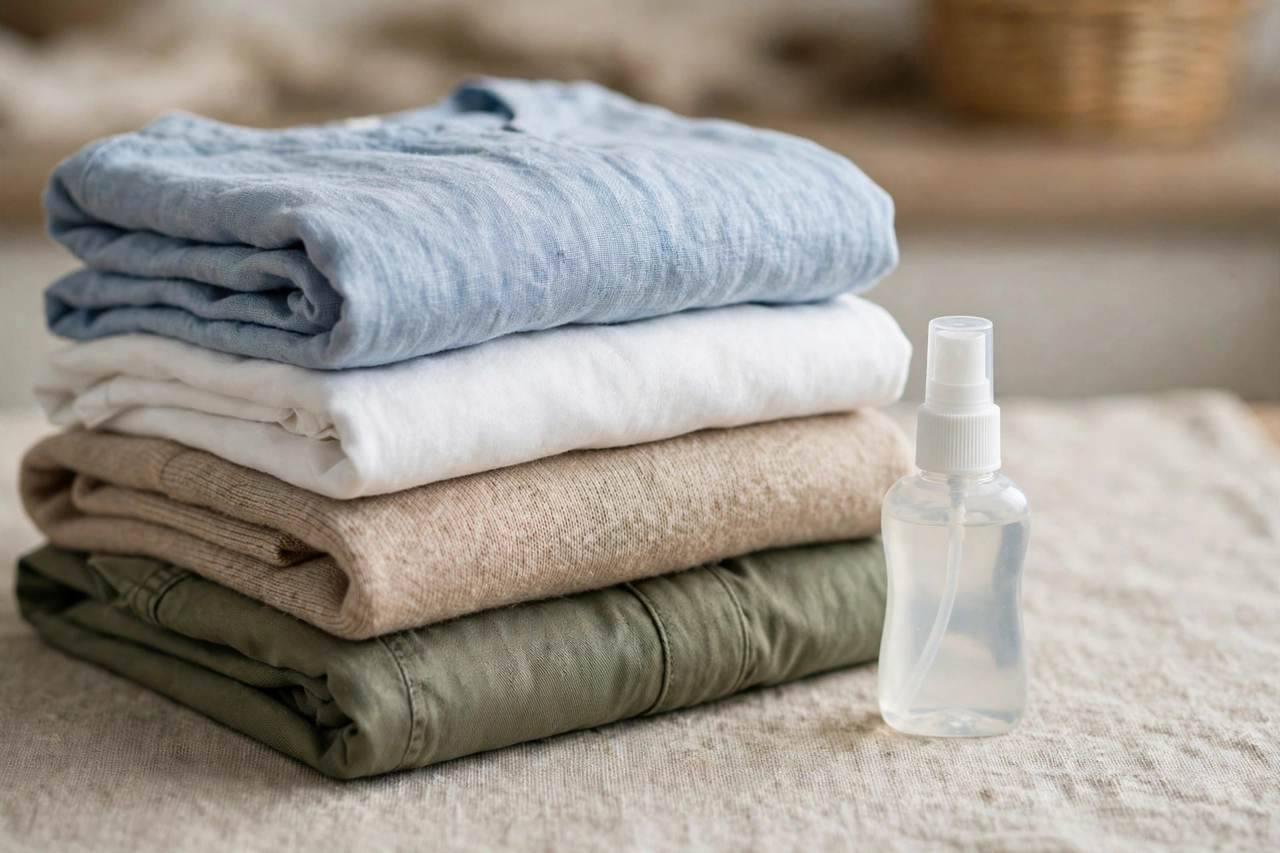
Denim and cotton: Start with the freezer; finish with iron-and-paper for stubborn cases. These fabrics handle every method well.
Polyester and synthetics: Freezer or ice first. Use the iron only on low heat and test first — synthetics melt. Rubbing alcohol is usually safe.
Wool: Freezer method only, then gentle scraping. Avoid heat, avoid vigorous rubbing (it felts the fibers), and consider professional cleaning for valuable pieces.
Silk and delicates: Ice cubes and patience. Test any solvent on a hidden area. When in doubt, take it to a dry cleaner and point out the spot — they’ve seen it a thousand times.
Dry-clean-only: Don’t DIY with heat or solvents. Freeze-scrape gently if you must, then let the professionals handle the rest.
The Dryer Warning (Read This Twice)
The single most important rule of gum removal: keep the garment out of the dryer until every trace of gum is gone. Dryer heat doesn’t just fail to remove gum — it melts it deeper into the fibers and can spread it to other clothes in the load. Air-dry the garment after treatment, inspect it in good light, and only machine-dry when you’re certain the gum is fully gone. If you discover gum after a dryer cycle, the iron-and-paper method is your best rescue option.
How to Get Gum Out of Clothes: Picking the Right Method
With seven methods on the table, here’s how to get gum out of clothes without second-guessing. Fresh gum on sturdy fabric (denim, cotton, uniforms)? Freezer method — 2–3 hours, scrape while frozen. Done in most cases. Gum on something that won’t fit in the freezer? Ice cubes pressed on the spot for 20–30 minutes, then scrape. Gum that’s been through the dryer or ground deep in? Iron-and-paper-bag method to melt it out, then rubbing alcohol for the residue.
Sticky residue left after the bulk is gone? Rubbing alcohol on a cotton ball (or white vinegar for a gentler option). Delicate fabric (silk, wool, dry-clean-only)? Ice and patience only — then a professional cleaner if needed. Never heat, never aggressive solvents. Nothing else worked? Commercial gum remover as plan B, or peanut butter/oil as plan C for washable fabrics (followed by dish soap on the grease spot).
And the universal rules that prevent disasters: test every solvent on a hidden seam first, work residue from the outside inward so you don’t spread it, and never — ever — put the garment in the dryer until you’re certain every trace of gum is gone. Air-dry, inspect in good light, then machine-dry with confidence.
Prevention, as always, beats cure. The dryer is where most gum disasters happen — a forgotten piece in a pocket melts across the whole load. Make “check pockets before the dryer” a household rule, especially with kids. A thirty-second pocket check saves hours of rescue work, and it’s the single habit that would put most gum-removal guides out of business.
FAQs
Does freezing really remove gum from clothes? Yes — freezing makes gum brittle so it cracks off fabric instead of stretching. It’s the safest first method for most fabrics. Leave the garment in the freezer 2–3 hours, then scrape while still frozen.
Can I use an iron to get gum out of clothes? Yes, with the paper-bag method: place the garment gum-side down on a brown paper bag and iron the back of the fabric on medium heat. The paper absorbs the melted gum. Never iron directly on gum, and avoid this on silk, wool, or heat-sensitive synthetics.
Will rubbing alcohol damage clothes? Rubbing alcohol is safe for most washable fabrics and effectively dissolves gum residue. Always test on a hidden seam first, especially with dark colors or delicates, and use it in a ventilated area.
How do you get gum out of clothes after it went through the dryer? Use the iron-and-paper-bag method to melt the gum out into absorbent paper, then treat residue with rubbing alcohol. Air-dry afterward and inspect before any future dryer use.
Does peanut butter really remove gum from fabric? Yes — oils break down gum’s stickiness. Rub it in, wait 10–15 minutes, scrape, then treat the resulting grease spot with dish soap before washing. Best for sturdy washable fabrics only.
What should I do if gum is on dry-clean-only clothing? Gently freeze-scrape what you can, then take it to a dry cleaner and point out the spot. Avoid home heat or solvent methods on dry-clean-only garments.