Cheap Summer Bucket List Ideas (Mostly Free)


The summer I was saving for a security deposit, my entertainment budget was $30 a month, and I was convinced I’d be miserable. Instead, it became one of my favorite summers ever — because having no money forced me to get creative, and creative turned out to be more fun than expensive. I swam in rivers instead of paying for day passes, hosted potlucks instead of restaurant dinners, and watched more sunsets that summer than in the five summers before it combined.
Here’s what I learned: most of the things that make summer feel like summer are free. Sunlight, water, long evenings, being outside with people you like — none of that has a price tag. The expensive stuff (concerts, vacations, fancy brunches) is nice, but it’s garnish. This list is the main course: 40+ cheap summer bucket list ideas, most completely free, none over about $10, organized so you can actually work through them.
My challenge to you: pick 20, write them on paper, stick it on the fridge. Cross them off all summer. Total cost if you do all 40: comfortably under $100. (For the full-price version with bigger adventures, see these summer bucket list ideas.)
In this guide:
- The Free Classics (Do These First)
- The Under-$5 Treats
- Eat Well for Almost Nothing
- Free Fun With Friends
- Solo Adventures That Cost Nothing
- Stretching It All Summer
The Free Classics (Do These First)
Start with the heavy hitters — the free experiences that people pay therapists to help them appreciate. Watch the sunrise from somewhere high at least once; it’s free, it’s spectacular, and being awake for it feels like a small superpower. Swim somewhere natural — a lake, river, ocean, or even a creek deep enough to float in. Natural swimming beats any pool, and it’s free.
Take a long walk somewhere you’ve never walked. Not a hike with a trailhead and a parking fee — just pick a neighborhood, a riverside path, or a park across town and explore it on foot for two hours. I do this in a new-to-me neighborhood every other Sunday in summer, and I’ve discovered bookshops, murals, gardens, and bakeries I’d never have found otherwise. Bring water and comfortable shoes; that’s the whole budget.
Stargaze properly. Drive or walk somewhere dark, bring a blanket, and look up for an hour. Download a free star-identification app first — learning three constellations turns “pretty sky” into an actual experience. Meteor showers are the jackpot: the Perseids peak around August 12th every year, and watching them from a blanket with a thermos of tea is one of summer’s great free luxuries.
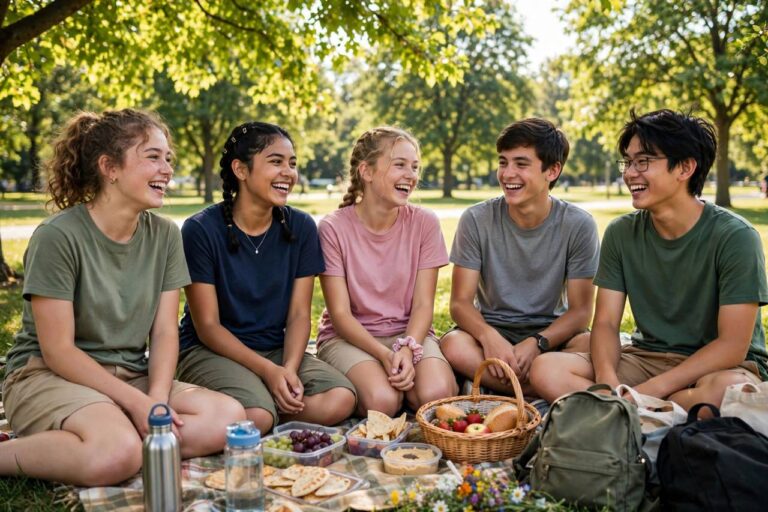
Other free classics for your list: have a picnic (food from home counts), read an entire book in one outdoor sitting, go fruit picking at a you-pick farm (you only pay for what you take, and a small bag of berries costs a few dollars), visit every park within a 30-minute radius, and take a free walking tour of your own city — you’ll learn things about the place you live that surprise you.
The Under-$5 Treats
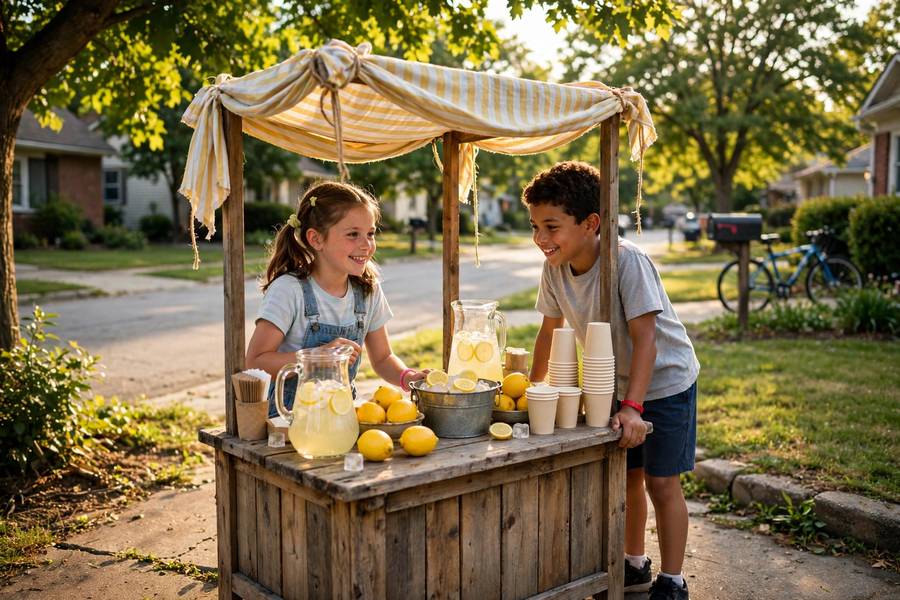
Some summer pleasures cost pocket change and deliver outsized joy. The ice cream truck, for one — when you hear that music, go. It’s $3-4 of pure nostalgia, and as an adult you can buy two without anyone judging. Lemonade stands run by neighborhood kids: always stop, always buy, always overpay a little. It’s the best dollar you’ll spend all summer.
Thrift store summer treasure hunts are my favorite rainy-day-cheap activity. Give yourself $5 and a theme — “the ugliest mug,” “a book by an author I’ve never heard of,” “something for the balcony” — and see what you find. I’ve furnished half my summer reading list and my entire collection of weird mugs this way.
A bag of sidewalk chalk ($2) turns any driveway or quiet street into a canvas — draw a hopscotch that spans the whole block, leave encouraging messages for neighbors, or challenge friends to a chalk-art contest. Water balloons ($3 for a pack of 100) need no explanation. And a $4 kite from the dollar store, flown on a genuinely windy day, is more fun than it has any right to be.
Eat Well for Almost Nothing
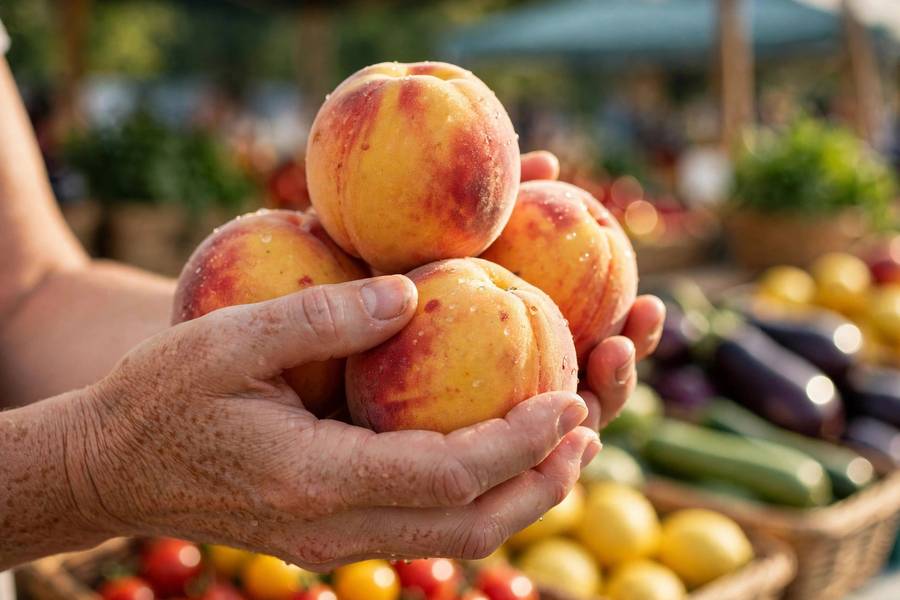
Summer food is cheap food if you play it right. Sweet corn, watermelon, tomatoes, peaches, and berries are at their cheapest and best in season — a farmers market at closing time often discounts produce rather than haul it back. I plan one “stone fruit feast” each July: $10 of peaches, plums, and cherries eaten outside with good bread and cheese. It feels decadent. It costs less than a takeout pizza.
Host a potluck instead of going out. (Level up your hosting with how to host a dinner party when you want to go beyond paper plates.) Everyone brings one dish, you provide the backyard or park pavilion, and six people eat like royalty for the cost of one dish each. Theme them to keep it interesting: taco potluck, breakfast-for-dinner potluck, “cook the weird vegetable” potluck. I’ve been to potlucks fancier than weddings and potlucks that were just excellent grilled cheese — both were perfect.
Learn one summer recipe that impresses people. Homemade ice cream without a churn (frozen bananas blended with cocoa — trust me), proper lemonade with real lemons, or grilled pizza on a $15 pizza stone. Master it, then deploy it all summer. Being “the person who makes incredible lemonade” is a better social investment than any amount of bar spending.
The $10 dinner party
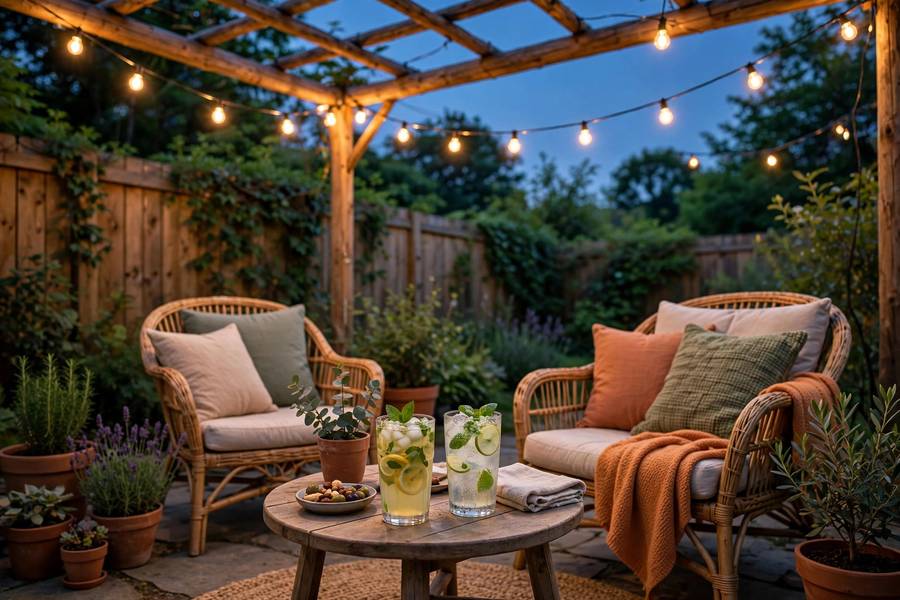
Pasta night for six: two boxes of pasta, a big can of tomatoes, garlic, basil from a $3 plant, a baguette, and a $4 bottle of wine. Total: under $15, or under $10 if everyone brings something. Candlelight, eaten outside, with people you like — nobody at that table is thinking about what it cost.
Free Fun With Friends
The best cheap group activities have one thing in common: someone just has to organize them. Host a backyard or park movie night — borrow a projector, hang a sheet, everyone brings blankets and snacks. Total cost to you: zero if you borrow, maybe $30 for a basic projector that you’ll use ten times. I’ve never had a guest not love this.
Organize a progressive dinner where each course happens at a different friend’s place — appetizers at one apartment, mains at another, dessert at a third. Everyone cooks one thing, everyone walks between courses, and the whole evening feels like an event. Or do a clothing swap: everyone brings a bag of clothes they don’t wear, and everyone leaves with “new” clothes. Free shopping, zero waste, genuinely fun.
Game tournaments cost nothing and get surprisingly competitive: cornhole, cards, trivia (someone writes the questions), or a video game bracket. Loser cooks next time. Start a free book club that meets in parks. Do a group volunteer day at a community garden — you work outside together for a few hours and usually go home with free vegetables. That’s not just cheap, that’s profitable.
Solo Adventures That Cost Nothing
Some of the best cheap summer experiences are solo. Take yourself on an artist date (a concept I borrowed from The Artist’s Way): once a week, do something alone just because it interests you. A free museum day, a long bike ride to nowhere, sitting in a beautiful church or library you’ve never entered. No agenda, no companion, no cost.
Learn something free this summer. Libraries run free workshops — I’ve taken free classes in watercolor, sourdough, and bike repair. YouTube teaches everything else: juggling, basic photography, a new language’s first 100 words. Pick one skill, practice it for fifteen minutes a day all summer, and watch what happens by September.
Start a tiny garden, even if it’s one pot of basil on a windowsill. Seeds cost $2, a bag of soil $5 (how to start a garden if you want to go bigger than one pot), and watching something grow that you planted is a quiet daily pleasure that lasts the whole season. If you have any outdoor space at all, a $10 tomato plant will pay for itself ten times over in actual tomatoes by August.

Stretching It All Summer
The trick to a cheap summer that doesn’t feel cheap is pacing. Don’t burn through all 40 ideas in June — spread them across the season. I aim for two or three bucket list items a week, which means every week has something to look forward to and nothing feels repetitive. Put the big ones (meteor shower, sunrise hike, potluck party) on the calendar now so they don’t slip away.
Keep a summer journal — a cheap notebook where you write one line a day about what you did. “Swam in the river after work.” “Ate $2 tacos in the park with Maya.” By September you’ll have ninety lines of proof that the summer was full, and you’ll be amazed how many of the best entries cost nothing. I still have mine from the security-deposit summer. It’s one of my favorite possessions.
And here’s the real secret I learned that broke summer: constraints create the best stories. Nobody tells stories about the expensive resort where everything was fine. They tell stories about the night the projector didn’t work so you all just lay on blankets naming constellations, or the potluck where someone’s experimental dish became a legend. Cheap summers aren’t a lesser version of summer. Done right, they’re the director’s cut.
Print the list. Stick it on the fridge. Cross things off with a big satisfying marker. Your wallet stays full and your summer stays full — that’s not a compromise, that’s just winning. And when summer ends, keep the momentum with these fun fall activities.
Focus on free natural experiences: swimming in lakes or rivers, hiking, picnics, stargazing, sunrise walks, and exploring new neighborhoods on foot. Libraries offer free workshops and events all summer, and parks host free concerts and movies. Keep a visible bucket list on your fridge so free options are top of mind on weekends.
Picnics with grocery-store food, stargazing with a blanket, free outdoor concerts, thrift-store challenge dates (each person gets $5), sunset walks, and cooking an ambitious meal together at home all cost under $10. The constraint often makes dates more memorable than expensive defaults.
Sprinklers, sidewalk chalk, library summer reading programs, park scavenger hunts, homemade popsicles, and nature walks cost almost nothing. Many museums have free days, and community pools often have discounted family passes. A ‘boredom jar’ filled with free activity slips lets kids draw their own entertainment.
Mix free classics (sunrise hike, river swim, meteor shower watching, outdoor movie night) with under-$5 treats (ice cream truck, farmers market at closing time, thrift store challenge). Add one social event you organize — a potluck or clothing swap — and one solo project like learning a skill or growing a tomato plant.
Far less than people assume. Doing 40+ activities from a cheap bucket list — mostly free, none over $10 — typically totals under $100 for the whole season. The biggest costs people associate with summer (vacations, concerts, dining out) are optional garnish; sunlight, water, and long evenings are free.