Best Summer Activities Outdoors for Every Kind of Day

Every June, I make the same promise to myself: this is the summer I actually go outside. And every September, I do the same guilty math about how many perfect-weather weekends I spent scrolling on my couch. A few years ago I got tired of that cycle and started keeping a simple list on my fridge — outdoor things I genuinely wanted to do, sorted by how much energy they took. That list changed my summers completely, because the barrier was never motivation. It eventually grew into a full set of summer bucket list ideas I work through every year It was decision fatigue.
That’s what this guide is: a decision-fatigue killer. I’ve organized the best summer activities outdoors by the kind of day you’re having — high-energy, lazy, social, solo, scorching hot, or “it’s 7 p.m. and the light is perfect.” Pick your day, pick an activity, go. No more beautiful Saturdays evaporating while you google “fun things to do outside” for the fourth time.
A quick note on my philosophy: the best outdoor activity is the one you’ll actually do. A twenty-minute walk you take beats the epic hike you keep postponing. Start where you are.
In this guide:
- High-Energy Days: Move Your Body
- Lazy Days: Maximum Pleasure, Minimum Effort
- Scorching Days: Get Near Water
- Social Days: Bring People
- Solo Days: Just You and the Outdoors
- The Golden Hours: Mornings and Evenings
- How to Actually Make Them Happen
High-Energy Days: Move Your Body
Some summer mornings you wake up buzzing, and those days deserve a real adventure. Hiking is the obvious answer, but here’s my trick for making it stick: pick trails by drive time, not by epicness. I keep three lists — trails under 30 minutes away for spontaneous mornings, under 90 minutes for Saturdays, and the big ones for long weekends. The nearby list gets used ten times more than the epic list, and I enjoy those mornings just as much.
Cycling might be summer’s most underrated workout. A bike you already own, a rail trail or riverside path, and two hours will take you farther than you think — my regular loop is 18 miles along the river and it never gets old because the light is different every time. If you don’t own a bike, most cities now have bike-share programs that cost less than a movie ticket for a full day.
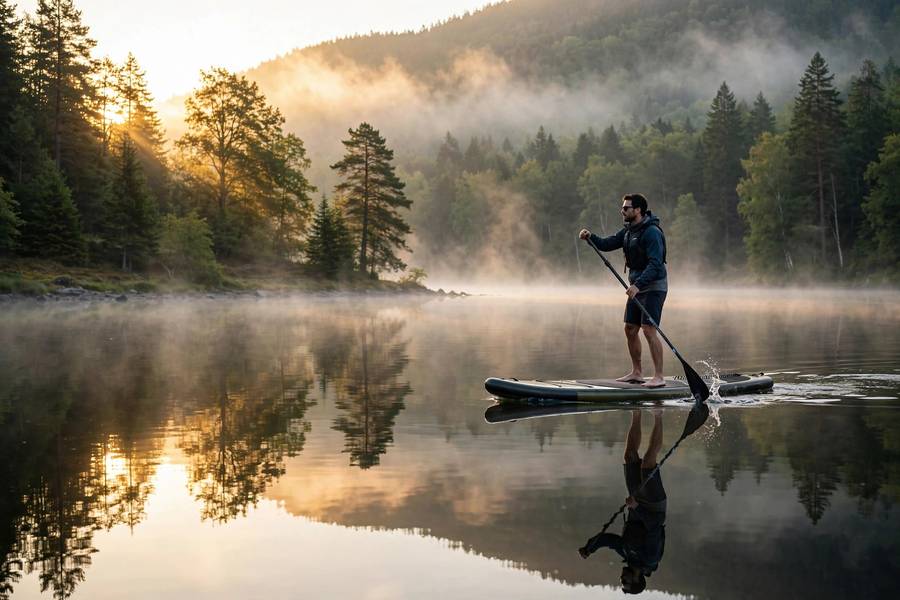
For something with a learning curve, try paddleboarding or kayaking. Rentals at most lakes run $15-25 an hour, you can learn the basics in twenty minutes, and there’s something deeply satisfying about being on water under your own power. Go early — lakes are glassy and empty before 10 a.m., and you’ll be back before the afternoon crowds and the peak sun.
Outdoor sports worth joining
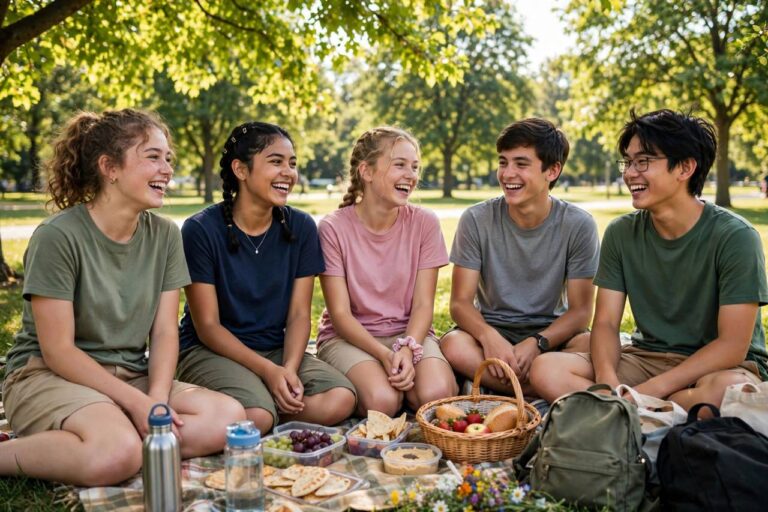
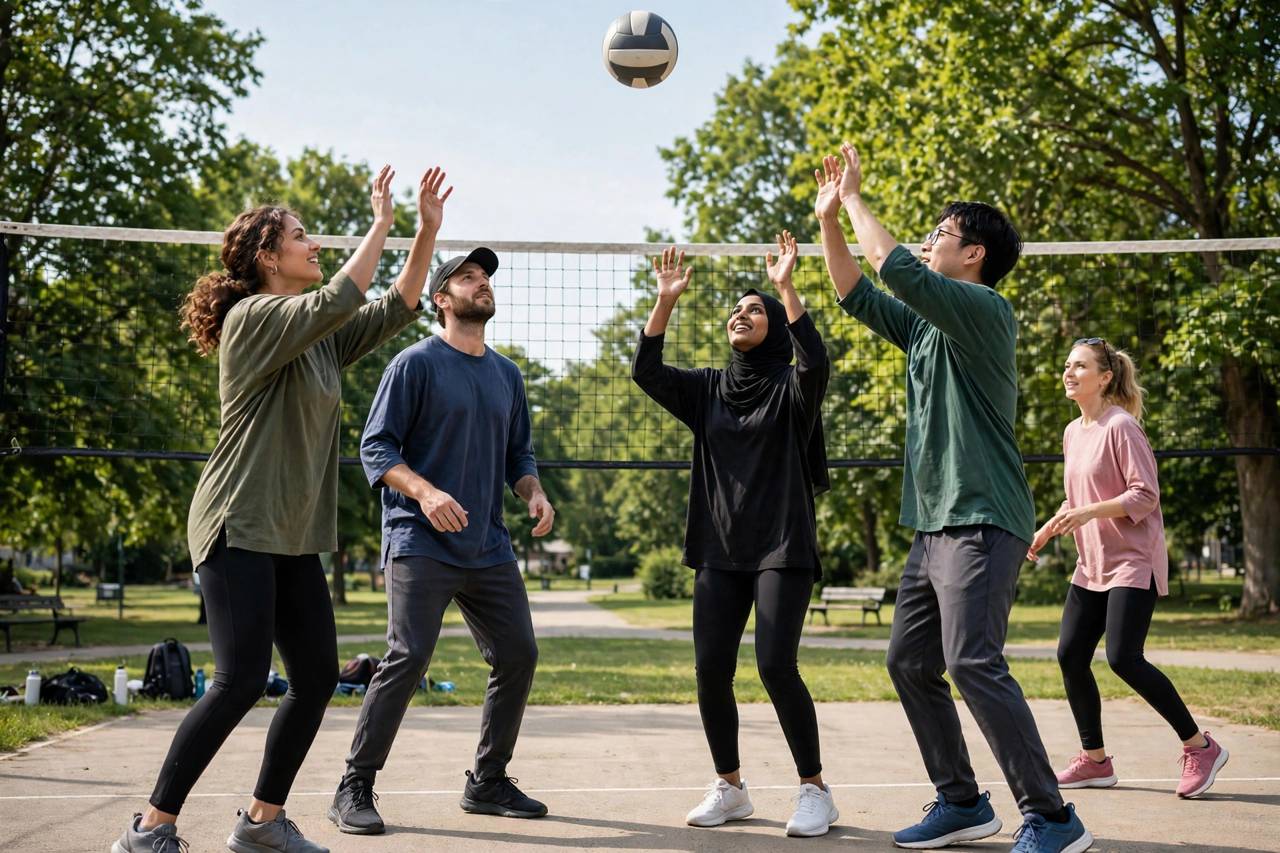
Summer leagues for softball, volleyball, soccer, and ultimate frisbee are full of beginners, and most welcome drop-ins. I joined a casual beach volleyball group three summers ago having never played, and it became the anchor of my week. Search your city’s parks department or apps like Meetup — the social pressure of a team is the most reliable exercise motivation I’ve ever found.
Lazy Days: Maximum Pleasure, Minimum Effort
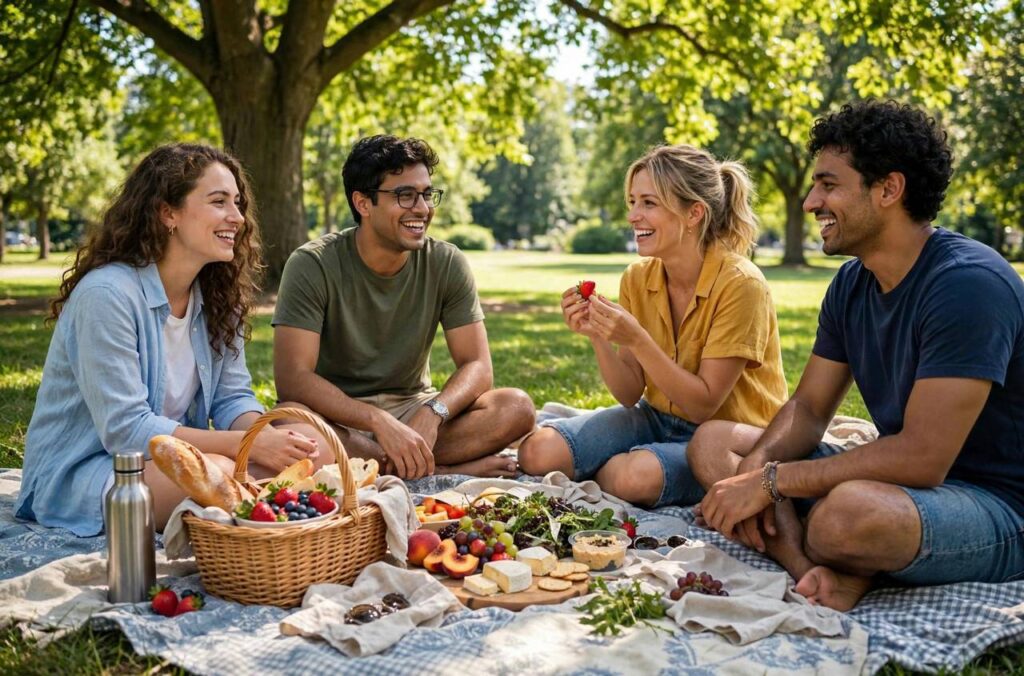
Not every summer day needs to be an achievement. Some of my favorite summer memories are aggressively low-effort: a blanket, a book, and a park with good people-watching. The key to a great lazy outdoor day is upgrading one small thing. Bring real food instead of vending machine snacks. Bring a proper blanket instead of a towel. Sit in actual shade instead of squinting. Small upgrades, completely different experience.
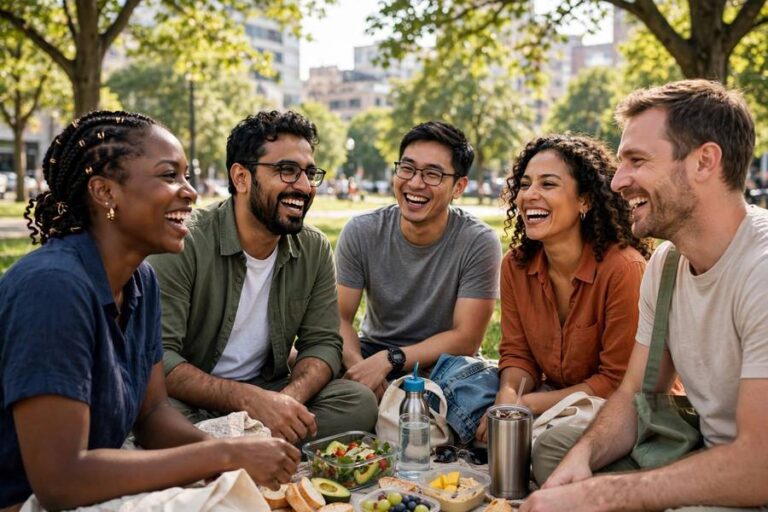
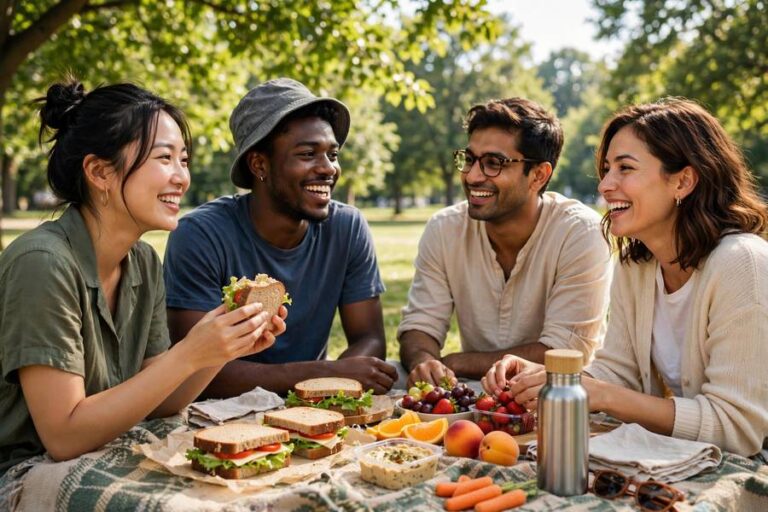
Picnics deserve better than their reputation as fussy Instagram events. My formula: a baguette, cheese, fruit, something crunchy, and drinks in a cooler bag. Fifteen minutes of prep, total cost under $20 for two people, and eating outside makes it taste twice as good — this is scientifically documented, by the way; food genuinely tastes better outdoors. Find a spot with a view if you can, but honestly, a shady patch of grass near your apartment works fine.
Hammock time is a legitimate activity. String one between two trees (use wide tree straps, not rope, to protect the bark), bring a book or a podcast, and give yourself permission to do nothing. I resisted hammocks for years as an unnecessary purchase; I was wrong. It’s now my favorite $40 of summer equipment.
Scorching Days: Get Near Water
When the temperature climbs past 90, the only outdoor activities that make sense involve water. If you’re near a coast, lake, or river, you already know. For the rest of us: splash pads aren’t just for kids (go early or late to avoid the crowds) — and if you do have little ones, this summer bucket list for kids is built for them, community pools often sell cheap summer passes, and a friend with a backyard and a hose is worth their weight in gold.
The sprinkler-run is underrated for adults. I’m serious. On the hottest Saturday last July, four of us took turns running through a sprinkler in my friend’s yard like we were eight years old, and it was the most fun I’d had all month. Buy a $15 oscillating sprinkler, invite people, bring popsicles. Dignity is overrated in August.
For a calmer water day, find a shady creek or riverbank. Wade in, sit on a rock, read a book with your feet in the water. Rivers and creeks run cooler than the air, and there’s something about moving water that drops your stress level fast. Just check local conditions first — after heavy rain, currents can be stronger than they look.
Social Days: Bring People
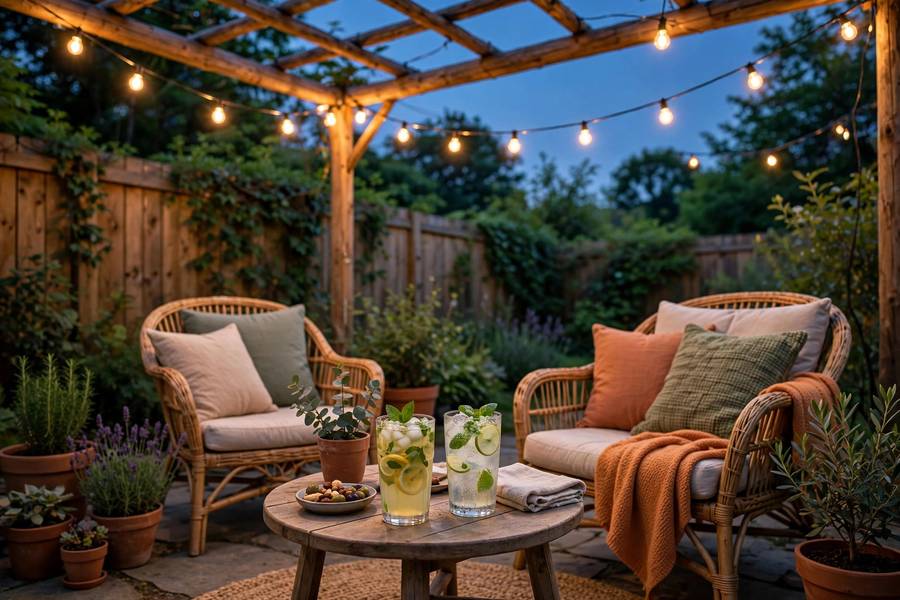
Outdoor gatherings are summer’s whole personality, and they don’t need to be elaborate. A backyard barbecue for six people with burgers, corn, and a cooler of drinks beats a catered party every time — people remember who was there, not what was served. If you don’t have a yard, parks with grills are free and reservable in most cities.
Outdoor movie nights have become my signature summer event. A white sheet, a borrowed projector, a Bluetooth speaker, and a lawn full of blankets. Total setup cost (if you borrow the projector): basically zero. Pick something crowd-pleasing, start at dusk, and put out popcorn and bug spray. I’ve hosted four of these and every single one felt magical in a way indoor movie nights never do.
For daytime socializing, organize a group hike with a swimming spot at the end, a park potluck where everyone brings one dish, or a friendly tournament — cornhole, bocce, badminton, whatever. The activity matters less than the invitation. Most people are waiting to be asked; be the person who asks. And if live music is your thing, these music festival tips will get you through the big outdoor weekends comfortably
Solo Days: Just You and the Outdoors
Solo outdoor time is where I do my best thinking, and summer is prime season for it. A solo sunrise walk is my favorite ritual — the cornerstone of a morning routine for active summer days that actually sticks: the world is quiet, the light is golden, and you’re back before the heat. I do the same 40-minute loop most mornings in July and August, and it sets the tone for the entire day better than any productivity hack.
Try nature journaling — not the artistic kind, just a notebook where you write down what you notice. The bird you couldn’t identify, the way the light hit the water, three things you heard. It sounds precious; it’s actually a attention-training exercise that makes every walk more interesting. After a month, you’ll notice things on autopilot walks that you walked past blind for years.
Outdoor photography walks work even with a phone camera. Give yourself a theme — “things that are yellow,” “reflections,” “signs of the season changing” — and walk for an hour hunting for it. Constraints make you creative, and you’ll come home with a camera roll that actually means something instead of 200 near-identical sunset shots.
The Golden Hours: Mornings and Evenings
Here’s the secret of people who seem to spend all summer outside: they go early or late. The hour after sunrise and the two hours before sunset are cooler, quieter, less crowded, and lit like a film set. Midday in July is for air conditioning; mornings and evenings are for living.
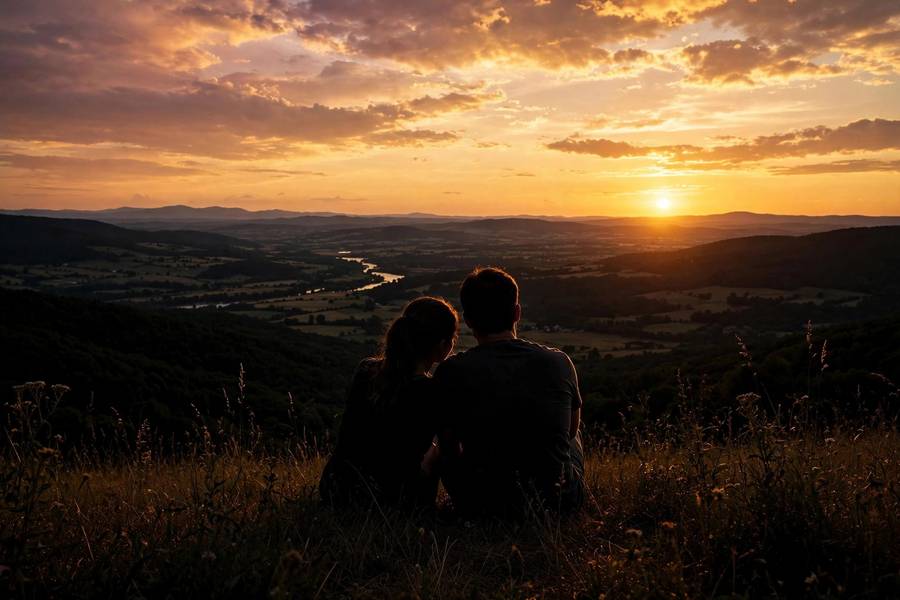
Evening activities have a special magic. A sunset picnic on a hill, an after-dinner walk through the neighborhood when everyone’s out and the sprinklers are running, stargazing from a dark spot with a blanket (download a star app first — identifying constellations together is genuinely delightful). Fireflies, if you’re lucky enough to have them, peak around dusk in early summer and are worth planning an evening around.
Morning options: a farmers market trip (go early for the best produce and the smallest crowds), a sunrise swim if you have access to water, or coffee on a porch, balcony, or park bench. I started taking my Saturday coffee to the park instead of drinking it at my kitchen table, and it remains one of the smallest changes with the biggest happiness return I’ve ever made.
How to Actually Make Them Happen
Knowing what to do was never the problem — doing it was. Three systems fixed this for me. First, the fridge list: write 10-15 outdoor activities on a piece of paper and stick it where you’ll see it Saturday morning. When the options are visible, you choose one. When they’re in your head, you choose the couch.
Second, prep the gear bag. Keep a tote by the door with sunscreen, bug spray, a blanket, a water bottle, and a frisbee or book. When going outside requires zero preparation, you’ll go outside. When it requires gathering six things from four rooms, you won’t. Friction is everything.
Third, schedule it like an appointment. “Hike Saturday at 8” happens; “we should hike sometime” doesn’t. Invite one person — social commitments are harder to flake on than solo plans. And give yourself a summer quota if that motivates you: mine is “outside for at least an hour, five days a week, June through August.” I track it with tally marks on the fridge list. Simple, visible, effective.
Summer is short and it doesn’t repeat — this exact combination of long days, warm air, and your current life never comes back. You don’t need an epic plan. You need a blanket, a bit of daylight, and the willingness to walk out the door. Start this weekend.
The best summer outdoor activities match your energy and the weather: hiking, cycling, and paddleboarding for active days; picnics, hammocks, and park reading for lazy days; swimming, splash pads, and creek wading for scorching days; and sunset walks or stargazing for evenings. The key is having options ready so decision fatigue doesn’t keep you inside.
Adults have great options beyond the usual: join a casual summer sports league, host an outdoor movie night with a borrowed projector, organize a group hike ending at a swimming spot, try sunrise paddleboarding, or take up nature photography walks. Many of the best adult summer activities are social — be the person who sends the invitation.
Free options are everywhere: hiking local trails, swimming at public beaches or lakes, picnics in parks, sunrise or sunset walks, stargazing, bike rides on rail trails, and library summer programs. Keep a go-bag with sunscreen, a blanket, and water by the door so free outings take zero planning.
On scorching days, stick to water and shade: swim at pools, lakes, or beaches; wade in creeks; visit splash pads; or shift everything to early morning and evening. Avoid strenuous midday activity — heat exhaustion is real. If you must be out midday, choose shaded trails and bring twice the water you think you need.
Three things work: keep a visible list of outdoor options on your fridge to beat decision fatigue, keep a packed go-bag by the door to remove friction, and schedule outings like appointments — ideally with another person, since social plans are harder to cancel. Start with a tiny quota, like an hour outside five days a week.