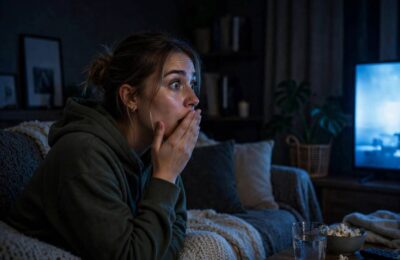


I watch way too much TV. Professionally. And I can tell you with total confidence: comedy is the hardest genre to get right and the easiest to get wrong. A drama can survive a weak third act. A comedy with a weak third act is just 100 minutes of people waiting to laugh.
So when I rank the best comedy movies ever made, I’m not ranking “films that are funny in one scene.” I’m ranking the ones that are funny from the opening frame to the credits — the ones I’ve rewatched a dozen times and still laugh at, because great comedy doesn’t expire. Here’s the canon, the near-misses, and my honest take on what makes comedy actually work on screen.
Table of Contents
- What Makes a Comedy Movie Actually Great
- The Untouchables: Comedy’s Mount Rushmore
- The Classics That Built the Genre
- The Modern Era: 2000s Comedy Gold
- The Recent Greats
- Underrated Gems You Probably Missed
- Why Most Modern Comedies Fail (A Rant)
- Frequently Asked Questions
What Makes a Comedy Movie Actually Great
Before the list, the criteria — because “funniest” is subjective, but “best” shouldn’t be pure vibes:
- Joke density with a story. The greats are funny and structured. A string of sketches isn’t a movie. The best comedies have plots you’d care about even without the jokes — the jokes are the bonus, not the load-bearing wall. (This is basic screenplay craft, and comedies ignore it at their peril.)
- Rewatchability. If the jokes only work once, they’re surprises, not comedy. The best comedy movies get funnier on rewatch because you catch the setup you missed.
- Performances. Comedy acting is the most underrated skill in film. The greats make it look effortless, which is exactly why it isn’t.
- No expiration date. Comedy ages worse than any genre — references die, attitudes shift. The all-timers are built on human nature, not topical jokes.
The Untouchables: Comedy’s Mount Rushmore
These four are beyond debate. Argue the order all you want; the membership is settled.
1. Airplane! (1980). The densest joke-per-minute ratio in film history, and it never breaks. The Zucker brothers took a dead-serious disaster movie template and filled every frame with gags — background gags, foreground gags, gags you’ll only catch on the fifth viewing. “Surely you can’t be serious.” “I am serious — and don’t call me Shirley.” Perfect. The lesson of Airplane!: commit fully to the bit, and cast dramatic actors to play it straight. Comedy dies when the actors wink.
2. Groundhog Day (1993). The rare comedy that’s also a profound film about what it means to be a decent person — and it never once feels like homework. Bill Murray’s arc from cynical weatherman to someone who uses infinite time to become kind is the best character development in any comedy ever. Funny, then moving, then funny again. The gold standard for “comedy with something to say.”
3. Some Like It Hot (1959). Billy Wilder’s masterpiece has the greatest closing line in cinema (“Well, nobody’s perfect”) and a structure so perfect that screenwriting teachers still dissect it. It proves that the best comedy is just great drama played at a different tempo — the stakes are real, the characters want things desperately, and the farce emerges from the situation, not from mugging.
4. Monty Python and the Holy Grail (1975). Absurdism executed with total commitment and zero budget. It shouldn’t work — it’s sketches held together by coconuts — but the Pythons’ absolute refusal to acknowledge the absurdity is what makes it immortal. “It’s just a flesh wound” works because everyone plays it like Shakespeare.
The Classics That Built the Genre
Duck Soup (1933). The Marx Brothers at full chaos. Groucho’s wordplay remains unmatched — nobody has ever been faster or meaner with a one-liner. Modern audiences sometimes bounce off the vaudeville rhythms, but stick with it: this is the DNA of every fast-talking comedy since.
Dr. Strangelove (1964). Kubrick proved comedy could be about the end of the world and still be the funniest thing in the room. Peter Sellers playing three roles, George C. Scott’s increasingly unhinged general — it’s satire so precise it stopped being satire and became documentary. Dark comedy’s founding text.
The Apartment (1960). Another Wilder. A comedy about loneliness, corporate exploitation, and attempted suicide that is somehow also one of the funniest and most romantic films ever made. If you think comedy can’t do pathos, watch the last ten minutes and report back.
Annie Hall (1977). Woody Allen’s neurotic-romantic template launched a thousand imitators and remains the sharpest of them. The lobster scene, the subtitles during the boring date, Marshall McLuhan stepping out from behind a sign — it reinvented what a comedy could look like, not just sound like.
Ghostbusters (1984). The perfect high-concept comedy: take a ridiculous premise completely seriously, cast the funniest people alive, and let the chemistry do the rest. The effects were groundbreaking; the jokes were better.
The Modern Era: 2000s Comedy Gold
The 40-Year-Old Virgin (2005). The Apatow revolution’s flagship — raunchy but genuinely sweet, with an ensemble (Carell, Rudd, Rogen, Malco) that improvised half the best lines. It proved mainstream comedies could be both filthy and big-hearted. The chest-waxing scene is real, by the way. Steve Carell actually did it. Commitment.
Superbad (2007). The definitive teen comedy of its era and the rare one that treats teenage friendship with actual emotional honesty. McLovin’s fake ID saga is the funniest subplot ever written. It works because underneath the dick jokes, it’s about the terror of growing apart from your best friend.
Hot Fuzz (2007). Edgar Wright’s action-comedy is so densely constructed that every throwaway line in act one becomes a payoff in act three — a masterclass in setup and payoff that aspiring filmmakers should study frame by frame.
The Hangover (2009). Before the sequels diluted it, the original was a perfectly engineered mystery-comedy — The Big Sleep with a missing tooth and a tiger. The structure (reconstructing a night nobody remembers) is genuinely clever, and the pacing never sags.
Borat (2006). Sacha Baron Cohen’s guerrilla comedy captured something real about America by letting real people incriminate themselves. Comedy as journalism, basically.
The Recent Greats
The Grand Budapest Hotel (2014). Wes Anderson’s most complete film is a comedy wearing a tragedy costume — or the reverse. Ralph Fiennes’ concierge is one of the great comic performances: precise, profane, and heartbreaking. Proof that stylized comedy can carry genuine emotional weight.
Game Night (2018). The best studio comedy of the last decade and nobody talks about it enough. A perfect script, a game cast (Bateman and McAdams are a flawless comedy duo), and set pieces — the egg scene, the fight with the dog — that belong in the hall of fame. Seek it out.
Jojo Rabbit (2019). A comedy about a boy whose imaginary friend is Hitler that is somehow warm, humane, and devastating. Taika Waititi walked the thinnest tonal tightrope in modern film and didn’t fall.
Underrated Gems You Probably Missed
- In Bruges (2008). A hitman comedy that’s really about guilt and purgatory. Farrell and Gleeson’s chemistry is perfect; the script is the sharpest thing Martin McDonagh ever wrote.
- What We Do in the Shadows (2014). Vampire roommates in modern New Zealand, shot documentary-style. The driest, most quotable comedy of the 2010s.
- The Nice Guys (2016). Shane Black’s buddy-comedy noir flopped theatrically and it’s a crime. Gosling doing physical comedy is a revelation.
- Palm Springs (2020). Groundhog Day’s premise with millennial rom-com energy and genuine existential dread underneath. Way smarter than it had to be.
- Hunt for the Wilderpeople (2016). Waititi again — a foster-kid adventure comedy that’s really about grief. Funny and kind in equal measure.
Why Most Modern Comedies Fail (A Rant)
Okay, rant time, because somebody has to say it: most studio comedies of the last decade fail for the same fixable reasons.
They’re built around stars, not scripts. The pitch is “imagine [famous person] as a [profession]!” and the script is an afterthought. Comedy lives or dies on the page — how movies get made starts with development, and development starts with writing. No script, no movie. I don’t care who’s in it.
They confuse improvisation with writing. Yes, the Apatow guys improvise brilliantly — on top of heavily structured scripts. Modern comedies film hours of riffing with no spine underneath, then try to find the movie in the edit. You can feel it: scenes that go nowhere, jokes that don’t build, endings that just… stop.
They’re afraid of commitment. The great comedies commit to a tone and a premise completely. Modern studio comedies hedge — a little raunchy but not too much, a little heartfelt but not really, winking at the audience so nobody can accuse them of trying. Comedy requires the courage to be uncool. Airplane! never winked once.
They test-screen the soul out. By the time a studio comedy survives four rounds of test screenings and executive notes, every sharp edge is sanded down. The result is content: watchable, forgettable, and gone from your memory by the parking lot.
The good news: the comedies that break through anyway — Game Night, Barb and Star, Palm Springs — prove the audience is still there, hungry for the real thing. Make it funny, make it committed, and we will show up. We’re easy, honestly. Just be funny.
Frequently Asked Questions
Airplane!, Groundhog Day, Some Like It Hot, and Monty Python and the Holy Grail are the consensus greatest — all combine dense jokes, strong structure, and rewatchability that survives decades.
Recent standouts include Game Night, Palm Springs, and Jojo Rabbit. Streaming lineups rotate constantly, so search these titles directly — they’re worth the hunt wherever they land.
Layered jokes with setups you miss the first time, characters you enjoy spending time with, and humor built on human nature rather than topical references. The best comedies get funnier on repeat viewings.
Common problems: scripts built around stars instead of jokes, improvisation without a structured script underneath, tonal hedging for test audiences, and executive notes sanding off sharp edges.
Groundhog Day, Ghostbusters, and Hunt for the Wilderpeople work across ages — genuinely funny for adults, accessible for kids, and free of the raunch that limits many great comedies to grown-up viewing.
In Bruges, What We Do in the Shadows, The Nice Guys, Game Night, and Palm Springs are all critically loved but underseen — the classic cult-comedy trajectory of theatrical flops finding their audience later.