

Confession: the first time I watched This Is Spinal Tap, I spent the first twenty minutes wondering why this band documentary was so weird before my friend whispered, “Chris. It’s fake. All of it.” I had been had — and I have loved the genre ever since.
For a deeper dive, see our guide to best anime series of all time.
A mockumentary is exactly what it sounds like: a mock documentary. It is a fictional story filmed as if it were a real documentary — shaky handheld cameras, talking-head interviews, deadpan narration — and the comedy comes from the gap between the serious format and the absurd reality. It is one of my favorite genres, and here is everything worth knowing about it.
Table of Contents
- Mockumentary Defined
- The Key Ingredients
- A Brief History of the Genre
- The Best Mockumentaries to Watch
- Why the Format Is So Funny
- Mockumentary vs Found Footage vs Reality TV
- How They Are Made
- Frequently Asked Questions
Mockumentary Defined
A mockumentary presents fictional events in documentary style. The camera crew is “really there.” Characters address the camera directly. Nobody winks at the audience (at first). The humor lives in treating ridiculous people and situations with total documentary seriousness.
The name is a portmanteau of “mock” and “documentary,” and the format is older than most people think — but it exploded when television discovered how cheap and funny it could be.
The Key Ingredients
Every great mockumentary mixes these elements:
- The documentary frame. Handheld cameras, zoom-ins, awkward pauses left in the edit. The visual language says “this is real,” which makes the fiction funnier.
- Talking heads. Characters interviewed directly, usually contradicting what we just saw them do. Jim from The Office staring into the camera after Michael says something insane is the purest form of this.
- Deadpan delivery. The actors play it straight. The moment anyone acts like they know it is comedy, the spell breaks.
- Improvisation. Many mockumentaries use loose scripts or outlines, letting actors improvise. Those painfully awkward pauses? Often real — the actors genuinely did not know what was coming.
- Cringe as craft. The genre weaponizes secondhand embarrassment. Michael Scott’s diversity training, David Brent’s dance — comedy built from watching someone with zero self-awareness.
A Brief History of the Genre
The granddaddy is This Is Spinal Tap (1984) — Rob Reiner’s film about a fictional British rock band, so convincingly documentary-like that actual rock stars reportedly did not realize it was fake. It invented the modern template: the dimwitted subjects, the patient interviewer, the escalating absurdity played straight.
Television took the ball and ran. The UK’s The Office (2001) proved the format could sustain a series, using the documentary crew as silent characters. The US remake became a cultural phenomenon. Then came the golden age: Parks and Recreation, Modern Family, Arrested Development (quasi-mockumentary with narration), What We Do in the Shadows (vampire mockumentary — yes, really, and it is brilliant).
The format keeps evolving: American Vandal applied true-crime documentary parody to high-school pranks, and it was somehow both hilarious and genuinely suspenseful.
The Best Mockumentaries to Watch
My personal ranked recommendations — the friend who always knows what is good does not steer you wrong:
- This Is Spinal Tap (1984) — The original. Required viewing. “These go to eleven.”
- The Office (UK, 2001) — Darker, cringier, perfect. Two seasons, no filler.
- The Office (US, 2005–2013) — Warmer and longer. Seasons 2–5 are sitcom nirvana.
- What We Do in the Shadows (TV, 2019–) — Vampire roommates dealing with city council meetings. Absurdly consistent.
- Parks and Recreation (2009–2015) — Starts as an Office clone, becomes its own joyful thing.
- Best in Show (2000) — Christopher Guest’s dog-show masterpiece. Improv comedy at its finest.
- American Vandal (2017–2018) — True-crime parody done so well it transcends parody.
- Modern Family (2009–2020) — The format goes mainstream network. Hugely rewatchable.
Why the Format Is So Funny
Three reasons the mockumentary hits different from traditional sitcoms:
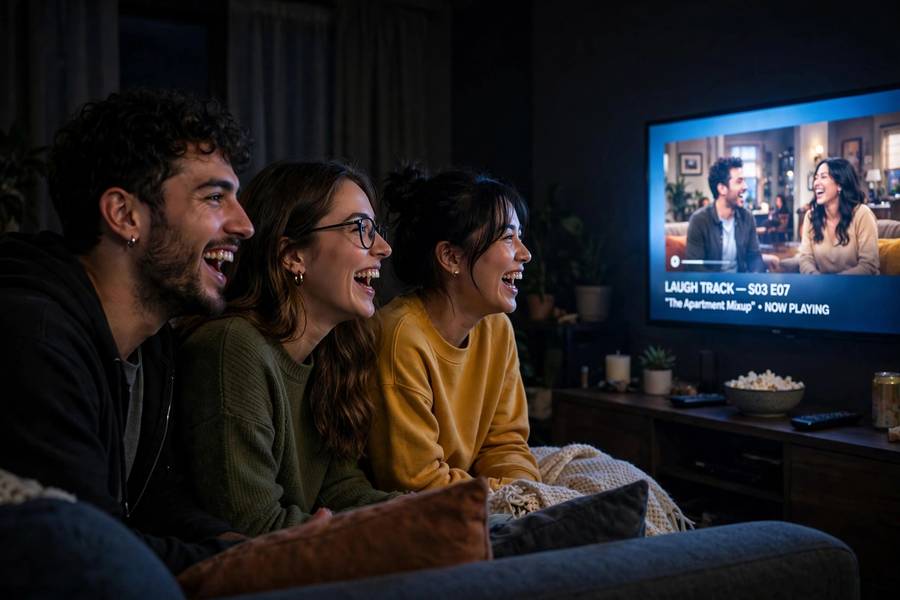
It weaponizes realism. A laugh track tells you when to laugh. A mockumentary never does — you are laughing at something that looks real, which makes it land harder and more uncomfortably.
The camera is a character. The lingering zoom on someone’s face after they say something stupid, the quick pan away from an awkward moment — the “documentary crew” participates in the comedy through pure cinematography.
It satirizes how we perform for cameras. We all act slightly different when filmed. Mockumentaries exaggerate that universal truth: the talking head where someone explains their totally reasonable behavior that we just watched be insane is funny because we have all been that person.
Mockumentary vs Found Footage vs Reality TV
People mix these up, so quick clarity:
- Mockumentary: Fictional, styled as documentary, usually comedy. (The Office)
- Found footage: Fictional, styled as discovered raw footage, usually horror. (The Blair Witch Project) The camera operator is a character in danger, not an observer.
- Reality TV: Real people (allegedly), heavily produced. The comedy or drama comes from editing real behavior — though how “real” is its own debate.
The mockumentary’s unique trick is borrowing documentary authority — the format we associate with truth — to sell fiction. That tension is the whole joke.
How They Are Made
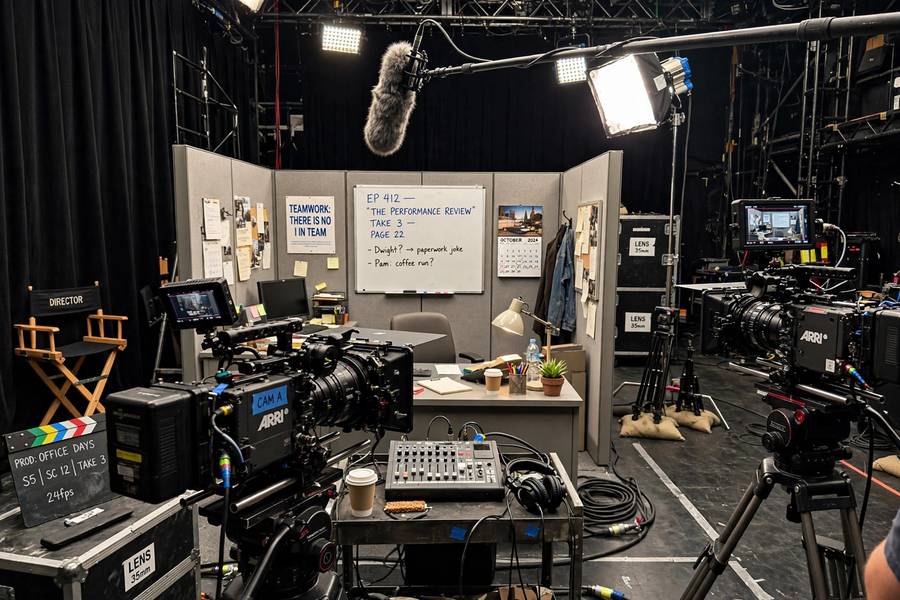
Understanding how movies are made helps here, because mockumentaries deliberately invert the polish: smaller crews, natural lighting, longer takes, and heavy reliance on the edit. A huge amount of the comedy is found in post-production — the reaction shot held two seconds too long, the cutaway that contradicts the interview.
The writing process is unusual too. Many mockumentaries work from detailed outlines rather than full scripts, with actors improvising dialogue. Christopher Guest’s films famously have no written dialogue at all — just character briefs and scene outlines. That looseness is why the performances feel so natural: the actors are genuinely reacting.
And the comedy writing itself is a craft — timing, structure, and ruthless editing separate the classics from the forgotten.
Mockumentaries Beyond Hollywood
The format thrives internationally: Australia’s Rake and Utopia skewer bureaucracy; New Zealand gave us What We Do in the Shadows (film first, then the TV triumph); Germany’s Stromberg localized The Office brilliantly; and Japan’s variety shows have played with fake-documentary comedy for decades. The cringe of self-important people filmed sincerely turns out to be universal — every culture recognizes its own David Brent.
Why the Format Endures
Mockumentaries survive because they exploit something permanent about human nature: people behave absurdly when they know they are being filmed, and the camera’s fake neutrality makes that absurdity funnier than any punchline could. The format also ages well — cringe comedy about self-important people stays relevant because self-important people are eternal. As long as documentaries exist to be parodied and egos exist to be punctured, the mockumentary will keep finding new targets.
Frequently Asked Questions
A mockumentary is a fictional film or show presented in documentary style — handheld cameras, talking-head interviews, deadpan delivery — with comedy coming from the contrast between the serious format and absurd content. Examples include The Office and This Is Spinal Tap.
This Is Spinal Tap (1984) is widely credited with inventing the modern mockumentary template, though earlier experiments exist. Its convincing documentary style reportedly fooled real musicians into thinking it was genuine.
Yes — both the UK and US versions are classic mockumentaries, using the documentary crew, talking-head interviews, and deadpan realism that define the genre.
Documentaries (aim to) depict real people and events; mockumentaries depict fictional ones using documentary conventions. The comedy comes from treating fiction with documentary seriousness.
Both, depending on the production. Many use detailed outlines with heavy improvisation (Christopher Guest’s films have no written dialogue), while others like The Office US used full scripts with room for improv.
Start with This Is Spinal Tap (the original), The Office (UK for cringe, US for warmth), What We Do in the Shadows, Parks and Recreation, and American Vandal for a brilliant true-crime parody.