Best Bicep Exercises: 7 Moves Ranked by a Coach

Ask ten lifters for the best bicep exercise and you will get ten answers, most of them whatever they did yesterday. I have a different standard: I rank exercises by how much bicep growth they produce per unit of time and joint stress, based on years of watching clients actually grow. This list is that ranking, 1 through 7, with the form details that separate effective reps from wasted ones. The biceps are a small muscle with simple needs: full range, controlled eccentrics, and progressive overload. Give them that and they grow; complicate it and they do not. The full arm library is in my best arm exercises guide.
The 7, Ranked
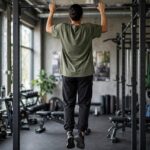
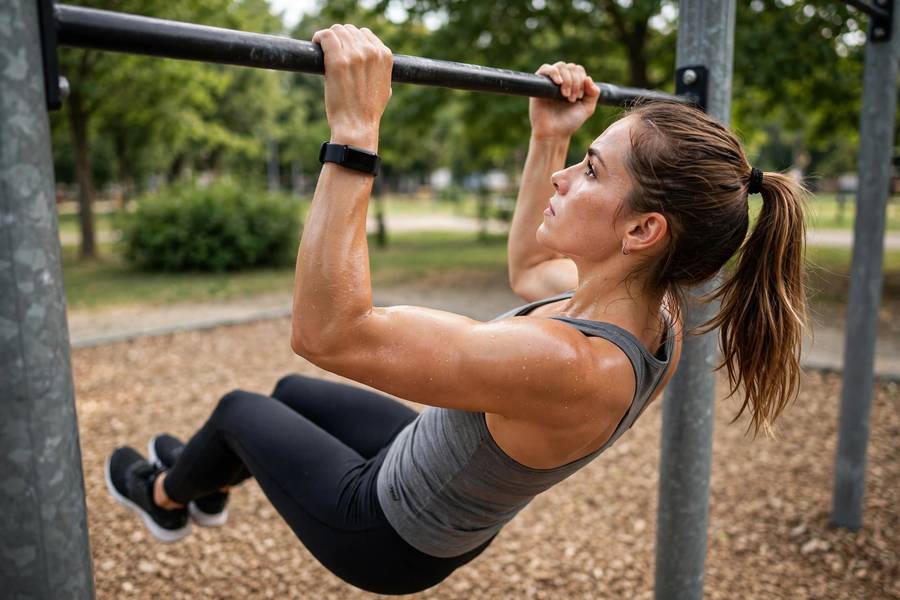
1. Chin-up: 4x max reps. Underhand grip, full range, chest to bar. The heaviest load your biceps will ever move through a full range, plus back development as a bonus. Nothing else is close for overall bicep mass. My how to do pull-ups guide covers the progression from zero.
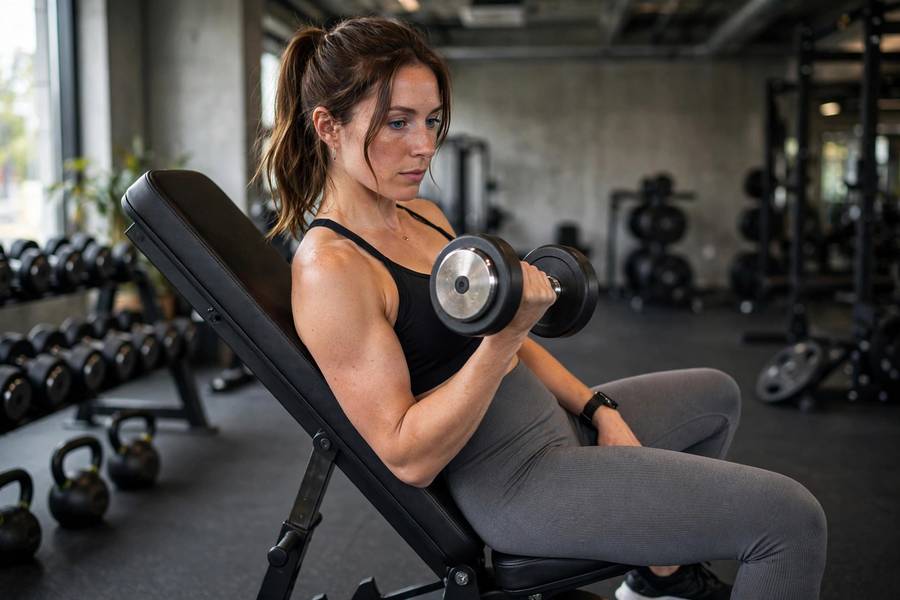
2. Incline dumbbell curl: 3×10. The deep stretch at the bottom loads the long head through its longest range. Biomechanically the best isolated bicep builder; the stretch position drives growth disproportionately.
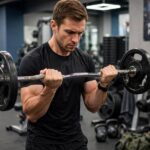
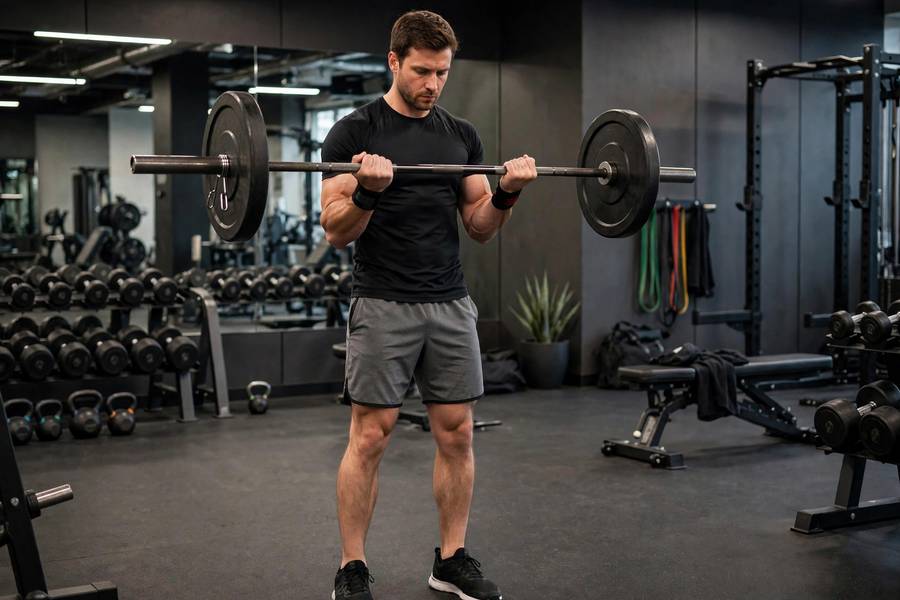
3. Standing barbell or EZ-bar curl: 3×10. The heaviest strict curl, maximum mechanical tension. EZ-bar is kinder to wrists. Keep the torso still; the barbell invites cheating, so discipline matters.
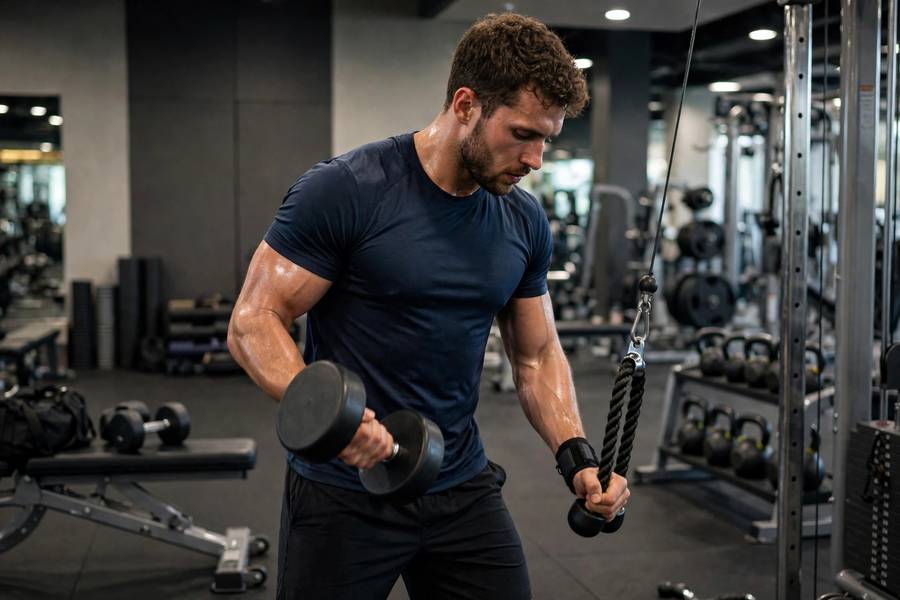
4. Standing dumbbell curl: 3×12. Each arm works independently, natural wrist rotation allowed. Slightly less load than the barbell, better for fixing imbalances.
5. Hammer curl: 3×10. Builds the brachialis and brachioradialis, adding thickness and forearm size that makes the whole arm look bigger. Essential for complete development.
6. Concentration curl: 3×12 per arm. Maximum isolation, zero momentum. The best finisher; light weight, perfect squeeze, unmatched mind-muscle connection.
7. Cable curl: 3×12. Constant tension through the full range, especially at the top where free weights go slack. Excellent as a second or third exercise, less essential as a primary builder.
Why the Chin-Up Ranks So High
The chin-up loads the biceps with your entire bodyweight through a complete range of motion, something no curl can match for absolute tension. A 80kg person doing chin-ups moves 80kg with the biceps as prime movers; the same person curls 20kg per arm at best. That load difference matters enormously for growth. It also trains the biceps in a compound pattern with the lats, which is how the muscle actually functions. Clients who add weighted chin-ups see bicep growth that isolation work alone never produced. If you can only do one bicep exercise, do chin-ups. If you can do three, do chin-ups plus incline curls plus hammers, and your biceps have everything they need. Pair them with best back workouts programming since the back does half the work.
The Form Details That Matter
Full range. Start every curl from a dead hang with straight arms and finish with the weight near your shoulder. Partial reps build partial biceps; the stretched bottom position is where the most growth stimulus lives.
Controlled eccentrics. Lower every rep over 2-3 seconds. The lowering phase produces more muscle damage and growth stimulus than the lifting phase, and almost everyone rushes it.
Still elbows. Elbows pinned at your sides (or behind you on incline curls) and motionless. Elbow drift forward turns curls into front raises; the biceps lose tension and the shoulders take over.
No swinging. Momentum is stolen tension. If you must swing to complete reps, the weight is too heavy. Drop 10 percent and do honest reps; your biceps will grow faster with less weight done correctly.
Squeeze at the top. One-second hard contraction at the top of every rep. It costs nothing, adds meaningful time under peak tension, and builds the mind-muscle connection that improves every other rep.
The 6-Week Bicep Specialization Block
When biceps lag behind everything else, run this: 3 bicep sessions weekly for 6 weeks, 6-8 sets each, while maintaining everything else. Day 1 (heavy): chin-ups 5×5 weighted if possible, barbell curls 3×8. Day 2 (stretch): incline curls 4×10, cable curls 3×12. Day 3 (pump): hammer curls 3×12, concentration curls 3×15. That is 21 weekly sets, roughly double normal volume, which is the point of specialization: concentrated overload. Eat at maintenance or a slight surplus; specialization in a deficit is wasted effort. After 6 weeks, return to normal volume for 4 weeks before specializing again. One block typically adds a quarter to half inch for lagging biceps. Do not specialize year-round; the returns diminish and the elbows complain. Specialization is a tool, not a lifestyle.
Programming Biceps for Growth
Biceps are small and recover fast: 8-12 hard sets per week, split across 2 sessions, is the sweet spot for most lifters. Session A: chin-ups 4xmax, incline curls 3×10. Session B: barbell curls 3×10, hammer curls 3×10, concentration curls 2×12. Rest 60-90 seconds between sets; biceps do not need long rests. Progress by adding reps first, then weight: when you hit the top of the rep range on all sets for two sessions running, increase load by the smallest increment. Biceps respond well to higher reps too; a monthly 3×15-20 pump session with light weight drives blood flow and variety. Do not train biceps the day before heavy pulling; fatigued biceps limit your back workout, and the back workout is the bigger growth opportunity. My best dumbbell exercises guide has dumbbell-only programming if that is your setup.
Building the Peak vs Building Thickness
The bicep “peak” is mostly genetics: the shape of your muscle bellies is set at birth, and no exercise changes insertion points. What you can change is size, and bigger muscles look peakier regardless of shape. That said, emphasis is real: incline curls and any movement with the arm behind the torso emphasize the long head (outer bicep, contributes to peak appearance), while preacher-style curls with the arm in front emphasize the short head (inner thickness). Hammer curls build the brachialis underneath, pushing everything up and adding width. A complete program hits all three, which the ranking above does. Do not chase the perfect peak exercise; chase overall size with the top-ranked movements, and the shape takes care of itself. The clients with the best biceps I have trained all did boring basics with progressive overload for years.
Grip Variations and What They Change
Supinated (palms up): maximum bicep recruitment, the standard curl. Neutral (palms facing): hammer position, shifts work to brachialis and forearms, easiest on the wrists. Pronated (palms down): reverse curl, heavily forearm-dominant, use light weight. Wide grip on barbell: slightly more short-head emphasis. Close grip: slightly more long-head. The differences are real but small; rotate grips mainly for joint comfort and complete development rather than chasing magic angles. If straight-bar curls hurt your wrists, switch to EZ-bar or dumbbells permanently; no grip variation is worth chronic pain. I have clients who only ever do neutral and supinated grips and have excellent biceps. Variety serves adherence more than physiology.
Frequently Asked Questions
Two to three per session is plenty. One heavy compound (chin-ups or barbell curls), one stretch-position movement (incline curls), and optionally one finisher (concentration or cable curls). More than that adds junk volume that interferes with recovery.
You can build impressive biceps with curls alone if you progress them honestly, but adding chin-ups accelerates everything because of the heavier loading. Curls-only works; curls plus chin-ups works better and also builds your back.
Beginners typically add half an inch to an inch of arm size in 6 months of consistent training with adequate protein. Visible changes appear around week 8-12. Biceps are a small muscle; they grow steadily but not dramatically. Patience and progressive overload win.
Both work. With back, do biceps after the heavy rows and pull-ups, 2-3 sets; they are pre-fatigued so less volume is needed. On a dedicated arm day, give them full attention with 6-8 sets. Pick based on your split; the total weekly volume matters more than the arrangement.
Weak grip relative to bicep strength, common in beginners. It resolves with dedicated grip work: dead hangs, farmer carries, and hammer curls. Do not use straps to bypass it; the grip will catch up within 2-3 months and the forearm development is valuable in itself.
No. Straps bypass the grip training your forearms need, and curl weights are light enough that grip should never be the limiter. If your grip fails on curls, that is valuable information: train the grip with hangs and carries until it catches up. Save straps for heavy deadlifts and rows.