Celebrity Skincare Before Makeup: The Prep Makeup Artists Swear By

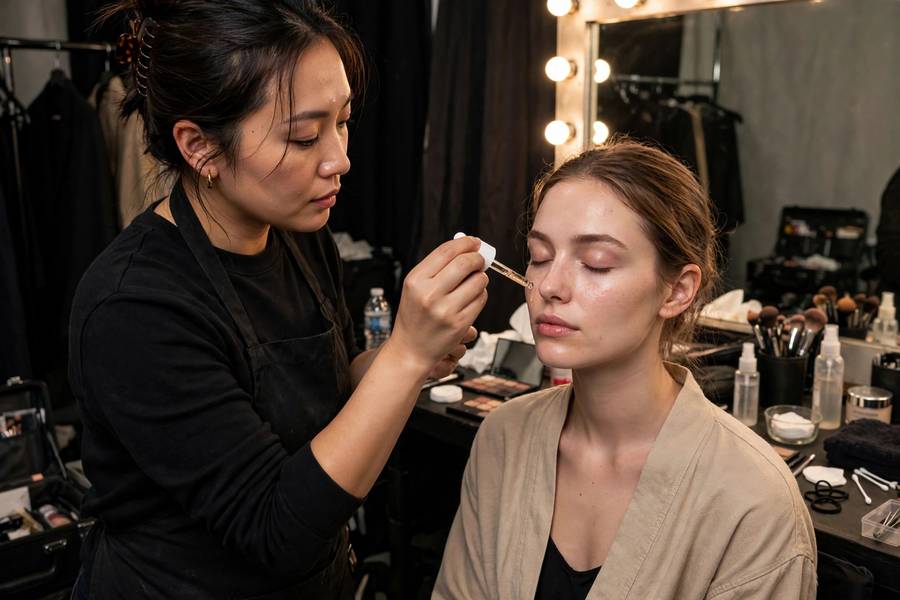
The makeup you see on a red carpet is about forty percent makeup. The other sixty percent is what happened in the thirty minutes before the foundation went on. I have sat through enough prep sessions to know that the world’s best makeup artists are, first and foremost, skin prep artists. The celebrity skincare before makeup is a discipline of its own, with its own order, its own timing, and its own set of non-negotiables. Get the prep right and the makeup practically applies itself. Get it wrong and no foundation on earth will save the day.
Here is exactly what happens in the chair before the makeup begins, in the order it happens.
First: The Clean, Calm Canvas
Prep starts with clean skin, but not stripped skin. The artist removes any existing product with a gentle micellar water or cleansing milk, then assesses. I have watched artists spend a full minute just looking, touching lightly, deciding what the skin needs today. Dry patches get one treatment, oiliness another. The prep is customized every single time, which is the first lesson: there is no universal pre-makeup routine, only principles applied to today’s skin.
What never happens is harsh exfoliation right before makeup. No scrubs, no strong acids, no peels on the day. Anything that creates sensitivity will show through foundation as redness and texture. If exfoliation is needed, it happened two days ago. Day-of prep is about calming and hydrating, never resurfacing. I have seen artists refuse to work over freshly exfoliated skin, and they were right to refuse.
The canvas rule is simple: skin should feel comfortable and look calm before anything goes on. If it does not, fix the skin first. Makeup over unhappy skin is just expensive unhappiness.
The Hydration Flood
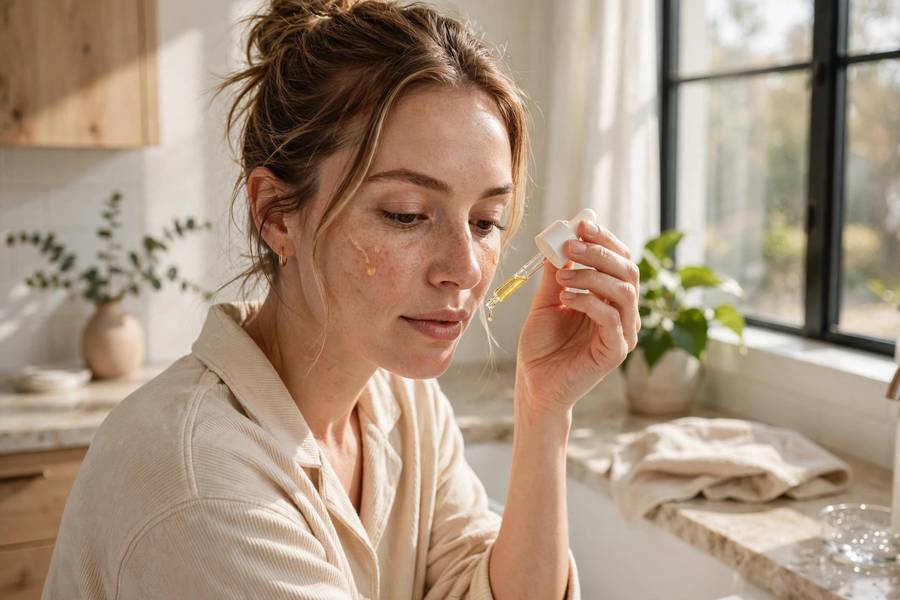
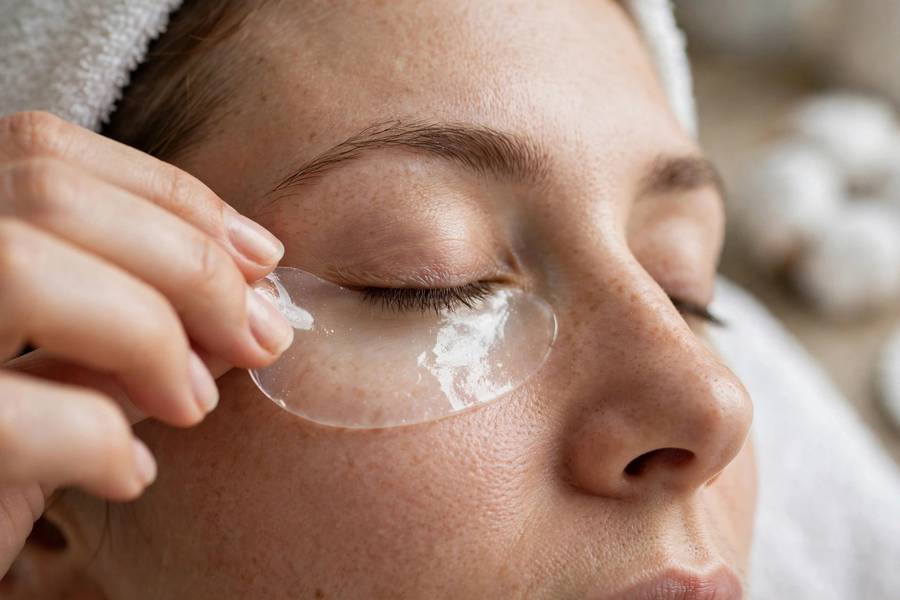
Once the skin is calm, it gets flooded with hydration. Hydrating toner pressed in with palms, a hyaluronic serum on damp skin, a light moisturizer to seal it. I have watched this layering take ten minutes, and the artists treat it as the actual foundation. Their logic is physical: makeup sits on top of skin, and hydrated skin is smooth skin. Every fine line that gets plumped with water is a line the foundation does not have to hide.
The technique matters as much as the products. Pressing, not rubbing. Thin layers, each given a moment to settle. Palms warmed first. The artists work in sections, never letting one area dry while they do another. It looks meditative because it is. Rushing hydration is like rushing paint prep: the topcoat reveals every shortcut.
For your own big events, replicate the flood with three layers: toner, serum, light moisturizer, each pressed in with warm palms. Give it ten full minutes. Your foundation will apply like it costs three times what it did.
Depuffing: The Cold and the Massage
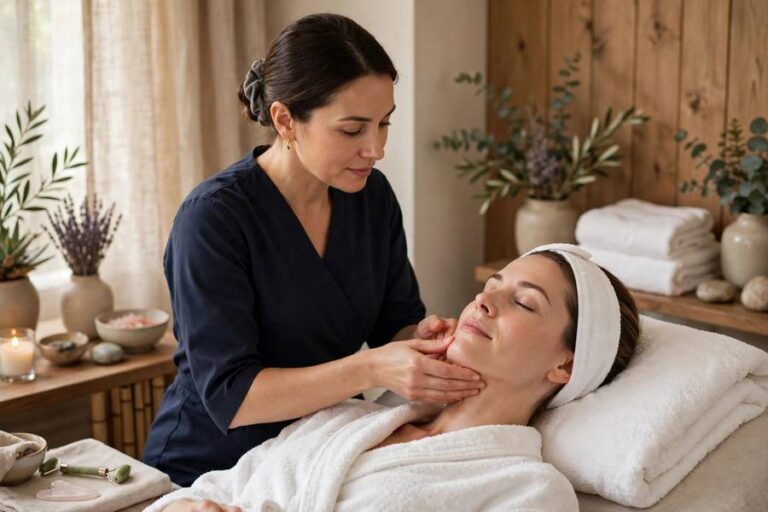
Depuffing is the most visible part of celebrity prep, and it is almost entirely manual. Cold tools, lymphatic massage, under-eye patches worn during hair. I have seen artists do a full five-minute sculpting massage before touching a single makeup product, working from the center of the face outward and down the neck to move fluid. The effect on the jawline and cheekbones is immediate and real. It is circulation and drainage, not contour, doing the work.
Cold is the other half. Cryo tools, cold spoons, chilled patches: cold constricts blood vessels and tightens the look of skin temporarily. The pros keep tools in mini fridges in the trailer. At home, the accessible version is a chilled gel mask or simply a cold damp cloth pressed over the face for two minutes. It will not change your bone structure, but it will change how awake you look, which on camera is most of the battle.
Under-eye patches deserve special mention. Worn for fifteen minutes during hair and wardrobe, they hydrate the exact zone where concealer is hardest to apply well. Every artist I know considers them mandatory for red carpet work. Keep a box in the fridge and thank me on your next big day.
Eyes and Lips: The Detail Zones
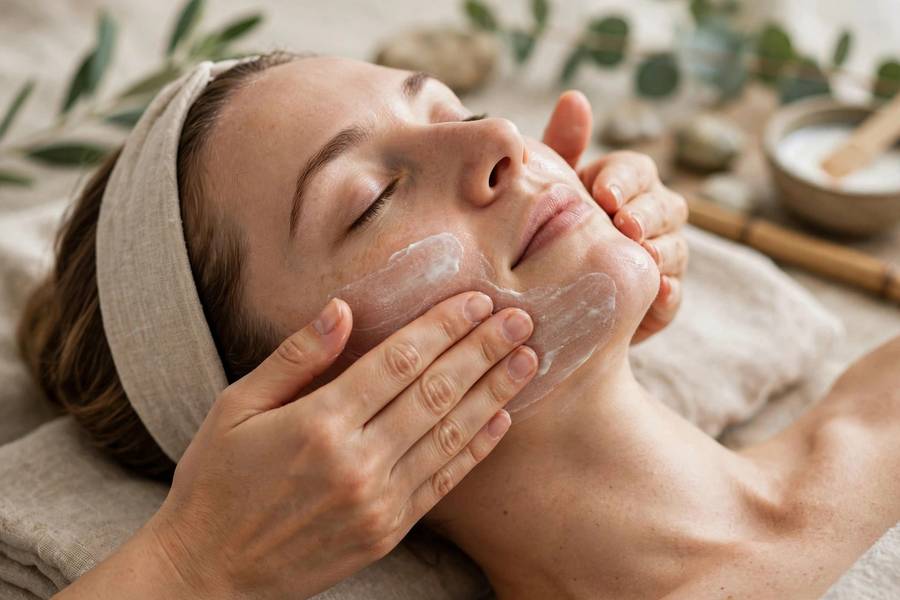
Eyes and lips get their own prep because they get the most makeup and show the most texture. Eyes get a dedicated eye cream, pressed gently around the orbital bone, never dragged. The artists are obsessive about this: the under-eye area is the thinnest skin on the face, and concealer over dry under-eyes is the fastest way to look older on camera. Hydrated under-eyes take concealer invisibly. Dry ones crease by noon.
Lips get exfoliated gently, usually with a damp cloth, then layered with balm. I have watched artists apply lip balm three times during prep, blotting between layers, building a smooth base the way you would prime a wall. Matte lipstick over unprepped lips is a well-known red carpet disaster. The stars with the perfect lip always had the longest lip prep.
Do not skip these zones in your own routine. They are small areas with outsized impact on the final result. Two minutes on eyes and lips pays off more than ten minutes anywhere else.
Timing: Why Prep Can’t Be Rushed
The final secret is time. Celebrity prep takes thirty to forty-five minutes before makeup begins, and the artists guard that time fiercely. Each layer needs a minute or two to settle. Sunscreen needs time to set. Patches need fifteen minutes. Rush any of it and the layers pill, slide, or separate under foundation. I have seen the difference between a rushed prep and a proper one on the same face, and it is the difference between makeup that lasts the night and makeup that needs rescue by 9 p.m.
For your own events, start prep an hour before you need to be done. It feels excessive until you see the result. And if you want the complete day-to-day structure this prep sits on top of, the celebrity skincare routine is the daily version, while the best red carpet looks show what all that prep builds toward.
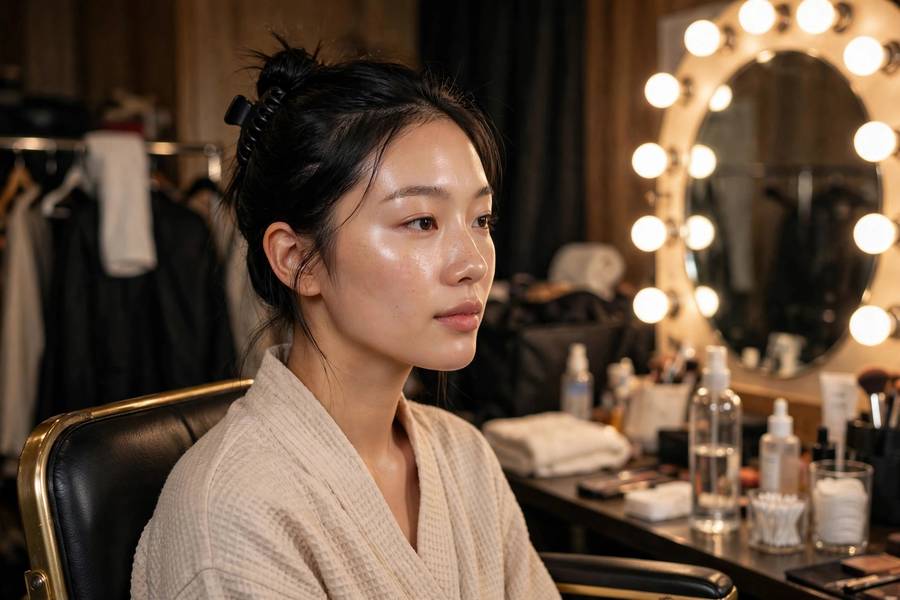
Great makeup is applied. Flawless makeup is prepared. The thirty minutes before the foundation are where red carpet skin is actually made.
Prep for the Cameras You Actually Face
You do not have a glam team, but you have something the stars do not: control over your schedule. The celebrity prep ritual can be adapted to real life by scaling it to the event. Job interview or wedding? Do the full version: hydration layers, patches, massage, the works. Regular Tuesday? The daily routine is enough. I have seen civilians outperform celebrities on prep simply because they had the time the stars did not.
The highest-leverage adaptation is the night before. Everything the pros do in the morning works better on skin that was well treated overnight: a hydrating mask, a rich moisturizer, real sleep. Morning prep on neglected skin is damage control. Morning prep on well-rested skin is enhancement. The night before is where your event prep actually starts, which means the best time to prepare for Saturday is Friday night, not Saturday morning.
And the cameras you face are closer than a red carpet: video calls, photos with friends, the front camera. Good prep shows up at any distance. The guide to dressing like a celebrity covers the other half of showing up well, because skin and style are a package deal. Prep the canvas, then dress it like you mean it.
Hydrating toner pressed in with palms, hyaluronic serum on damp skin, lightweight moisturizer, dedicated eye cream, and layered lip balm. Under-eye patches are worn during hair styling. Everything is about hydration and calm, never exfoliation.
Not on the day. Harsh exfoliation right before makeup causes redness and sensitivity that shows through foundation. If exfoliation is needed, do it two days before the event, not the morning of.
Thirty to forty-five minutes of skin prep before makeup begins is standard for red carpet work. Each layer needs time to settle, sunscreen needs time to set, and patches need about fifteen minutes.
Usually because layers were applied too fast, products are incompatible (silicone over water without setting time), or too much product was used. Thin layers, a minute between each, and letting sunscreen set solve most pilling.
Yes, for hydration. Fifteen minutes of patches plump the under-eye area so concealer applies smoothly instead of creasing. They are considered mandatory by red carpet artists, not optional.
Scale the ritual to the event and start the night before: a hydrating mask, rich moisturizer, and real sleep. Morning prep on well-treated skin is enhancement; on neglected skin it is damage control. You have the time advantage the stars lack.