Best Press Tour Outfits: 15 Looks That Broke the Internet

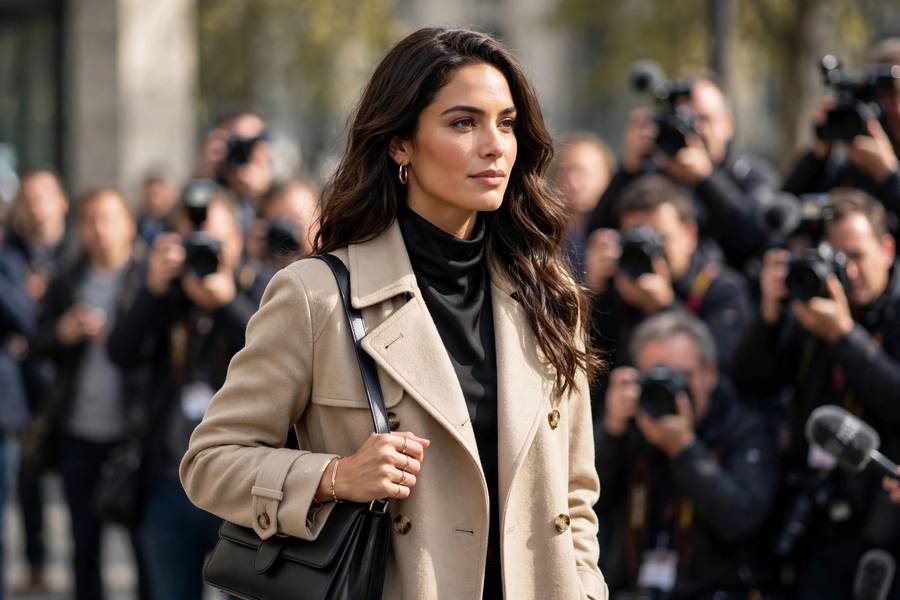
A red carpet is one night. A press tour is three weeks of outfits, and that is where the real fashion happens. I have covered enough tours to know that the looks that break the internet rarely come from the premiere. They come from a Tuesday morning show in London, a photocall in Seoul, a talk show couch in New York. The best press tour outfits are a different art form from red carpet dressing: they have to photograph ten times, tell a story about the film, and survive a schedule that would break most humans.
Here are the looks that defined the form, and what made each one work.
Method Dressing: Wearing the Movie
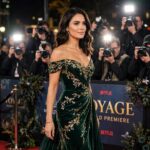
The defining press tour trend of recent years is method dressing: stars dressing as their characters, or as the world of the film, for the entire tour. I watched it happen in real time on a fantasy press tour where the lead showed up to every stop in looks that quoted her character’s costumes. By the third city, the fashion press was covering the tour like a second premiere. It was marketing genius disguised as personal style.
Why it works is narrative. A single great outfit is a photo. A themed tour is a story, and stories get covered. The best method dressing is referential without being costumey: a color palette borrowed from the film, a silhouette that echoes the character, details that reward the fans who notice. The stars who do it best collaborate with stylists who treat the tour like a serialized editorial, with each look building on the last.
The risk is overdoing it. Method dressing tips into costume when the references get too literal. The masters keep it fashion-first: you should be able to appreciate the outfit without knowing the film, and love it more when you do.
The Vintage Pulls That Stopped Time
The second great press tour tradition is the archival pull: vintage couture worn on a photocall or talk show, where it gets more attention than it would on a crowded carpet. I have seen decades-old pieces stop a press line cold. There is something about vintage on tour that reads as confidence. It says the star has taste beyond this season’s showroom, and the fashion historians in the press corps reward it enormously.
Vintage works on tour for practical reasons too. A tour needs fifteen looks, and no showroom has fifteen perfect current-season options in one size. The archives are deeper. Stylists who know the vintage dealers can build a tour wardrobe with range: a sixties shift for the morning show, a nineties slip for the photocall, an eighties power shoulder for the premiere. Each era photographs differently, which keeps three weeks of coverage from blurring together.
The looks that broke the internet in this category share one trait: they were unexpected. Nobody predicts a 1960s couture gown at a superhero press conference, which is exactly why it trends. Surprise is the whole strategy.
Why Press Tour Fashion Beats the Red Carpet
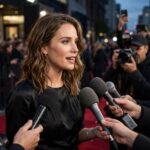
Here is my honest opinion after years in both pits: press tour fashion is more interesting than red carpet fashion. The carpet is one look, optimized for one set of cameras, worn for three hours. A tour is a campaign. It has arcs, callbacks, risks that pay off in week two. The stylists get to show range. The stars get to show personality. And the repetition means a look gets seen in motion, in interviews, in candids, not just in a posed flash.
The tour also rewards relatability in a way the carpet does not. A great talk-show outfit, a perfect airport look, a photocall dress that moves in the wind: these are fashion moments people can imagine wearing. The carpet is fantasy. The tour is fantasy with a boarding pass. That accessibility is why tour looks drive trends more than carpet looks do. People copy what they can picture themselves in.
The metrics back it up. The most-liked celebrity fashion posts of recent years are overwhelmingly tour looks, not carpet looks. The industry has noticed, and the styling budgets have followed.
The Stylist Playbook Behind the Looks
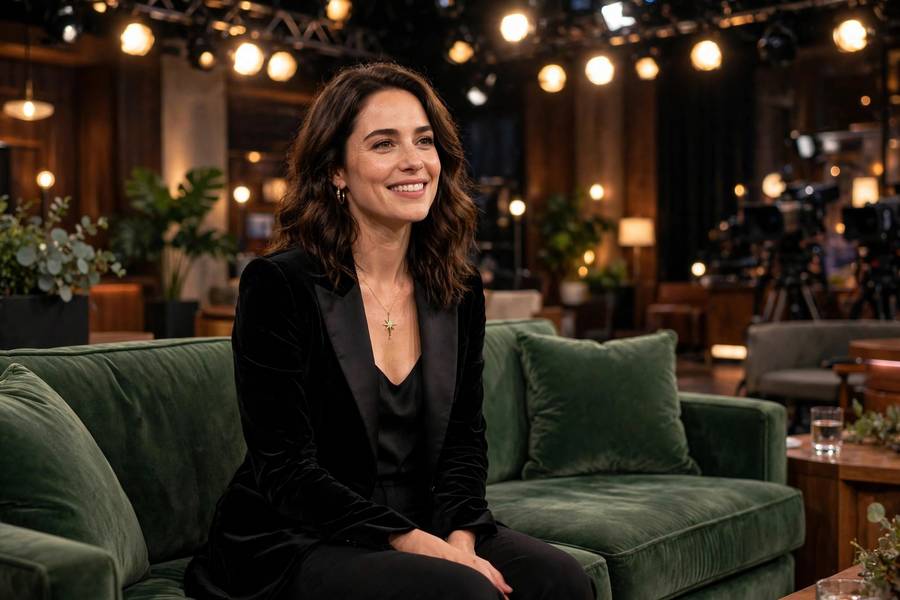
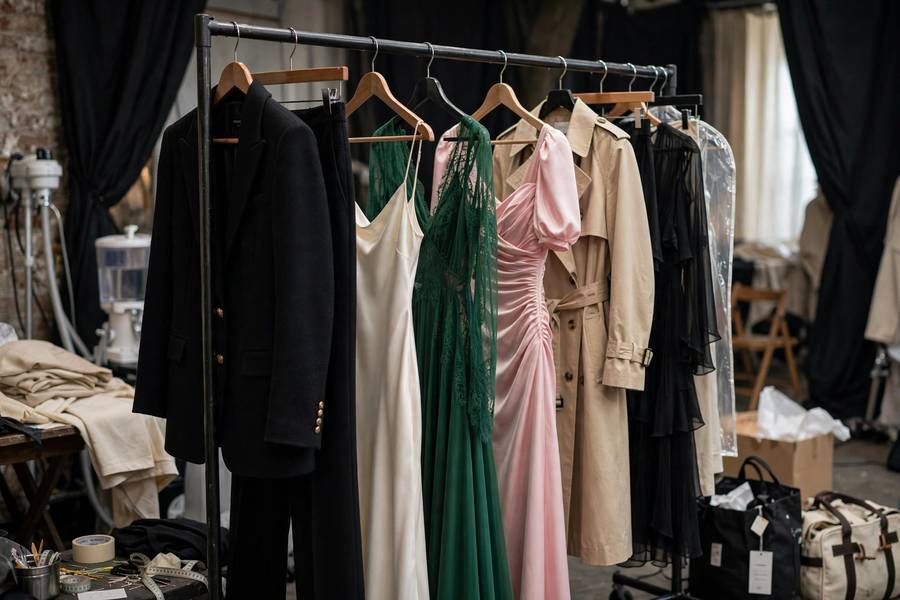
Behind every great tour wardrobe is a stylist running a military operation. Fifteen to twenty looks, steamed and bagged, traveling in garment bags with a full kit: tape, pins, backup shoes, sewing supplies, stain remover. I have watched stylists do emergency alterations in hotel bathrooms an hour before a photocall. The glamour you see is held together by double-sided tape and experience.
The playbook has rules. Open the tour with a statement to set the narrative. Save the biggest look for the biggest market, usually London or New York. Vary silhouettes so the coverage does not blur. Build in one risk per week, because safe tours are forgotten. And always have a weather backup, because the most photographed tour look of the year is useless if it cannot survive rain.
The other rule is stamina dressing. Tour clothes have to work for fourteen-hour days: sit well, travel well, photograph from every angle. The stars who look effortless are wearing clothes engineered for the grind. Comfort is not the opposite of style on tour. It is the prerequisite.
How to Steal the Formula
You can steal the tour formula without the tour. The principles are: dress for the story you want to tell, vary your silhouettes through the week, take one real risk, and prioritize clothes that work as hard as you do. A themed week of outfits, even just a color story, photographs better and feels more intentional than random great pieces.
And study the masters. The best red carpet looks show the single-night art, the guide to dressing like a celebrity breaks down the styling logic, and the best Met Gala looks are the extreme sport version of the same game.
Fifteen looks, three weeks, one story. That is the press tour outfit at its best: not just fashion, but narrative you can wear.
When the Outfit Becomes the Moment
Sometimes the outfit stops being promotion and becomes the story itself. I think of the tour looks that generated more coverage than the film’s trailer: the method-dressing masterstroke that had fashion historians writing explainers, the vintage pull that broke a quiet news week, the talk-show look that launched a thousand dupes overnight. When the outfit becomes the moment, the tour has transcended marketing and entered culture.
These moments share a mechanism: they give people something to do. A great look gets liked. A great look with a story gets discussed, decoded, recreated. The method-dressing tours understood this perfectly. Each appearance was a clue, and the audience played along for weeks. The engagement was not passive admiration. It was participation, and participation is the most valuable currency in modern publicity.
The lesson for the rest of us is that intention reads. A considered outfit, worn with commitment, outperforms a expensive one worn casually. The stars who break the internet are not always wearing the most expensive clothes. They are wearing the most considered ones. And when the consideration tips into comedy, as it sometimes does, the results live on in the funniest press tour moments, where fashion and chaos meet.
Method dressing is when a star’s press tour wardrobe references their character or film — through color palettes, silhouettes, or details. It turns the tour into a serialized fashion story that builds coverage across weeks.
A tour produces weeks of varied, in-motion looks — talk shows, photocalls, airports — that feel more relatable and copiable than a single red carpet gown. The repetition and range drive trends more effectively.
A major film press tour typically requires fifteen to twenty looks, planned by a stylist like a campaign: an opening statement, the biggest look for the biggest market, varied silhouettes, and one risk per week.
Most tour looks are borrowed from designers or pulled from archives and returned. Some stars purchase favorites, and long-term brand ambassadors may keep pieces from their partner houses.
Surprise and story: an unexpected vintage pull, a clever film reference, or a look that photographs dramatically in motion. Single great outfits get likes; themed tours get coverage.
Yes — the legendary tour looks generate more coverage than trailers. Method-dressing tours turn each appearance into a clue the audience decodes for weeks. Intention and story outperform price; the most considered outfits win, not the most expensive.