What to Pack for Thailand in December: Complete List

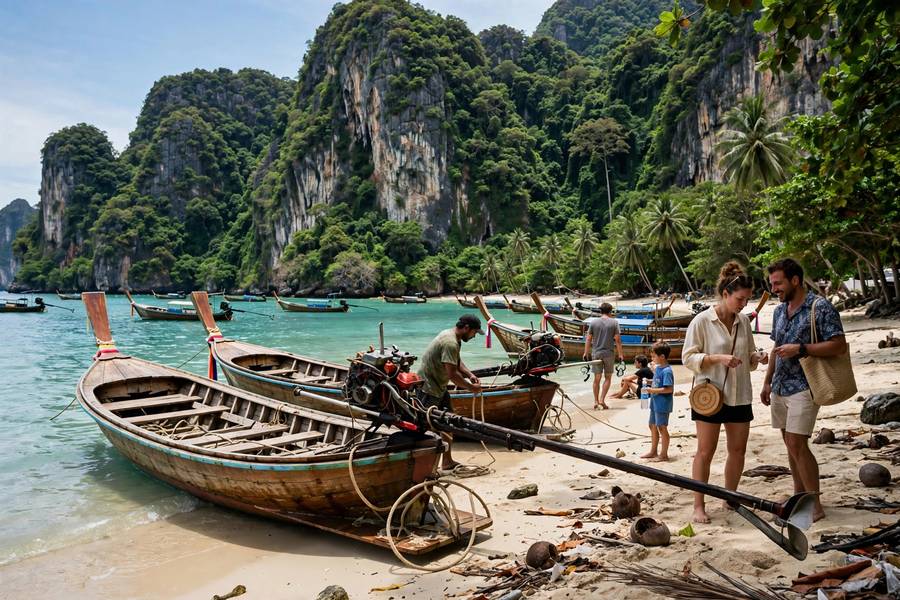
December is Thailand’s best month — cool, dry, and clear — but ‘cool’ in Thailand is relative, and the country spans three climate zones in December. Bangkok and the south are 30°C beach weather; the northern mountains (Chiang Mai, Pai) drop to 10°C at night. Pack for one and you’ll suffer in the other. I’ve done December Thailand three times, and the packing has a system.
This is the December-specific list: the fabrics that survive tropical humidity, the temple dress code (enforced, not suggested), the northern-layers kit, and the things everyone forgets. For the general list, see our Thailand packing list and the 2-week version.
December Weather: Three Zones, One Suitcase
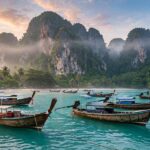
The South (islands + beaches — Phuket, Krabi, Koh Lanta): 28–32°C, dry, perfect — the peak beach month. This is the Thailand of the brochures, and December delivers it. Pack: swimwear, light breathable clothes, sun protection. The Andaman Sea is calm; the Gulf side (Koh Samui, Koh Phangan) can still see rain in early December — the weather splits by coast.
Bangkok + Central: 25–32°C, the ‘cool’ season — which means it’s merely hot instead of infernal. The humidity drops, the skies clear, and the city is walkable (a December miracle). Pack: light clothes, but the evenings are pleasant enough for the rooftop bars (the dress codes are real — no flip-flops at the sky bars).
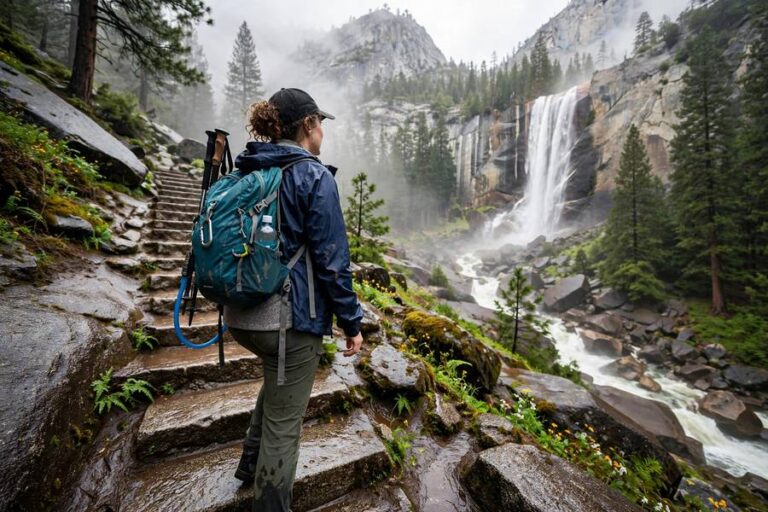
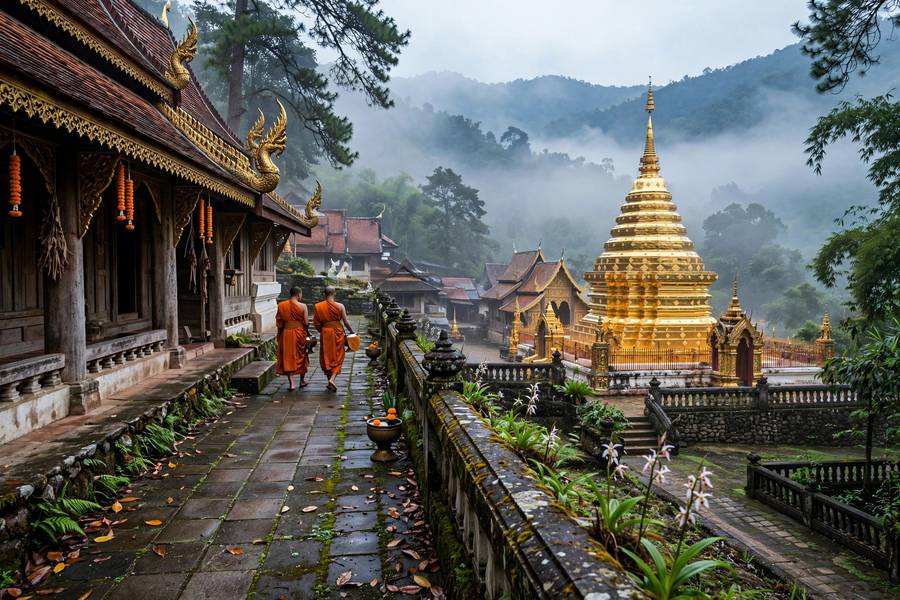
The North (Chiang Mai, Chiang Rai, Pai, Mae Hong Son): 15–28°C days, 8–15°C nights — the surprise. December nights in the mountains are genuinely cold, and the budget guesthouses have no heating. Pack: a fleece or light jacket, long pants, and warm sleepwear. The morning mist over the mountains (and the 6 a.m. alms-giving in Chiang Mai) is worth the layers.
The Core Wardrobe: Fabrics and Pieces
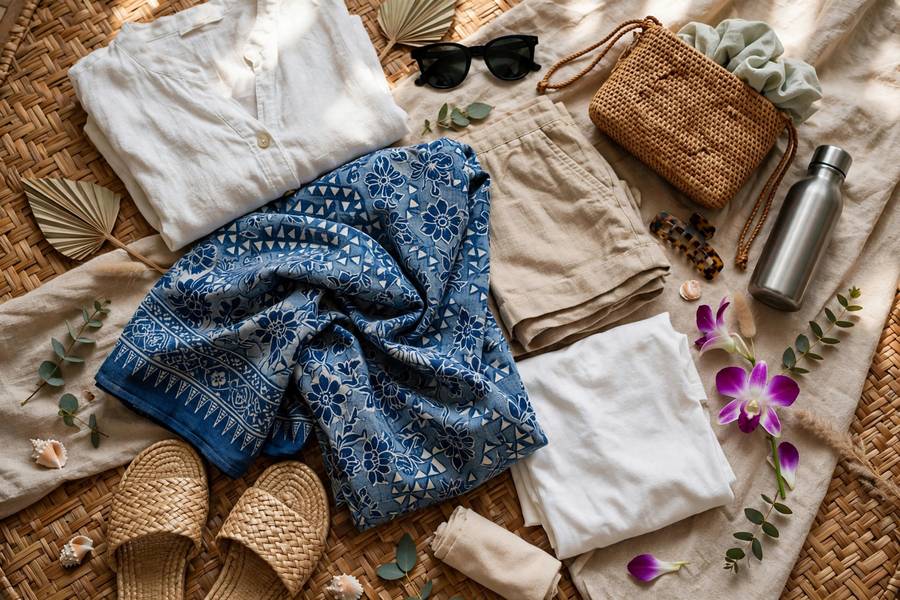
Fabrics: the tropical rules — linen, cotton voile, rayon, and moisture-wicking synthetics. December’s lower humidity is forgiving, but the midday sun isn’t. Light colors (white, sand, pastels) reflect heat and look right. Avoid: dark synthetics (sweat shows, heat absorbs), silk (the humidity), and anything heavy (you’ll wear it once, in the north, maybe).
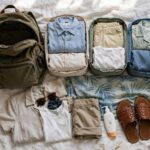
The pieces (7–10 days): 5–6 tops (breathable, mix of casual and one ‘nice’), 3 bottoms (shorts, light trousers, one longer skirt or pants for temples), 1–2 dresses or a button-down (evenings), 2 swimsuits (the rotation rule), 1 sarong (the multi-tool — temple cover-up, beach wrap, blanket, curtain), 1 light fleece/jacket (the north + air-conditioned everything), 1 rain shell (light — December showers are brief but real, especially the Gulf).
Shoes: sandals (the daily pair — Teva-style or nice leather), flip-flops (beach/hostel showers), and one closed pair (temples require removing shoes, but the walking days and the north need real shoes — lightweight sneakers). The temple shoe shuffle (on/off all day) favors slip-ons.
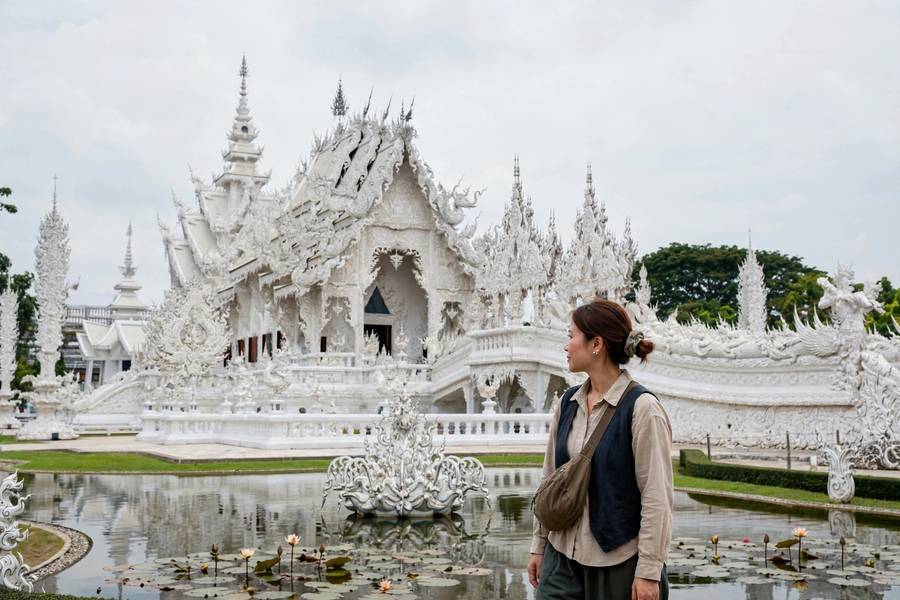
The Temple Dress Code: Non-Negotiable
The rule: covered shoulders, covered knees, no tight/revealing clothes — enforced at the Grand Palace (Bangkok), Wat Pho, Wat Rong Khun, and all major temples. The Grand Palace is the strictest: they turn away hundreds daily, and the ‘rental’ clothes (a $5 deposit sarong) are unflattering and shared. Dress right and walk in.
The kit: the sarong (wraps over shorts as a skirt, drapes over shoulders as a shawl), a light long-sleeve shirt (sun + temples + air conditioning), and long light trousers (linen — cool enough for the heat, modest enough for the temples). This triple covers every religious site in the country, plus the mosques in the south.
Beyond clothes: remove shoes before entering temple buildings (the flip-flop/slip-on logic), never point feet at Buddha images (sit cross-legged or kneel), and women don’t touch monks (the rule is real — keep distance, hand offerings to a man or set them down). The respect is noticed and appreciated.
Health, Sun, and the December Specifics
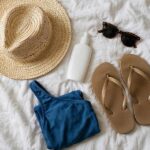
Sun protection (the category): SPF 50 reef-safe (the Thai sun in December is strong — the ‘cool’ season fools people into skipping it), SPF lip balm, after-sun, and the hat/sunglasses. The beach reflection + the boat days (island tours = 8 hours of reflected UV) burn the unprepared. Reapply like it’s your job. carry-on vs checked baggage
Health kit: diarrhea medication (the street food is worth it, but be prepared — charcoal tablets, rehydration salts), mosquito repellent (dengue exists — the DEET 30% for evenings, especially the north and the islands), motion sickness (the ferry rides to the islands, the mountain roads to Pai — the 762 curves), and any prescriptions (pharmacies are excellent in cities, thin on islands).
December-specific: the ‘cool’ season brings the burning season’s start in the north (late December–April — agricultural burning creates haze around Chiang Mai; check the AQI if you’re sensitive), the jellyfish (the Gulf side, occasional — the vinegar stations on beaches are the treatment), and the peak-season prices (book islands 3–4 months ahead — December is the most expensive month).
Tech, Money, and Documents
Tech: universal adapter (Thailand uses A/B/C plugs — the US plugs fit, mostly), power bank (the island days are long), waterproof phone pouch ($10 — the boat trips, the beach, the waterfalls), and downloaded maps/entertainment (the islands’ wifi is slow). The travel adapter guide has the specifics.
Money: cash is king outside malls — ATMs charge 220 baht ($6) per withdrawal (withdraw large amounts, minimize trips), credit cards work in hotels/malls (Visa/Mastercard, not Amex), and the baht’s denominations (the 1,000-baht note confuses — break it at 7-Eleven). Budget: $40–70/day comfortable ($15–25 guesthouse, $15–20 food — the street food is $1–3/meal, $10–15 activities/transport).
Documents: passport (6+ months validity — enforced), the TM6 arrival card (now digital — fill it before landing), travel insurance (the scooter accidents are the statistic — if you rent one, the insurance and the international license matter), and printed hotel bookings (immigration sometimes asks).
The North’s Cold: The Layering Kit
The northern kit (if Chiang Mai/Pai are on the itinerary): fleece or puffer jacket (packable — the days are warm, the nights aren’t), long pants (2 pairs — the temple trousers double), warm socks (the guesthouse floors are cold), and a beanie (the morning motorbike rides, the mountain viewpoints at dawn). It all fits in a packing cube; it’s 20% of the bag for 50% of the comfort.
The Pai specific: the mountain town is 10°C colder than Chiang Mai, the night market is the evening (outdoors, cold), and the hot springs (Sai Ngam — the natural one, 30 minutes out) are the reward. The Mae Hong Son loop (the 762 curves) demands the motion-sickness prep and the warm layers — the mountain passes at 7 a.m. are breathtaking and freezing.
And the laundry: December’s dry air means hand-washed clothes dry overnight — the sink method works perfectly. The guesthouse laundry ($1–2/kg, 24-hour turnaround) is the backup. Pack for 7 days, wash once, cover 14 — the 2-week packing system adapts directly.
What Not to Bring (The December Edition)
Heavy winter gear: the ‘cool’ season is 15°C at its coldest (in the mountains, at night) — the parka, the thermal underwear, the winter boots are dead weight. The fleece + shell handles everything. (The exception: if you’re doing the northern treks — then it’s real mountain gear, but that’s a different trip.)
Too many ‘nice’ clothes: Thailand is casual — the beach towns are shorts-and-tank-top, Chiang Mai is backpacker-casual, and even Bangkok’s nice restaurants are smart-casual (the rooftop bars excepted — one nice outfit covers them). The ‘dressy’ packing is the #1 space waste.
The beach towel (hostels/hotels provide them, the microfiber travel towel is $15 and better), the snorkel gear (the tour operators provide it — and the good ones sanitize it), the guidebook (the apps + the hostel advice beat it), and the ‘just in case’ pharmacy (Thai pharmacies are excellent and cheap — buy it there if you need it).
Light, breathable clothes (linen, cotton, rayon) for the south and Bangkok; add a fleece/jacket and long pants for northern nights (Chiang Mai drops to 10°C). Temples require covered shoulders and knees everywhere — carry a sarong. It’s the ‘cool’ season, but the south is still 30°C beach weather.
The best month — dry season, lower humidity, clear skies, calm Andaman Sea. It’s also peak season (highest prices, book islands 3–4 months ahead). The Gulf islands (Koh Samui) can still see rain in early December.
Days 25–28°C, nights 8–15°C — genuinely cold in unheated guesthouses. Pack a fleece or light puffer, long pants, and warm sleepwear. The morning mountain mist and the cool-season atmosphere are worth the layers.
Covered shoulders, covered knees, no tight or revealing clothes — strictly enforced at major temples (Grand Palace, Wat Pho). Sarongs work as cover-ups. Remove shoes before entering buildings, never point feet at Buddha images.
$40–70/day comfortable ($15–25 guesthouse, $15–20 food, $10–15 activities). December is peak season — island accommodation costs 30–50% more than low season. ATMs charge 220 baht ($6) per withdrawal; withdraw large amounts.