How to Find Suppliers for a Subscription Box (Without Getting Burned)

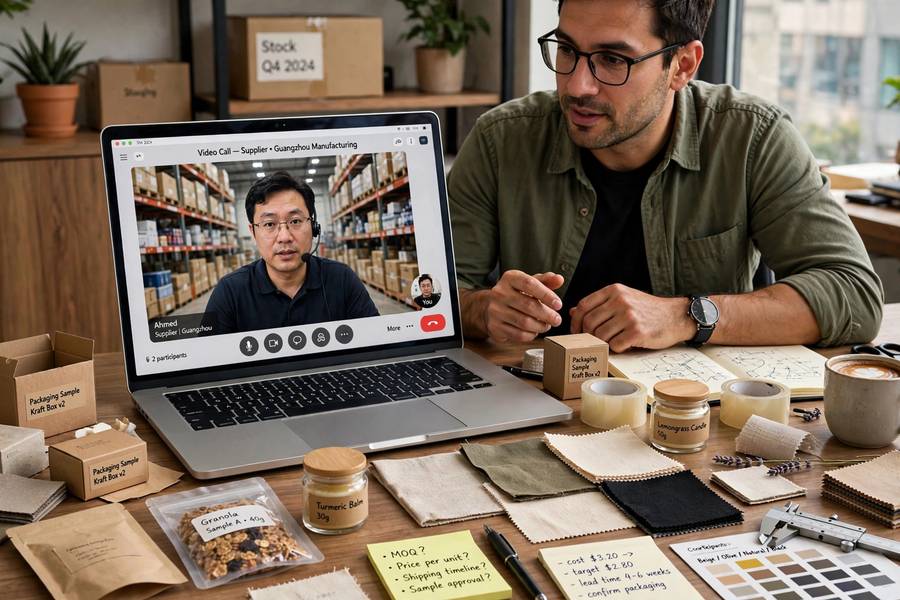
Your subscription box is only as good as your supply chain. I mean that literally: the most brilliant curation concept in the world dies the month your supplier ghosts you, ships late, or sends a batch that looks nothing like the sample. Sourcing is the unglamorous backbone of every successful box I’ve advised — and the graveyard of several that failed.
Finding suppliers isn’t hard. Finding reliable suppliers at prices that preserve your margins, month after month, is the actual skill. Here’s where to look, how to vet, how to negotiate when you’re small, and how to build the redundancy that keeps you shipping when things go wrong. For the broader launch plan, see our guide on how to start a subscription box business.
What You Actually Need From a Supplier
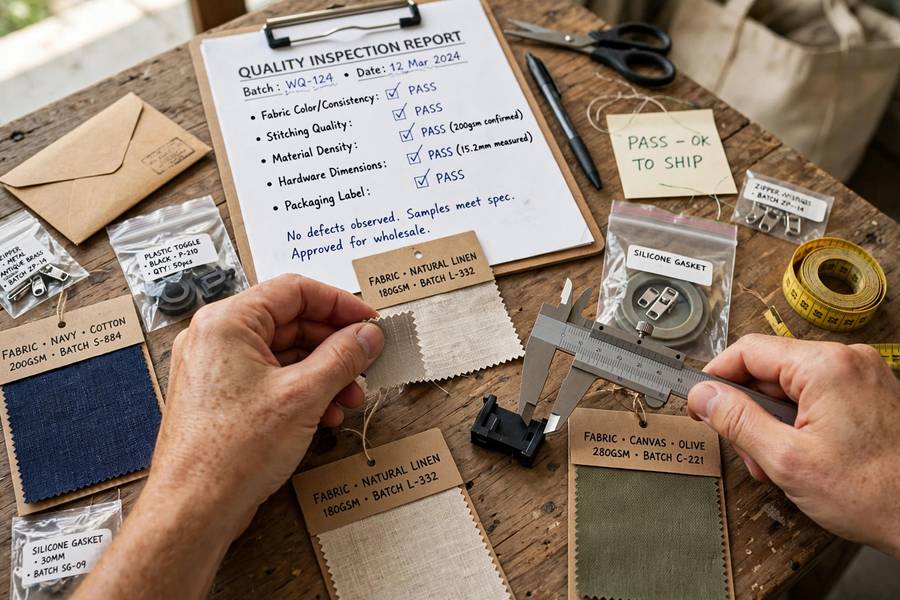
Before searching, define your requirements. Vague sourcing produces vague results:
Product fit. Exact specifications: size, weight, materials, variants, packaging. “Artisan soap” isn’t a spec — “4oz cold-process soap bars, individually wrapped, 6 scent variants, vegan” is. Suppliers can’t quote what you can’t describe.
Volume reality. How many units per month now, and in 6 months? Be honest — suppliers size you by volume, and inflated projections that don’t materialize destroy credibility. It’s better to be a reliable 100-unit buyer than a flaky promised-1,000 buyer.
Price target. Work backward from your box economics: if the box retails at $40 and you need product cost under $14 across 5 items, each item must average under $2.80. Know your per-item ceiling before talking to anyone — it filters suppliers instantly.
Lead time. How far in advance must you order? Your curation calendar depends on this. A supplier needing 8-week lead times means planning boxes two months out — workable, but it must be built into your schedule.
Reliability requirements. On-time delivery rate, defect tolerance, communication responsiveness. For subscription boxes, a missed shipment doesn’t just delay an order — it breaks a promise to every subscriber simultaneously. Reliability outweighs a 10% price difference every time.
Values alignment. If your brand promises cruelty-free, organic, or locally-made, your suppliers must deliver that — with documentation. One exposé about your “vegan” box containing animal-tested products ends the business.
Where to Look the Seven Sources
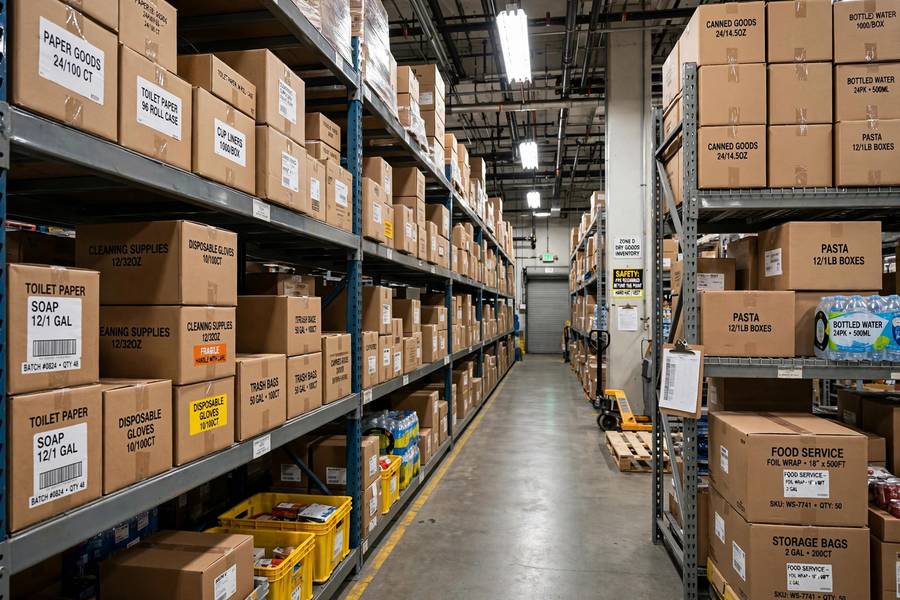
1. Trade shows. The highest-signal source. You touch products, meet humans, compare dozens of vendors in a day, and negotiate face-to-face. Gift shows, food expos, and craft fairs are goldmines. The travel cost pays for itself in avoided bad-supplier mistakes. Go with a list of specs and a camera — document everything.
2. Wholesale marketplaces. Online B2B marketplaces aggregate thousands of suppliers with reviews, minimums, and pricing visible. Efficient for discovery and initial outreach. The limitation: you’re one of thousands of buyers — relationship depth is low, and the best suppliers often aren’t on marketplaces.
3. Direct from makers/brands. Contacting brands directly for wholesale — especially small and emerging brands — often yields the best terms and the most interesting products. Small brands want subscription box exposure; it’s marketing they get paid for. Your pitch: “We put your product in front of 500 targeted customers monthly.” That’s compelling.
4. Distributors. Middlemen who aggregate products from many makers. Higher prices than direct, but one relationship replaces dozens — simpler ordering, consolidated shipping, single point of contact. Valuable when you’re small and can’t manage 20 supplier relationships.
5. Local makers and artisans. Farmers’ markets, craft fairs, Etsy sellers scaling up — local sourcing differentiates your box (“featuring makers from…”) and often comes with a great story. The trade-off: capacity. An artisan making 50 units monthly can’t supply your 500-subscriber box. Verify scale before committing.
6. White label and private label manufacturers. For commodity-type products (supplements, skincare bases, snacks), white-label manufacturers produce to your spec with your branding. Higher minimums, but unique products competitors can’t copy. Worth exploring once you’re past 200–300 subscribers.
7. Your own network. Ask everyone: fellow founders, industry contacts, even customers. The best supplier introductions I’ve seen came from casual conversations, not searches. Supplier relationships are trust businesses — warm introductions skip the credibility-building phase.
Start with 2–3 sources per product category. You’ll narrow to one primary plus one backup (below), but initial breadth prevents premature commitment to the first acceptable option.
The Vetting Checklist
Never commit based on a website and a phone call. Run every serious supplier through this:
Business legitimacy. How long operating? Business registration verifiable? Physical address (not just a PO box)? References from other buyers you can actually call? Five minutes of verification prevents most fraud.
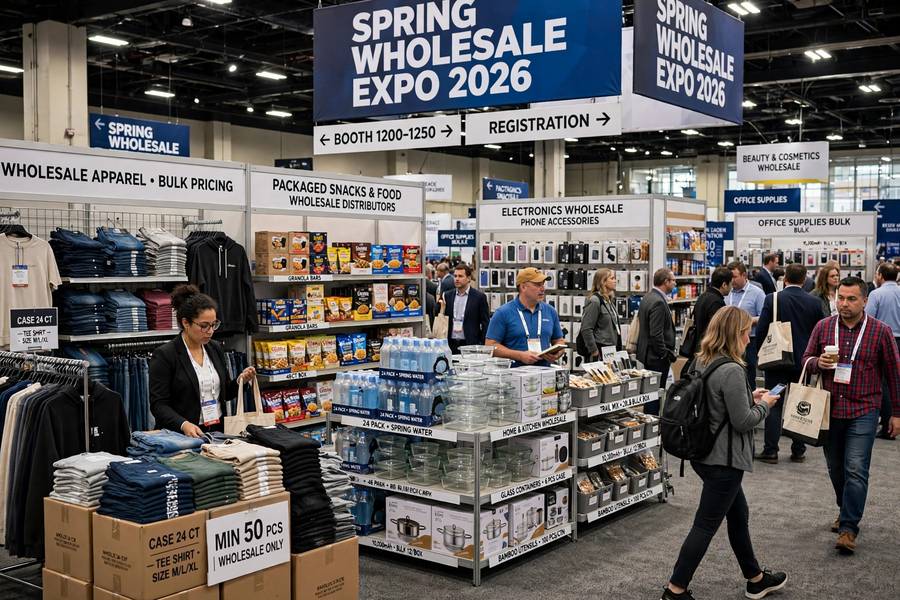
Sample quality. Order samples — always. Evaluate against your specs ruthlessly: size, weight, finish, packaging, scent/taste if applicable. The sample is their best foot forward; production runs will be slightly worse, never better.
Production capacity. Can they handle your volume plus 50% growth? Ask directly: “What’s your maximum monthly output for this product?” Suppliers who hesitate or hedge are telling you something.
Lead times and reliability. What’s the standard lead time? What’s the on-time delivery rate? Ask for specifics, not assurances. “We usually ship in 2–3 weeks” is an assurance; “our on-time rate last quarter was 96%, standard lead time 15 business days” is data.
Communication. How fast do they respond to emails? Do they answer questions directly or evasively? Communication quality during courtship predicts communication during crises — and there will be crises.
Financial stability. You don’t need their balance sheet, but be alert: demanding 100% upfront from a new small buyer is normal; demanding it while being evasive about timelines is a warning. Established suppliers offer reasonable terms.
Compliance and certifications. For food, cosmetics, children’s products: required certifications, testing documentation, insurance. Non-negotiable — your liability for selling non-compliant products is real.
Sampling Like a Professional
Sampling is cheap insurance — treat it seriously:
Sample from 3–5 suppliers per key product. Yes, it costs money ($50–200 in sample fees and shipping). It’s the highest-ROI spending in your sourcing process. The differences between suppliers are larger than websites suggest.
Test beyond first impression. Use the product as a customer would. Does the candle burn cleanly for hours? Does the snack taste good on day 30, not just day 1? Does the packaging survive shipping? First impressions lie; extended testing tells truth.
Compare total landed cost. Sample price means nothing — calculate the landed cost: unit price + shipping to you + any import duties + packaging needed + your packing labor allocation. The cheapest unit price often isn’t the cheapest landed cost.
Document everything. Photos, notes, measurements, supplier quotes — organized by supplier. When you’re comparing five options across ten criteria two weeks later, you’ll thank yourself.
Negotiate samples credit. Many suppliers credit sample costs against your first order. Ask — the worst they say is no, and it signals you’re a serious buyer, not a sample collector.
Negotiating When You Are Small
You have less leverage than big buyers. You have more than you think:
Lead with growth story. “We’re at 100 subscribers, projecting 500 by year-end, ordering monthly on a schedule.” Suppliers invest in growing accounts — your trajectory matters more than your current volume. Be honest about projections; credibility compounds.
Offer what big buyers don’t. Subscription boxes provide marketing exposure, predictable recurring orders, and product feedback from engaged customers. “Your product in front of 500 ideal customers monthly, with their reactions reported back” — that’s value beyond the purchase order.
Negotiate total terms, not just price. Payment terms (net-30 vs upfront), lead times, minimum order quantities, exclusivity windows, co-marketing — price is one variable among many. A supplier who won’t budge on price might offer net-30 terms that transform your cash flow.
Commit to earn discounts. “If I commit to 6 months at 200 units monthly, what pricing applies?” Volume commitments unlock tiers that spot orders don’t. Only commit what your projections honestly support.
Ask for the wholesale sheet. Many suppliers have tiered pricing they don’t volunteer. Ask directly: “What’s your pricing at 100, 250, and 500 units?” The tiers reveal themselves — and give you targets to grow into.
Build the relationship. The supplier who likes you prioritizes your rush order, warns you about delays, and offers the overstock deal. Be the buyer who’s organized, pays on time, communicates clearly, and says thank you. In a world of difficult buyers, being easy is leverage.
What not to do: bluff about volume you don’t have (it collapses on the first order), grind on price until the relationship sours (a resentful supplier cuts corners), or switch suppliers constantly for pennies (reliability is worth more than 5%).
The Backup Supplier Rule
Every critical product needs two suppliers. Not eventually — from the start. Here’s why:
Suppliers fail. They go out of business, discontinue products, have production disasters, get acquired and change terms, or deprioritize your small account when a bigger one calls. When your sole supplier fails and you have 500 subscribers expecting boxes next week, you don’t have a problem — you have a catastrophe.
The backup doesn’t need to be equal. It needs to be available: a distributor carrying similar products, a marketplace seller with stock on hand, a local maker who can fill gaps. The backup’s job is emergency coverage, not perfect substitution.
Maintain the relationship. Place small periodic orders with backups — enough to stay a known customer. A backup you’ve never ordered from will treat you like a stranger in an emergency. A backup who gets quarterly orders will move mountains for you.
Dual-source strategically. For your highest-volume products, split orders between two suppliers routinely (70/30). You get price competition, risk distribution, and both relationships stay warm. The slight complexity premium is disaster insurance.
Document alternatives. For every product in every box, maintain a one-page “if this supplier fails” note: backup supplier, lead time, price difference, quality delta. When the crisis hits at 11pm, you execute the plan instead of panicking.
Supplier Mistakes That Kill Boxes
Single-sourcing everything. Covered above — the most common fatal sourcing mistake. Redundancy feels inefficient until the day it saves the business.
Choosing on price alone. The cheapest supplier who ships late, sends defects, and ghosts your emails costs more than the reliable one at 15% higher prices. Total cost includes your time firefighting, replacement shipments, and subscriber churn from poor quality.
No samples before committing. Ordering 500 units based on website photos. I’ve seen the results — wrong colors, wrong sizes, wrong quality. Always sample. Always.
Ignoring lead times in planning. Your curation calendar must work backward from the longest supplier lead time, not forward from your ship date. Plan boxes 8–12 weeks out once suppliers are involved.
Over-ordering early. Excitement produces excess inventory. Order for confirmed subscribers plus 10–15% buffer, not for the subscriber count you hope to have. Dead inventory is cash in boxes in your garage.
Under-communicating. Suppliers aren’t mind readers. Share your growth plans, flag upcoming volume changes early, warn about seasonal spikes. Surprises damage relationships; transparency builds them.
No quality control process. Inspect incoming shipments — every time, at least sample-based. Catching a defect batch before packing beats discovering it from 200 angry subscriber emails.
Sourcing excellence is invisible when it works — boxes arrive, month after month, quality consistent. That invisibility is the achievement. Build the supplier base deliberately: vet ruthlessly, negotiate fairly, maintain backups, and treat good suppliers like the partners they are. They’ll return the favor when it counts.
Frequently Asked Questions
The seven best sources: trade shows (highest signal), wholesale marketplaces, direct outreach to small brands, distributors, local makers, white-label manufacturers, and your own network. Start with 2–3 sources per product and narrow to one primary plus one backup.
Verify business legitimacy, always order samples and test thoroughly, confirm production capacity for your volume plus growth, check on-time delivery data, assess communication quality, and verify required certifications for regulated products. Watch for red flags like no physical address or pressure for large upfront payments.
Lead with your growth trajectory, offer what big buyers don’t (marketing exposure, predictable recurring orders, customer feedback), negotiate total terms beyond price (payment terms, minimums, lead times), and commit to volume tiers you can honestly meet. Being organized and paying on time is itself leverage.
Yes — every critical product needs two suppliers from the start. Suppliers fail, discontinue products, or deprioritize small accounts. Maintain backup relationships with periodic small orders so they’ll prioritize you in an emergency, and document a contingency plan per product.
At minimum, get price, minimums, lead times, quality standards, and payment terms confirmed in writing. Add quality agreements with defect definitions, lead-time commitments with remedies, exclusivity terms where relevant, and termination provisions. Scale formality with order size.