

I’m Chris, and I need to confess something: my first music festival was a catastrophe. I showed up in brand-new white sneakers (rookie mistake number one), brought no sunscreen (mistake two), forgot a portable charger (mistake three), and spent the headliner’s entire set standing in a forty-minute line for water because I hadn’t drunk anything since noon. I watched my favorite band through a haze of dehydration and regret.
That was years ago. Since then I’ve done the big outdoor ones, the sweaty indoor ones, the three-day rain ones. I’ve learned every lesson the hard way so you don’t have to. These are my music festival tips — the real ones, not the “remember to have fun!” fluff. The stuff that actually decides whether you have the best weekend of your year or a very expensive sunburn.
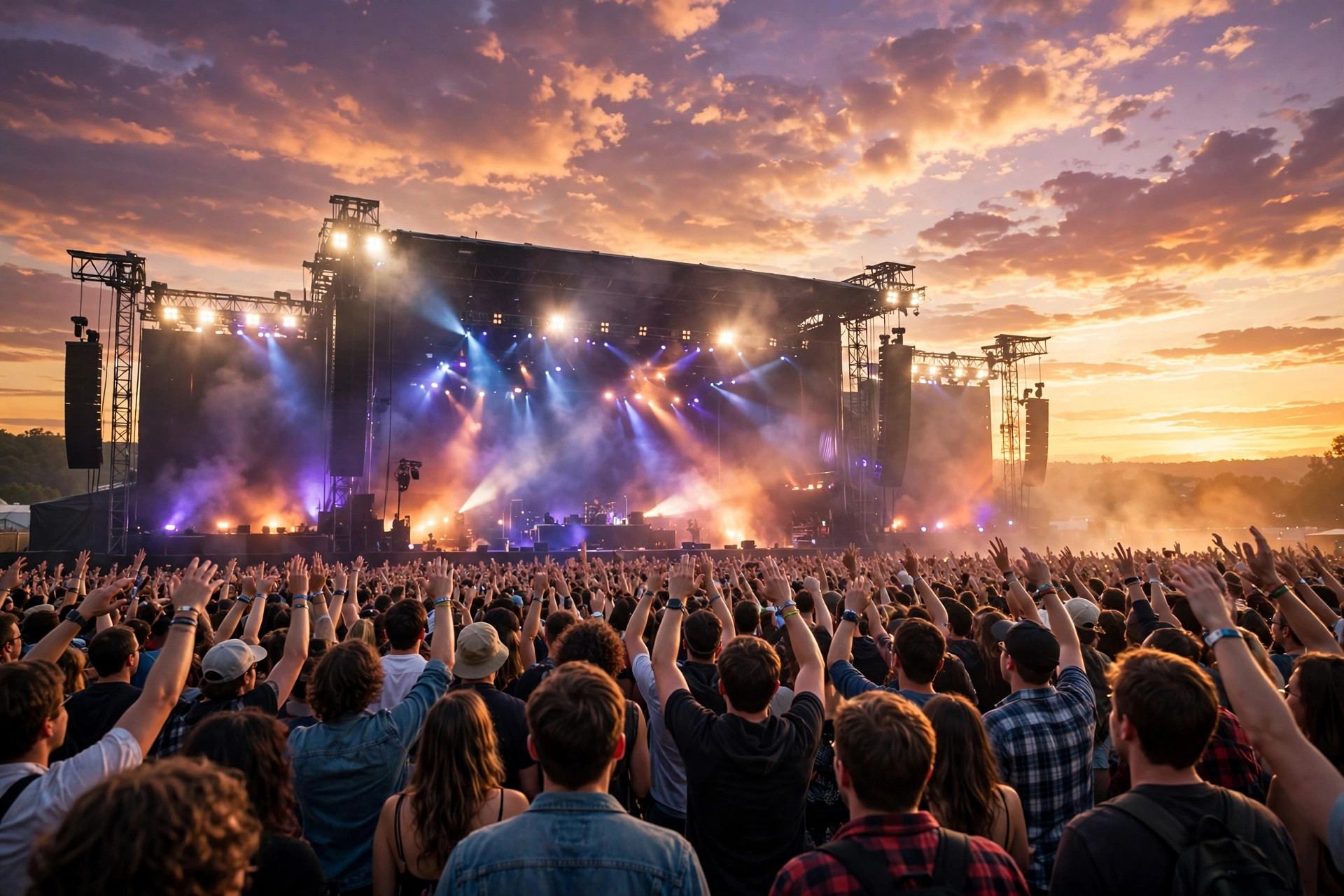
Before You Go: The Prep Nobody Does (But Should)
Here’s what separates the people having the time of their lives from the people melting down by 3 PM: about two hours of prep the week before.
Actually study the lineup. Not just the headliners — the whole thing. Every festival has that mid-afternoon set by a band you’ve never heard of that ends up being the best hour of your weekend. Make a loose schedule, mark your must-sees, and leave gaps. The gaps are where the magic happens.
Download the festival app and the offline map. Cell service at festivals is famously terrible — 80,000 people crushing the same three cell towers. Screenshot your schedule, save the map offline, and share your must-see list with your group before you arrive.
We break down film festivals work step by step in a separate guide.
Check the weather like your weekend depends on it. Because it does. A festival in 95-degree heat and a festival in a thunderstorm are two completely different events requiring two completely different packing lists. Check the forecast the night before you pack, and pack for the worst version of it. Poncho people are always happier than umbrella people, by the way — umbrellas block everyone’s view and mark you as an amateur. And if getting there involves real travel — flights, a long road trip — pair this list with my guide on what to pack for international travel (https://www.wedlockcross.com/what-to-pack-international-travel/) so the journey doesn’t undo the prep.
For a deeper dive, see our guide to what to pack international travel.
Sort out tickets, parking, and entry logistics early. Read the festival’s FAQ page. Bag policies, prohibited items, re-entry rules, parking times — every year, thousands of people discover at the gate that their bag is too big. Don’t be thousands of people.
What to Pack: The Festival Survival Kit
After years of trial and error, here’s my non-negotiable list. Everything here has prevented a specific disaster.
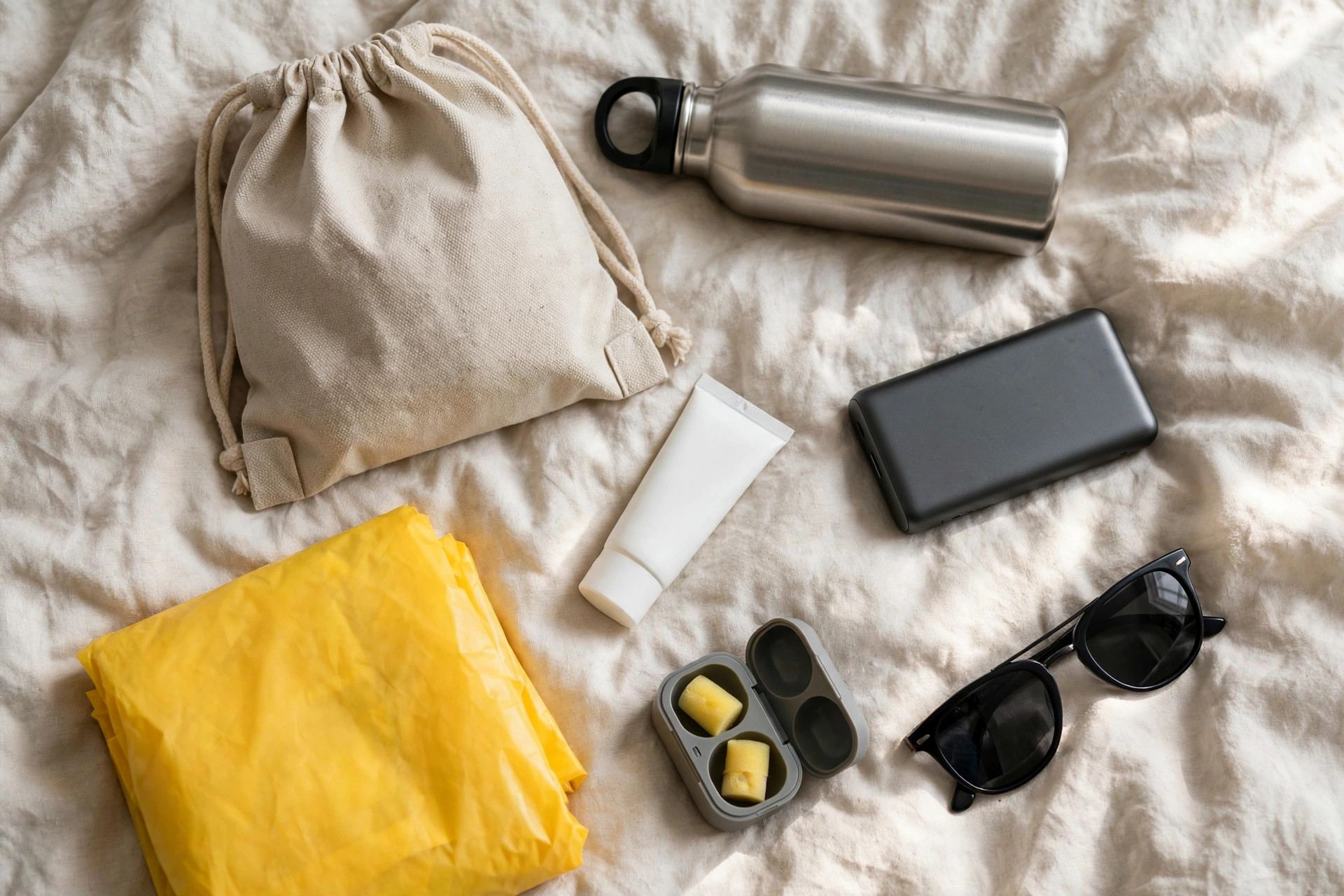
- Refillable water bottle. Non-negotiable. You’ll drink more water than you think, and buying bottled water all weekend will cost you a fortune. Most festivals have free refill stations.
- Portable charger, fully charged. Your phone is your map, your schedule, your camera, and your lifeline to your group. A dead phone at a festival is genuinely stressful.
- Sunscreen and reapply it. Not the travel-size one you’ll use twice. The big one. Reapply every two hours. Future-you, the one not peeling like a lizard on Monday, says thanks.
- Earplugs. High-fidelity concert earplugs turn the volume down without turning the quality down, and your ears will still work when you’re fifty. The front-row regulars all wear them. Be like the regulars.
- A small crossbody bag or fanny pack. Big enough for phone, charger, sunscreen, and cash. Small enough to meet bag policies. Worn in front, always.
- Rain poncho. Packs to nothing, saves everything.
- Comfortable broken-in shoes. Not new ones. Not white ones. Shoes you could walk ten miles in, because you will.
- Cash. Card readers go down. ATMs run out.
- A bandana or buff. Dust, sun, sudden rain — it handles all of it.
The Day Of: Timing Is Everything
Festival days are marathons, not sprints. Pace yourself like one.
Arrive early. The first hour after gates open is golden: short lines, easy bathroom access, time to learn the layout. Walk the whole grounds. Find the water stations, the bathrooms with the shortest lines (there’s always one secret good bathroom — usually farthest from the main stage), the shade spots, and the medical tent.
Plan around set conflicts, not just favorites. Big festivals schedule popular acts against each other on purpose. Decide your conflicts before the day starts. My rule: see the full set of the act you love most, catch half of the second choice, and don’t try to see three partial sets.
Eat a real meal before the headliner. Not festival nachos at 4 PM and nothing else. Your body is about to stand, dance, and sweat for six hours. Fuel it.
Take breaks before you need them. The people who crash at 8 PM are the ones who went full-throttle from noon. Sit in the shade for twenty minutes in the afternoon. Your evening self will thank you.
Food, Water, and Not Passing Out
Let’s talk about the least glamorous and most important festival topic: staying upright.
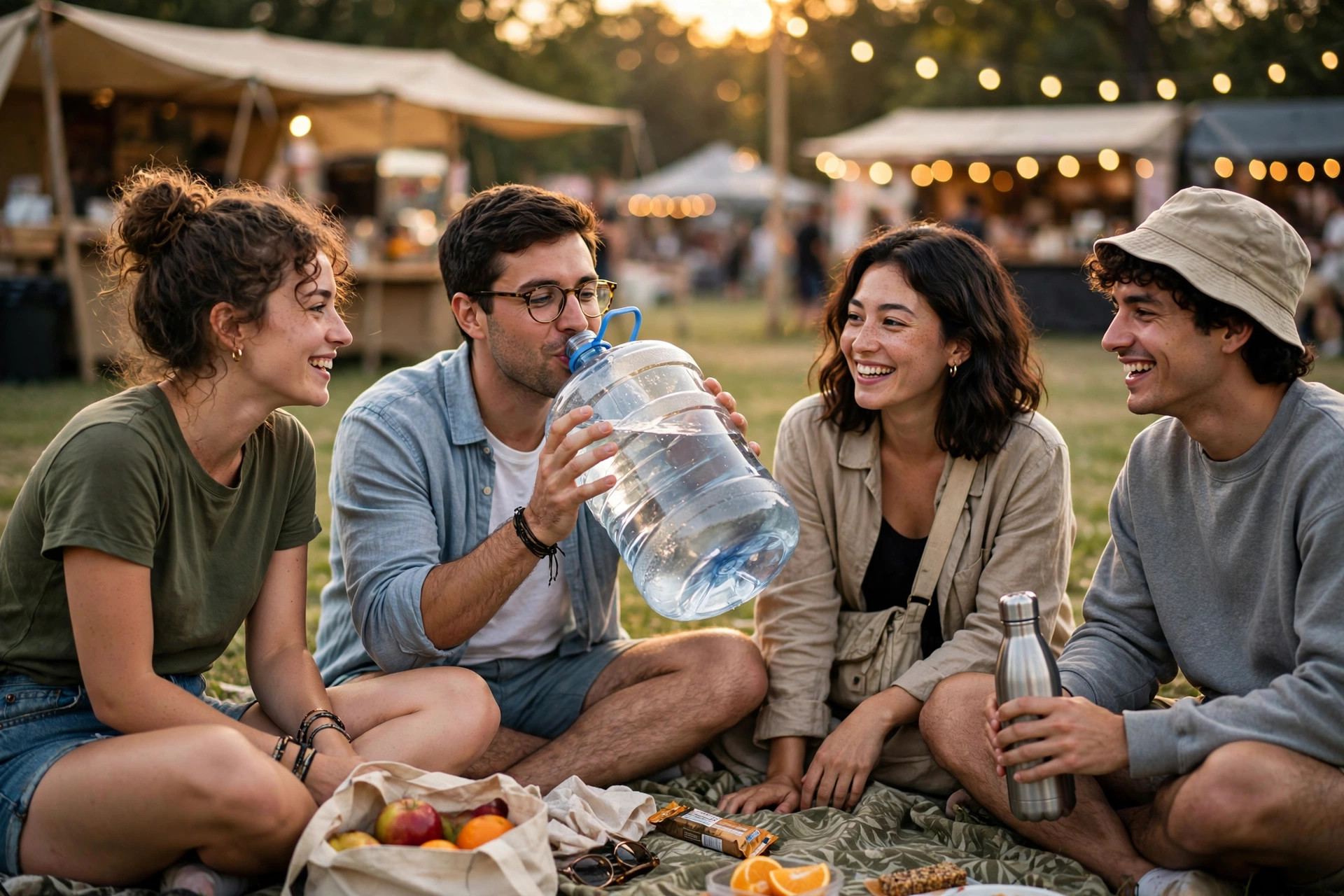
Drink water constantly. Not when you’re thirsty — by then you’re already behind. Alternate every alcoholic drink with water. Use the free refill stations aggressively. I once watched a friend try to power through a 100-degree day on two beers and sheer willpower. He spent the headliner in the medical tent. Don’t be him.
Eat like you mean it. Festival food is overpriced, yes, but skipping meals is how people end up dizzy in a crowd. Eat a big breakfast before you go in, snack through the day, and have a real dinner. Your stamina is directly proportional to your calorie intake. This isn’t the weekend for intermittent fasting.
Watch the sun. Heat exhaustion sneaks up on you — headache, nausea, dizziness, goosebumps in the heat. If you feel any of that, get to shade and the medical tent immediately. No set is worth a hospital visit. And here’s a small thing that helps more than people expect: starting your day hydrated matters enormously. There’s real science behind why drinking water first thing in the morning helps your body handle a long hot day (https://www.wedlockcross.com/benefits-drinking-water-morning/) — make it a festival-morning ritual.
Your Phone Will Die. Plan For It.
Even with a portable charger, assume your phone becomes unreliable by evening. Plan accordingly.
Set a meetup point and meetup times with your group. “The big oak tree by the north entrance, every two hours” beats forty unsent texts. Pick something unmissable — “near the main stage” is useless when 40,000 people are near the main stage.
Screenshot everything. Your tickets (don’t rely on the app loading at the gate), your schedule, your hotel address, your parking lot location. Take a photo of where you parked. You will not remember. Nobody remembers.
Camping vs Day Trip: Know What You’re Signing Up For
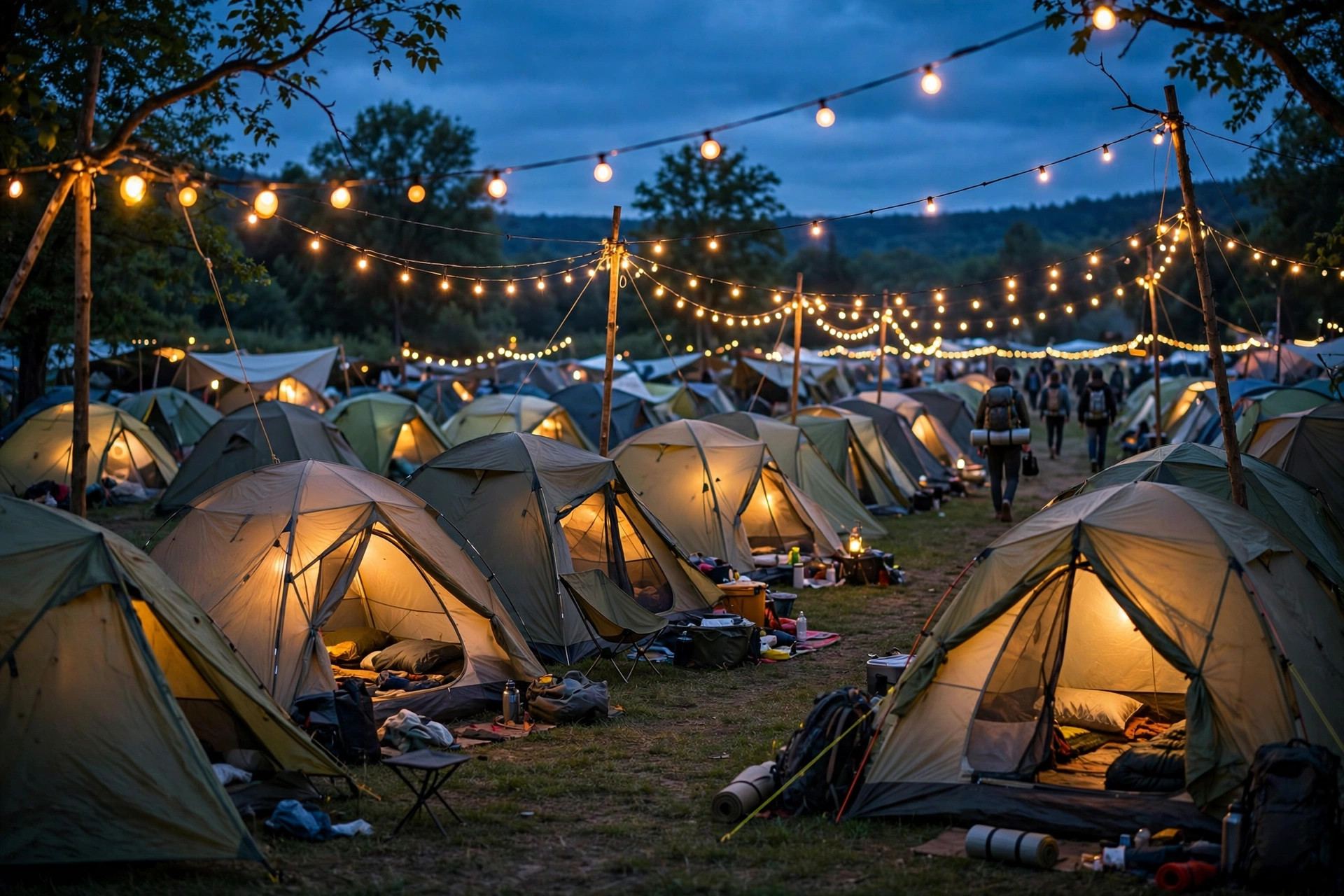
Camping festivals are the full experience — late-night acoustic sets at neighboring tents, sunrise conversations with strangers who become friends, the whole communal thing. They’re also: sleeping on the ground, communal bathrooms, and no escape from the weather. If you camp: bring earplugs for sleep (not just the music), a headlamp, baby wipes (showers have lines), and a lock for your tent. Arrive early for a good spot — near the paths but not on them, uphill if rain is possible.
Day-trip festivals mean a real bed and a real shower every night, which is genuinely wonderful. The tradeoff: parking lot exoduses and missing the late-night magic. If you day-trip: leave before the final encore ends to beat the worst traffic, or commit to staying for everything and accept the slow exit.
Neither is better. They’re different festivals. Pick the one that matches your actual tolerance for discomfort, not the one that sounds cooler.
Staying Safe Without Being Paranoid
Festivals are overwhelmingly safe and joyful. They’re also crowded, chaotic, and full of strangers, so a little street smarts goes a long way.
Buddy system. Especially after dark, especially in crowds. Know where your people are. If someone in your group is struggling — too much sun, too much of anything — take it seriously and get them to the medical tent. The medical staff have seen everything and judge nothing.
Protect your valuables. Front pockets or a crossbody worn in front. Leave the expensive jewelry and anything you’d cry about losing at home. Crowds are prime territory for pickpockets.
Know your limits. With everything — sun, alcohol, dancing for six hours straight, the sketchy guy offering you something. Festivals reward enthusiasm and punish recklessness. The people having the most fun are the ones still standing at midnight.
Weather can turn fast. Lightning means stages shut down and crowds get directed to shelter. Don’t argue with security about this.
Festival Etiquette: Don’t Be That Person
Okay, rant section. I’ve earned this.
Don’t film the entire concert on your phone. Take your photos, get your thirty-second clip, then put it away and watch the show. Nobody has ever rewatched two hours of shaky vertical concert footage.
Don’t push to the front late. The front filled up hours ago by people who cared enough to be there early. Squeezing through a packed crowd ten minutes before the headliner is rude, and everyone knows it.
Don’t talk through the quiet songs. If you need to have a full-volume conversation, step back. The people around you paid to hear the music, not your weekend recap.
Pick up your trash. Festivals generate mountains of garbage. Yours doesn’t have to be part of the mountain. It takes five seconds.
Be kind to the staff. The security guard, the water station volunteer, the overwhelmed food vendor — they’re working a long hot day so you can have a good one. A little courtesy costs nothing.
After the Festival: Recovery Mode
The festival ends. The ringing in your ears fades (it will fade — but this is your annual reminder to wear earplugs next time). Now: hydrate aggressively, eat real food, sleep as much as your body demands.
Then start planning the next one. Because here’s the truth underneath all these tips: a well-prepared festival is one of the best weekends a human being can have. Live music, good friends, that moment when the whole crowd sings the chorus together — there’s nothing like it. The prep isn’t the boring part. The prep is what makes the magic possible.
For more of my entertainment coverage — what to watch, what to skip, and the occasional rant about a finale that wasted my evening — browse the entertainment section (https://www.wedlockcross.com/category/entertainment/). You’re welcome.
Frequently Asked Questions
The essentials: a refillable water bottle, a fully charged portable charger, sunscreen, earplugs, a small crossbody bag, a rain poncho, comfortable broken-in shoes, and cash. If you’re camping, add a headlamp, baby wipes, a tent lock, and earplugs for sleeping. Check the festival’s bag policy before you pack — size limits are strictly enforced at entry.
Drink water constantly, not just when you’re thirsty — alternate every alcoholic drink with water and use the free refill stations aggressively. Eat real meals (your stamina depends on it), start the day well-hydrated, and learn the signs of heat exhaustion: headache, nausea, dizziness. If you feel any of those, get to shade and the medical tent immediately.
Don’t film the entire show on your phone, don’t push to the front late, don’t talk through quiet songs, and don’t leave your trash behind. Also: don’t wear brand-new shoes, don’t skip meals, and don’t rely on cell service to coordinate with your group — set meetup points and times in advance.
Neither is objectively better — they’re different experiences. Camping gives you the full communal experience (late-night sets, new friends) but means rough sleep and weather exposure. A hotel or day trip means real beds and showers but parking logistics and missing late-night magic. Choose based on your actual tolerance for discomfort, not which sounds cooler.
Bring a fully charged portable charger (high capacity if possible), turn on low-power mode, lower screen brightness, and close background apps. But plan as if your phone will die anyway: screenshot your tickets, schedule, and parking location in advance, and agree on physical meetup points and times with your group before you arrive.
Comfortable, broken-in shoes you could walk ten miles in (not new, not white), weather-appropriate layers, and sun protection — hat, sunglasses, sunscreen. Bring a rain poncho regardless of forecast. Prioritize function over fashion: you’ll be on your feet for 8-12 hours in heat, dust, mud, or all three.